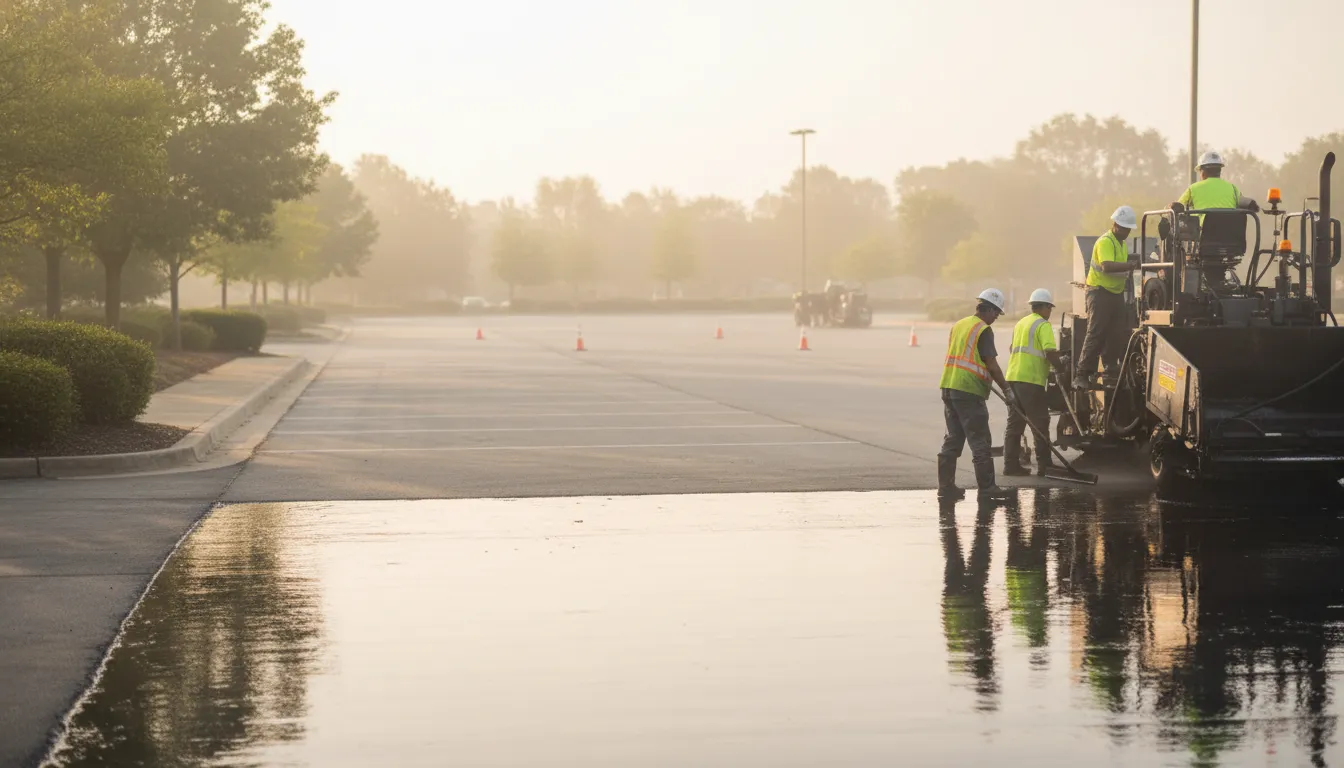
Find the Best Parking Lot Sealcoating Companies for Your Business
No obligation • Fast responses • Nationwide coverage
Why you can trust Tidy Parking
Tidy Parking is a leading U.S. source for parking lot maintenance services, including striping, sealcoating, sweeping, paving, resurfacing, and repairs. Our content is created independently, and providers cannot pay to influence ratings or recommendations.
Search providers near you
Top Parking Lot Sealcoating Companies in Pasadena, California Ranked
Parking lot sealcoating is a critical maintenance service that applies a protective coating to asphalt surfaces. In California, this process is essential for shielding pavement from intense UV rays, vehicle fluids, and weather, which can significantly extend the lifespan of your investment. This guide explains the key considerations for sealcoating in the state, from timing and costs to material selection and proper application techniques, helping you make informed decisions for your property.
Alliance Paving Inc.
2201 E Winston Rd E, Anaheim, CA 92806
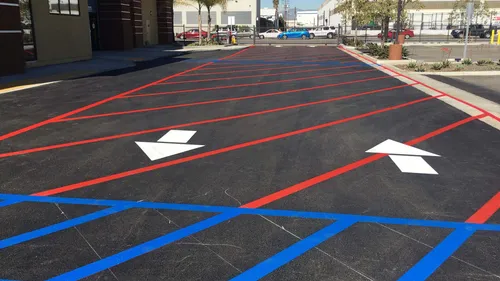
Alliance Paving Inc. is a paving and maintenance company based in Los Angeles, CA, serving Orange, Los Angeles, Riverside, San Bernardino, and San Diego counties. They specialize in commercial parking lot services including asphalt repair, sealcoating, striping, and complete pavement replacements. With over 20 years of experience, Alliance Paving focuses on extending pavement life through regular maintenance and offers coordinated project management to minimize business interruptions.
Alpha Asphalt
Stockton, CA
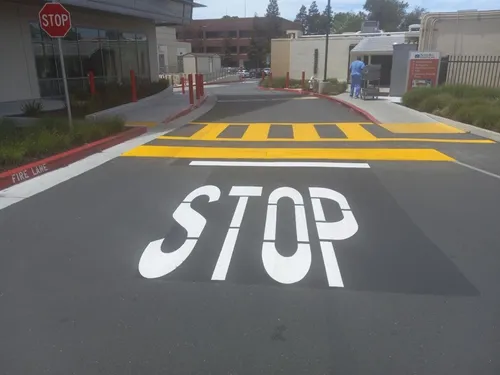
Alpha Asphalt is a full-service asphalt contractor based in Stockton, CA, specializing in parking lot paving, striping, sealcoating, and repair for both commercial and residential clients. They provide durable asphalt surfaces, precise striping, and protective sealcoating to enhance and maintain pavement quality. The company is known for using industry-grade materials and advanced equipment to deliver long-lasting results. Alpha Asphalt is a family-run business with a focus on clear communication and dependable scheduling.
Bay Cities Paving Inc
931 Mahar Avenue, 1314 North Avalon Boulevard Ste A, Wilmington, CA 90744
Bay Cities Paving Inc is a family-owned asphalt and concrete contractor serving Los Angeles, CA, with over 40 years of experience. They provide a range of services including parking lot paving, resurfacing, sealcoating, striping, and repair for commercial, industrial, and residential properties. The company handles projects from shopping malls and restaurants to single-family driveways, applying expert techniques and quality materials to ensure durable results. Established in 1984, Bay Cities Paving also offers sign installation services and educational seminars for property managers to address safety concerns.
Bay Cities Paving
Long Beach, CA
Bay Cities Paving is a parking lot paving and repair company serving Long Beach, CA, and surrounding Orange County communities. With over 30 years of experience, they provide comprehensive asphalt and concrete services including parking lot striping, sealcoating, resurfacing, and repair. Their expertise covers residential, commercial, and industrial properties, with capabilities such as asphalt milling, crack sealing, and ADA-compliant parking lot paving. The company emphasizes local knowledge of Southern California's climate and soil conditions to deliver durable pavement solutions. Bay Cities Paving offers emergency services and weekend consultations by appointment.
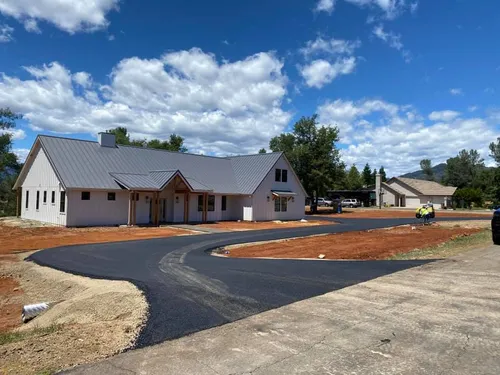
Blue Diamond Inglewood Asphalt
2021 W Gaylord St, Long Beach, CA 90813
Blue Diamond Inglewood Asphalt is a parking lot and driveway contractor based in Long Beach, CA. They provide a range of asphalt services including paving, patching, striping, sealcoating, resurfacing, and repairs tailored to commercial and residential properties. Their team uses high-quality materials and modern equipment to ensure durable and smooth asphalt surfaces. The company emphasizes safety on job sites and offers free consultations to help clients plan their projects. Their expertise includes asphalt paving and sealcoating, which protect and extend the life of paved surfaces.
Why Sealcoat in California?
The California climate presents unique challenges for asphalt pavement. The combination of intense, year-round sunlight and periodic heavy rains accelerates the aging process. Sealcoating acts as a sacrificial barrier, protecting the asphalt binder from oxidation and brittleness caused by UV exposure. It also provides a waterproof layer, preventing moisture from seeping into the pavement base and causing potholes or structural failure. For commercial properties, a well-maintained, dark black sealcoated surface improves curb appeal and safety by providing a high-contrast background for parking lot striping.
Optimal Timing and Frequency
Scheduling your sealcoating project correctly is half the battle for a successful, long-lasting result.
Best Seasons: The ideal time for sealcoating in California is during the dry seasons of spring (March-May) and summer (June-August)1. This avoids the winter rains and provides consistently warm temperatures.
Temperature Requirements: Sealant requires specific conditions to cure properly. Application should only occur when air and pavement temperatures are between 55°F and 90°F and are expected to remain there for at least 24 hours2 3. Humidity and moisture are also critical factors; sealcoat should not be applied if rain is forecast within 24 hours or if the pavement is damp from dew or recent precipitation2.
Application Frequency: For most commercial parking lots in California, a re-application cycle of every 2 to 3 years is recommended 4. High-traffic areas, such as retail shopping centers, may require more frequent sealing, potentially every 18 to 24 months, due to increased wear and exposure to vehicle fluids. For low-traffic lots, the cycle can extend to 3-5 years. New asphalt must cure completely before its first sealcoat, which typically takes 1 to 2 years.
Find the perfect parking lot sealcoating companies for your needs
Get personalized recommendations and expert advice
The Sealcoating Process: Steps for a Quality Job
A durable sealcoat depends on meticulous preparation and correct application. Here's what a professional service should do:
- Thorough Cleaning: The surface must be completely free of dirt, dust, leaves, and debris. Professionals typically use power brooms and blowers to achieve a clean substrate, as proper adhesion is impossible on a dirty surface.
- Stain Priming: Oil and gasoline stains are common in parking lots. These must be treated with a specialized primer or degreaser; otherwise, the sealant will not bond to the stained area, leading to rapid failure5.
- Crack Repair: All cracks wider than 1/4 inch should be filled with a hot-applied crack sealant before the sealcoat is applied6. This prevents water intrusion at its source.
- Application: The best practice involves applying two thin coats. The first coat is often applied with a squeegee to work the sealant into the pavement's pores. The second coat is typically sprayed on to ensure an even, consistent finish. The total application rate should be between 0.10 and 0.15 gallons per square yard (GSY).
- Curing and Drying: The lot must be closed to all traffic for a minimum of 12-24 hours to allow the sealant to dry and cure fully. Driving on it too soon will track sealant and ruin the finish.
Material Choices: Coal Tar vs. Asphalt Emulsion
The two primary types of sealants used have distinct properties:
- Coal Tar Emulsion: Historically the most common choice, coal tar offers excellent resistance to gasoline, oil, and UV radiation. It provides a deep, rich black finish. However, environmental and health regulations have restricted its use in some municipalities due to its PAH (polycyclic aromatic hydrocarbon) content.
- Asphalt Emulsion: This alternative is made from refined asphalt. It dries faster, has lower volatile organic compounds (VOCs), and is generally considered more environmentally friendly7 8. Modern formulations have improved greatly in fuel resistance. It's crucial to use a high-quality, polymer-modified asphalt emulsion for commercial durability.
Always discuss material options with your service provider, considering your specific lot's exposure to fluids and local environmental regulations.
Cost Considerations in California
The cost of sealcoating in California is typically quoted per square foot. Prices generally range from $0.15 to $0.35 per square foot9. The final price for your project will depend on several factors:
- Total Square Footage: Larger projects often have a lower cost per square foot.
- Lot Condition: Lots requiring extensive cleaning, stain treatment, or crack repair will incur higher preparation costs.
- Accessibility: Lots that are easy for equipment to maneuver in may cost less than those with tight spaces or obstacles.
- Material Choice: The type and quality of sealant used can affect the price.
- Regional Labor Rates: Costs can vary between Northern and Southern California metropolitan areas.
Maintaining Your Investment
Sealcoating is not a "set it and forget it" solution. To maximize its benefits and your pavement's life, adopt a proactive maintenance plan:
- Annual Inspections: Have your pavement inspected each year for new cracks, drainage issues, or damage that needs repair before the next sealcoat cycle 10.
- Prompt Repairs: Fill new cracks as soon as they appear to prevent water damage.
- Keep it Clean: Regularly sweep the lot to remove abrasive debris and promptly clean new oil stains.
- Plan Ahead: For retail or high-traffic facilities, schedule sealcoating during predictable business lulls and plan the project well in advance to minimize customer disruption11.
Frequently asked questions
Sources
Footnotes
-
The Complete Maintenance Plan Guide - parking lot - https://paveconnect.com/blog/how-to-tell-what-your-parking-lot-needs-the-complete-maintenance-plan-guide/ ↩
-
Best Weather Conditions for Sealcoating - D.B.Krieg, Inc. - https://dbkrieginc.com/blog/best-temperature-weather-for-sealcoating/ ↩ ↩2
-
Sealcoating Asphalt | General Pavement Management - https://www.gpmpavement.com/sealcoating/ ↩
-
How Often Should a Parking Lot Be Sealcoated? 510-723-0280 - https://americanasphalt.com/how-often-should-a-parking-lot-be-sealcoated/ ↩
-
How Often Should You Sealcoat Your Commercial Parking Lot - https://thepavementgroup.com/commercial-parking-lot-sealcoat/ ↩
-
Complete Parking Lot Striping Guide 2025 - ADA Striping - https://ada-striping.com/complete-parking-lot-striping-guide/ ↩
-
Complete Guide to Seal Coating in California - https://bowmanparkinglotstriping.com/complete-guide-to-seal-coating-in-california/ ↩
-
Best Management Practices for Sealcoating - https://pctc.memberclicks.net/assets/PCTC%20BMP_100719%201.pdf ↩
-
Sealcoating a Parking Lot: When, Why & How Much (2026 Guide) - https://strikeforcestriping.com/sealcoating-parking-lot-guide ↩
-
Understanding Asphalt Sealcoating in California | GPM - https://www.gpmpavement.com/blog/understanding-asphalt-sealcoating/ ↩
-
Retail Parking Lot Sealcoating: Why It Pays to Plan Ahead - DRYCO - https://www.dryco.com/blog/retail-parking-lot-sealcoating-why-it-pays-to-plan-ahead/ ↩