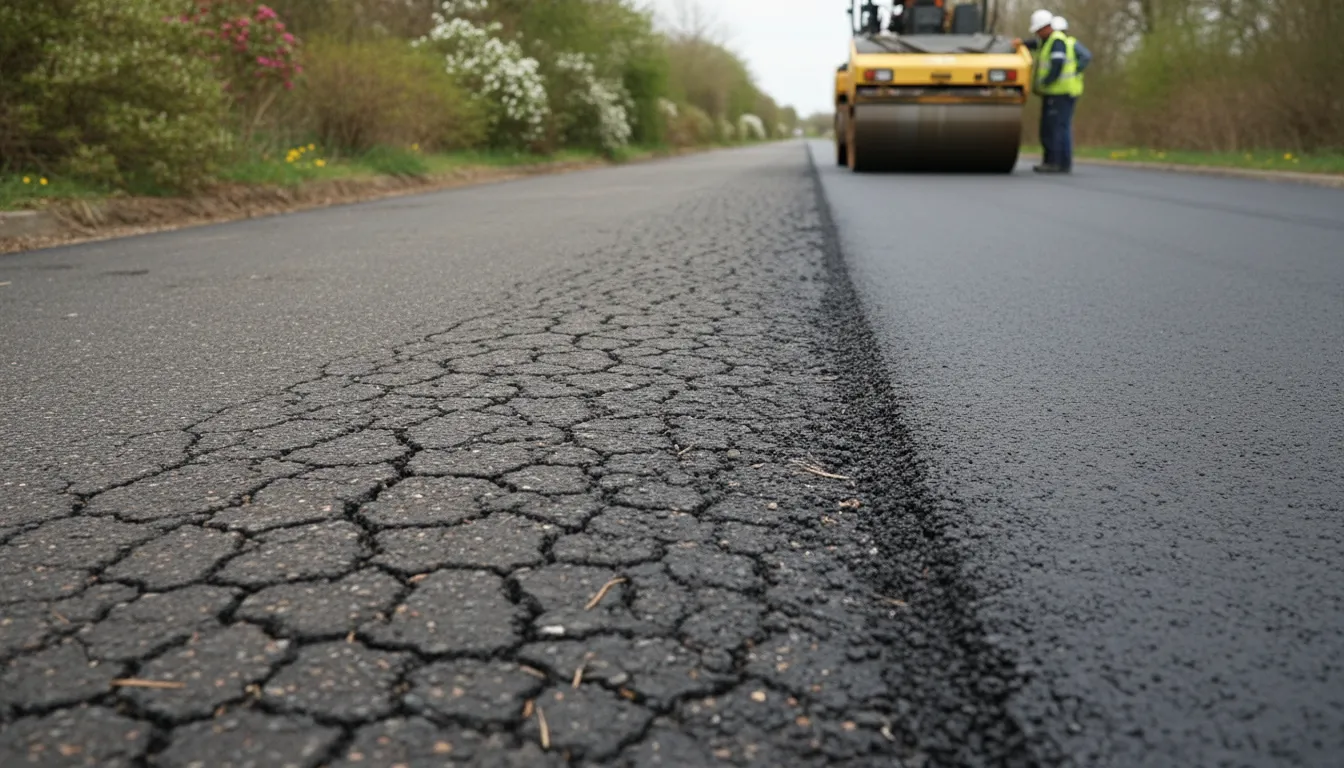
Find the Best Parking Lot Resurfacing Contractors for Your Business
No obligation • Fast responses • Nationwide coverage
Why you can trust Tidy Parking
Tidy Parking is a leading U.S. source for parking lot maintenance services, including striping, sealcoating, sweeping, paving, resurfacing, and repairs. Our content is created independently, and providers cannot pay to influence ratings or recommendations.
Search providers near you
Top Parking Lot Resurfacing Contractors in Hampton, Virginia Ranked
Parking lot resurfacing is a strategic maintenance process that restores a worn asphalt surface by applying a new layer of material over a stable base. For property managers and business owners in Hampton, this service is crucial for maintaining safety, improving curb appeal, and protecting a significant asset. A well-executed overlay can add 8-15 years of life to your pavement. This guide explains the local process, costs, and regulations to help you evaluate your options and connect with qualified professionals for your project.
Tidewater Sealcoating and Paving
Chesapeake, VA
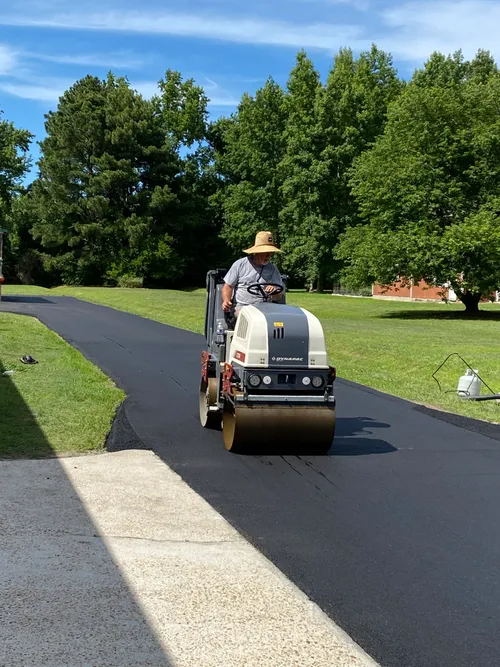
Tidewater Sealcoating and Paving is a family-owned company serving Chesapeake, VA, and the surrounding Hampton Roads area. With over 40 years of experience, they specialize in asphalt paving, seal coating, parking lot striping, resurfacing, and repairs for both residential and commercial properties. Their services include crack filling, pothole repair, line striping with ADA compliance, and decorative stone work. The company is licensed and insured, and offers after-hours appointments by request to accommodate customer schedules.
APB INC
1231 Carolina Rd, Suffolk, VA 23434
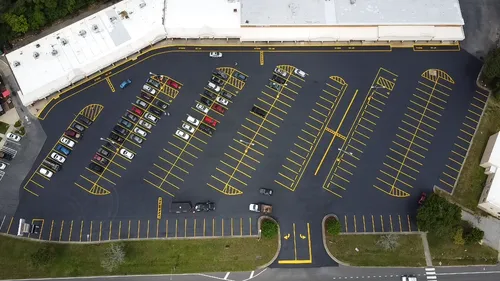
APB INC is a locally owned and operated company based near Chesapeake, VA, specializing in asphalt and concrete services. They offer a wide range of services including parking lot striping, sealcoating, paving, resurfacing, and repair for both residential and commercial clients. Their capabilities include site preparation, excavation, and traffic marking using durable, water-based acrylic paint. With decades of experience, APB INC serves Suffolk and the surrounding areas within a 30-mile radius, focusing on quality workmanship and community care.
Coblentz Construction & Concrete LLC
4000 Incubator Rd #109, Hampton, VA 23661
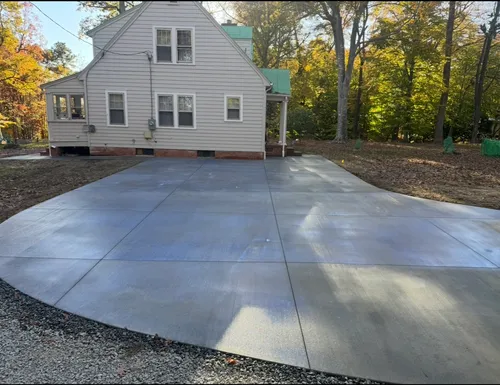
Coblentz Construction & Concrete LLC is a general contracting company based in Virginia Beach, VA, serving both residential and commercial clients. With over 20 years of experience, they provide services including driveway, sidewalk, and patio installation, as well as parking lot resurfacing and repair. Their capabilities include concrete planing, resurfacing, waterproofing, and caulking to maintain and improve pavement surfaces.
What is Parking Lot Resurfacing?
Often called an overlay, parking lot resurfacing is a cost-effective alternative to full reconstruction. It involves applying a new layer of hot-mix asphalt, typically 1.5 to 3 inches thick, over an existing pavement foundation that is still structurally sound 1. This process addresses surface-level wear and tear like cracks, weathering, and minor irregularities without the extensive excavation and cost of a complete tear-out. The goal is to create a smooth, durable, and like-new driving surface that restores functionality and extends the pavement's lifespan significantly.
The Resurfacing Process: A Step-by-Step Breakdown
A successful overlay project in Hampton follows a meticulous sequence to ensure long-term performance.
1. Site Inspection & Preparation
Every quality project begins with a thorough evaluation. A contractor will assess the parking lot for the extent of cracking, potholes, drainage issues, and the stability of the underlying base. This inspection determines if resurfacing is suitable or if more extensive base repair is needed. Preparation involves specialized cleaning to remove all debris, oil stains, and vegetation, which is essential for proper adhesion of the new asphalt layer.
2. Milling & Base Repair
For many projects, milling is a recommended step. Milling machines grind down the top 1.5 to 3 inches of the existing asphalt to create a uniform depth and a textured surface for the new layer to bond to. This step also helps maintain proper curb heights and drainage flow. Any underlying base damage discovered during inspection must be repaired at this stage to prevent future failure, as a new surface will not fix a compromised foundation.
3. Tack Coat & Asphalt Installation
A tack coat, an asphalt emulsion, is sprayed onto the prepared surface. This acts as a glue, creating a strong bond between the old pavement and the new overlay. Next, hot-mix asphalt is delivered and laid at the specified thickness. Proper installation requires skilled operators to achieve a consistent mat.
4. Compaction & Curing
While the asphalt is still hot, heavy rollers compact it to the correct density. Proper compaction is critical for durability and preventing premature raveling or cracking. The new surface then needs time to cure and harden, typically 24 to 48 hours, before vehicles can use it.
5. Final Striping & Markings
Once fully cured, the final step is re-applying all pavement markings, including stall lines, directional arrows, fire lanes, and accessible parking spaces. This must be done in compliance with current Americans with Disabilities Act (ADA) standards.
Find the perfect parking lot resurfacing contractors for your needs
Get personalized recommendations and expert advice
Cost Factors for Resurfacing in Hampton
Understanding the cost drivers helps in budgeting for your parking lot overlay. In Hampton, resurfacing typically costs between $1.00 and $3.00 per square foot 2 3. The wide range depends on several key factors.
- Project Size: Larger lots benefit from economies of scale, so the per-square-foot cost generally decreases as the total area increases. For estimation:
- A small lot of approximately 5,000 square feet may range from $5,000 to $15,000.
- A large lot of around 50,000 square feet could cost $50,000 to $150,000 or more 4.
- Condition & Prep Work: The single biggest variable is the amount of repair needed before the overlay. Lots with significant cracking, alligatoring, or base failures will require more extensive (and expensive) patching and leveling. In Virginia, patching costs can be as high as $3.32 per square foot.
- Overlay Thickness: A standard 2-inch overlay is common, but high-traffic areas may require a 3-inch thickness for added durability, which increases material costs. Statewide, a 2-inch overlay averages about $1.65 per square foot 5.
- Materials & Labor: Fluctuations in the cost of asphalt oil, aggregate, and fuel directly impact material prices. Local labor rates and equipment availability also play a role.
Hampton Regulations and Compliance
Navigating local codes is a vital part of any commercial paving project in Hampton.
- Permits: A zoning permit is required from the City of Hampton for any work that creates new impervious area (like expanding a lot) or for commercial projects involving more than 2,500 square feet of new or replaced driveway/parking area 6. Permits must be submitted to the Development Services Center at City Hall. Your contractor should typically handle this process.
- Drainage Standards: Proper water runoff is critical, especially in Hampton's coastal environment with a high water table 7. Pavement must be designed with a minimum slope of 0.4% to prevent ponding 8. Contractors often follow Virginia Department of Transportation (VDOT) specifications for commercial work 8.
- ADA Compliance: Accessible parking spaces must meet strict requirements, including a minimum width of 96 inches and specific access aisle dimensions 9. Non-compliant markings can result in fines.
- Layout & Green Area: Standard parking stalls should be at least 9 feet by 19 feet. The city also has "green area" requirements that may affect how much of a property can be covered with impervious surfaces like asphalt 10.
Climate and Seasonal Considerations
Hampton's coastal climate directly influences the ideal timing for asphalt work.
- Temperature: Asphalt requires warm ground and air temperatures to be mixed, transported, laid, and compacted properly. The paving season is generally limited to the warmer months, from late spring through early fall.
- Rain & Humidity: High moisture levels during construction can damage the asphalt base and prevent proper bonding. Similarly, rain shortly after application can ruin the fresh surface. Contractors monitor forecasts closely and require dry conditions for curing 11.
- Coastal Factors: The proximity to water means a higher water table and increased risk of storm flooding. This makes the initial site evaluation for drainage and base stability even more important for long-term pavement integrity.
Signs Your Hampton Parking Lot Needs Resurfacing
How do you know it's time for an overlay instead of just sealcoating or patching? Look for these indicators:
- Widespread Surface Deterioration: Numerous interconnected cracks (alligator cracking), extensive weathering, and raveling (loose aggregate).
- Minor Base Issues: Some uneven settling or minor base problems that can be repaired without full reconstruction.
- Poor Drainage: Areas where water pools due to surface irregularities, not major grading issues.
- Aging Surface: The pavement is 15-20+ years old, has been sealcoated multiple times, and is no longer holding up.
If your lot has massive potholes or severe, unstable base failures, full reconstruction might be necessary. A professional inspection can provide the definitive answer.
Maintaining Your Newly Resurfaced Lot
Protect your investment with a proactive maintenance plan.
- Allow Proper Cure Time: Keep traffic off the new surface for the full time recommended by your contractor (usually 24-72 hours).
- Sealcoating: Plan to apply a quality sealcoat 6-12 months after resurfacing, and then reapply every 2-3 years. This protects the asphalt from UV rays, oil, and gasoline.
- Prompt Repairs: Fill any new cracks that appear immediately to prevent water infiltration.
- Regular Cleaning: Keep the surface free of debris, and promptly clean oil spills.
Frequently asked questions
Sources
Footnotes
-
A Complete Guide On Parking Lot Resurfacing - Ace Avant - https://www.aceavant.com/a-complete-guide-on-parking-lot-resurfacing/ ↩
-
Parking Lot Resurfacing: Complete Cost Guide & Process [2025] - https://www.candcsuperseal.com/parking-lot-resurfacing-complete-cost-guide-process-2025/ ↩
-
Parking Lot Resurfacing: Complete Cost Guide & Process [2025] - https://www.candcsuperseal.com/parking-lot-resurfacing-complete-cost-guide-process-2025/ ↩
-
Virginia Parking Lots Costs & Prices - ProMatcher Cost Report - https://parking-lots.promatcher.com/cost/virginia.aspx ↩
-
Virginia Parking Lots Costs & Prices - ProMatcher Cost Report - https://parking-lots.promatcher.com/cost/virginia.aspx ↩
-
Zoning | Hampton, VA - Official Website - https://www.hampton.gov/1159/Zoning ↩
-
A Complete Guide to Parking Lot Resurfacing - https://mcconnellassociates.org/a-complete-guide-to-parking-lot-resurfacing/ ↩
-
Parking Lot Design - Virginia Asphalt Association - https://vaasphalt.org/pavement-guide/pavement-design-by-use/parking-lot-design/ ↩ ↩2
-
ADA Parking Lot Compliance & Painting - Finley Asphalt - https://finleyasphalt.com/pavement-markings-and-signs/ada-parking-compliance/ ↩
-
New Green Area Requirements: - https://www.hampton.gov/DocumentCenter/View/31793/New-Green-Area-Requirements-for-2020-2021 ↩
-
Hampton - VA Commercial Paving - https://www.vacommercialpaving.com/hampton.html ↩