Find the Best Parking Lot Resurfacing Contractors for Your Business
No obligation • Fast responses • Nationwide coverage
Why you can trust Tidy Parking
Tidy Parking is a leading U.S. source for parking lot maintenance services, including striping, sealcoating, sweeping, paving, resurfacing, and repairs. Our content is created independently, and providers cannot pay to influence ratings or recommendations.
Search providers near you
Top Parking Lot Resurfacing Contractors in Toms River, New Jersey Ranked
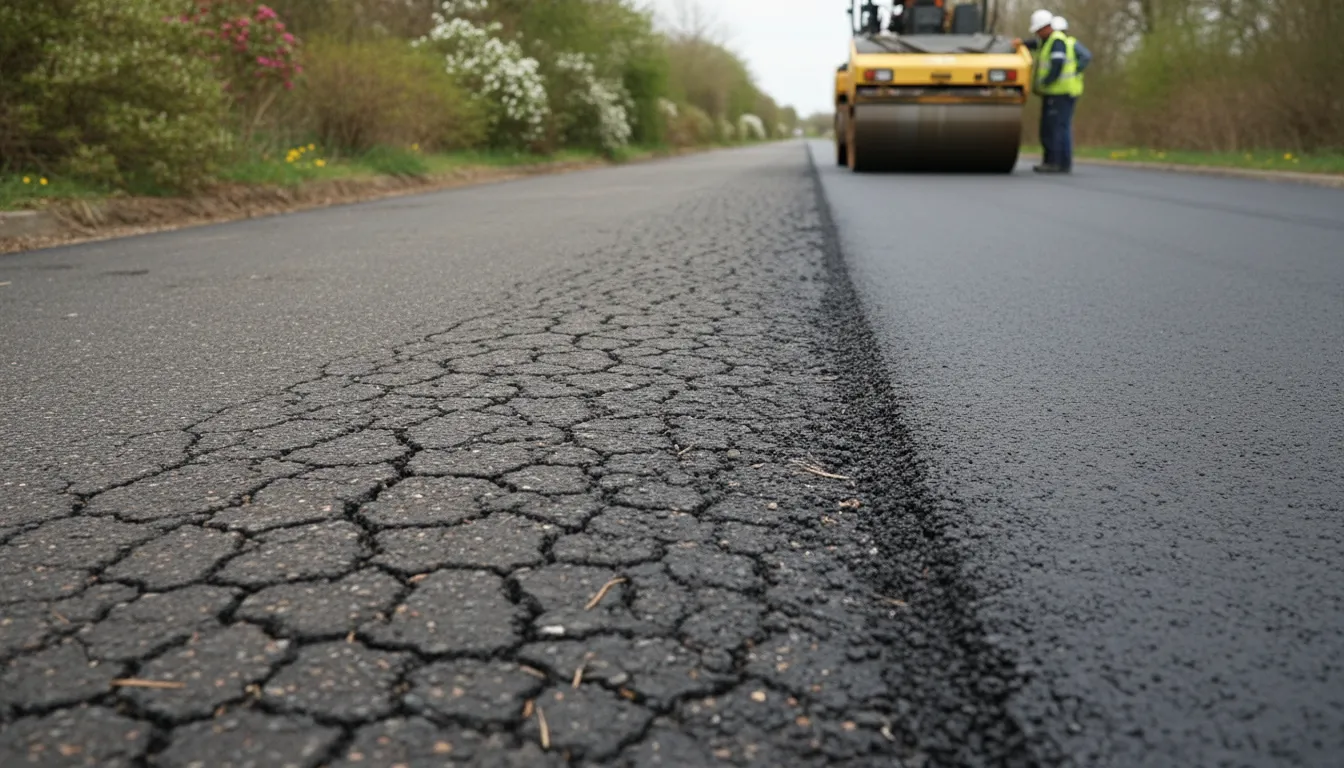
Parking lot resurfacing is a strategic investment that restores a worn asphalt surface, extending its life and improving safety and curb appeal for your commercial property. This process, also known as an overlay, is a cost-effective alternative to full reconstruction for lots that are structurally sound but show surface deterioration like cracks, fading, and minor roughness. For business and property owners in Toms River, understanding the local process, costs, and regulations is key to planning a successful project. This guide provides detailed information to help you evaluate your needs and connect with qualified local paving professionals.
J.D Asphalt Maintenance and Sealcoating
Lakewood, NJ
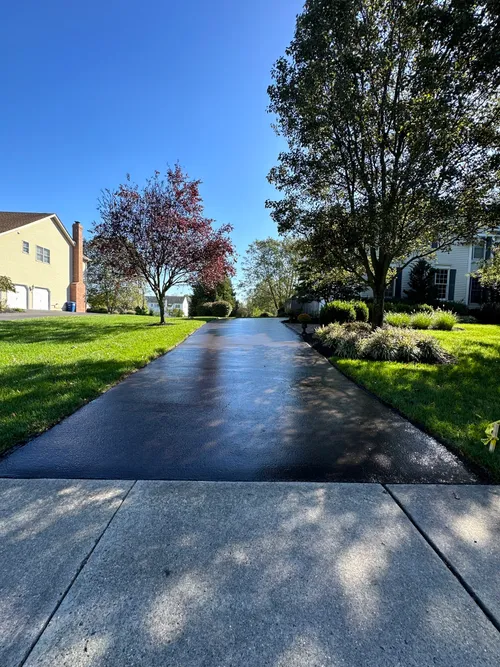
J.D Asphalt Maintenance and Sealcoating is a parking lot sealcoating and paving contractor based in Lakewood, NJ. They provide a range of asphalt services including paving, resurfacing, repairs, and sealcoating. The company uses advanced equipment and quality materials to deliver smooth and durable surfaces, following a process that includes site preparation, grading, and asphalt installation. With years of experience in the asphalt industry, J.D Asphalt Maintenance and Sealcoating is equipped to handle projects of various sizes.
J & S Pave-Rite Paving
4 Cedarwood Ln, Jackson Township, NJ 08527
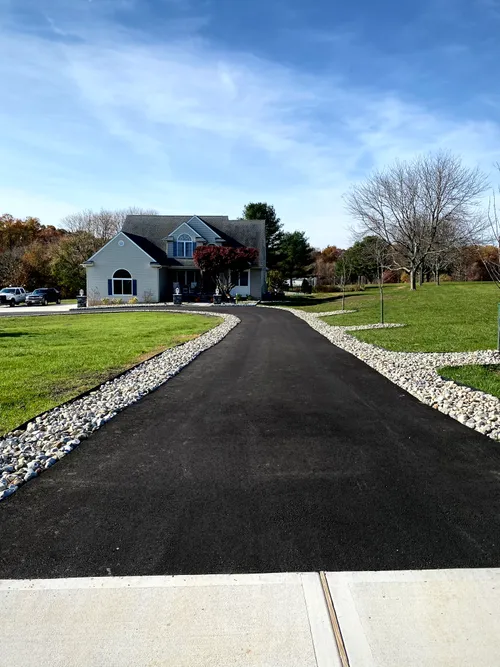
J & S Pave-Rite Paving is a family-owned paving company serving Lakewood, NJ, with over 30 years of experience in commercial, residential, and municipal asphalt paving. They offer a range of services including parking lot paving, seal coating, milling, resurfacing, and concrete work such as sidewalks and curbs. The company is equipped to handle large commercial and municipal projects and has completed work for clients like Wendy's and Gold's Gym in the region. With a history dating back to 1950, J & S Pave-Rite Paving emphasizes quality materials and workmanship to ensure long-lasting results.
Liberty Paving & Concrete
Lakewood, NJ
Liberty Paving & Concrete is a family-owned paving company serving Lakewood, NJ, with over 70 years of experience in commercial, residential, and municipal asphalt paving. They offer a range of services including parking lot paving, seal coating, milling, concrete installation and repair, and overlay strip patching. The company is equipped to handle large projects and has completed work for notable clients such as Wendy's and Gold's Gym. Founded in 1952 by Joseph Stevens, Liberty Paving & Concrete brings three generations of expertise to their projects, ensuring quality workmanship and materials.

Certified Asphalt LLC.
55 Progress Pl #2, Jackson Township, NJ 08527
Certified Asphalt LLC is a parking lot paving and sealcoating company serving Lakewood, NJ. They provide residential and commercial asphalt paving services including milling, grading, paving, seal coating, resurfacing, and repairs. With over 30 years of experience, Certified Asphalt LLC uses state-of-the-art equipment to deliver quality workmanship. Their team focuses on thorough project planning to ensure satisfactory results and offers a one-year warranty on their work.
What is Parking Lot Resurfacing?
Parking lot resurfacing involves installing a new layer of asphalt over an existing pavement. It's not a simple patch job; it's a comprehensive renewal process designed to address surface-level issues and provide a fresh, durable, and smooth driving surface. This method is ideal for lots where the foundational base is still intact but the top layer has succumbed to weathering, oxidation, and daily wear and tear. By choosing an overlay, you can avoid the much higher cost and disruption of a complete tear-out and rebuild, effectively adding 8 to 15 years of service life to your pavement.
The Resurfacing Process: A Step-by-Step Breakdown
A professional parking lot overlay in Toms River follows a meticulous sequence to ensure longevity and compliance. Here's what you can expect from start to finish.
1. Site Inspection & Planning
The first step is a thorough evaluation by a qualified contractor. They will assess the structural integrity of the sub-base, check drainage patterns (often conducting a "wet test" after rain to map areas of standing water), and identify any underlying issues that need correction before new asphalt can be laid. This inspection determines if your lot is a good candidate for resurfacing or requires more extensive repairs.
2. Permitting & Utility Mark-Out
Before any work begins, your contractor should handle securing the necessary Toms River township permits. This typically involves submitting a Zoning Permit Application with a plot plan showing structures, lot lines, and impervious coverage-a process that can take up to 20 days for review. They will also contact NJ One Call to have all underground utilities marked, a critical safety and legal step.
3. Milling & Surface Preparation
If necessary, the existing asphalt surface is milled, meaning 1 to 3 inches of the old material is removed. This is crucial for maintaining proper grade and drainage, preventing new high points, and ensuring a consistent curb reveal (typically 6 inches in Toms River). The surface is then thoroughly cleaned with air blowers to remove all debris, dust, and moisture.
4. Repairs & Crack Sealing
Any remaining potholes or distressed areas are repaired. Cracks are cleaned and filled with a hot-applied rubberized sealant to prevent water infiltration that could undermine the new overlay 1.
5. Tack Coat & Asphalt Installation
A thin, adhesive tack coat is applied to the prepared surface. This ensures a strong bond between the old pavement and the new asphalt. The new asphalt mix, typically meeting NJDOT I-5 surface course specifications, is then laid in a consistent layer, usually 1.5 to 2 inches thick 2.
6. Compaction & Final Roll-Out
While the asphalt is still hot, heavy rollers (3 to 10 tons) compact the material. Proper compaction is essential for density and durability, eliminating air pockets and creating a smooth, unified surface 3.
7. Striping & Marking
Once the new asphalt has cured, fresh pavement markings are applied. In Toms River, striping must meet local codes, including specific driveway width requirements (a maximum of 36 feet at the curb for commercial properties) and strict ADA compliance for accessible spaces, ensuring 75% visibility of markings 4 5.
Find the perfect parking lot resurfacing contractors for your needs
Get personalized recommendations and expert advice
Toms River Regulations and Compliance
Navigating local codes is a non-negotiable part of any paving project. Key regulations for Toms River include:
- Zoning Permits: A formal application with a detailed plot plan is mandatory for most commercial work.
- Impervious Coverage: The township limits the amount of non-absorbent surface on a lot. Maximum impervious coverage is generally two times the permitted building coverage and often cannot exceed 90% of the lot 6. A resurfacing project does not usually change this footprint, but it's a vital check.
- Drainage Standards: All work must comply with land use and development regulations to ensure proper water runoff and prevent pooling 7 8.
- Commercial Driveways: Driveway accesses must be a minimum of 30 feet apart and a maximum of 36 feet wide at the curb line.
- ADA Compliance: Re-striping must include clearly marked, van-accessible spaces with proper signage and aisle dimensions as per federal and state law 9.
Cost Factors for Resurfacing in Toms River
The cost of parking lot resurfacing in Toms River is typically quoted per square foot, with the total price depending on the project's scale, condition, and specific requirements.
- Price Range: A standard overlay typically costs between $2.00 and $4.00 per square foot 10. This range can vary based on the extent of milling, repairs needed, and current material costs.
- Small Lot Example: For a lot with approximately 50 spaces (about 15,000 sq ft), milling and resurfacing may range from $30,000 to $60,000 or more 11.
- Large Lot Example: For a major lot with 500+ spaces (approx. 150,000 sq ft), costs can range from $187,500 to $375,000+, especially if extensive milling and base repairs are required 12.
- Additional Costs: Remember to budget for permit fees (which can range from $200 to $1,000), any major patching outside the standard scope, and optional follow-up services like sealcoating 13 14.
Optimal Timing and Project Candidacy
Weather plays a decisive role in asphalt quality. Paving should only occur when temperatures are consistently above 50°F to allow for proper compaction 15. The surface and ground must also be dry; contractors often recommend a 24-hour wait after significant rain 15. Therefore, the optimal paving season in Toms River runs from late spring through early fall, with early fall and late spring being particularly ideal.
Your parking lot is likely a good candidate for resurfacing if it is under 20 years old and has less than 30% surface failure (alligator cracking, raveling). The process is designed for lots where the underlying base is still solid 16 17.
Frequently asked questions
Sources
Footnotes
-
New Jersey Commercial Asphalt Parking Lot Paving Specialists - https://www.fixasphalt.com/new-jersey-asphalt-paving ↩
-
Expert Parking Lot Paving NJ | NVN Commercial Pavers - https://www.nvnpaving.com/parking-lot-paving-services-nj/ ↩
-
NJ Commercial Parking Lot Paving Costs Monmouth County, NJ - https://www.fixasphalt.com/blog/nj-commercial-parking-lot-paving-0 ↩
-
Understanding New Jersey Parking Lot Striping Regulations - https://randysealcoatingandstriping.com/blog/nj-parking-lot-striping-regulations-2025 ↩
-
Driveway Accesses and Curbs for Commercial Properties - eCode360 - https://ecode360.com/11762632 ↩
-
schedule of minimum zoning requirements - township of toms ... - https://www.tomsrivertownship.com/DocumentCenter/View/174/Schedule-of-Minimum-Zoning-Requirements-PDF ↩
-
Navigating Local Permits and Regulations for Paving Projects - https://www.crosscountrypaving.com/blog/navigating-local-permits-and-regulations-for-paving-projects ↩
-
Understanding Paving Permits and Regulations in New Jersey - https://www.affordablegnicholspaving.com/detailsblog/understandingpavingpermitsandregulationsinnewjersey ↩
-
NJ Parking Lot Striping Regulations 2025 | Compliance Guide - https://randysealcoatingandstriping.com/learning-center/nj-parking-lot-striping-regulations-2025 ↩
-
How Much Does It Cost to Pave a Parking Lot in NJ? (2025 ... - https://www.fixasphalt.com/blog/how-much-does-it-cost-to-pave-a-parking-lot-in-nj-2025-guide ↩
-
Parking Lot Resurfacing: Complete Cost Guide & Process [2025] - https://www.candcsuperseal.com/parking-lot-resurfacing-complete-cost-guide-process-2025/ ↩
-
How Much Does It Cost to Pave a Parking Lot in NJ? (2025 Guide) - https://www.fixasphalt.com/blog/how-much-does-it-cost-to-pave-a-parking-lot-in-nj-2025-guide ↩
-
Understanding New Jersey Parking Lot Striping Regulations - https://randysealcoatingandstriping.com/blog/nj-parking-lot-striping-regulations-2025 ↩
-
What's The Average Cost To Pave A Parking Lot In South Jersey? - https://www.fixasphalt.com/blog/cost-to-pave-parking-lot ↩
-
How Long Does It Take to Pave a Parking Lot: Timeline Guide - https://greenfieldpavement.com/how-long-does-it-take-to-pave-a-parking-lot/ ↩ ↩2
-
Parking Lot Resurfacing: Complete Cost Guide & Process [2025] - https://www.candcsuperseal.com/parking-lot-resurfacing-complete-cost-guide-process-2025/ ↩
-
Our New Jersey Parking Lot Paving Process - Fix Asphalt - https://www.fixasphalt.com/blog/the-asphalt-paving-process-0-0 ↩