Find the Best Parking Lot Resurfacing Contractors for Your Business
No obligation • Fast responses • Nationwide coverage
Why you can trust Tidy Parking
Tidy Parking is a leading U.S. source for parking lot maintenance services, including striping, sealcoating, sweeping, paving, resurfacing, and repairs. Our content is created independently, and providers cannot pay to influence ratings or recommendations.
Search providers near you
Top Parking Lot Resurfacing Contractors in New Brunswick, New Jersey Ranked
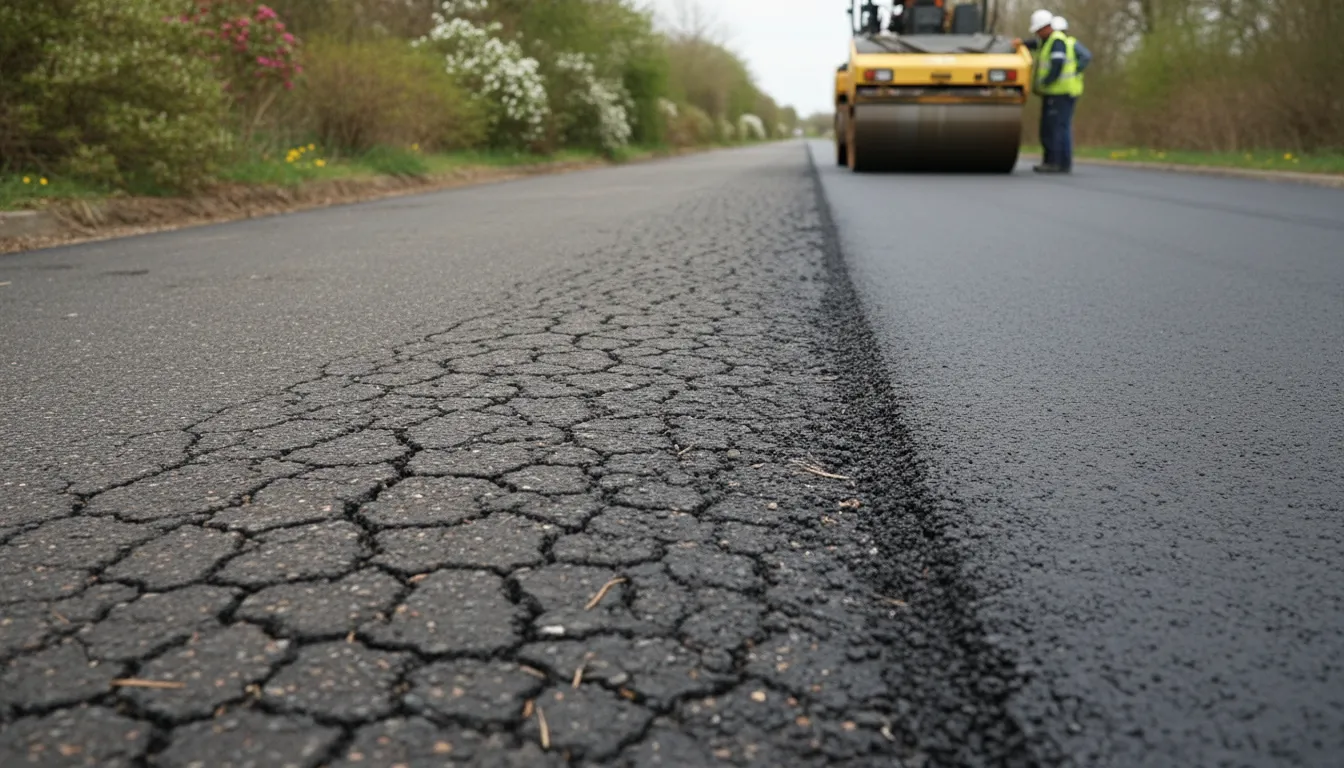
Parking lot resurfacing is a cost-effective pavement restoration method that involves installing a new layer of asphalt over an existing, structurally sound base. For property owners and managers in New Brunswick, this process is crucial for maintaining a safe, functional, and professional appearance while extending the life of your pavement investment. This guide explains the local process, costs, regulations, and key considerations to help you plan your project and connect with qualified professionals in the area.
Stone Master Paving & Construction Corp.
914 Hermann Rd, North Brunswick Township, NJ 08902
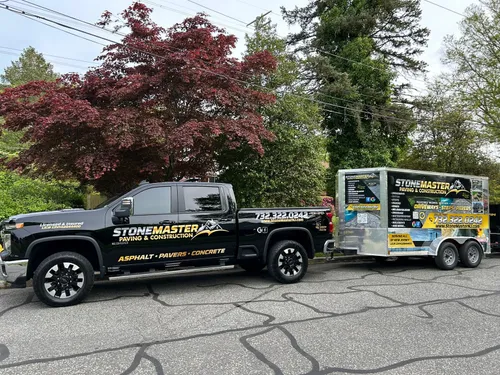
Stone Master Paving & Construction Corp. is a licensed and insured paving and masonry company serving Edison, NJ. They offer a range of services including driveway paving, parking lot repair, resurfacing, and paver installation. The company has over 35 years of industry experience and provides skilled masonry work such as patios, walkways, and retaining walls. Their team uses quality materials and up-to-date techniques to ensure durable results.
Ascot Driveways and Patios
55 Madison Ave suite 400 #4342, Morristown, NJ 07960
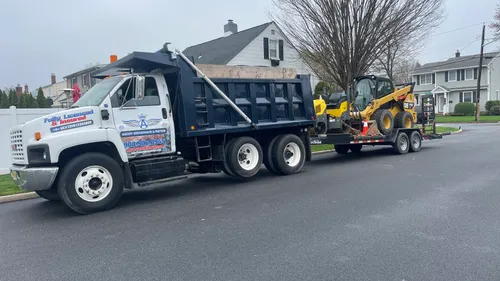
Ascot Driveways and Patios is a paving and masonry contractor serving New York, NY, and the surrounding Morris County area. They specialize in asphalt and concrete driveway installation, sealcoating, repairs, masonry wall building, patio construction, and landscaping hardscaping services. The company is experienced in restoring asphalt driveways with high-strength seal coating and offers a wide range of driveway and patio solutions tailored to customer needs. Ascot Driveways and Patios is a family-operated business known for its skilled craftsmanship and attention to detail, with a history of satisfied clients and completed projects in the region.
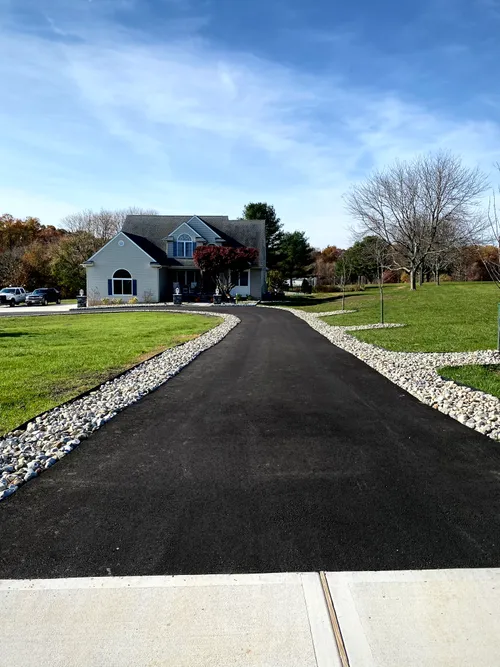
J & S Pave-Rite Paving
4 Cedarwood Ln, Jackson Township, NJ 08527
J & S Pave-Rite Paving is a family-owned paving company serving Lakewood, NJ, with over 30 years of experience in commercial, residential, and municipal asphalt paving. They offer a range of services including parking lot paving, seal coating, milling, resurfacing, and concrete work such as sidewalks and curbs. The company is equipped to handle large commercial and municipal projects and has completed work for clients like Wendy's and Gold's Gym in the region. With a history dating back to 1950, J & S Pave-Rite Paving emphasizes quality materials and workmanship to ensure long-lasting results.
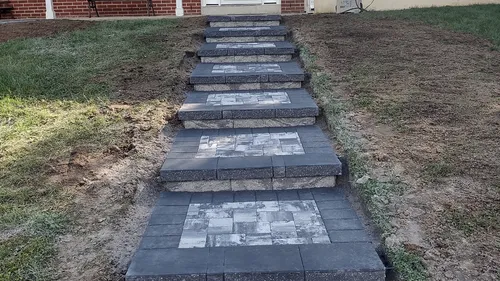
Marshalls Paving and Masonry
County Rd 516, Old Bridge, NJ 08857
Marshalls Paving and Masonry is a parking lot sealcoating, paving, resurfacing, and repair company serving New York, NY. They specialize in driveway and walkway paving, including complete dig outs and sealcoating, with a focus on traditional, hands-on methods. Customers have praised their thorough approach to removing old pavement and landscaping before paving. The business is known for its careful workmanship and customer care.
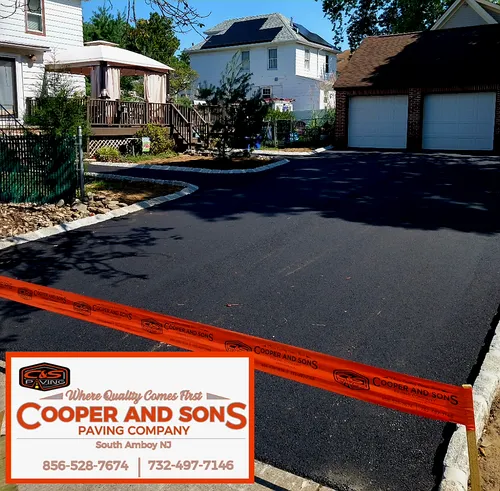
Cooper And Sons Paving
3010 Bordentown Ave, Parlin, NJ 08859
Cooper And Sons Paving is a family-owned asphalt paving contractor serving New York, NY, and surrounding areas. With over 50 years of experience, they provide a full range of residential and commercial paving services including parking lot paving, striping, sealcoating, resurfacing, and repair. Their expertise covers driveway paving, patching, crack filling, and installation of Belgian blocks and bumper posts. The company operates primarily in central New Jersey counties but extends services to nearby locations. Cooper And Sons uses quality materials and equipment to ensure durable pavement solutions tailored to each project.
What is Parking Lot Resurfacing?
Often called an asphalt overlay, parking lot resurfacing is a major maintenance procedure designed to restore a worn pavement surface. It is not a simple patch job. The process involves milling away the top 1.5 to 3 inches of deteriorated asphalt, repairing any underlying base issues, and then laying a fresh, hot-mix asphalt overlay. This solution is ideal for parking lots that are generally in good structural condition-typically under 20 years old-but suffer from surface-level problems like widespread cracking, fading, and minor irregularities. When executed correctly, a resurfacing project can add 10 to 15 years of functional life to your pavement.
Choosing resurfacing over a complete reconstruction offers significant advantages. It is far less disruptive, as the existing base is reused. It's also more cost-efficient, saving an estimated 40-60% compared to full removal and reconstruction 1. For a commercial property in New Brunswick, this means a renewed lot with minimal downtime.
The Resurfacing Process in New Brunswick
A professional asphalt overlay follows a meticulous, multi-step sequence to ensure a durable, long-lasting result that complies with New Jersey standards.
1. Site Inspection & Permitting The process begins with a thorough assessment by your contractor. They will evaluate the condition of the existing asphalt, check for proper drainage, and test the stability of the sub-base. In New Brunswick, most paving projects require municipal permits for both the resurfacing and the subsequent re-striping. Permit costs can range from $200 to $1,000, depending on the scope of work 2. Your contractor should also coordinate with NJ One Call (811) to have all underground utilities marked before any excavation begins 3.
2. Preparation & Milling The existing surface is cleaned of debris and oil stains. Next, a milling machine grinds off the top layer of old asphalt. This step is critical for creating a clean, level surface for the new overlay and for maintaining proper drainage, especially if the curb reveal is less than 6 inches 4. Milling typically costs between $0.25 and $0.60 per square foot.
3. Base Repairs After milling, the underlying base is fully exposed. Any structural failures like alligator cracks, potholes, or areas of base settlement are now visible. These areas are cut out, the base is re-compacted or replaced, and fresh asphalt is used to patch them level with the milled surface. Addressing these issues before the overlay is essential to prevent premature failure of the new surface.
4. Tack Coat & Paving A thin layer of emulsified asphalt, called a tack coat, is sprayed onto the prepared surface. This sticky layer ensures a strong, permanent bond between the old pavement and the new overlay. Immediately afterward, hot-mix asphalt (often meeting NJDOT I-5 specifications) is delivered and spread using a mechanical paver to achieve a uniform thickness.
5. Compaction & Finishing While the asphalt is still hot, heavy vibratory rollers (typically 3-10 tons) compact the material. Proper compaction to the specified density-usually for a final thickness of 1.5 to 2 inches-is what gives the new surface its strength and resistance to rutting 5. Once cooled, the area is cleaned.
6. Final Striping & Compliance The final step is re-applying pavement markings. New Jersey has specific regulations for striping, including requirements for 4-inch wide lines, standard space dimensions (typically 9' x 18'), and minimum aisle widths (24' for 90-degree parking) 6. A small lot with around 50 spaces may cost $1,500 to $3,000 for professional striping 7. Landscaping buffers, often a minimum of 2 feet between pavement and buildings, must also be restored if disturbed 8.
Find the perfect parking lot resurfacing contractors for your needs
Get personalized recommendations and expert advice
Understanding Costs for New Brunswick Projects
The cost of parking lot resurfacing is primarily calculated per square foot, but the total project price is driven by the lot's size and specific conditions. In the New Brunswick area, the price for the resurfacing overlay itself generally falls between $1.00 and $3.00 per square foot 9. This wide range accounts for variables like the amount of preparatory work needed, local asphalt material prices, and drainage requirements.
To help with budgeting, here are estimated total cost ranges for different lot sizes, based on 2025/2026 pricing guides 10:
- Small Lot (10-15 cars, 4,000 - 7,000 sq ft): $10,000 - $50,000
- Medium Lot (30-50 cars, 10,000 - 20,000 sq ft): $20,000 - $140,000
- Large Lot (100+ cars, 35,000+ sq ft): $70,000 - $400,000+
Remember, these are total project estimates. Your final quote will include the base resurfacing cost plus line items for milling, any significant base repairs, new striping, permit fees, and any necessary drainage improvements.
New Jersey Regulations and Standards
Compliance with state and local codes is non-negotiable. New Jersey Administrative Code § 19:66-7.2 sets the foundation for parking lot design, requiring that lots be paved with an all-weather, dustless material like asphalt or concrete. Key regulations impacting your New Brunswick resurfacing project include:
- Drainage: The site must have positive drainage away from buildings. The milling step is often mandated to ensure water flows correctly to drains and curbs.
- Dimensional Standards: Space and aisle dimensions must meet code to ensure safety and accessibility.
- Permitting: Always verify with New Brunswick's building department what permits are required. Unpermitted work can lead to fines and complications during a property sale.
Timing, Seasonality, and Project Lifespan
When to Schedule Work: The optimal paving season in New Jersey runs from late spring through early fall. Asphalt requires ambient and ground temperatures above 50°F for proper compaction and bonding. Work cannot be performed during rain, as moisture prevents proper adhesion.
Project Duration: For a small to medium-sized parking lot, the active construction phase for resurfacing typically takes 1 to 3 days. The lot can often handle light traffic within 24 hours after compaction is complete, though it's best to keep heavy vehicles off for a few days while the asphalt fully cures.
Expected Lifespan: A professionally executed asphalt overlay on a sound base can extend your pavement's life by 8 to 15 years. This lifespan is maximized when paired with a regular maintenance plan including sealcoating and crack filling.
Frequently asked questions
Sources
Footnotes
-
Commercial Parking Lot Paving Costs and Timelines - https://www.kandlindustries.com/commercial-parking-lot-paving-costs/ ↩
-
Our New Jersey Parking Lot Paving Process - Fix Asphalt - https://www.fixasphalt.com/blog/the-asphalt-paving-process-0-0 ↩
-
Parking Lot Resurfacing: Complete Cost Guide & Process [2025] - https://www.candcsuperseal.com/parking-lot-resurfacing-complete-cost-guide-process-2025/ ↩
-
N.J. Admin. Code § 19:66-7.2 - Parking lot design standards - LII - https://www.law.cornell.edu/regulations/new-jersey/N-J-Admin-Code-SS-19-66-7.2 ↩
-
Our New Jersey Parking Lot Paving Process - Fix Asphalt - https://www.fixasphalt.com/blog/the-asphalt-paving-process-0-0 ↩
-
Understanding New Jersey Parking Lot Striping Regulations: A 2025 ... - https://randysealcoatingandstriping.com/blog/nj-parking-lot-striping-regulations-2025 ↩
-
Understanding New Jersey Parking Lot Striping Regulations - https://randysealcoatingandstriping.com/blog/nj-parking-lot-striping-regulations-2025 ↩
-
Appendix D: Resolution of Approval for Block 87, Lot 10.07 - https://www.eastbrunswick.org/DocumentCenter/View/10066 ↩
-
Parking Lot Resurfacing: Complete Cost Guide & Process [2025] - https://www.candcsuperseal.com/parking-lot-resurfacing-complete-cost-guide-process-2025/ ↩
-
How Much Does It Cost to Pave a Parking Lot in NJ? (2025 ... - https://www.fixasphalt.com/blog/how-much-does-it-cost-to-pave-a-parking-lot-in-nj-2025-guide ↩