Find the Best Parking Lot Resurfacing Contractors for Your Business
No obligation • Fast responses • Nationwide coverage
Why you can trust Tidy Parking
Tidy Parking is a leading U.S. source for parking lot maintenance services, including striping, sealcoating, sweeping, paving, resurfacing, and repairs. Our content is created independently, and providers cannot pay to influence ratings or recommendations.
Search providers near you
Top Parking Lot Resurfacing Contractors in Meridian, Michigan Ranked
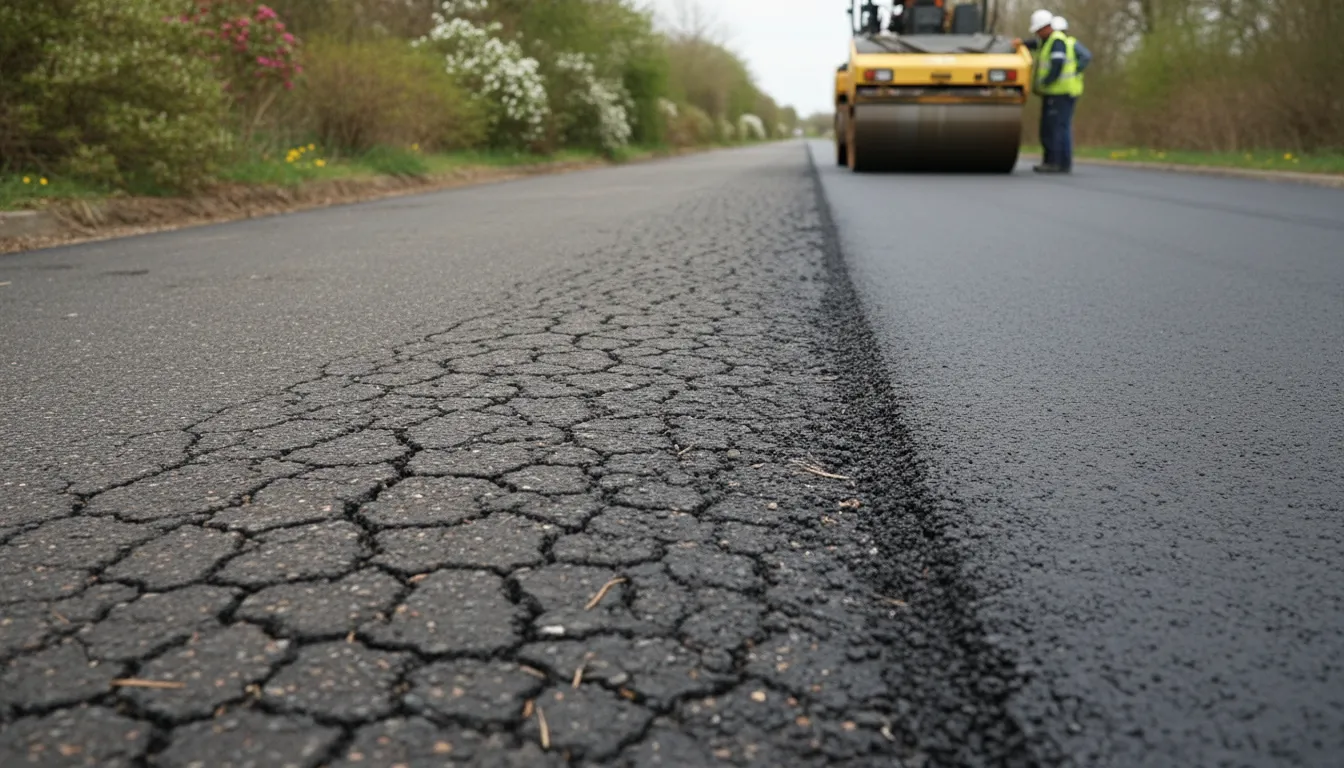
Parking lot resurfacing is a critical maintenance process that restores a worn asphalt surface, extending its life and improving safety and appearance. In Michigan, this work is especially important due to the state's harsh climate, which can rapidly deteriorate pavement. This guide explains the unique considerations for Michigan projects, from material selection and seasonal timing to cost factors and maintenance cycles, helping property owners and managers make informed decisions for their commercial or residential lots.
Mr Asphalt Services
1560 Cedar St Suite 1, Holt, MI 48842
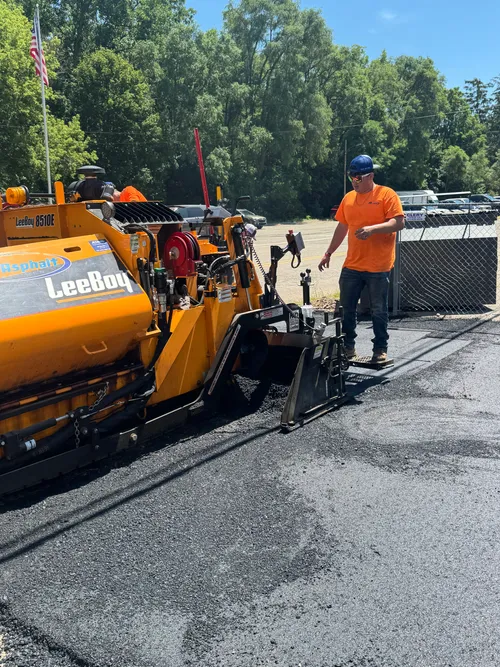
Mr Asphalt Services is an asphalt paving company based in Lansing, MI, serving Mid-Michigan including Holt, Jackson, Mason, and surrounding areas. They provide commercial and residential asphalt paving, resurfacing, repairs, and maintenance designed to withstand Michigan's extreme weather conditions. Their capabilities include crack sealing, pothole repair, and sealcoating to extend pavement life. With over 20 years of experience, formerly operating as Mr. Winter Snow Services, they bring extensive expertise to asphalt paving and maintenance. The company also offers 24/7 emergency repair services for urgent asphalt issues.
Rragami Sealcoating
Sterling Heights, MI
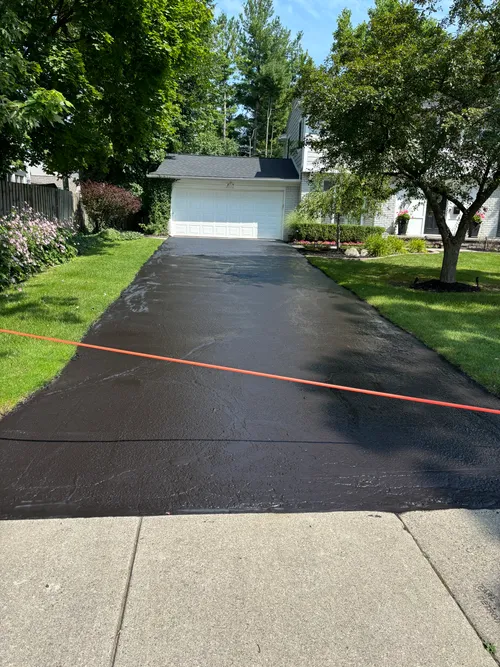
Rragami Sealcoating is a family-owned and operated asphalt repair and sealcoating company based in Sterling Heights, MI. Serving Southeast Michigan and Metro Detroit since 2001, they provide a wide range of services including driveway paving, parking lot resurfacing, sealcoating, crack filling, striping, overlays, patching, and repair. Their expertise covers both residential and commercial projects, from minor repairs to large-scale asphalt replacements. They offer a two-year guarantee on all asphalt work and are licensed and insured, ensuring durable and professional results for high-traffic surfaces.
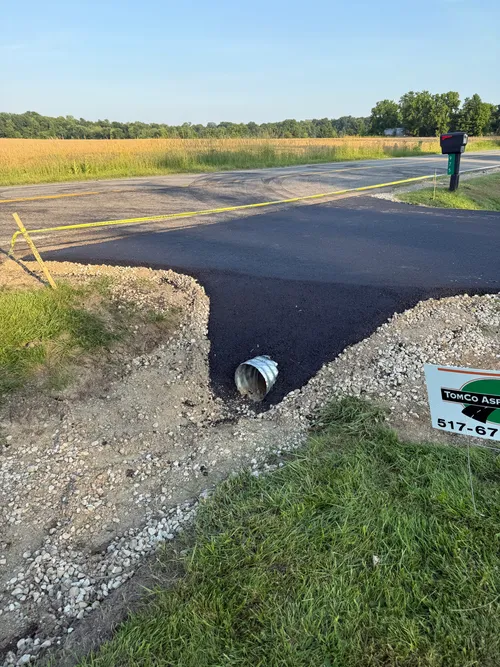
TomCo Asphalt, INC.
3694 W Columbia Rd, Mason, MI 48854
TomCo Asphalt, INC. is a parking lot sealcoating, paving, resurfacing, and repair company based in Lansing, MI. They provide commercial paving services including milling, pulverizing, crack filling, and seal coating. The company offers comprehensive asphalt maintenance and repair solutions to help extend the life of parking lots and commercial surfaces.
Why Michigan's Climate Demands Specialized Resurfacing
Michigan's weather presents one of the most significant challenges to asphalt longevity in the continental United States. The primary culprit is the freeze-thaw cycle. Water seeps into tiny cracks in the asphalt. When temperatures drop, this water freezes and expands, widening the cracks and pushing the pavement upward. When it thaws, the pavement contracts, leaving voids. This relentless expansion and contraction, repeated dozens of times each winter, leads to cracking, potholes, and base failure if not properly addressed.
A successful resurfacing project in Michigan must account for this by using durable, flexible asphalt mixes and ensuring excellent drainage to move water away from the pavement structure. Work is also highly seasonal; asphalt installation and resurfacing should generally be avoided when temperatures are consistently below 50°F and during rainy periods to ensure proper compaction and adhesion, preventing premature failure.
Resurfacing vs. Repaving: Knowing the Difference
Understanding the distinction between resurfacing and full-depth repaving is crucial for budgeting and planning.
- Resurfacing (Overlay): This is the process of applying a new layer of asphalt over an existing, structurally sound base. Often, the top 1.5-2 inches of the old, damaged asphalt is first milled (ground) off. Resurfacing is a cost-effective solution for lots with surface-level issues like fading, minor cracking, and weathering, but where the foundational base is still intact1.
- Full-Depth Repaving (Reconstruction): This is a complete rebuild. It involves removing all layers of asphalt and often the stone base beneath, then rebuilding from the ground up. This is necessary when the subbase has failed, evidenced by widespread, deep cracks, alligator cracking, or severe rutting.
Choosing the right approach requires a professional assessment. Resurfacing a lot with a compromised base is a temporary fix that will lead to quick failure of the new surface.
Asphalt Mix Types for Michigan Parking Lots
The choice of asphalt mix is a key technical decision that impacts durability, cost, and project timing.
- Hot Mix Asphalt (HMA): The standard for high-traffic commercial lots in Michigan. Produced and laid at high temperatures (300°F+), HMA offers superior density, strength, and resistance to rutting, making it ideal for withstanding heavy vehicles and harsh winters. A typical thickness for a commercial parking lot resurface is 3-4 inches2.
- Warm Mix Asphalt (WMA): Produced at lower temperatures (200-250°F). It's easier to work with in cooler shoulder seasons, may have a lower environmental impact, and can improve compaction in certain conditions3.
- Porous Asphalt: An excellent option for managing stormwater. It allows water to drain through the pavement into a stone recharge bed below, reducing runoff and minimizing the harmful effects of freeze-thaw cycles by preventing water from sitting on or in the surface layer.
- Recycled Asphalt Pavement (RAP): Incorporates milled material from the old pavement into the new mix. This is a sustainable and often budget-friendly option, and modern plants can produce high-quality mixes with significant RAP content without sacrificing performance.
The Critical Role of Drainage and Slope
Proper drainage is not an optional extra in Michigan; it is a fundamental requirement for pavement survival. Standing water will inevitably seep into cracks and the subbase, leading to frost heave and potholes during winter. During resurfacing, correcting drainage issues is paramount.
Michigan paving standards typically call for a minimum slope of 1.0% to 2.0% to ensure water runs off into catch basins, ditches, or landscaped areas4. A professional contractor will evaluate the existing grade (the slope of the land) during the assessment. Resurfacing provides an opportunity to correct low spots or "bird baths" where water pools by adjusting the new asphalt layer's thickness to improve the flow.
Understanding Costs for Michigan Resurfacing Projects
Parking lot resurfacing costs in Michigan are typically quoted per square foot. The final price depends on the lot's size, condition, accessibility, the chosen materials, and the scope of preparatory work needed (like extensive milling or drainage correction).
- Resurfacing: For a standard commercial project involving milling and a new HMA overlay, property owners can expect costs in the range of $0.90 to $2.00 per square foot5 6.
- Sealcoating (Maintenance): A protective coating applied after resurfacing and every 2-3 years, with costs ranging from $0.14 to $0.30 per square foot.
- Full Repaving: When the base has failed, costs for complete reconstruction are significantly higher, generally ranging from $4.00 to $10.00 per square foot depending on depth and site complications7.
Find the perfect parking lot resurfacing contractors for your needs
Get personalized recommendations and expert advice
The Resurfacing Process: Step-by-Step
A professional resurfacing project follows a systematic approach:
- Professional Assessment & Quote: A reputable contractor will inspect the lot, evaluate the base's health, check drainage, and identify any underlying issues. They will then provide a detailed quote outlining the recommended solution, materials, and cost.
- Planning & Permitting: The project is scheduled, typically for warmer, drier months. Any necessary local permits are secured.
- Preparation: This includes milling off the old surface, repairing any localized base failures, and cleaning the area thoroughly. All drainage structures are protected or adjusted.
- Tack Coat Application: A thin layer of liquid asphalt is applied to the prepared base. This acts as a glue, ensuring a strong bond between the old and new layers.
- Asphalt Placement & Compaction: The new hot mix asphalt is delivered, placed with a paver, and immediately compacted with heavy rollers. Proper compaction is critical for density and longevity.
- Cooling & Striping: The new asphalt must cool and harden, usually for at least 24-48 hours, before new pavement markings and striping can be applied.
- Sealcoating (Recommended): After the new asphalt has fully cured (typically 30-90 days), a protective sealcoat should be applied to shield it from fuel, oil, water, and UV rays.
Maintaining Your Newly Resurfaced Lot
Investing in resurfacing protects your property value. Protect that investment with a proactive maintenance plan:
- Annual Inspections: Walk the lot each spring and fall. Look for new cracks, drainage issues, or signs of wear.
- Prompt Crack Sealing: Fill small cracks immediately with a rubberized sealant. This is the single most cost-effective maintenance task, preventing water intrusion.
- Regular Sealcoating: Apply a fresh sealcoat every 2 to 3 years. This renews the surface's protective layer and keeps it looking dark and new.
- Keep it Clean: Regularly sweep the lot and ensure catch basins are clear of debris to maintain proper drainage.
- Plan for the Future: With proper maintenance, a quality resurface can last 8 to 12 years8. Budgeting for the next resurfacing cycle is a smart long-term strategy.
Choosing a Qualified Michigan Contractor
Selecting the right partner is essential. Look for a contractor with:
- Extensive experience with commercial parking lots in Michigan.
- Proper licensing and insurance.
- Strong local references and a portfolio of completed projects.
- Clear, detailed written estimates and warranties.
- Knowledge of local municipal codes and drainage requirements.
- The ability to explain the "why" behind their recommendations for your specific lot.
Frequently asked questions
Sources
Footnotes
-
Costs and Differences of Asphalt Parking Lot Resealing ... - https://www.andersonandsonsasphalt.com/costs-and-differences-of-asphalt-parking-lot-resealing-resurfacing-and-repaving/ ↩
-
The Essential Guide To Asphalt Thickness For Parking Lots - https://www.royalpavementsolutions.com/the-essential-guide-to-asphalt-thickness-for-parking-lots/ ↩
-
Common Asphalt Paving Methods Explained for Michigan Projects - https://www.michiganpaving.com/blog/asphalt-paving-methods/ ↩
-
Design and Construction Standards for Parking Lot and Driveway ... - https://ecode360.com/8497291 ↩
-
Asphalt Paving Tips & Installation Guide for Michigan's Climate - https://www.anthonysasphalt.com/asphalt-paving-tips-and-installation-guide-michigan/ ↩
-
Parking Lot Resurfacing: Complete Cost Guide & Process [2025] - https://www.candcsuperseal.com/parking-lot-resurfacing-complete-cost-guide-process-2025/ ↩
-
A Breakdown of Parking Lot Maintenance Costs - TRUEGRID Pavers - https://www.truegridpaver.com/parking-lot-maintenance-costs/ ↩
-
The Homeowner and Property Manager's Guide to Asphalt ... - https://www.anthonysasphalt.com/the-homeowner-and-property-managers-guide-to-asphalt-maintenance-in-michigan/ ↩