Find the Best Parking Lot Resurfacing Contractors for Your Business
No obligation • Fast responses • Nationwide coverage
Why you can trust Tidy Parking
Tidy Parking is a leading U.S. source for parking lot maintenance services, including striping, sealcoating, sweeping, paving, resurfacing, and repairs. Our content is created independently, and providers cannot pay to influence ratings or recommendations.
Search providers near you
Top Parking Lot Resurfacing Contractors in Weymouth, Massachusetts Ranked
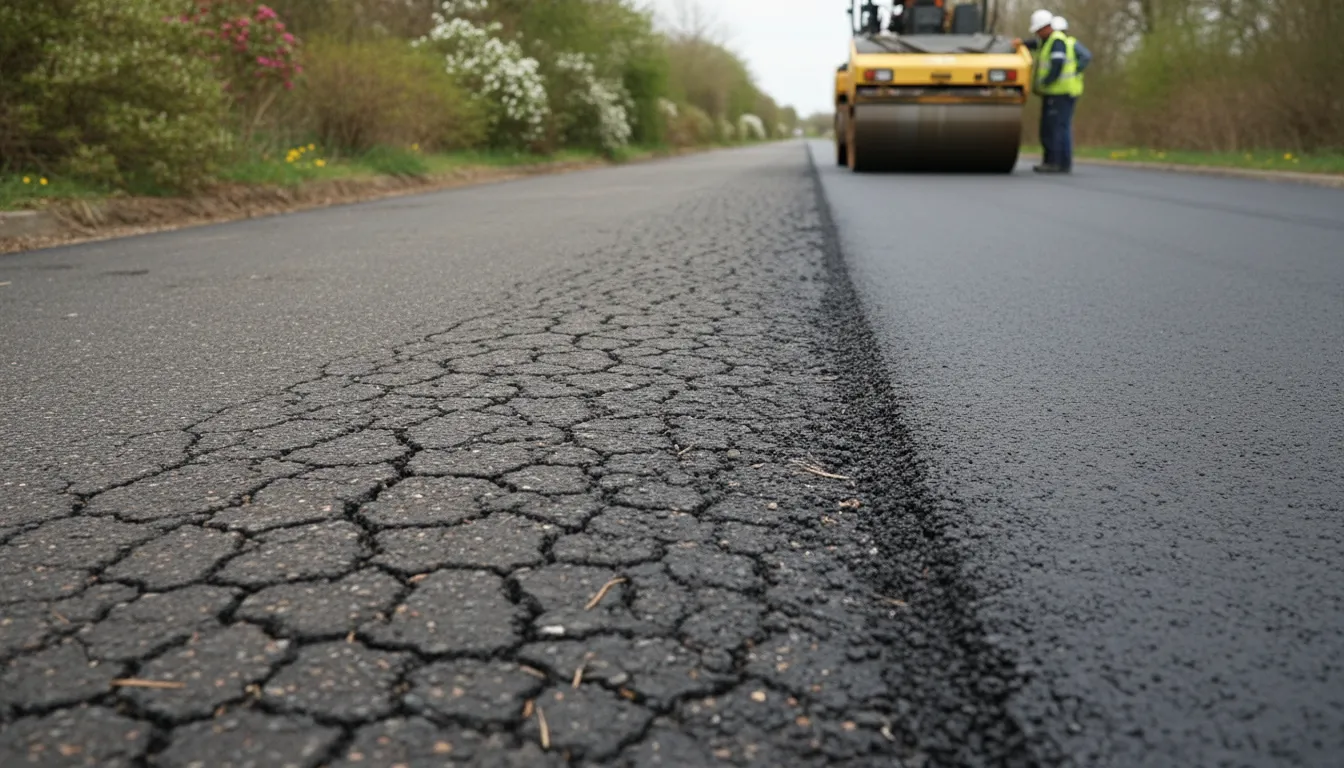
Parking lot resurfacing is a crucial maintenance process that restores a worn, cracked, or faded asphalt surface by applying a new layer of asphalt over a structurally sound base. For property owners and managers in Weymouth, this work is essential for safety, curb appeal, and protecting the underlying pavement investment from New England's harsh weather. This guide explains the local process, costs, regulations, and key considerations to help you plan a successful asphalt overlay project and connect with qualified local professionals.
Pave Tech LLC
27 Wendell Rd, Newton, MA 02459
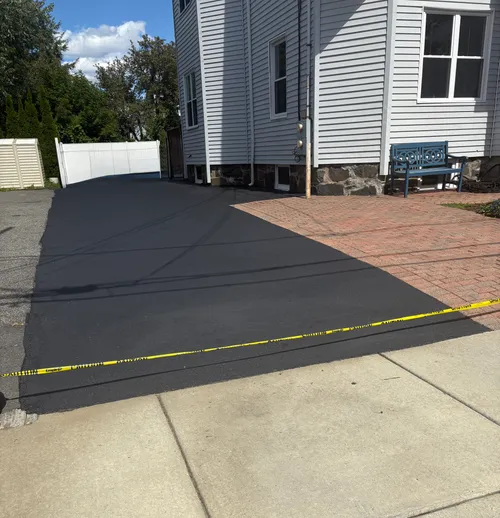
Pave Tech LLC is a licensed and insured paving contractor serving Boston, MA, and the Greater Boston area. With 30 years of experience in commercial and residential paving, hardscaping, and masonry, they offer services including driveway and parking lot paving, asphalt milling, demolition, excavation, drainage systems, and snow removal. They focus on quality asphalt materials and thorough ground preparation to prevent drainage issues and ensure durability. Their team provides detailed project timelines and ongoing maintenance checklists to support long-term property care.
M.Bannon Corp
39 Millstone Rd #2, Boston, MA 02136
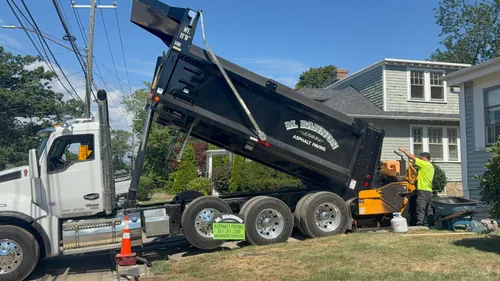
M.Bannon Corp is a paving contractor based in Boston, MA, specializing in driveway paving, parking lot resurfacing, and repairs. They also offer hardscaping services such as patios, walkways, and retaining walls, along with drainage solutions including drywells and trench drains. The company serves residential and commercial clients throughout the Greater Boston area. Known for using quality materials and advanced techniques, M.Bannon Corp focuses on durable results and customer collaboration to meet project needs and timelines.

Fortune Asphalt Taunton
5 Parkin Ave, Taunton, MA 02780
Fortune Asphalt Taunton provides a range of asphalt services including paving, patching, striping, sealcoating, and driveway installation in Providence, RI. The company focuses on durable and visually appealing asphalt surfaces tailored to client needs, using high-quality materials and eco-friendly methods. They specialize in asphalt paving and maintenance, ensuring smooth and safe parking lots and driveways. Fortune Asphalt Taunton is locally owned with extensive experience and a proven track record in the region.
Commonwealth Masonry and Paving
Lowell, MA
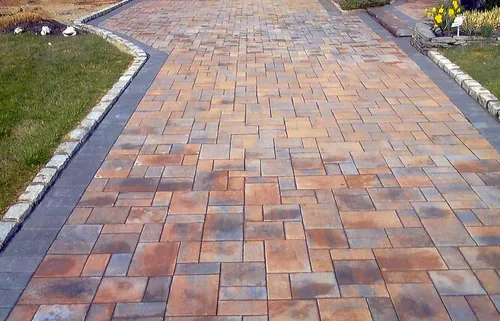
Commonwealth Masonry and Paving is a third-generation masonry and paving contractor serving Lowell, MA, and the Greater Boston area. The company offers a wide range of services including parking lot paving, resurfacing, and repair, as well as masonry work with materials like brick, natural stone, gravel, and concrete. With decades of experience, they provide customized solutions for residential, commercial, and public projects. Their expertise includes asphalt paving for driveways and parking lots, backed by a tradition of craftsmanship and quality materials.
Atlantic Paving Corporation
119R Foster St, Peabody, MA 01960
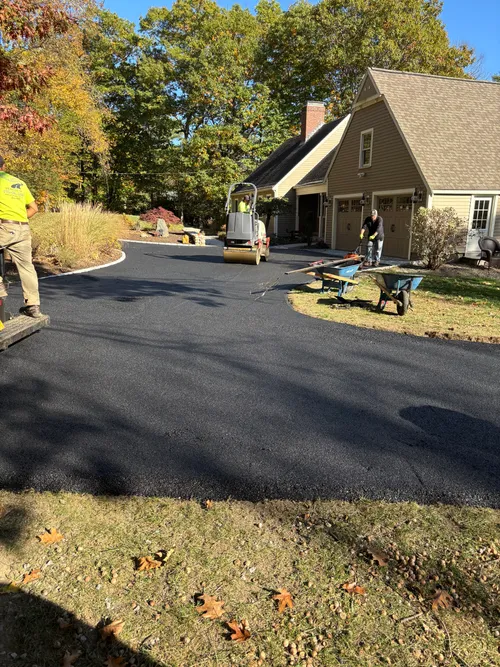
Atlantic Paving Corporation is a paving contractor based near Boston, MA, serving the North Shore area since 1987. The company provides a range of asphalt and paving services including parking lot paving, resurfacing, repair, driveway construction, asphalt curbing, grading, and excavations for residential, commercial, and industrial clients. They also offer specialized services like cold planning and emergency winter paving. With over 30 years of experience, Atlantic Paving brings expertise in slope orientation, surface type, compaction, and drainage to ensure durable paving projects.
What is Parking Lot Resurfacing?
Parking lot resurfacing, often called an overlay, is not a full reconstruction. Instead, it involves milling off the top layer of deteriorated asphalt and installing a fresh, hot mix asphalt (HMA) layer, typically 1.5 to 3 inches thick 1. This approach is cost-effective when the underlying base and subgrade are still in good condition. It addresses surface-level issues like alligator cracking, raveling, oxidation, and minor drainage problems, effectively adding 8 to 15 years of life to your pavement 1. For commercial properties in Weymouth, this process is a strategic investment to maintain a professional appearance and avoid more costly full-depth repairs down the line.
The Resurfacing Process: A Step-by-Step Guide
A professional asphalt overlay follows a meticulous sequence to ensure longevity and performance.
- Site Inspection & Preparation: A thorough assessment is the first step. Contractors will evaluate the existing pavement's structural integrity, drainage, and identify any areas needing repair before the overlay can proceed.
- Milling/Grinding: Using specialized equipment, 1.5 to 3 inches of the old, damaged asphalt surface is removed. This step is critical for creating a uniform surface, correcting minor grade issues, and ensuring proper drainage, especially at curbs and catch basins.
- Repairs & Cleaning: Any isolated potholes or severely cracked sections are cut out and patched with fresh asphalt. The entire milled surface is then thoroughly cleaned of all debris and dust to ensure a strong bond 2.
- Tack Coat Application: A thin, sticky layer of asphalt emulsion is sprayed onto the prepared base. This "tack coat" acts as a glue, creating a vital bond between the old pavement and the new overlay 3.
- Asphalt Installation & Compaction: New hot mix asphalt is delivered, spread, and leveled by a paving machine. It is then immediately compacted with heavy rollers while still hot to achieve the required density and a smooth, seamless finish 4.
- Striping & Finishing: After the new asphalt has cured for 24-48 hours, final markings are applied. This includes re-painting traffic lines, symbols, and crucially, ensuring all ADA-compliant parking spaces and access aisles are correctly marked.
Weymouth-Specific Regulations and Permits
Navigating local regulations is a key part of any paving project in Weymouth. Failure to comply can result in fines or work stoppages.
- Building Permit: A building permit from the Weymouth Building Department is required for any construction involving the repair or modification of a paved area. This is non-negotiable for resurfacing projects.
- Zoning & Plot Plans: If your project changes land contours or increases impervious surface coverage, you may need to submit a certified plot plan (often at a scale of 1" = 20' or 40') to the Zoning Board of Appeals 5. Always check with the town early in the planning process.
- Engineering & Drainage Standards: Work must comply with Department of Public Works (DPW) standards, particularly regarding drainage 6. Commercial lots in Massachusetts are generally built with 3 to 4 inches of asphalt for durability 7.
- Accessibility Compliance (ADA): Any parking lot improvement must adhere to Massachusetts 521 CMR regulations enforced by the Architectural Access Board. This dictates the number, size, and design of accessible parking spaces and their access aisles 8.
- Parking Space Dimensions: Weymouth zoning requires each standard parking space to be a minimum of 9 feet by 18 feet 9.
Climate & Timing: When to Schedule Your Project
New England weather is the single biggest factor in scheduling asphalt work. For a successful overlay in Weymouth:
- Optimal Season: The paving season typically runs from late April through October. This window provides the best chance for consistently warm temperatures.
- Temperature Requirements: Asphalt must be placed when both ambient and surface temperatures are above 40°F. If the ground is too cold, the asphalt will cool too quickly, preventing proper compaction and leading to premature failure.
- Moisture & Rain: The process cannot proceed during rain or if the base is wet. The hot mix asphalt must remain above approximately 230°F during placement and compaction to achieve proper density 10.
Find the perfect parking lot resurfacing contractors for your needs
Get personalized recommendations and expert advice
Understanding Costs for Parking Lot Overlays in Massachusetts
Costs for asphalt resurfacing in the Weymouth area are typically quoted per square foot, with the total price driven by the project's size, condition, and scope. Regional averages provide a useful benchmark for budgeting.
- Cost Per Square Foot: For a standard milling and overlay project, you can expect costs to range from $1 to $3 per square foot. A 2-inch overlay in Massachusetts often averages around $1.86 per square foot.
- Small Lot Example: A lot with approximately 50 spaces (about 15,000 sq ft) may range from $15,000 to $45,000 or more.
- Large Lot Example: A lot with roughly 200 spaces (about 60,000 sq ft) could range from $60,000 to $180,000 or more 11.
- Additional Costs: Remember to factor in line striping (approximately $5 per 18-foot line), any necessary concrete work for curbs or sidewalks, permit fees, and potential landscaping restoration 12.
Signs You Need a Parking Lot Overlay
How do you know if resurfacing is the right solution? Look for these common signs of surface wear:
- Widespread Alligator Cracking: A network of interconnected cracks that resembles alligator skin.
- Raveling: The surface is breaking down, leaving loose gravel and aggregate.
- Fading and Oxidation: The asphalt has lost its rich black color, turning gray and brittle.
- Minor Ponding: Small, isolated areas where water pools after rain, indicating minor settlement.
- Surface Roughness: The pavement feels uneven to drive or walk on, but the base feels solid underneath.
If you see large potholes, deep cracks, or significant base failure (soft spots), a simple overlay may not suffice, and partial or full reconstruction might be necessary 13.
Choosing a Contractor in Weymouth
Selecting the right partner is critical. Look for contractors who:
- Are licensed, insured, and have extensive local experience in Weymouth.
- Understand and proactively manage local permit and ADA compliance.
- Provide detailed, written quotes that break down all costs (milling, asphalt, compaction, cleanup, striping).
- Can provide references from recent commercial overlay projects in the area.
- Use quality, hot mix asphalt from a reputable local plant.
- Communicate clearly about timing, weather delays, and site preparation.
Maximizing Your Pavement Investment
A resurfacing project is a significant investment. Protect it by implementing a routine maintenance plan:
- Sealcoating: Apply a protective sealcoat every 2-3 years to shield the asphalt from UV rays, oil, and water.
- Prompt Crack Sealing: Fill new cracks annually to prevent water infiltration into the base.
- Regular Cleaning: Keep the surface free of debris, dirt, and standing water.
- Planned Repairs: Address minor issues quickly before they expand.
Frequently asked questions
Sources
Footnotes
-
Parking Lot Resurfacing: Complete Cost Guide & Process [2025] - https://www.candcsuperseal.com/parking-lot-resurfacing-complete-cost-guide-process-2025/ ↩ ↩2
-
A Complete Guide On Parking Lot Resurfacing - Ace Avant - https://www.aceavant.com/a-complete-guide-on-parking-lot-resurfacing/ ↩
-
A Complete Guide On Parking Lot Resurfacing - Ace Avant - https://www.aceavant.com/a-complete-guide-on-parking-lot-resurfacing/ ↩
-
Commercial Asphalt Lot Installation: 5 Steps From Start to Finish - https://parkenterpriseconstruction.com/2020/07/06/commercial-asphalt-lot-installation-5-steps-from-start-to-finish/ ↩
-
board of zoning appeals application package - Weymouth, MA - https://www.weymouth.ma.us/DocumentCenter/View/1525/Application-Package ↩
-
Frequently Asked Questions - CivicPlus.CMS.FAQ - https://www.weymouth.ma.us/faq.aspx ↩
-
The Essential Guide To Asphalt Thickness For Parking Lots - https://www.royalpavementsolutions.com/the-essential-guide-to-asphalt-thickness-for-parking-lots/ ↩
-
The Parking Lot Asphalt Paving Specifications That Will Keep ... - https://cassidypaving.com/the-parking-lot-asphalt-paving-specifications-that-will-keep-your-government-building-up-to-code/ ↩
-
Article XVII: Off-Street Parking - Town of Weymouth, MA - https://ecode360.com/30091983 ↩
-
PDS Parking Lot Resurfacing Specifications - Alternative 1 - https://www.pdskc.org/Portals/pdskc/Documents/general_pdf/PDS%20Parking%20Lot%20Resurfacing%20Specifications1.pdf ↩
-
Parking Lot Resurfacing: Complete Cost Guide & Process [2025] - https://www.candcsuperseal.com/parking-lot-resurfacing-complete-cost-guide-process-2025/ ↩
-
Massachusetts Parking Lots Costs & Prices - ProMatcher.com - https://parking-lots.promatcher.com/cost/massachusetts.aspx ↩
-
How to Tell When Your Business Needs Parking Lot Resurfacing - https://southernasphaltengineering.com/when-your-business-needs-parking-lot-resurfacing/ ↩