Find the Best Parking Lot Resurfacing Contractors for Your Business
No obligation • Fast responses • Nationwide coverage
Why you can trust Tidy Parking
Tidy Parking is a leading U.S. source for parking lot maintenance services, including striping, sealcoating, sweeping, paving, resurfacing, and repairs. Our content is created independently, and providers cannot pay to influence ratings or recommendations.
Search providers near you
Top Parking Lot Resurfacing Contractors in Salem, Massachusetts Ranked
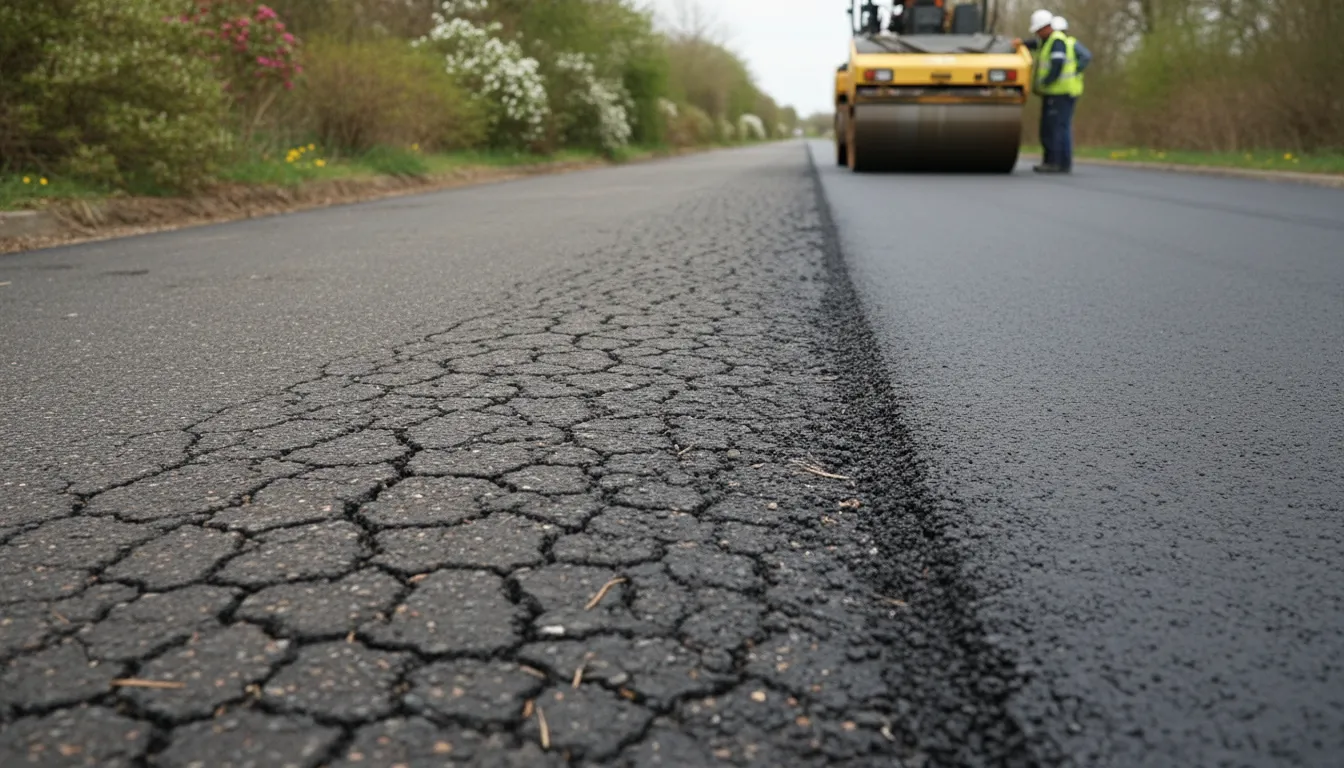
A parking lot resurfacing project is a strategic investment to restore a worn asphalt surface, extending its life and improving safety without the high cost of a full reconstruction. In Massachusetts, this process is particularly critical due to the state's demanding climate and strict environmental regulations. This guide explains the unique considerations for resurfacing in Massachusetts, from material selection and seasonal timing to regulatory compliance and budgeting, helping you plan an effective project and connect with qualified local paving professionals.
Pave Tech LLC
27 Wendell Rd, Newton, MA 02459
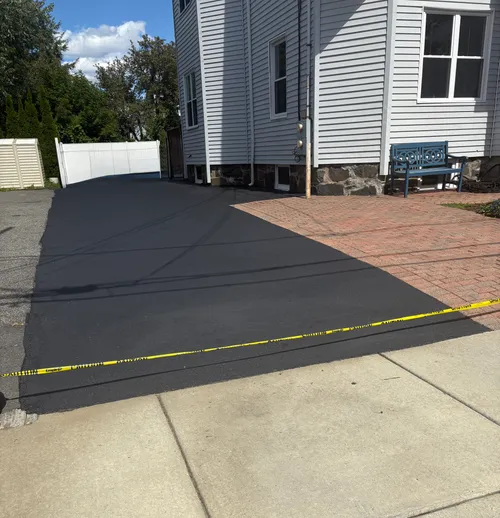
Pave Tech LLC is a licensed and insured paving contractor serving Boston, MA, and the Greater Boston area. With 30 years of experience in commercial and residential paving, hardscaping, and masonry, they offer services including driveway and parking lot paving, asphalt milling, demolition, excavation, drainage systems, and snow removal. They focus on quality asphalt materials and thorough ground preparation to prevent drainage issues and ensure durability. Their team provides detailed project timelines and ongoing maintenance checklists to support long-term property care.
M.Bannon Corp
39 Millstone Rd #2, Boston, MA 02136
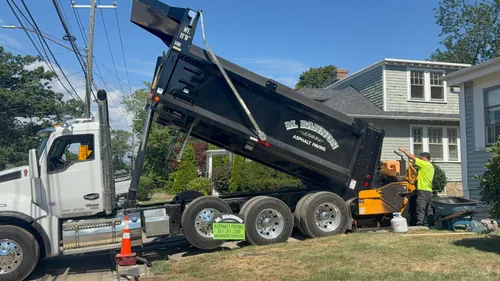
M.Bannon Corp is a paving contractor based in Boston, MA, specializing in driveway paving, parking lot resurfacing, and repairs. They also offer hardscaping services such as patios, walkways, and retaining walls, along with drainage solutions including drywells and trench drains. The company serves residential and commercial clients throughout the Greater Boston area. Known for using quality materials and advanced techniques, M.Bannon Corp focuses on durable results and customer collaboration to meet project needs and timelines.
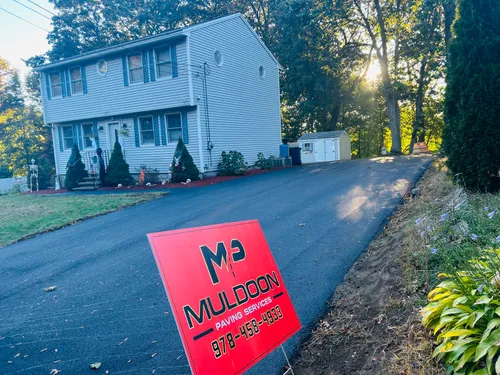
Bob Muldoon Paving
121 Concord St, Lowell, MA 01852
Bob Muldoon Paving is a family-owned paving contractor based in Lowell, MA, serving residential, industrial, and commercial clients in Northeastern Massachusetts and Southern New Hampshire. Established in 1947, the company offers a full range of asphalt and concrete services including paving, patching, overlay, concrete installations, catch basin repairs, and drainage solutions. Their team handles projects of all sizes with a focus on meeting schedules and delivering precise results. Bob Muldoon Paving is fully licensed and insured, providing trusted expertise in parking lot paving and repair.
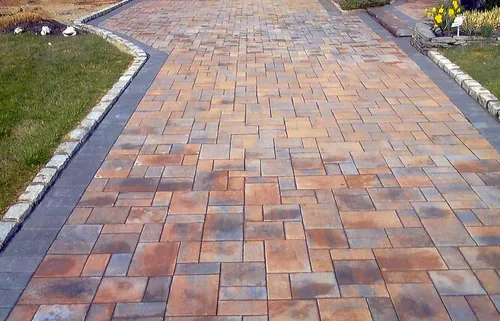
Commonwealth Masonry and Paving
Lowell, MA
Commonwealth Masonry and Paving is a third-generation masonry and paving contractor serving Lowell, MA, and the Greater Boston area. The company offers a wide range of services including parking lot paving, resurfacing, and repair, as well as masonry work with materials like brick, natural stone, gravel, and concrete. With decades of experience, they provide customized solutions for residential, commercial, and public projects. Their expertise includes asphalt paving for driveways and parking lots, backed by a tradition of craftsmanship and quality materials.
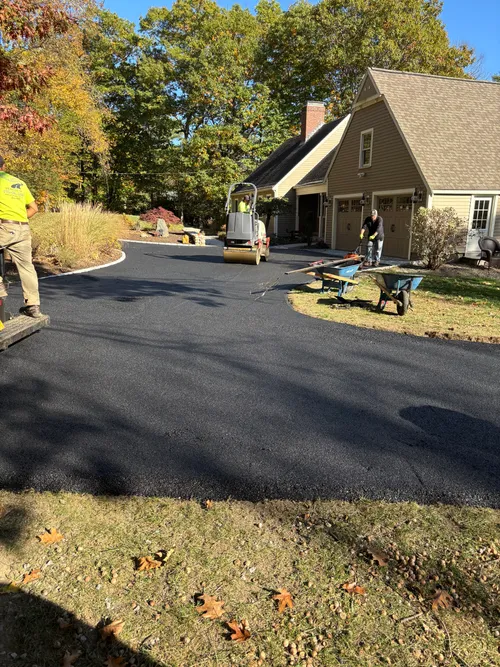
Atlantic Paving Corporation
119R Foster St, Peabody, MA 01960
Atlantic Paving Corporation is a paving contractor based near Boston, MA, serving the North Shore area since 1987. The company provides a range of asphalt and paving services including parking lot paving, resurfacing, repair, driveway construction, asphalt curbing, grading, and excavations for residential, commercial, and industrial clients. They also offer specialized services like cold planning and emergency winter paving. With over 30 years of experience, Atlantic Paving brings expertise in slope orientation, surface type, compaction, and drainage to ensure durable paving projects.
Why Massachusetts Weather Demands Careful Resurfacing
The New England climate presents specific challenges that directly impact the longevity and performance of asphalt pavement. A successful resurfacing project must account for these factors from the planning stage.
- Freeze-Thaw Cycles: This is the primary cause of pavement deterioration in Massachusetts. Water seeps into small cracks, freezes, and expands by about 10%, which breaks the bonds within the asphalt and the underlying base 1. Over repeated cycles, this leads to cracking, potholes, and structural failure.
- High Humidity and Precipitation: Frequent rain and snowmelt mean water is constantly present, testing the pavement's ability to shed moisture and resist water infiltration.
- Seasonal Temperature Swings: Summer heat can cause asphalt to expand, potentially leading to linear cracking, while winter cold makes it brittle and susceptible to cracking from heavy loads. The ideal paving window is narrow, requiring precise timing.
The Optimal Season for Resurfacing in Massachusetts
Timing is not just a suggestion; it's a requirement for a durable result. The chemical and physical properties of asphalt require specific conditions to properly compact and cure.
- Prime Window: Late Spring through Early Fall. The consistent rule is that both air and ground temperatures must be above 50°F and rising for proper asphalt installation and compaction 2. This typically limits major resurfacing projects to the period between May and October.
- Avoid Marginal Seasons: Paving in early spring or late fall risks working with a cold base, leading to poor compaction that will result in premature raveling and cracking. Summer paving is effective, but contractors must account for thermal expansion in their joint design.
- Planning for Success: Schedule consultations and bids during the winter or early spring to secure a spot on a contractor's schedule for the upcoming paving season.
The Resurfacing Process: Milling and Overlay
Resurfacing, often called an overlay, involves removing the top damaged layer of asphalt and replacing it with new material. This is different from sealcoating (a protective coating) or full reconstruction (removing everything down to the sub-base).
- Inspection and Preparation: A professional will assess the lot's condition. Resurfacing is only viable if the underlying base is structurally sound. Any soft spots or severe base failures must be repaired first.
- Milling: A milling machine grinds off the top 1.5 to 3 inches of deteriorated asphalt. This creates a clean, level surface for the new layer and ensures proper drainage grades are maintained.
- Cleaning and Repair: The milled surface is thoroughly cleaned. Any remaining cracks or issues in the exposed layer are addressed with patching.
- Tack Coat Application: A thin layer of liquid asphalt is applied to the milled surface. This acts as a glue, ensuring a strong bond between the old and new pavement.
- New Asphalt Installation: The new hot mix asphalt is laid at the proper thickness (typically 2-3 inches for a resurfacing project) and compacted with heavy rollers to achieve the required density and smoothness.
Choosing the Right Asphalt Mix for Massachusetts
Not all asphalt is the same. Selecting the appropriate mix is crucial for performance in local conditions.
- Hot Mix Asphalt (HMA): The industry standard for commercial resurfacing. It is produced at high temperatures (300-350°F), offering excellent durability, density, and moisture resistance for high-traffic areas 3.
- Warm Mix Asphalt (WMA): An increasingly popular, more sustainable option. WMA is produced at temperatures below 260°F, which reduces fuel consumption and emissions. It can remain workable longer, allowing for better compaction in cooler weather or over longer hauls 4.
- High-Performance Asphalt Overlay (HPOL): These specialized mixes, such as Stone Matrix Asphalt (SMA) or Asphalt Rubber mixes, are engineered for superior resistance to rutting and cracking, extending the pavement's service life significantly 5.
- Porous Asphalt: Used in specific designs to manage stormwater. It allows water to drain directly through the pavement into a stone reservoir below, reducing runoff. This can be a key component for meeting Massachusetts stormwater regulations.
Find the perfect parking lot resurfacing contractors for your needs
Get personalized recommendations and expert advice
Navigating Massachusetts Stormwater Regulations
Parking lot resurfacing projects often trigger compliance with the Massachusetts Stormwater Management Standards. These regulations are designed to prevent pollution and manage runoff volume. Non-compliance can lead to significant delays and fines.
- Stormwater Handbook Compliance: All projects must adhere to the Massachusetts Stormwater Handbook, which outlines performance standards for post-construction runoff 6.
- Runoff Control: A core requirement is that the peak rate and volume of stormwater runoff from the site after construction must not exceed pre-development conditions. This often means incorporating drainage improvements into the resurfacing plan 7.
- Drainage Infrastructure: In cities like Boston, lots larger than 7,500 square feet are required to install specialized catch basins with deep sumps or particle separators to remove oil, sediment, and debris from runoff before it enters the municipal system 8.
- Permeable Solutions: Using permeable paving materials (like porous asphalt or pavers) in portions of the lot is a recognized strategy for reducing impervious cover and improving on-site infiltration, helping to meet regulatory standards 9.
Understanding Costs for Parking Lot Resurfacing
Costs vary based on lot size, condition, materials, and site-specific challenges like drainage work. The following are general estimates for Massachusetts projects 10 11 12.
- Commercial Resurfacing (Milling & Overlay): $1.00 - $3.00 per square foot.
- Full Asphalt Replacement: $4.00 - $10.00 per square foot (required if the base has failed).
- Milling Only: $0.50 - $1.00 per square foot.
- Asphalt Patching/Repair: $4.00 - $10.00 per square foot (for localized base repairs).
- Sealcoating: $0.14 - $0.25 per square foot (a protective maintenance step, not resurfacing) 13.
- Line Striping: $300 - $600 for a standard lot.
Sample Budget for a 10,000 Sq. Ft. Lot:
- Milling (2"): $5,000 - $10,000
- Resurfacing Overlay (2.5" HMA): $10,000 - $30,000
- Total Estimated Range: $15,000 - $40,000
These costs can be influenced by required stormwater upgrades, the need for extensive patching, or the use of premium high-performance asphalt mixes.
Proactive Maintenance: Protecting Your Resurfacing Investment
Resurfacing restores your lot, but proactive maintenance is what protects your investment against Massachusetts' harsh climate.
- Sealcoating Schedule: Apply a high-quality sealcoat every 2-3 years. This seals small cracks, prevents water and UV damage, and protects against oil and gas spills 14. It is the most cost-effective way to extend pavement life.
- Prompt Crack Repair: Fill cracks annually, preferably in the fall, to prevent winter water infiltration. Summer is also a good time for repairs to address thermal cracks 15.
- Regular Cleaning: Keep the surface clean and ensure drainage inlets and catch basins are clear of debris to allow proper water runoff.
- Plan for the Next Cycle: With proper maintenance, a quality resurfacing job on a sound base can last 12-20 years. Planning and budgeting for the next resurfacing cycle early prevents emergency full reconstructions 16.
Frequently asked questions
Sources
Footnotes
-
Best Time of Year to Pave a Driveway in Massachusetts - https://worcestermapaving.com/best-time-of-year-to-pave-a-driveway-in-massachusetts/ ↩
-
Best Time to Pave Driveway | Seasonal Paving Guide - https://sspaving.com/blog/best-time-to-pave-driveway/ ↩
-
Choosing the Right Asphalt Mixes for Your Project - https://www.joemcasphaltservices.com/understanding-asphalt-mixes/ ↩
-
QCML Criteria for Warm Mix Asphalt Additives - Mass.gov - https://www.mass.gov/info-details/qcml-criteria-for-warm-mix-asphalt-additives ↩
-
Optimizing of MassDOT's High Performance Asphalt Overlay (HPOL) ... - https://www.mass.gov/doc/optimizing-of-massdots-high-performance-asphalt-overlay-hpol-mixtures-research-summary/download ↩
-
Each of the ten MassDEP Stormwater Management Policy standards ... - https://www.mass.gov/doc/massachusetts-stormwater-handbook-vol-3-ch-1-documenting-compliance/download ↩
-
Volume 2 Chapter 2: Structural BMP Specifications for the ... - https://www.mass.gov/files/documents/2016/08/qi/v2c2.pdf ↩
-
Storm Drain Requirements | Boston Water and Sewer ... - https://www.bwsc.org/builders-contractors/site-plan-requirements/storm-drain-requirements ↩
-
Permeable Paving Materials and Bioretention in a Parking Lot - https://www.mass.gov/info-details/demonstration-3-permeable-paving-materials-and-bioretention-in-a-parking-lot ↩
-
Parking Lot Resurfacing: Complete Cost Guide & Process [2025] - https://www.candcsuperseal.com/parking-lot-resurfacing-complete-cost-guide-process-2025/ ↩
-
Parking Lot Resurfacing: Complete Cost Guide & Process [2025] - https://www.candcsuperseal.com/parking-lot-resurfacing-complete-cost-guide-process-2025/ ↩
-
Cost of Asphalt Service in Boston, MA - https://bostonasphaltservice.com/cost-of/asphalt-service ↩
-
Parking Lot Seal Coating Costs for Asphalt : 2025 Pricing Guide - https://www.fixasphalt.com/blog/how-much-does-it-cost-to-sealcoat-an-asphalt-parking-lot ↩
-
How Often Should I Sealcoat My Driveway in Massachusetts - https://pavelpavementmaintenance.com/how-often-sealcoat-driveway-massachusetts/ ↩
-
Dealing With Asphalt Cracks and Repairs During the Summer - https://pavelpavementmaintenance.com/summer-asphalt-crack-repairs/ ↩
-
Asphalt Resurfacing: Extend Pavement Life | J.F. Gray Landscape - https://www.jfgraylandscape.com/post/asphalt-resurfacing-driveway-repair-massachusetts ↩