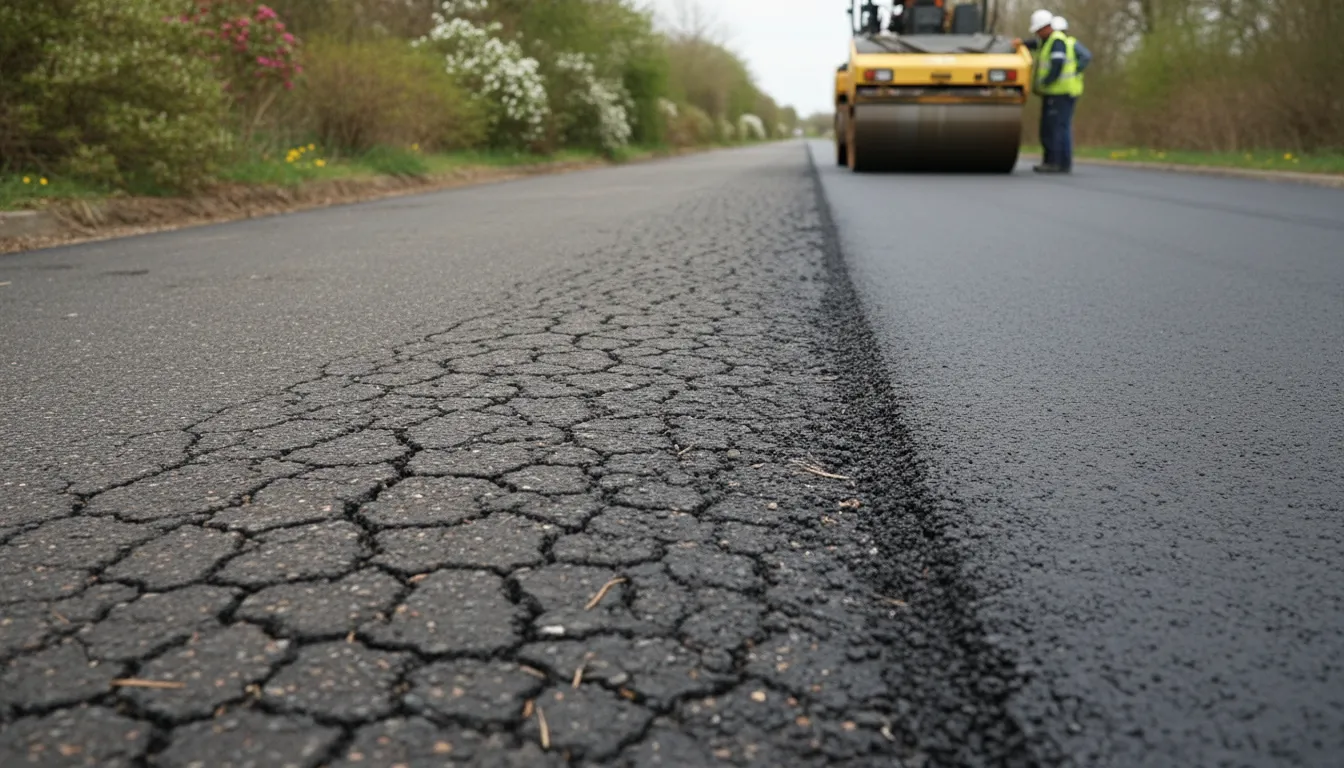
Find the Best Parking Lot Resurfacing Contractors for Your Business
No obligation • Fast responses • Nationwide coverage
Why you can trust Tidy Parking
Tidy Parking is a leading U.S. source for parking lot maintenance services, including striping, sealcoating, sweeping, paving, resurfacing, and repairs. Our content is created independently, and providers cannot pay to influence ratings or recommendations.
Search providers near you
Top Parking Lot Resurfacing Contractors in Kansas City, Kansas Ranked
A well-maintained parking lot is a critical asset for any Kansas business, providing a safe, professional first impression for customers and protecting your property investment. Parking lot resurfacing is the process of applying a new layer of asphalt over an existing, structurally sound pavement to restore its appearance, functionality, and lifespan. In Kansas, this process is particularly vital due to the state's challenging climate, which can rapidly deteriorate asphalt surfaces. This guide explains the key considerations, costs, and best practices for resurfacing in Kansas, helping you make an informed decision and connect with qualified local professionals for your project.
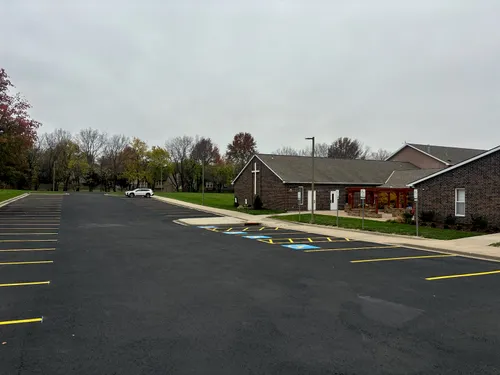
Fountain City Asphalt Co.
3600 N Wabash Ave, Kansas City, MO 64116
Fountain City Asphalt Co. is an asphalt service provider based in Kansas City, MO, offering a range of services including parking lot striping, sealcoating, paving, resurfacing, and repair. The company serves the Kansas City metro area and nearby communities such as Overland Park, Olathe, and Lawrence. Their expertise covers both residential and commercial projects, focusing on durable asphalt paving, resurfacing to extend surface life, and repairs like crack filling and pothole maintenance. Founded by Nathan Athans, who developed his skills working alongside his father, Fountain City Asphalt Co. combines decades of experience with modern techniques to deliver reliable asphalt solutions.
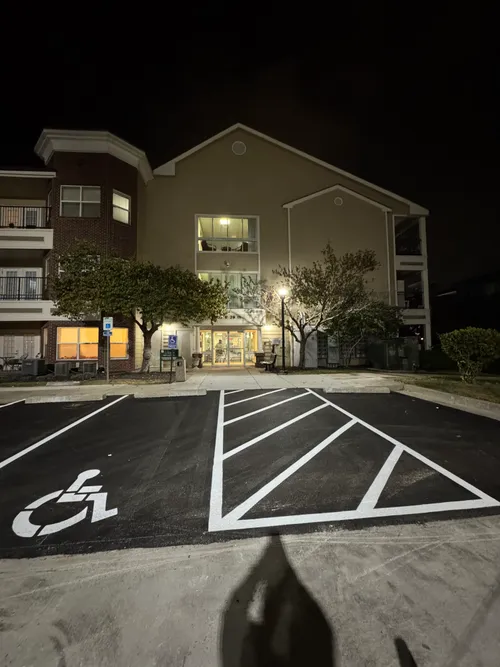
Platinum Paving
832 Cheyenne Ave, Kansas City, KS 66105
Platinum Paving is a full-service asphalt paving company based in Kansas City, MO, offering comprehensive parking lot services including new asphalt paving, sealcoating, striping, repairs, and concrete work. They serve over 50 communities across the Kansas City metro area, handling everything from milling and resurfacing to ADA compliance and line striping. With over 1,500 projects completed since their founding in 2019, Platinum Paving provides a one-year warranty on all work and manages projects with in-house crews to maintain quality and coordination.
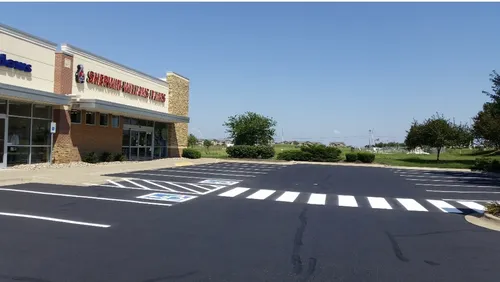
SmartPrice Asphalt Sealcoating
10650 Roe Ave Ste 150, Overland Park, KS 66207
SmartPrice Asphalt Sealcoating is a third-generation asphalt maintenance company based near Kansas City, MO. They provide a range of services including parking lot striping, sealcoating, paving, resurfacing, crack filling, pothole patching, and hot tar filler application. The company has been serving the area since 1995 and handles projects from small repairs to large-scale asphalt work.
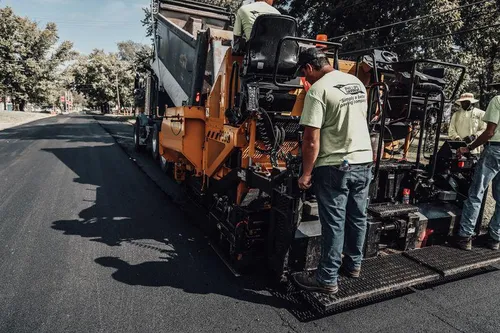
Phillips Paving Company, Inc.
2808 E 85th St, Kansas City, MO 64132
Phillips Paving Company, Inc. is a full-service paving contractor based in Kansas City, MO, specializing in asphalt and concrete solutions. Since 1995, they have served the Kansas City metro area with services including parking lot paving, striping, sealcoating, resurfacing, and repairs. Their expertise covers a wide range of projects from residential driveways to heavy-duty industrial installations, using modern equipment combined with proven methods to ensure durable and functional surfaces. Phillips Paving also offers tailored concrete flatwork and reinforced asphalt designed for high-traffic environments. The family-owned company emphasizes quality craftsmanship and provides flexible financing options to accommodate various project needs.
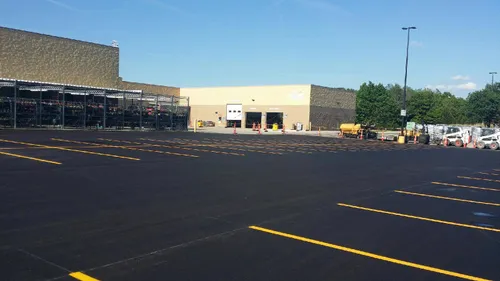
Tandem Paving Co Inc
617 SE Industrial Dr, Blue Springs, MO 64014
Tandem Paving Co Inc is a paving contractor based in Kansas City, MO, serving the area since 1973. They provide a full range of asphalt and parking lot services including new installations, repairs, sealcoating, resurfacing, and striping. Known for handling projects of all sizes, they use modern equipment and quality materials to ensure durable results. With over 50 years of experience, Tandem Paving Co Inc offers a one-year workmanship warranty and is fully licensed and insured, focusing on long-lasting quality and customer-specific solutions.
Understanding the Kansas Climate Challenge
Kansas experiences significant temperature swings and pronounced freeze-thaw cycles, which are the primary enemies of asphalt pavement. Water seeps into small cracks, freezes and expands, then thaws, repeatedly stressing the pavement structure and leading to potholes, alligator cracking, and base failure. A proper resurfacing project doesn't just cover up problems; it addresses these environmental factors head-on. The new surface, combined with a proactive maintenance plan, acts as a shield, protecting the underlying base from moisture and extending the pavement's life by 8-15 years.
When is Resurfacing the Right Solution?
Resurfacing, also known as an overlay, is a cost-effective alternative to full reconstruction. It is most suitable when your parking lot exhibits surface-level wear but has a solid, stable base. Key indicators that resurfacing may be appropriate include:
- Surface Deterioration: Widespread fading (oxidation), minor cracking, raveling (loose aggregate), and minor surface irregularities.
- Less than 30% Damage: The general rule is that if less than 30% of the pavement area is severely damaged, resurfacing is a viable option.
- Functional Drainage: The underlying base and drainage systems are still performing correctly. Water should not pool on the surface for extended periods.
If the base has failed, there are widespread deep potholes, or severe alligator cracking covers more than a third of the lot, a full-depth reconstruction may be necessary. A reputable contractor will perform a thorough evaluation to recommend the correct solution.
The Resurfacing Process: A Step-by-Step Overview
A professional asphalt overlay involves several key stages to ensure a long-lasting result:
- Inspection and Preparation: The contractor will assess the existing pavement, identify any underlying issues, and outline necessary repairs. This is the most critical phase for a successful project.
- Cleaning and Repairs: The entire surface is thoroughly cleaned. All cracks are cleaned and filled, and any localized base failures or potholes are repaired. This prevents "reflective cracking," where old cracks telegraph through the new surface.
- Milling (If Required): In some cases, the top layer of existing asphalt may be milled (ground off) to correct drainage issues, improve curb reveal, or ensure proper thickness for the new overlay.
- Tack Coat Application: A thin layer of liquid asphalt (tack coat) is applied to the prepared surface. This acts as a glue, creating a strong bond between the old pavement and the new overlay.
- Asphalt Placement and Compaction: The new hot mix asphalt (HMA) is delivered, spread evenly by a paver, and immediately compacted with heavy rollers. Proper compaction density is crucial for durability.
- Cooling and Striping: The new asphalt must cool and harden completely, typically for 24-48 hours, before new pavement markings and striping can be applied.
Find the perfect parking lot resurfacing contractors for your needs
Get personalized recommendations and expert advice
Key Specifications for a Durable Kansas Overlay
To withstand local conditions, your resurfacing project should adhere to specific material and construction standards.
Optimal Asphalt Mix: Hot Mix Asphalt (HMA) is the standard and recommended material for its durability and performance 1. Many Kansas municipalities and quality contractors specify mixes that include a portion of Recycled Asphalt Pavement (RAP). For example, guidelines may allow up to 15% RAP in the surface course and up to 25% in the base course, which is both economical and environmentally friendly without sacrificing quality 2. Polymer-modified binders are also recommended for enhanced resistance to rutting and cracking 3.
Proper Thickness: For commercial parking lots, a 2-inch overlay is typical. This provides sufficient thickness to restore the surface profile, improve load-bearing capacity, and offer a long service life. Thicker overlays may be required for lots with heavier vehicle traffic.
Drainage is Paramount: Perhaps the most critical design element in Kansas is ensuring positive drainage. The resurfaced lot must be sloped (typically a minimum of 2%) to direct water quickly away from the pavement into drains, catch basins, or landscaped swales 4. Standing water will inevitably lead to premature failure, especially during freeze-thaw events.
Timing and Seasonal Considerations
Asphalt is a temperature-sensitive material. For the best results, plan your resurfacing project during the optimal paving window.
- Best Season: Late spring through early fall (May to September) is ideal.
- Temperature Requirements: Both ambient and surface temperatures must be sufficiently high. Placement should occur when the air temperature is rising and is above 50°F, and the pavement surface temperature is above 40°F. This ensures the asphalt remains workable and can be properly compacted to achieve the necessary density.
- Weather Dependency: Projects cannot proceed during rain or if rain is imminent. Reputable contractors monitor weather forecasts closely.
Cost Guide for Kansas Parking Lot Resurfacing
Costs can vary based on the size of the lot, site conditions, extent of repairs needed, and material prices. The following are average cost ranges for Kansas, with data sourced from local cost reports 5:
- Parking Lot Resurfacing (2-inch Overlay): $1.32 to $1.50 per square foot.
- Sealcoating (Critical Maintenance): $0.20 to $0.41 per square foot. Sealcoating every 2-3 years after resurfacing is essential to protect the new investment from fuel, oil, and water 6.
- Striping and Pavement Markings: Approximately $3.76 per 18-foot parking stall.
It's important to note that resurfacing is generally 40-60% less expensive than a full-depth reconstruction 7. Always obtain detailed, written quotes from multiple contractors that break down all costs, including preparation, materials, labor, and incidental repairs.
Maintaining Your Resurfaced Investment
A new overlay is a significant investment. Protect it with a consistent maintenance plan:
- Sealcoating: Apply a high-quality sealcoat, preferably a polymer-modified sealer, 6-12 months after resurfacing and then every 2-3 years thereafter. This seals small pores, protects against UV oxidation and chemical spills, and makes the surface easier to clean.
- Prompt Crack Sealing: Inspect the lot annually and seal any new cracks before they widen and allow water infiltration.
- Keep it Clean: Regular sweeping removes debris and abrasive materials. Ensure drainage inlets are clear.
- Plow Carefully: Use a properly angled plow blade to avoid scraping and damaging the asphalt surface during winter snow removal.
Frequently asked questions
Sources
Footnotes
-
How to Select the Right Asphalt Mix for Your Parking Lot - https://summitasphalt.com/right-asphalt-mix-for-your-parking-lot/ ↩
-
Section 1300 - ASPHALTIC CONCRETE PAVEMENT - https://lawrenceks.org/section-1300-asphaltic-concrete-pavement/ ↩
-
Best asphalt mixes for your parking lot - Baughman Magic Seal - https://baughmanmagicseal.com/best-asphalt-mixes-for-your-parking-lot/ ↩
-
PDS Parking Lot Resurfacing Specifications - Alternative 1 - https://www.pdskc.org/Portals/pdskc/Documents/general_pdf/PDS%20Parking%20Lot%20Resurfacing%20Specifications1.pdf ↩
-
Kansas Parking Lots Costs & Prices - ProMatcher Cost Report - https://parking-lots.promatcher.com/cost/kansas.aspx ↩
-
The Ultimate Guide to Parking Lot Maintenance in Kansas City - https://kansasasphalt.com/the-ultimate-guide-to-parking-lot-maintenance-in-kansas-city/ ↩
-
Parking Lot Resurfacing: Complete Cost Guide & Process [2025] - https://www.candcsuperseal.com/parking-lot-resurfacing-complete-cost-guide-process-2025/ ↩