Find the Best Parking Lot Resurfacing Contractors for Your Business
No obligation • Fast responses • Nationwide coverage
Why you can trust Tidy Parking
Tidy Parking is a leading U.S. source for parking lot maintenance services, including striping, sealcoating, sweeping, paving, resurfacing, and repairs. Our content is created independently, and providers cannot pay to influence ratings or recommendations.
Search providers near you
Top Parking Lot Resurfacing Contractors in Tracy, California Ranked
A parking lot resurfacing project is a major investment in your commercial property's safety, functionality, and curb appeal. This process involves applying a new layer of asphalt over your existing pavement to restore a smooth, durable, and professional-looking surface. In Tracy, where weather and heavy use can take a toll on asphalt, timely resurfacing is crucial for preventing costly structural damage and maintaining compliance with local standards. This guide will help you understand the process, costs, and key considerations for a successful asphalt overlay project in Tracy, so you can effectively evaluate and connect with qualified local paving professionals.
What is Parking Lot Resurfacing?
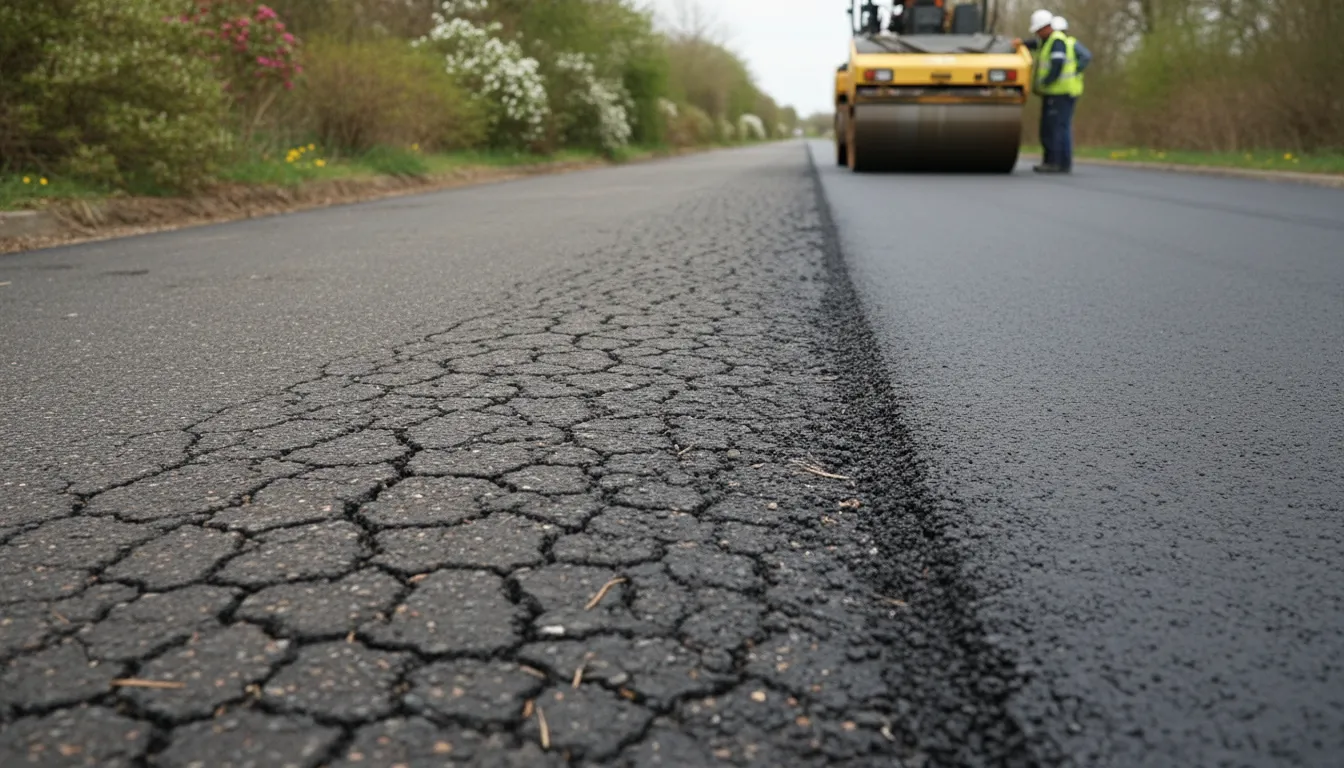
Parking lot resurfacing, often called an asphalt overlay, is a restorative process where a new layer of hot mix asphalt (typically 1.5 to 2 inches thick) is installed over an existing, structurally sound pavement base 1. It is not a full reconstruction, which involves tearing out the old pavement down to the subgrade. Instead, resurfacing is the ideal solution for lots showing surface-level distress like widespread cracking, minor rutting, fading, and weathering, but where the foundational layers remain intact. This approach is more cost-effective and faster than a complete rebuild, extending the life of your pavement by 8-15 years with proper maintenance 2. For property managers and business owners in Tracy, an overlay revitalizes the parking area, improves safety by eliminating trip hazards, and enhances the overall impression of your facility.
The Step-by-Step Resurfacing Process
A professional parking lot overlay follows a meticulous sequence to ensure longevity and performance. Understanding these steps helps you know what to expect from your contractor.
1. Site Assessment & Planning The process begins with a thorough evaluation of your existing pavement. A qualified contractor will inspect for alligator cracking, potholes, drainage issues, and base failures to determine if resurfacing is suitable or if more extensive repairs are needed 3. They will also measure the lot, note existing striping and ADA features, and develop a phased plan to manage tenant and customer traffic during construction. This planning stage is critical for creating an accurate scope and cost estimate.
2. Mobilization & Traffic Control Before any work begins, the contractor will mobilize equipment and set up the site for safety and efficiency. This includes placing signage, safety barricades, and cones to direct traffic and protect the work area. For lots with ongoing business access, a detailed traffic control plan that maintains safe entry and exit points is essential.
3. Surface Preparation Proper preparation is the key to a successful bond between the old and new asphalt. The lot is thoroughly cleaned and swept. Existing cracks are cleaned and filled with a hot rubberized sealant to prevent them from reflecting through the new surface. Any severely failed sections, like deep potholes or areas with base failure, are cut out and repaired with new asphalt. This step ensures a uniform, stable substrate for the overlay.
4. Applying the Asphalt Overlay A paving machine (paver) spreads a continuous layer of new hot mix asphalt at the specified thickness. Crews work quickly behind the paver to rake and smooth the edges. Then, a heavy roller compacts the asphalt while it is still hot to achieve the required density, creating a smooth, seamless finish. The quality of the asphalt mix and the skill of the compaction are vital for durability.
5. Finalizing & Restriping Once the new asphalt has cooled and cured sufficiently, the final touches are applied. This includes applying fresh, crisp pavement markings for parking stalls, directional arrows, fire lanes, and handicap symbols. All striping must be compliant with the current California Building Code and ADA (Americans with Disabilities Act) standards, including proper signage. This final step transforms the construction zone back into a fully functional, safe, and organized parking facility.
Find the perfect parking lot resurfacing contractors for your needs
Get personalized recommendations and expert advice
Cost Factors for Resurfacing in Tracy
The cost of parking lot resurfacing in Tracy is typically quoted per square foot, with the total project price depending on the lot's size, condition, and specific requirements. Local averages range from $1 to $3 per square foot for the overlay work itself 4. Here's a breakdown of what influences the final price:
- Lot Size & Complexity: Larger lots benefit from economies of scale, so the per-square-foot cost may decrease slightly for bigger projects. However, lots with many obstructions (light poles, islands, landscaping) or complex shapes require more handwork and cutting, which can increase labor time and cost.
- Existing Pavement Condition: The single biggest variable in cost is the amount of preparatory repair needed. A lot with numerous potholes, alligator-cracked areas, or drainage issues will require significant repair work before the overlay can be applied, increasing material and labor costs.
- Overlay Thickness: Most commercial lots in Tracy use a 1.5-inch to 2-inch overlay. A thicker overlay provides greater durability and longevity but uses more material, increasing the cost.
- Materials & Accessibility: Fluctuations in the price of asphalt (oil, aggregate) directly affect project costs. Furthermore, a site that is difficult for large trucks and equipment to access may incur additional mobilization fees.
- Restriping & ADA Updates: The cost of new thermoplastic or paint striping, stencils, and ADA-compliant signage is often a separate line item but is a necessary part of any resurfacing project.
Estimated Cost Ranges:
- Small Lot (~10,000 sq ft): $10,000 - $30,000+
- Medium Lot (~25,000 sq ft): $25,000 - $75,000+
- Large Lot (50,000+ sq ft): $50,000 - $150,000+ 5 6
These estimates are for the overlay; extensive base repairs, new curb work, or significant drainage modifications will add to the total.
Tracy Regulations and Permit Requirements
Adhering to local regulations is non-negotiable for a commercial paving project in Tracy. The City of Tracy has adopted specific Standard Specifications (Resolution 2020-031) that govern public works and private development construction, including asphalt paving 7. Reputable contractors will be familiar with these specs, which often incorporate Caltrans standards for material quality and installation methods.
Permits: Depending on the scope of your project, you may need permits from the City's Development Services Department. If work encroaches on the public right-of-way (e.g., sidewalk, curb, gutter), an encroachment permit is required. For larger projects that significantly alter the site, a site plan review may be necessary 8.
Stormwater Management: Tracy, like all municipalities in California, must comply with state and federal stormwater regulations. Projects that create or replace over a certain amount of impervious surface (often 50% or more of the lot) may be subject to Low Impact Development (LID) and post-construction runoff requirements 9 10. Your contractor or civil engineer should help determine if a Stormwater Control Plan is needed for your resurfacing project.
Best Time of Year for Resurfacing in Tracy
Timing is critical for a successful asphalt overlay. Asphalt requires specific conditions to be mixed, transported, placed, and compacted properly.
- Ideal Season: The best window for resurfacing in Northern California's climate is during the dry season, typically from April through October 11 12.
- Temperature: Asphalt must be laid when ambient and ground temperatures are consistently above 50°F. Colder temperatures cause the asphalt to cool too quickly, preventing proper compaction and leading to premature raveling and failure.
- Rain & Moisture: Asphalt cannot be applied to a wet surface or during rain, as moisture prevents proper bonding. Furthermore, rain often causes asphalt plants to temporarily halt production. Scheduling your project during Tracy's predictably dry summer and early fall months minimizes weather-related delays and ensures optimal results.
Maintaining Your Newly Resurfaced Lot
Protecting your investment starts as soon as the new asphalt cures. A comprehensive maintenance plan significantly extends the life of your resurfaced parking lot.
- Initial Cure: Avoid heavy traffic and sharp turns on the new surface for the first 3-7 days while it fully hardens.
- Sealcoating: Plan to apply a high-quality sealcoat approximately 6-12 months after resurfacing. Sealcoating protects the asphalt from UV rays, gasoline, oil, and water penetration. Re-applying sealcoat every 2-3 years is a cost-effective way to preserve the surface 13.
- Prompt Repairs: Address small cracks as soon as they appear with crack sealant. Ignoring them allows water to infiltrate and damage the base, leading to potholes and undermining the overlay.
- Regular Cleaning: Keep the lot free of debris, oil stains, and standing water. Proper drainage is essential to prevent water from weakening the pavement structure.
Frequently asked questions
Sources
Footnotes
-
Northern California Parking Lot Paving: The Commercial Property Manager's Step-by-Step Guide - https://www.advantageasphalt.com/resources/northern-california-parking-lot-paving-guide ↩
-
Maximizing Parking Lot Lifespan Through Strategic Surface Treatment - https://buckbros.com/blog/maximizing-parking-lot-lifespan-through-strategic-surface-treatment/ ↩
-
Parking Lot Repairs Blueprint for Your Commercial Property - https://www.branded-group.com/2022/05/parking-lot-repairs-blueprint-for-your-commercial-property/ ↩
-
Parking Lot Resurfacing: Complete Cost Guide & Process [2025] - C&C Super Seal - https://www.candcsuperseal.com/parking-lot-resurfacing-complete-cost-guide-process-2025/ ↩
-
Parking Lot Resurfacing: Complete Cost Guide & Process [2025] - https://www.candcsuperseal.com/parking-lot-resurfacing-complete-cost-guide-process-2025/ ↩
-
Complete Guide to Parking Lot Striping in California - https://bowmanparkinglotstriping.com/complete-guide-to-parking-lot-striping-in-california/ ↩
-
STANDARD SPECIFICATIONS - City of Tracy - https://www.cityoftracy.org/files/assets/city/v/1/public-works/documents/standard-specifications.pdf ↩
-
STANDARD PLANS - City of Tracy - https://www.cityoftracy.org/files/assets/city/v/1/public-works/documents/standard-plans-streets-utilities.pdf ↩
-
2015 post- construction standards plan - Stanislaus County - https://www.stancounty.com/publicworks/pdf/2015-standards-plan.pdf ↩
-
POST-CONSTRUCTION STANDARDS PLAN - City of Turlock - https://www.cityofturlock.org/_pdf/ImprovementPlandocument.asp?id=14 ↩
-
Northern California Parking Lot Paving: The Commercial ... - https://www.advantageasphalt.com/resources/northern-california-parking-lot-paving-guide ↩
-
A Complete Guide On Parking Lot Resurfacing - https://www.aceavant.com/a-complete-guide-on-parking-lot-resurfacing/ ↩
-
How Much Does It Cost to Seal an Asphalt Parking Lot in ... - https://soscopaving.com/2025/05/15/parking-lot-sealcoating-costs-in-california-2025-data/ ↩