Find the Best Parking Lot Resurfacing Contractors for Your Business
No obligation • Fast responses • Nationwide coverage
Why you can trust Tidy Parking
Tidy Parking is a leading U.S. source for parking lot maintenance services, including striping, sealcoating, sweeping, paving, resurfacing, and repairs. Our content is created independently, and providers cannot pay to influence ratings or recommendations.
Search providers near you
Top Parking Lot Resurfacing Contractors in San Francisco, California Ranked
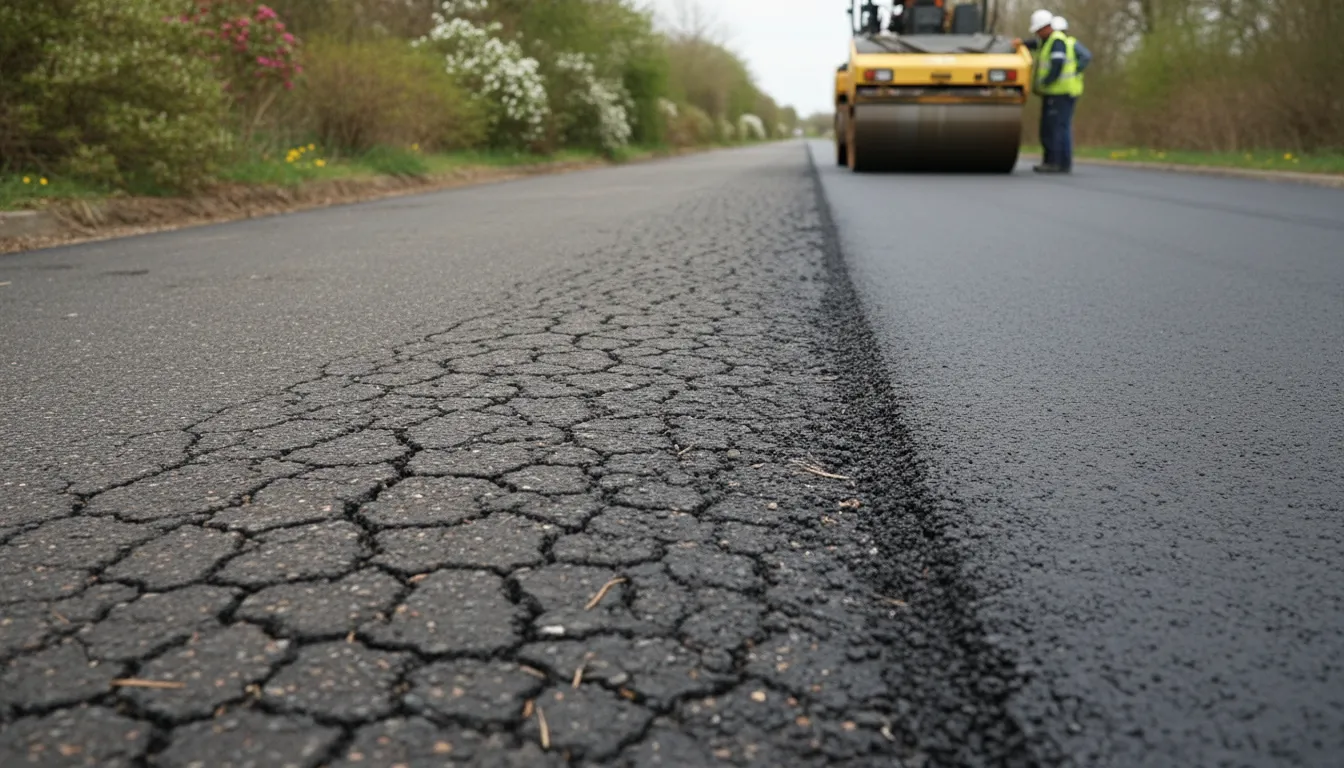
Parking lot resurfacing is a major maintenance procedure that replaces the top layer of asphalt to restore a smooth, safe, and durable surface. In San Francisco, this process is essential for property owners and managers to maintain curb appeal, ensure safety, and comply with strict local regulations. This guide explains the resurfacing process, local considerations, and how to find qualified local contractors to handle your asphalt overlay project.
Progressive Asphalt Paving
San Jose, CA
Progressive Asphalt Paving is an asphalt contractor serving San Jose, CA, specializing in asphalt paving, patching, striping, sealcoating, and driveway installation. They provide services for residential, commercial, and municipal clients, using premium materials to ensure durable and long-lasting asphalt surfaces. Their expertise includes asphalt patching techniques that restore pavement strength and professional striping that meets regulatory standards. The company emphasizes tailored solutions and transparent pricing based on years of industry experience.
El Camino General Engineering Inc
1212 Camellia Dr, Palo Alto, CA 94303
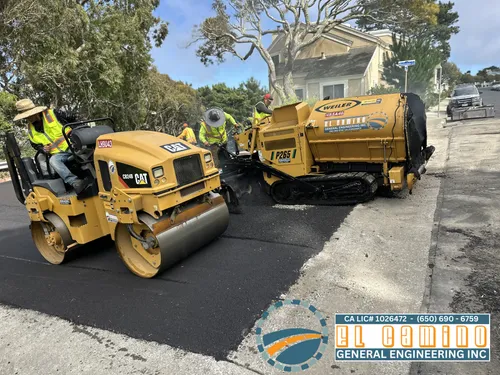
El Camino General Engineering Inc is a family-owned asphalt paving contractor based in San Jose, CA. They offer a range of services including parking lot striping, sealcoating, paving, resurfacing, and repair for residential, commercial, and municipal properties. Their team specializes in asphalt installation, maintenance, and ADA compliance improvements, using high-quality materials and equipment to ensure durable results. Founded by Israel, who brings over 30 years of local industry experience, the company also benefits from the civil engineering expertise of his son, Edgar. El Camino General Engineering provides innovative solutions tailored to client needs and operates with a focus on clear communication and project efficiency.
RF Sealcoating and Striping
Santa Rosa, CA
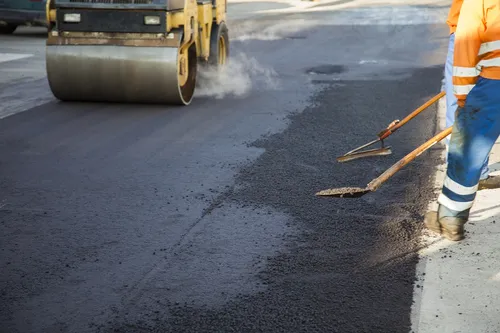
RF Sealcoating and Striping is a parking lot striping and sealcoating company based in Santa Rosa, CA. They offer services for commercial, residential, and HOA properties, including asphalt repairs, chipsealing, pothole repairs, asphalt paving, maintenance, sealcoating, and ADA-compliant striping. Their capabilities include crack filling using hot rubberized or cold pour applications to protect asphalt surfaces and extend pavement life.
APCO PAVING CO.
2545 Monument Blvd, Concord, CA 94520
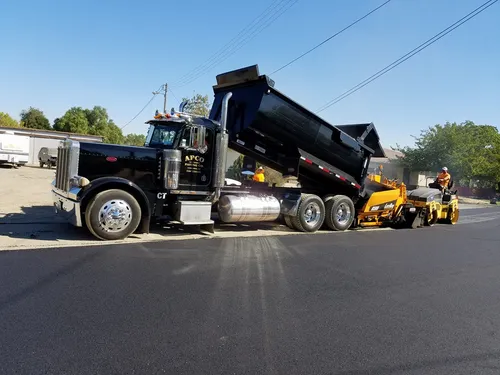
APCO Paving Co. is a family-owned paving and sealcoating company based in Oakland, CA, serving the greater Alameda and Contra Costa areas since 1984. They provide a wide range of services including asphalt paving, parking lot resurfacing, sealcoating, grading, catch basin repair, and concrete repair for both residential and commercial properties. APCO Paving Co. is equipped to handle projects from new construction to preventative maintenance and offers 24-hour emergency service for urgent paving needs.
Marvel Grading and Paving
Santa Rosa, CA
Marvel Grading and Paving is a paving contractor based in Santa Rosa, CA, serving Sonoma, Napa, Marin, Alameda, and Solano counties. They provide full-service asphalt paving solutions for residential, commercial, and municipal projects, including driveway resurfacing, parking lot construction, and road maintenance. Their capabilities include new asphalt installation, parking lot striping, slurry seals, and baserock drainage designs. With decades of experience, they tailor durable and cost-effective paving services to meet local needs.
What is Parking Lot Resurfacing?
Parking lot resurfacing, often called an asphalt overlay, involves removing and replacing the top 1.5 to 3 inches of an existing asphalt pavement. This solution is ideal for lots that have a structurally sound base but exhibit surface-level wear like cracks, raveling, and minor weathering. Unlike a full reconstruction, resurfacing is a more cost-effective and faster process, typically taking 1-3 days to complete depending on the lot's size 1. The goal is to extend the pavement's life by providing a new, smooth wearing surface that is sealed against water intrusion.
The Step-by-Step Resurfacing Process
A professional asphalt overlay follows a meticulous sequence to ensure long-lasting results.
1. Site Inspection & Preparation
The process begins with a thorough assessment. Contractors will evaluate the existing surface for cracks, potholes, and drainage issues. They will also locate and mark any underground utility lines to avoid damage during milling. This stage is crucial for planning and identifying any underlying base problems that need addressing before the new asphalt is laid.
2. Milling and Grinding
A milling machine is used to grind off the designated top layer of old asphalt (usually 1.5 to 3 inches). This creates a clean, uniform surface for the new material and ensures smooth transitions to adjacent concrete areas like sidewalks or curbs. The milled material is often recycled for use in future projects.
3. Base Repairs and Cleaning
Before paving, the exposed base is cleaned of all debris. Any soft spots or areas of base failure are excavated and repaired with new aggregate base material. This step is critical; covering up a failed base will lead to rapid cracking in the new overlay. Proper compaction of these repairs is essential.
4. Tack Coat Application
A thin layer of liquid asphalt emulsion, called a tack coat, is sprayed onto the prepared base. This acts as a bonding agent or "glue," ensuring a strong adhesive bond between the old surface and the new hot-mix asphalt layer.
5. Asphalt Placement and Compaction
Hot-mix asphalt is delivered and placed using a paving machine. Workers then use heavy steel-wheel and pneumatic rollers to compact the asphalt while it is still hot 2. Proper compaction is vital to achieve the required density, which prevents premature deterioration and creates a smooth, durable driving surface.
6. Striping and Marking
Once the new asphalt has cured sufficiently-typically after 24 to 48 hours-the final step is re-striping. This includes reapplying lines for parking stalls, traffic arrows, crosswalks, and crucially, new ADA-compliant handicapped parking markings and signage.
Find the perfect parking lot resurfacing contractors for your needs
Get personalized recommendations and expert advice
Key Local Regulations in San Francisco
San Francisco has specific rules that directly impact parking lot resurfacing projects. Navigating these requirements is a key part of a contractor's job.
- Street Space Permits: Any work that occupies the public right-of-way-such as placing dumpsters, material storage, or parking construction vehicles-requires a Street Space Permit from San Francisco Public Works 3 4. This is common for lots that border city streets.
- "No Parking" Signs: If the project requires temporary removal of on-street parking, legally compliant "Tow-Away" signs must be posted at least 72 hours in advance.
- ADA Compliance: Adherence to the Americans with Disabilities Act (ADA) is not optional. All accessible routes, stall dimensions, slopes, and signage must meet current standards. The San Francisco Department of Building Inspection (DBI) may review these elements.
- Contractor Parking Plan: For major projects, a formal Contractor Parking Plan may be required per the city's ordinance to manage construction vehicle impacts on neighborhood parking 5.
- Material Specifications: The city often enforces specific material standards, such as a minimum asphalt content (e.g., 5.4%) and compaction temperature requirements to ensure durability in the local climate 6.
Weather and Timing Considerations
San Francisco's unique climate presents specific challenges for asphalt work.
- Temperature Restrictions: Asphalt must be placed and compacted when both the surface and ambient temperatures are above 40°F-55°F for proper curing and density 7. Morning fog and cool coastal breezes can be a factor.
- Rain and Humidity: Paving should not occur during rain or when high humidity is forecast, as moisture prevents proper adhesion and compromises the final product's integrity 8.
- Optimal Season: The best window for resurfacing in San Francisco is typically from late spring through early fall (April to November), avoiding the core of the rainy winter season 9.
- Microclimates: Weather can vary dramatically between neighborhoods. A sunny day in the Mission District might be cool and misty in the Sunset, requiring contractors to be flexible with their scheduling 10.
Understanding Costs for San Francisco Projects
The cost of parking lot resurfacing is primarily calculated per square foot, with the total price depending on the project's scale, the amount of base repair needed, and current asphalt material prices 11 12. In the San Francisco area, typical resurfacing projects range from $1 to $3 per square foot 11.
- Small Lot (e.g., 10,000 sq ft): A project of this size may range from $10,000 to $30,000 and can often be completed in 1-3 days 13.
- Large Lot (e.g., 50,000+ sq ft): For expansive commercial lots, costs can range from $50,000 to $150,000 or more. These projects are frequently completed in phases to minimize disruption to business operations 14 15 16.
Expert Tips for a Successful Project
- Plan for Phasing: Discuss a phasing plan with your contractor. Resurfacing one quadrant or a set of drive lanes at a time can allow portions of your lot to remain open, keeping your business operational.
- Don't Skip Base Repairs: Investing in proper base repair is non-negotiable. Simply overlaying cracked or settled areas without fixing the underlying cause is a temporary fix that will lead to quick failure of the new surface.
- Integrate ADA Updates: Coordinate your striping plan to include all necessary ADA-compliant markings and signage from the start. Doing this during the initial mobilization is far more efficient and cost-effective than calling the crew back later 17.
Frequently asked questions
Sources
Footnotes
-
Parking Lot Resurfacing: Complete Cost Guide & Process [2025] - C&C Super Seal - https://www.candcsuperseal.com/parking-lot-resurfacing-complete-cost-guide-process-2025/ ↩
-
Parking Lot Resurfacing 510-723-0280 - American Asphalt - https://americanasphalt.com/parking-lot-resurfacing/ ↩
-
Street Space - San Francisco Public Works - https://sfpublicworks.org/services/permits/street-space ↩
-
APPLICATION FOR STREET IMPROVEMENT PERMIT - https://sfpublicworks.org/sites/default/files/Application_for_Street_Improvement_Permit.pdf ↩
-
Contractor Parking Plan - San Francisco Public Works - https://sfpublicworks.org/sites/default/files/Contractor%20parking%20plan%20brochure.pdf ↩
-
PDS Parking Lot Resurfacing Specifications - Alternative 2 - https://www.pdskc.org/Portals/pdskc/Documents/general_pdf/PDS%20Parking%20Lot%20Resurfacing%20Specifications2.pdf ↩
-
Sealcoat Parking Lots: What is the Best Temperature to ... - ACPLM - https://acplm.net/sealcoat-parking-lots/ ↩
-
Ready To Resurface A Parking Lot? - Preferred Paving - http://preferredpaving.com/factors-that-effect-how-long-it-takes-to-resurface-a-parking-lot/ ↩
-
Best Time for Commercial Parking Lot Paving: Key Tips - https://premierpavingmd.com/when-is-the-best-time-for-commercial-parking-lot-paving/ ↩
-
Asphalt Paving and The Weather - Alaniz Construction, Inc. - https://alanizpaving.com/2013/10/asphalt-paving-and-the-weather/ ↩
-
Parking Lot Resurfacing: Complete Cost Guide & Process [2025] - https://www.candcsuperseal.com/parking-lot-resurfacing-complete-cost-guide-process-2025/ ↩ ↩2
-
How Much Does Parking Lot Resurfacing Cost? | ProMatcher - https://parking-lots.promatcher.com/answers/how-much-does-parking-lot-resurfacing-cost-2388 ↩
-
How Much Does It Cost to Seal an Asphalt Parking Lot in ... - https://soscopaving.com/2025/05/15/parking-lot-sealcoating-costs-in-california-2025-data/ ↩
-
Parking Lot Resurfacing: Complete Cost Guide & Process [2025] - https://www.candcsuperseal.com/parking-lot-resurfacing-complete-cost-guide-process-2025/ ↩
-
Complete Guide to Parking Lot Striping in California - https://bowmanparkinglotstriping.com/complete-guide-to-parking-lot-striping-in-california/ ↩
-
A Complete Guide On Parking Lot Resurfacing - https://www.aceavant.com/a-complete-guide-on-parking-lot-resurfacing/ ↩
-
Northern California Parking Lot Paving: The Commercial ... - https://www.advantageasphalt.com/resources/northern-california-parking-lot-paving-guide ↩