Find the Best Parking Lot Resurfacing Contractors for Your Business
No obligation • Fast responses • Nationwide coverage
Why you can trust Tidy Parking
Tidy Parking is a leading U.S. source for parking lot maintenance services, including striping, sealcoating, sweeping, paving, resurfacing, and repairs. Our content is created independently, and providers cannot pay to influence ratings or recommendations.
Search providers near you
Top Parking Lot Resurfacing Contractors in San Clemente, California Ranked
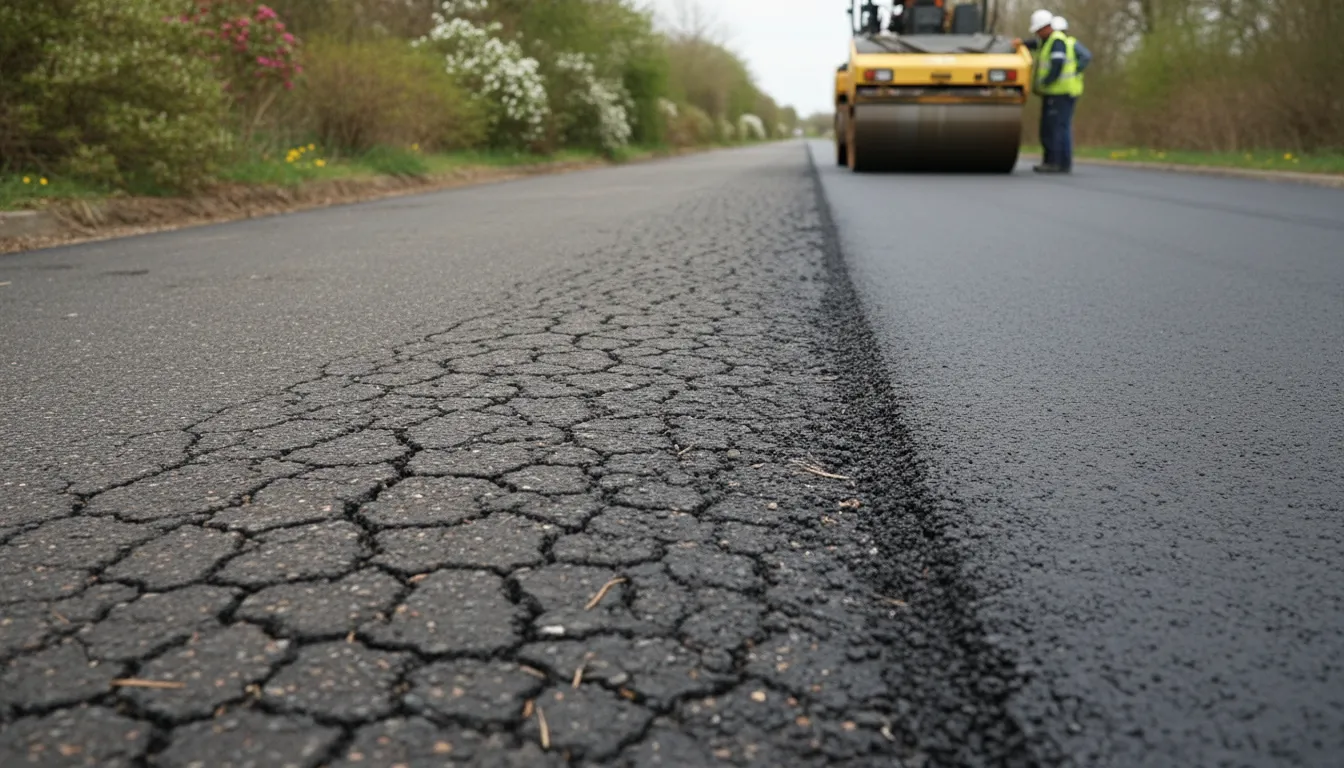
Parking lot resurfacing is a critical maintenance procedure that restores a worn asphalt surface by applying a new overlay. For property owners and managers in San Clemente, this process is essential for safety, curb appeal, and protecting your pavement investment from the coastal climate. A well-executed asphalt overlay can extend the life of your lot for years. This guide explains the local process, costs, regulations, and timing to help you plan your project and connect with qualified professionals in the area.
Pavescapes
1340 E Pomona St, Santa Ana, CA 92705
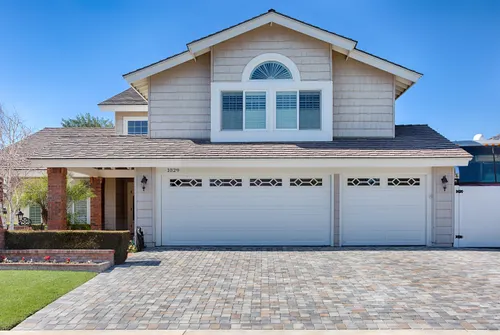
Pavescapes is a parking lot resurfacing contractor based in Santa Ana, CA, specializing in thin paver installations over existing concrete surfaces. Serving Orange County, San Diego County, San Bernardino County, Ventura County, and Coachella Valley, they offer an overlay system that preserves the underlying concrete, avoiding demolition and reducing waste. This method addresses cracked, stained, or unsightly concrete and supports eco-friendly practices by minimizing material disposal. Pavescapes installs over failing overlay systems and provides a non-slip surface ideal for pool decks and other areas.
Valley Paving
Anaheim, CA
Valley Paving is an asphalt contractor based in Anaheim, CA, providing a range of services including asphalt paving, patching, striping, sealcoating, resurfacing, and parking lot repair. The company serves both residential and commercial clients, focusing on durable and long-lasting asphalt solutions tailored to local climate and traffic conditions. Valley Paving uses high-quality materials and advanced equipment to ensure precise and efficient work. Their expertise covers everything from driveways to large parking lots, with personalized service throughout each project.
Classic Asphalt Co
40412 California Oaks Rd, Murrieta, CA 92562
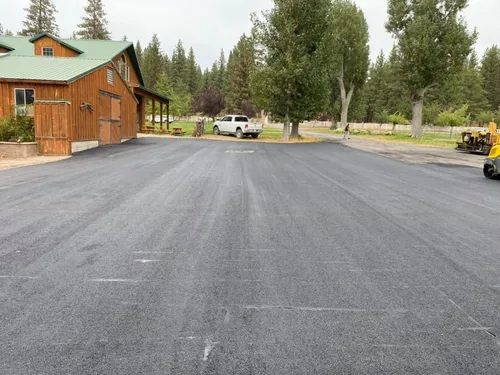
Classic Asphalt Co is a family-owned asphalt contractor based in Los Angeles, CA, serving both residential and commercial clients. They specialize in asphalt paving, patching, sealcoating, striping, and driveway installation, delivering durable and well-crafted pavement solutions. The company uses top-grade materials and proven techniques to ensure long-lasting surfaces that withstand heavy traffic and local climate conditions. Classic Asphalt Co is fully licensed and insured, with a strong local reputation built on quality workmanship and integrity.
Coastal Paving
Anaheim, CA
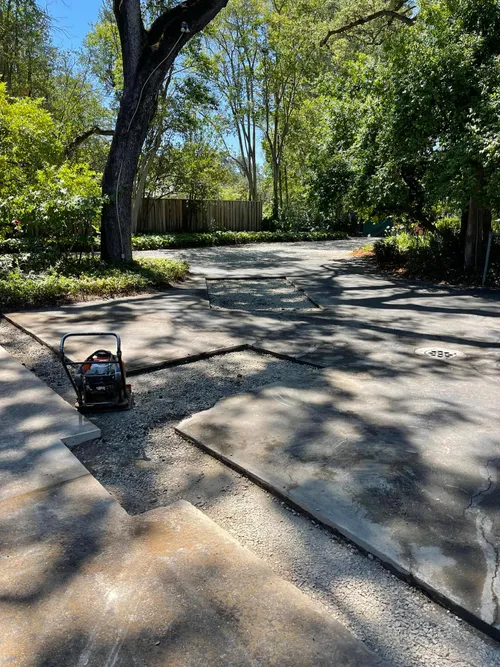
Coastal Paving is an asphalt contractor based in Anaheim, CA, offering a wide range of services including asphalt paving, patching, striping, sealcoating, driveway installation, parking lot repair, and resurfacing. They serve clients in Anaheim and nearby areas, providing durable and visually appealing asphalt surfaces using high-quality materials and advanced technology. Coastal Paving's experienced team handles projects of various sizes, from residential driveways to large commercial parking lots, ensuring precise workmanship and attention to detail. Their services are designed to extend the lifespan of asphalt surfaces and maintain safety and compliance through clear striping and effective repairs.
HKY Asphalt Paving of Orange County
Long Beach, CA
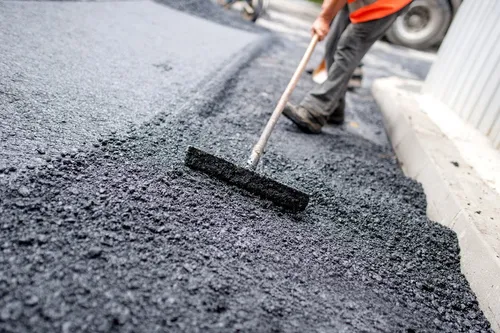
HKY Asphalt Paving of Orange County is a family-owned business serving Long Beach, CA, and the surrounding Orange County area. They provide residential and commercial paving services including asphalt paving, sealcoating, parking lot striping, resurfacing, and repair. With thirty years of experience, they understand the local climate and use materials suited for Southern California conditions. Their capabilities include milling asphalt surfaces before repaving and installing speed bumps that meet compliance standards. The company emphasizes honest assessments and clear communication throughout each project.
What is Parking Lot Resurfacing?
Parking lot resurfacing, often called an overlay, is the process of installing a new layer of hot-mix asphalt over an existing, structurally sound pavement base. It is not a full reconstruction but a surface renewal. This approach is ideal for lots showing signs of aging like cracks, fading, minor surface irregularities, and weathering, but where the underlying foundation remains intact. The new layer, typically 1.5 to 2 inches thick, provides a fresh, smooth, and durable driving surface, effectively resetting the clock on your pavement's lifespan.
The key distinction is between resurfacing and full repaving. Resurfacing addresses surface wear, while repaving involves completely removing the old asphalt and base, then rebuilding from the ground up. Choosing the correct method depends on a professional assessment of your lot's sub-base condition.
The Resurfacing Process: A Step-by-Step Guide
A successful overlay project in San Clemente follows a meticulous sequence to ensure longevity and compliance.
-
Site Inspection & Assessment: A reputable contractor will first evaluate your lot's condition. They look for issues like alligator cracking, potholes, and drainage problems to determine if the base has less than 30% damage-a general rule of thumb for a viable resurfacing candidate. This step is crucial to avoid overlaying a failing base, which will lead to quick failure.
-
Permitting: Before any work begins, the proper permits must be secured from the City of San Clemente. For parking lot work, this typically involves an encroachment permit if work touches the public right-of-way (like driveway aprons) and general construction permits for paving and restriping 1. Contractors usually handle this, submitting site plans, traffic control plans, and proof of licensing.
-
Preparation & Cleaning: The existing surface is thoroughly cleaned of debris, oil stains, and vegetation. Often, the top 1.5 to 3 inches of the old asphalt is milled (ground) off. This ensures proper elevation for the new layer, maintains curb heights, and provides a clean, textured surface for the new asphalt to bond to.
-
Repairs & Tack Coat: Any remaining potholes or localized base failures are repaired. Then, a tack coat-a thin layer of liquid asphalt-is sprayed onto the prepared surface. This acts as a powerful adhesive, creating a strong bond between the old pavement and the new overlay.
-
Paving Installation: Hot-mix asphalt is delivered and spread evenly across the lot using a paving machine. The material is then compacted with heavy rollers while it is still hot to achieve the proper density and smoothness, eliminating air pockets. This new layer is usually about 2 inches thick.
-
Striping, Curing & Reopening: Once the new asphalt has cooled and cured sufficiently (usually 24-48 hours), new pavement markings are applied. These must comply with California and federal ADA standards for stall dimensions, access aisles, and signage. The lot can typically handle light traffic within a day or two, with full curing taking a bit longer.
Find the perfect parking lot resurfacing contractors for your needs
Get personalized recommendations and expert advice
San Clemente Permits and Regulations
Navigating local regulations is a non-negotiable part of any pavement project. The City of San Clemente has specific requirements to ensure safety and compliance.
- Permit Requirements: Permits are required for paving, resealing, and restriping work 2 3. Your contractor will typically pull these permits, which involve submitting a site plan, layout, and details on drainage and erosion control.
- Encroachment Permits: If your project involves work in the public right-of-way-such as modifying a driveway entrance or sidewalk-a separate encroachment permit from the city is mandatory 4.
- ADA Compliance: This is strictly enforced. After resurfacing, all parking stall striping must be redone to meet current ADA standards, including proper width for accessible stalls, slope gradients, and the installation of required signage 5.
- HOA & Planning Approvals: If your property is part of a homeowners association (HOA) or a commercial center with specific covenants, you may need additional approvals before work can commence.
When is the Best Time for Resurfacing in San Clemente?
Timing is a critical factor for a successful asphalt overlay. The ideal paving window in Southern California is during dry weather, typically from late spring through early fall 6.
- Temperature: Asphalt requires warm ground and air temperatures (consistently above 50°F) for proper compaction and curing. Cold weather can cause the material to cool too quickly, leading to poor density and premature raveling or cracking.
- Moisture: Rain is the enemy of fresh asphalt. It can cool the mix too rapidly, prevent proper compaction, and ruin the prepared base. Scheduling during San Clemente's long dry season minimizes weather-related delays and defects.
- Planning: Contacting contractors for assessments and quotes in early spring can help you secure a spot on their schedule for the prime paving season.
Understanding Costs for Parking Lot Overlays
The cost of parking lot resurfacing in San Clemente is primarily calculated per square foot and varies based on the project's size, condition, and scope.
- Resurfacing (Overlay) Costs: For the overlay work itself, property owners can expect an average range of $1.50 to $3.00 per square foot7. This covers the new asphalt material and installation.
- Total Project Cost Factors: The final price includes much more than just the asphalt. Key factors are:
- Lot Size: Smaller lots (under 10,000 sq ft) often have a higher per-square-foot cost due to fixed mobilization and equipment fees. Larger projects benefit from economies of scale.
- Site Preparation: Extensive milling, major base repairs, or complicated drainage work will add to the cost.
- Permits & Striping: City permit fees and the cost of new, compliant striping and signage are necessary add-ons.
- Access & Complexity: Tight sites with limited access for large trucks and equipment may incur additional charges.
For comparison, a full parking lot replacement (repaving) is a more extensive and costly undertaking, generally ranging from $4 to $10 per square foot, but it also offers a longer lifespan 8 9.
Summary: Resurfacing vs. Repaving
| Factor | Resurfacing (Overlay) | Repaving (Full Replacement) |
|---|---|---|
| Cost | $1.50 - $3.00 per sq ft (overlay only) | $4 - $10+ per sq ft |
| Duration | 1 - 3 Days | 1 - 2 Weeks |
| Lifespan | 8 - 15 Years | 20 - 25 Years |
| Best For | Solid base, surface wear & aging | Failed base, severe alligator cracking, drainage issues |
Maintaining Your Newly Resurfaced Lot
Protecting your investment starts as soon as the project is complete. A proactive maintenance plan is essential.
- Allow Proper Cure Time: Keep heavy vehicles off the new surface for the first few days as recommended by your contractor.
- Sealcoating: After the asphalt has fully cured (usually 6-12 months), apply a quality sealcoat. This protective layer shields against UV rays, gas, oil, and water penetration. Sealcoating in California typically costs between $0.15 and $0.30 per square foot 10.
- Prompt Repairs: Address small cracks and potholes immediately with crack sealing and patching to prevent water from infiltrating and damaging the base.
- Regular Cleaning: Keep the lot free of debris, standing water, and chemical spills.
Frequently asked questions
Sources
Footnotes
-
Land Development & Permits | San Clemente, CA - https://www.sanclemente.gov/220/Land-Development-Permits ↩
-
Land Development & Permits | San Clemente, CA - https://www.sanclemente.gov/220/Land-Development-Permits ↩
-
Permits | San Clemente, CA - https://www.sanclemente.gov/258/Permits ↩
-
Parking Lot restriping - San Clemente, CA - https://www.sanclemente.gov/DocumentCenter/View/574/Parking-Lot-Restriping-PDF ↩
-
california - City of San Clemente - https://www.sanclemente.gov/DocumentCenter/View/350 ↩
-
Parking Lot Resurfacing: Complete Cost Guide & Process [2025] - C&C Super Seal - https://www.candcsuperseal.com/parking-lot-resurfacing-complete-cost-guide-process-2025/ ↩
-
Parking Lot Resurfacing: Complete Cost Guide & Process [2025] - https://www.candcsuperseal.com/parking-lot-resurfacing-complete-cost-guide-process-2025/ ↩
-
How Much Does Parking Lot Paving Cost in 2025? - Eli's Paving - https://elispaving.com/how-much-does-parking-lot-paving-cost-in-2025/ ↩
-
Cost to Pave a Parking Lot Price Guide [2026 Data] | Angi - https://www.angi.com/articles/cost-to-pave-parking-lot.htm ↩
-
How Much Does It Cost to Seal an Asphalt Parking Lot in California [ ... - https://soscopaving.com/2025/05/15/parking-lot-sealcoating-costs-in-california-2025-data/ ↩