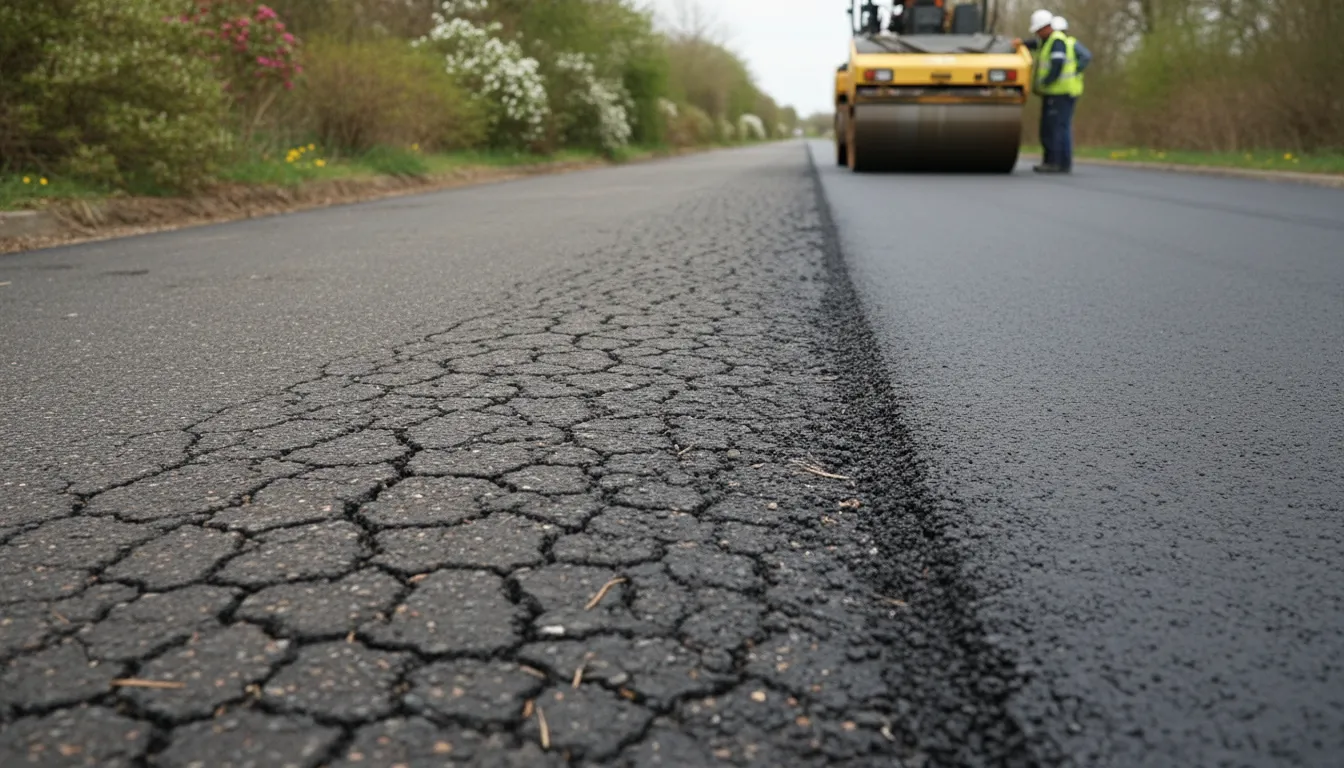
Find the Best Parking Lot Resurfacing Contractors for Your Business
No obligation • Fast responses • Nationwide coverage
Why you can trust Tidy Parking
Tidy Parking is a leading U.S. source for parking lot maintenance services, including striping, sealcoating, sweeping, paving, resurfacing, and repairs. Our content is created independently, and providers cannot pay to influence ratings or recommendations.
Search providers near you
Top Parking Lot Resurfacing Contractors in Newport Beach, California Ranked
A parking lot resurfacing project is a major investment that restores the appearance, safety, and longevity of your asphalt pavement. For property owners and managers in Newport Beach, this process involves applying a new layer of asphalt over an existing, structurally sound base to address surface wear, cracking, and weathering. A successful overlay not only enhances curb appeal but also protects your underlying investment from costly foundational damage. This guide explains the local process, costs, and regulations to help you plan your project and connect with qualified local paving professionals.
City Service Asphalt
769 Beverly Rd, Corona, CA 92879
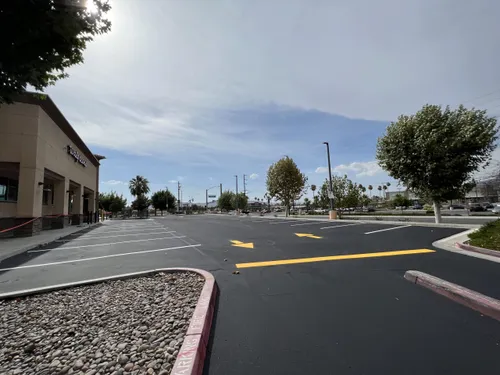
City Service Asphalt is a family-owned paving company serving Los Angeles, CA, and Southern California with over 25 years of experience. They provide commercial and residential asphalt and concrete paving services, including parking lot striping, sealcoating, resurfacing, crack sealing, and ADA-compliant access improvements. The company handles projects of all sizes, from small repairs to large-scale commercial parking lots, using commercial-grade materials and in-house crews to ensure quality and durability. City Service Asphalt also offers asphalt overlay and removal services to restore and maintain pavement surfaces effectively. Their operations cover a broad range of clients, including retail centers, multifamily units, schools, and public works.
Pavescapes
1340 E Pomona St, Santa Ana, CA 92705
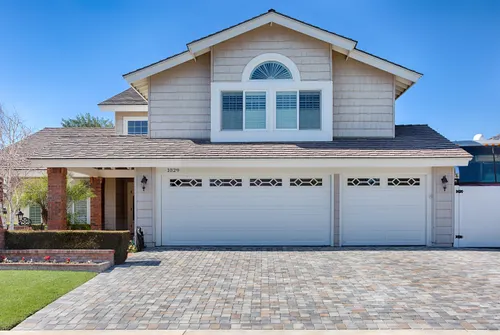
Pavescapes is a parking lot resurfacing contractor based in Santa Ana, CA, specializing in thin paver installations over existing concrete surfaces. Serving Orange County, San Diego County, San Bernardino County, Ventura County, and Coachella Valley, they offer an overlay system that preserves the underlying concrete, avoiding demolition and reducing waste. This method addresses cracked, stained, or unsightly concrete and supports eco-friendly practices by minimizing material disposal. Pavescapes installs over failing overlay systems and provides a non-slip surface ideal for pool decks and other areas.
Bay Cities Paving Inc
931 Mahar Avenue, 1314 North Avalon Boulevard Ste A, Wilmington, CA 90744
Bay Cities Paving Inc is a family-owned asphalt and concrete contractor serving Los Angeles, CA, with over 40 years of experience. They provide a range of services including parking lot paving, resurfacing, sealcoating, striping, and repair for commercial, industrial, and residential properties. The company handles projects from shopping malls and restaurants to single-family driveways, applying expert techniques and quality materials to ensure durable results. Established in 1984, Bay Cities Paving also offers sign installation services and educational seminars for property managers to address safety concerns.
Bay Cities Paving
Long Beach, CA
Bay Cities Paving is a parking lot paving and repair company serving Long Beach, CA, and surrounding Orange County communities. With over 30 years of experience, they provide comprehensive asphalt and concrete services including parking lot striping, sealcoating, resurfacing, and repair. Their expertise covers residential, commercial, and industrial properties, with capabilities such as asphalt milling, crack sealing, and ADA-compliant parking lot paving. The company emphasizes local knowledge of Southern California's climate and soil conditions to deliver durable pavement solutions. Bay Cities Paving offers emergency services and weekend consultations by appointment.
Blue Diamond Inglewood Asphalt
2021 W Gaylord St, Long Beach, CA 90813
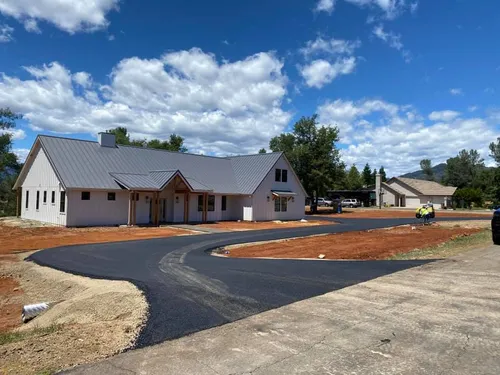
Blue Diamond Inglewood Asphalt is a parking lot and driveway contractor based in Long Beach, CA. They provide a range of asphalt services including paving, patching, striping, sealcoating, resurfacing, and repairs tailored to commercial and residential properties. Their team uses high-quality materials and modern equipment to ensure durable and smooth asphalt surfaces. The company emphasizes safety on job sites and offers free consultations to help clients plan their projects. Their expertise includes asphalt paving and sealcoating, which protect and extend the life of paved surfaces.
What is Parking Lot Resurfacing?
Parking lot resurfacing, often called an asphalt overlay, is the process of installing a new layer of hot mix asphalt over an existing pavement. This is a cost-effective solution when the foundation of your lot is still solid but the surface shows significant signs of age, such as widespread cracking, raveling (loose aggregate), oxidation (fading to gray), and minor surface irregularities. It's a major pavement preservation technique that extends the life of your parking area by 8-15 years with proper maintenance 1.
The key distinction is that resurfacing is not a repair for foundational failure. If your lot has severe alligator cracking, deep potholes, or areas of standing water that indicate base failure, a full reconstruction may be necessary. A professional assessment will determine if your Newport Beach property is a good candidate for an overlay, where the primary goal is to seal the surface and restore a smooth, uniform, and durable driving area.
The Resurfacing Process: A Step-by-Step Overview
A professional asphalt overlay in Newport Beach follows a meticulous sequence to ensure a long-lasting result. Understanding these steps helps you know what to expect from local contractors.
1. Professional Assessment & Planning The first step is a thorough evaluation of your existing pavement. A qualified contractor will inspect for surface damage like cracks and potholes, but more importantly, assess the structural integrity of the base and subgrade. They will identify areas that need localized repair before the overlay can be applied. This stage also involves measuring the square footage and planning for logistics like material delivery and equipment staging.
2. Securing Newport Beach Permits Most commercial parking lot resurfacing projects in Newport Beach require a building permit from the City of Newport Beach Building Division. You or your contractor will need to submit plot plans (minimum 18" x 24") for a plan check. If any part of the work, such as equipment staging or material storage, will encroach on a public sidewalk or street, you will also need a Public Works Encroachment Permit2. It's crucial to factor permit processing time into your project schedule.
3. Site Preparation & Repairs This critical phase prepares the surface to bond with the new asphalt. The lot is thoroughly cleaned and swept. All vegetation growing through cracks is removed. Then, any existing cracks are cleaned and sealed, and potholes are patched. Sometimes a milling machine is used to grind down high spots or existing pavement markings to create a uniform surface. A tack coat (a sticky asphalt emulsion) is often applied to the old pavement to ensure a strong bond with the new overlay.
4. Applying the Asphalt Overlay Hot mix asphalt is delivered and spread by a paving machine to a consistent depth, typically between 1.5 and 2 inches for a commercial parking lot in Newport Beach. The material is then compacted with heavy rollers while it is still hot to achieve the proper density and smoothness. Proper compaction is essential for durability and preventing premature raveling.
5. Final Touches: Curing and Striping After compaction, the new asphalt must cure, which can take 24-72 hours before it can handle full traffic loads. Once fully cured, the final step is re-striping the lot. All markings, including stall lines, directional arrows, handicap spaces, and fire lanes, must be repainted to meet current City of Newport Beach standards and the Americans with Disabilities Act (ADA) requirements.
Find the perfect parking lot resurfacing contractors for your needs
Get personalized recommendations and expert advice
Newport Beach Regulations and Compliance
Navigating local regulations is a vital part of any paving project in Newport Beach. Compliance ensures your project is legal, safe, and avoids future liabilities.
- Building Permits: A permit is generally required for resurfacing projects that alter the parking lot's configuration or improve its structural capacity. The Building Division reviews plans to ensure compliance with city codes 3.
- Design Standards: All work must conform to the City of Newport Beach Design Criteria and Standard Drawings. These documents specify requirements for materials, pavement thickness, drainage slopes, and curb details 4.
- Coastal Commission Review: Properties located within Newport Beach's coastal zone may be subject to additional review by the California Coastal Commission to ensure the project is consistent with the Local Coastal Program, which protects coastal resources 5.
- Parking Code: Chapter 20.40 of the Newport Beach Municipal Code governs off-street parking, including requirements for stall dimensions, aisle widths, and the number of required accessible spaces. Any restriping must comply with these updated standards 6.
When is the Best Time for Resurfacing in Newport Beach?
Timing your project correctly is crucial for optimal results. Asphalt requires specific conditions to be placed and compacted properly.
The ideal window for asphalt overlay work in Newport Beach is from late spring through early autumn (April to October). This period typically offers the warm, dry weather necessary for the job. Asphalt needs to stay hot to be workable, and it must be laid on a dry base. Rain can cool the mix too quickly, prevent proper compaction, and even wash away the tack coat, leading to bonding failures.
Perhaps even more important than air temperature is ground temperature. The existing pavement and base need to be warm-generally above 50°F-to allow the new asphalt to compact effectively and form a strong bond. Attempting an overlay during cooler winter months often results in a less durable surface that is prone to premature cracking 7.
Understanding Costs for Newport Beach Projects
The cost of parking lot resurfacing in Newport Beach is primarily quoted per square foot, with the total price driven by the size of your lot and the extent of preparatory repairs needed.
Current data indicates a typical price range of $1 to $3 per square foot for the resurfacing work itself in this area. This wide range accounts for variables like the thickness of the overlay, the current price of asphalt (which is tied to oil markets), and the complexity of the site.
To provide a clearer picture, here are some estimated project totals based on common lot sizes:
- Small Commercial Lot (approx. 10,000 sq. ft.): For a basic overlay, you might expect a total project cost in the range of $10,000 to $30,000.
- Large Lot or Complex Site (15,000-35,000+ sq. ft.): For lots that accommodate 50-100+ cars, costs can scale significantly, ranging from $45,000 to $350,000 or more. This higher end includes extensive crack sealing, patching, drainage adjustments, and compliance with stringent local standards for larger developments 8 9.
It's important to note that these are estimates. The final price for your specific property will depend on a detailed assessment, the current cost of materials, and the contractor's availability. Always obtain multiple detailed quotes that break down costs for preparation, materials, labor, permits, and striping.
Frequently asked questions
Sources
Footnotes
-
Parking Lot Repair, Resurfacing, or Replacement: Which is Right for You? - https://emeier.com/parking-lot-repair-resurfacing-or-replacement-which-is-right-for-you/ ↩
-
Permits - City of Newport Beach - https://www.newportbeachca.gov/government/departments/public-works/permits ↩
-
Plan Checks, Permits & Inspections - City of Newport Beach - https://www.newportbeachca.gov/government/departments/community-development/building-division/plan-checks-permits-inspections ↩
-
Standard Drawings - City of Newport Beach - https://www.newportbeachca.gov/government/departments/public-works/resources/standard-drawings ↩
-
CALIFORNIA COASTAL COMMISSION SUMMARY OF STAFF ... - https://documents.coastal.ca.gov/reports/2016/9/th21c-9-2016.pdf ↩
-
Chapter 20.40 OFF-STREET PARKING - General Code - https://www.codepublishing.com/CA/NewportBeach/html/NewportBeach20/NewportBeach2040.html ↩
-
Commercial Parking Lot Paving Costs and Timelines - https://www.kandlindustries.com/commercial-parking-lot-paving-costs/ ↩
-
Parking Lot Resurfacing: Complete Cost Guide & Process [2025] - https://www.candcsuperseal.com/parking-lot-resurfacing-complete-cost-guide-process-2025/ ↩
-
How Much Does It Cost to Build a Parking Lot? (2026) - HomeGuide - https://homeguide.com/costs/cost-to-build-a-parking-lot ↩