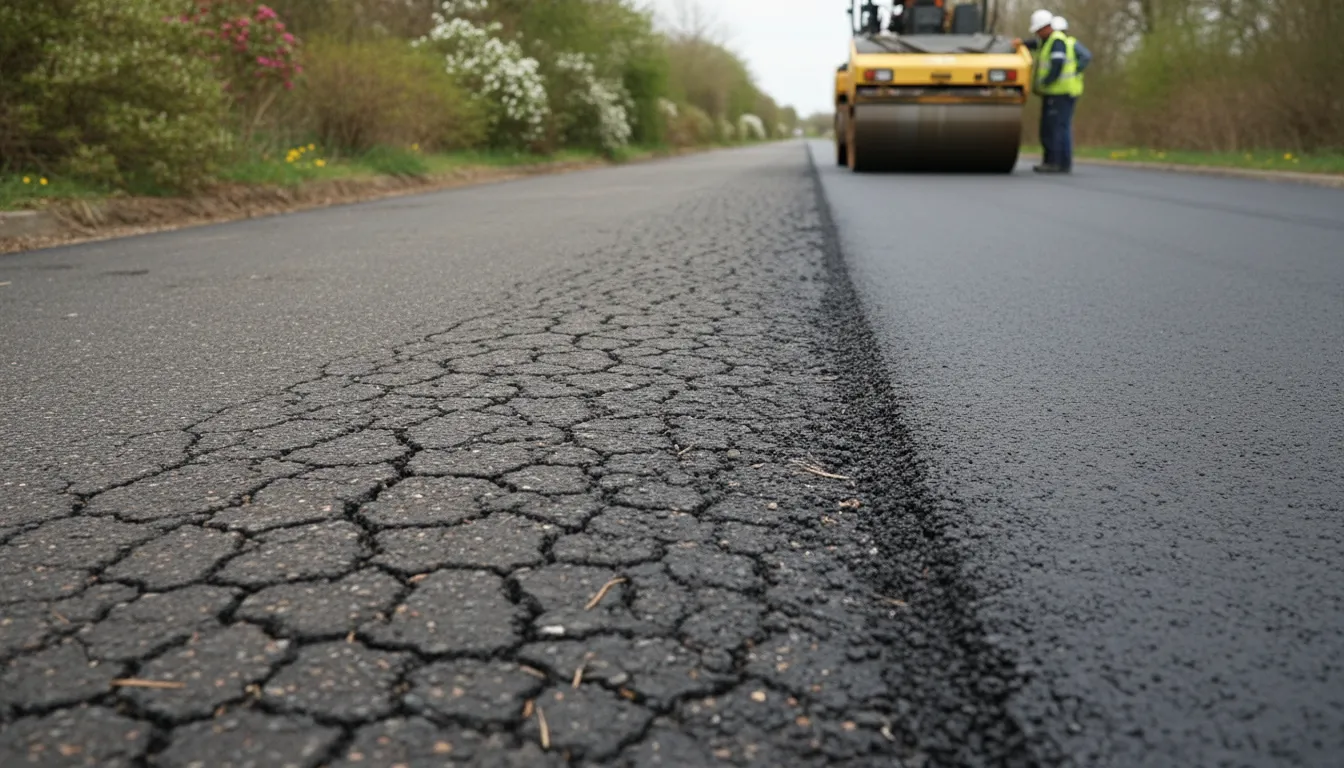
Find the Best Parking Lot Resurfacing Contractors for Your Business
No obligation • Fast responses • Nationwide coverage
Why you can trust Tidy Parking
Tidy Parking is a leading U.S. source for parking lot maintenance services, including striping, sealcoating, sweeping, paving, resurfacing, and repairs. Our content is created independently, and providers cannot pay to influence ratings or recommendations.
Search providers near you
Top Parking Lot Resurfacing Contractors in Lakewood, California Ranked
Parking lot resurfacing is a strategic maintenance process that restores a worn asphalt surface, extending its life and improving safety without the high cost of a full reconstruction. In California, this service is particularly vital due to the state's intense sun, seasonal rains, and strict environmental regulations. A well-executed resurfacing project can save property owners significant money while preserving a professional appearance. This guide explains the key considerations, costs, and processes for parking lot resurfacing in California to help you make informed decisions and connect with qualified local professionals.
Pavescapes
1340 E Pomona St, Santa Ana, CA 92705
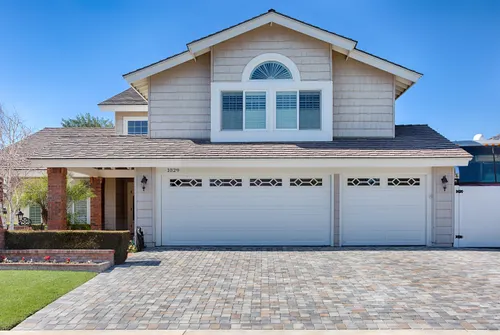
Pavescapes is a parking lot resurfacing contractor based in Santa Ana, CA, specializing in thin paver installations over existing concrete surfaces. Serving Orange County, San Diego County, San Bernardino County, Ventura County, and Coachella Valley, they offer an overlay system that preserves the underlying concrete, avoiding demolition and reducing waste. This method addresses cracked, stained, or unsightly concrete and supports eco-friendly practices by minimizing material disposal. Pavescapes installs over failing overlay systems and provides a non-slip surface ideal for pool decks and other areas.
Bay Cities Paving Inc
931 Mahar Avenue, 1314 North Avalon Boulevard Ste A, Wilmington, CA 90744
Bay Cities Paving Inc is a family-owned asphalt and concrete contractor serving Los Angeles, CA, with over 40 years of experience. They provide a range of services including parking lot paving, resurfacing, sealcoating, striping, and repair for commercial, industrial, and residential properties. The company handles projects from shopping malls and restaurants to single-family driveways, applying expert techniques and quality materials to ensure durable results. Established in 1984, Bay Cities Paving also offers sign installation services and educational seminars for property managers to address safety concerns.
Bay Cities Paving
Long Beach, CA
Bay Cities Paving is a parking lot paving and repair company serving Long Beach, CA, and surrounding Orange County communities. With over 30 years of experience, they provide comprehensive asphalt and concrete services including parking lot striping, sealcoating, resurfacing, and repair. Their expertise covers residential, commercial, and industrial properties, with capabilities such as asphalt milling, crack sealing, and ADA-compliant parking lot paving. The company emphasizes local knowledge of Southern California's climate and soil conditions to deliver durable pavement solutions. Bay Cities Paving offers emergency services and weekend consultations by appointment.
Blue Diamond Inglewood Asphalt
2021 W Gaylord St, Long Beach, CA 90813
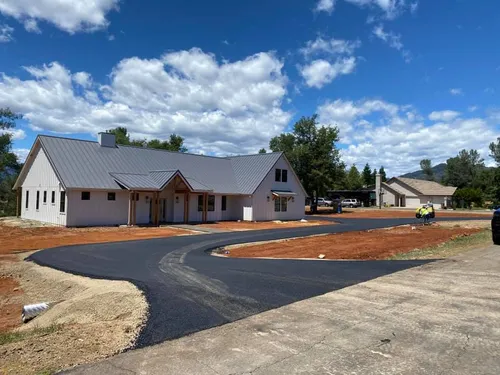
Blue Diamond Inglewood Asphalt is a parking lot and driveway contractor based in Long Beach, CA. They provide a range of asphalt services including paving, patching, striping, sealcoating, resurfacing, and repairs tailored to commercial and residential properties. Their team uses high-quality materials and modern equipment to ensure durable and smooth asphalt surfaces. The company emphasizes safety on job sites and offers free consultations to help clients plan their projects. Their expertise includes asphalt paving and sealcoating, which protect and extend the life of paved surfaces.
Valley Paving
Anaheim, CA
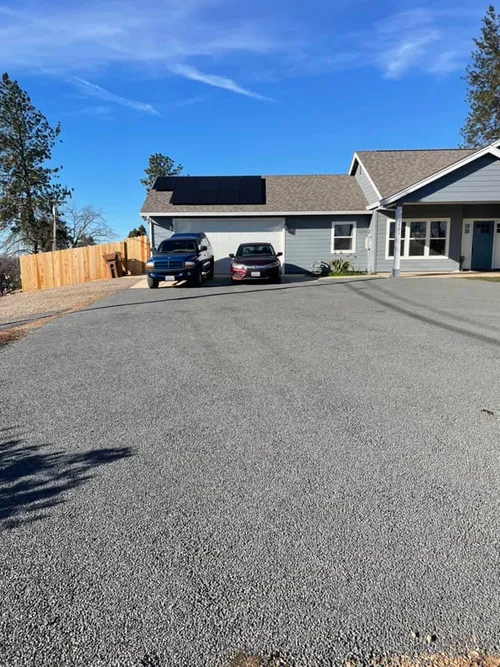
Valley Paving is an asphalt contractor based in Anaheim, CA, providing a range of services including asphalt paving, patching, striping, sealcoating, resurfacing, and parking lot repair. The company serves both residential and commercial clients, focusing on durable and long-lasting asphalt solutions tailored to local climate and traffic conditions. Valley Paving uses high-quality materials and advanced equipment to ensure precise and efficient work. Their expertise covers everything from driveways to large parking lots, with personalized service throughout each project.
Understanding Parking Lot Resurfacing
Resurfacing, often called an overlay, is a cost-effective solution for asphalt that is aged, faded, and cracked but has a structurally sound base. The process typically involves milling (grinding off) the top 1-2 inches of deteriorated pavement and then applying a fresh layer of new hot-mix asphalt. This approach addresses surface wear, improves ride quality, and restores a clean, black appearance. It is distinct from sealcoating, which is a protective coating, and full reconstruction, which involves complete removal and replacement of the pavement and its base 1.
For California properties, resurfacing is a smart investment. It can add 8-15 years of service life to your pavement and saves an estimated 40-60% compared to the cost of a total replacement. This makes it an essential part of a long-term asset management plan for commercial properties, retail centers, and multi-family housing complexes.
Key Considerations for California Climates
California's diverse climate presents unique challenges for pavement longevity. A successful resurfacing project must account for these regional factors.
- Sun and Heat: Prolonged exposure to UV rays can oxidize and dry out asphalt binder, making it brittle and prone to cracking. Specifying high-quality, rut-resistant asphalt mixes designed for high temperatures is crucial.
- Rain and Drainage: While Southern California is arid, Northern California and coastal areas experience significant winter rains. Proper drainage is non-negotiable. A minimum 2% slope is recommended to ensure water flows off the surface and into drains, preventing pooling that can seep into and destroy the sub-base 2 3.
- Material Standards: The standard for durable parking lot surfaces in California is Type A or B hot-mix asphalt, applied at temperatures between 280°F and 310°F to ensure proper compaction and longevity.
Costs of Resurfacing in California
Parking lot resurfacing costs in California are typically quoted per square foot and vary based on project size, accessibility, existing base conditions, and regional material/labor rates.
- Commercial Resurfacing/Overlay: Generally ranges from $0.90 - $2.00 per square foot 4.
- New Asphalt Paving (Full Reconstruction): Costs between $2.00 - $4.50 per square foot 5 6.
- Base Repair: If sections of the base have failed, additional costs will be incurred for excavation and repair before resurfacing can proceed.
To illustrate, a typical 300-car parking lot (approximately 100,000 square feet) could see resurfacing costs starting in the tens of thousands of dollars, with complex projects requiring significant base repair reaching $700,000 or more 7. It's important to get detailed, itemized quotes that outline milling, material, compaction, and any necessary repair work.
Find the perfect parking lot resurfacing contractors for your needs
Get personalized recommendations and expert advice
The Resurfacing Process: What to Expect
A professional resurfacing project follows a systematic approach to ensure a durable result.
- Site Inspection and Quote: A contractor will assess the pavement's condition, check drainage, and identify any underlying base issues. They will provide a detailed scope of work and cost estimate.
- Preparation (Milling): Heavy machinery mills off the damaged top layer of asphalt. This creates a clean, textured surface for the new layer to bond to and helps maintain proper curb heights and drainage flow lines.
- Repairs: Any cracked or unstable sections of the base are excavated, compacted, and filled with new base material.
- Tack Coat Application: A thin layer of liquid asphalt binder is sprayed onto the milled surface to promote adhesion between the old and new pavement.
- Asphalt Placement and Compaction: The new hot-mix asphalt is laid at the proper thickness (typically 1.5-2 inches for a resurface) and immediately compacted with rollers to achieve the required density and smoothness 8.
- Cooling and Striping: The new asphalt must cool and cure before it can be opened to traffic. Once cured, new pavement striping and markings are applied to meet local codes.
Regulatory and Environmental Factors
California has specific regulations that can impact parking lot projects.
- Low Impact Development (LID): In many cities like Oakland, projects over 5,000 square feet may trigger strict LID standards for stormwater management 9. This can require the integration of permeable paving, bioswales, or other engineered solutions to manage runoff on-site, which must be factored into planning and budgeting.
- Local Permits: Always check with your local building or public works department for required permits related to pavement work, especially if it involves altering drainage patterns or curb cuts.
Maintaining Your Newly Resurfaced Lot
Protect your investment with a consistent maintenance plan.
- Sealcoating: Apply a protective sealcoat every 3-5 years. This shields the asphalt from UV oxidation, gasoline, oil, and water penetration, significantly extending its life 10 11.
- Striping and Markings: Re-stripe your lot every 18-24 months, or more frequently in high-traffic areas, to ensure safety and ADA compliance 12.
- Regular Cleaning and Repair: Sweep regularly to remove debris and standing water. Promptly fill any new cracks with sealant to prevent water from infiltrating the base.
Frequently asked questions
Sources
Footnotes
-
Costs and Differences of Asphalt Parking Lot Resealing ... - https://www.andersonandsonsasphalt.com/costs-and-differences-of-asphalt-parking-lot-resealing-resurfacing-and-repaving/ ↩
-
What Is the Minimum Slope for Parking Lot Drainage? - https://4lconcretesolutions.com/concrete-contractor/parking-lot-construction/what-is-the-minimum-slope-for-parking-lot-drainage/ ↩
-
Preventing Water Damage: Proper Drainage in Your Parking Lot - https://acplm.net/preventing-water-damage/ ↩
-
Northern California Parking Lot Paving: The Commercial ... - https://www.advantageasphalt.com/resources/northern-california-parking-lot-paving-guide ↩
-
Parking Lot Resurfacing: Complete Cost Guide & Process [2025] - https://www.candcsuperseal.com/parking-lot-resurfacing-complete-cost-guide-process-2025/ ↩
-
Cost to Pave a Parking Lot Price Guide [2026 Data] | Angi - https://www.angi.com/articles/cost-to-pave-parking-lot.htm ↩
-
How To Budget for Repaving a Parking Lot or Playground - - https://arnoldasphalt.com/how-to-budget-for-repaving-a-parking-lot-or-playground/ ↩
-
Commercial Asphalt Thickness Standards in California - https://www.welovepaving.com/commercial-asphalt-thickness-standards-in-california/ ↩
-
Parking Lot Pavement Maintenance - Oakland, CA - https://www.oaklandca.gov/files/assets/city/v/1/planning-amp-building/documents/pc/supp-forms/parking-lot-maintenance-tip-sheet-final-20231206.pdf ↩
-
Asphalt Parking Lots: The Ultimate Guide to Maintenance - https://www.calvacpaving.com/asphalt-parking-lots-the-ultimate-guide/ ↩
-
Asphalt vs. Concrete Parking Lot Construction - DRYCO - https://www.dryco.com/blog/asphalt-parking-lot-construction/ ↩
-
Complete Guide to Parking Lot Striping in California - https://bowmanparkinglotstriping.com/complete-guide-to-parking-lot-striping-in-california/ ↩