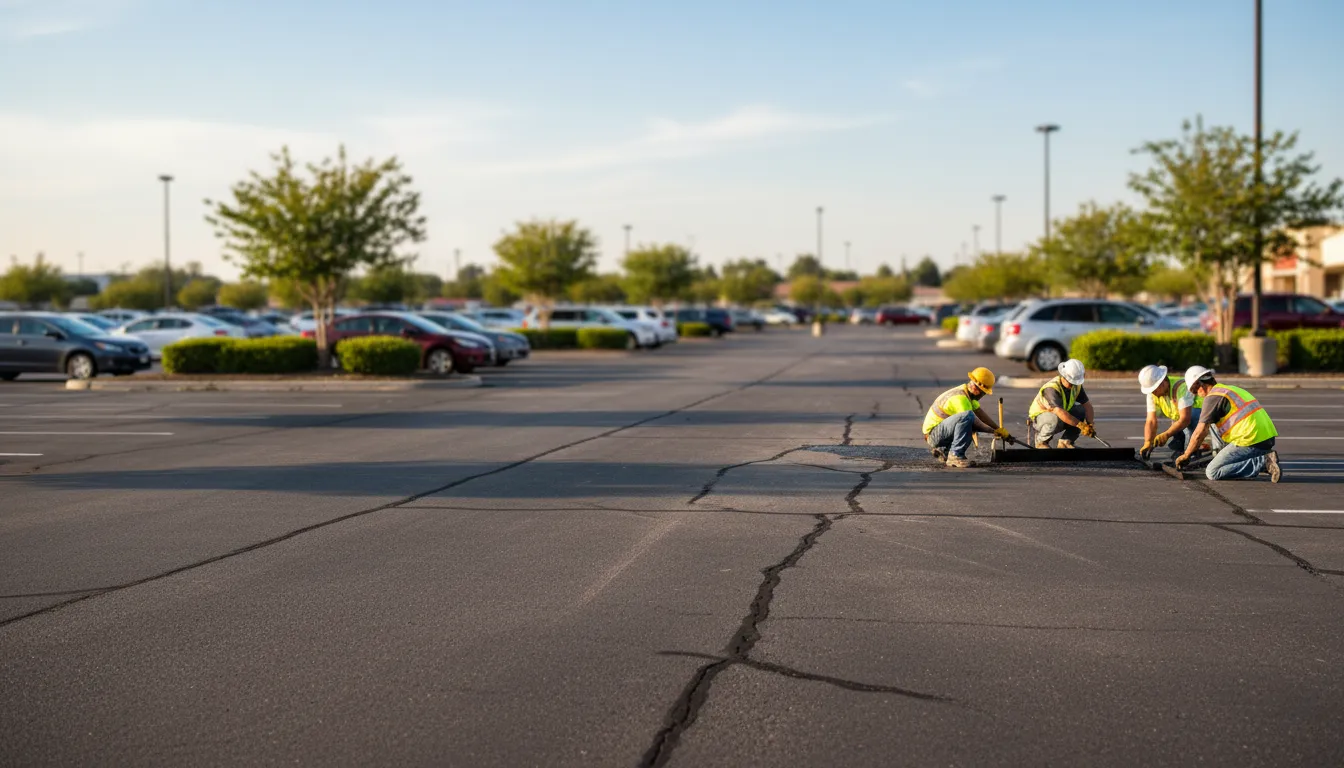
Find the Best Parking Lot Repair Companies for Your Business
No obligation • Fast responses • Nationwide coverage

Why you can trust Tidy Parking
Tidy Parking is a leading U.S. source for parking lot maintenance services, including striping, sealcoating, sweeping, paving, resurfacing, and repairs. Our content is created independently, and providers cannot pay to influence ratings or recommendations.
Search providers near you
Top Parking Lot Repair Companies in San Antonio, Texas Ranked
Maintaining a safe, functional, and professional parking lot is a critical responsibility for any San Antonio business or property manager. The relentless Texas sun, intense heat, and sudden downpours create a perfect storm for asphalt deterioration, leading to cracks, potholes, and surface failures. Parking lot repair encompasses a range of solutions-from crack sealing and patching to full resurfacing-designed to address damage, extend pavement life, and protect your investment. This guide will help you understand the common issues affecting local lots, the repair strategies used to fix them, and how to connect with qualified professionals in the San Antonio area to restore your pavement's integrity.
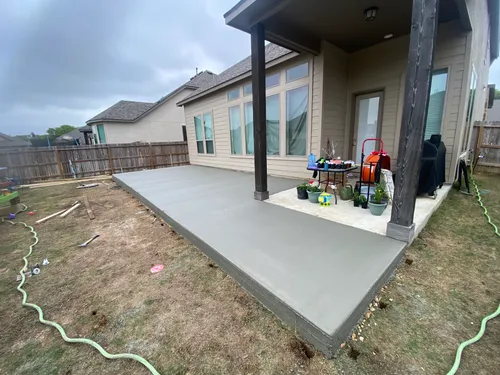
Double J Paving
1214 McIlvaine, San Antonio, TX 78201
Double J Paving is a parking lot paving contractor based in San Antonio, TX. They provide commercial asphalt paving and repairs, including saw-cut repairs and concrete flatwork designed to withstand heavy traffic. Their services also include seal coating and parking lot striping to help extend pavement life and maintain ADA-compliant layouts.
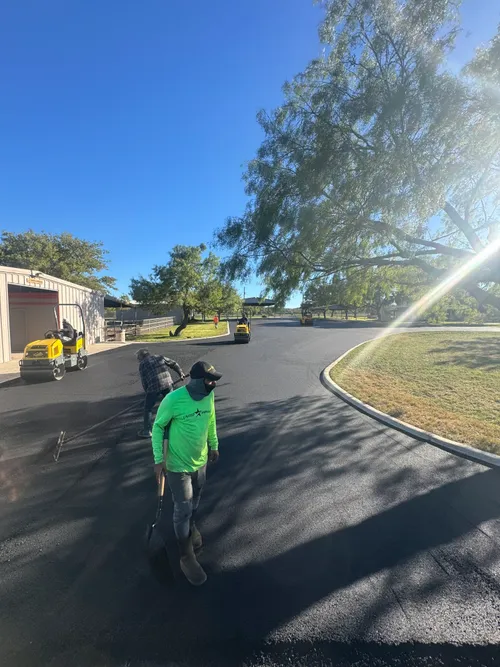
UA ROAD MAINTENANCE
12002 Warfield St Suite 215, San Antonio, TX 78216
UA ROAD MAINTENANCE is an asphalt contractor based in San Antonio, TX, serving commercial, industrial, and municipal clients. The company offers a range of services including asphalt paving, sealcoating, striping, milling, and repair. With over 10 years of experience, UA ROAD MAINTENANCE uses high-quality materials and modern equipment to complete projects efficiently and professionally. They serve San Antonio and surrounding areas including New Braunfels, Austin, and Boerne.
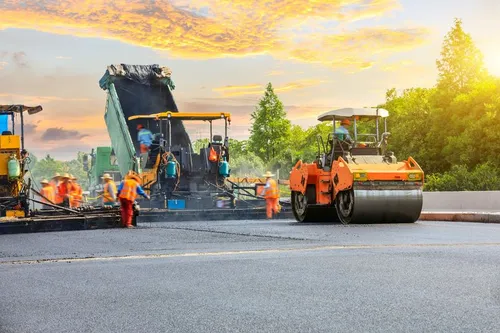
Pavecon
18680 Marbach Ln, San Antonio, TX 78266
Pavecon is a parking lot paving and repair company based in San Antonio, TX. They provide commercial and residential asphalt and concrete services, including paving, maintenance, and repairs. With over 30 years of experience since 1992, Pavecon focuses on delivering durable pavement solutions that protect property investments and enhance facility appearance. Their expertise includes asphalt patching and concrete repairs, supported by a tech-based evaluation process to ensure quality results and long-lasting protection.
Lukes Asphalt Paving
1033 Rainbow Dr, Spring Branch, TX 78070
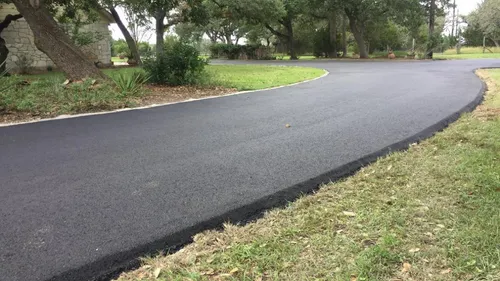
Luke's Asphalt Paving is a fourth-generation, family-owned asphalt paving contractor based in Spring Branch, Texas. Serving San Antonio and surrounding areas, they provide commercial and residential asphalt paving, seal coating, chip sealing, crack filling, and parking lot repair services. With over 55 years of experience, they focus on quality workmanship, including proper base preparation and precise drainage grading to ensure durable pavement. The company emphasizes customer satisfaction and maintains owner supervision on job sites.
G-FORCE Parking Lot Striping of San Antonio
San Antonio, TX
G-FORCE Parking Lot Striping of San Antonio is a veteran-owned business operated by Jose Ortiz, serving San Antonio, TX, and nearby communities. They specialize in parking lot striping, sealcoating, repair, warehouse floor markings, athletic field markings, ADA compliance striping, and parking lot sign installation. Using Sherwin-Williams premium traffic paints and advanced striping equipment, they focus on durable and precise pavement markings. Their services also include thermoplastic markings, crack sealing, pothole repair, bollard installation, and fire lane striping, ensuring safety and compliance for commercial properties.
Why San Antonio's Climate Demands Vigilant Pavement Maintenance
The unique environmental conditions in San Antonio and Central Texas are particularly harsh on asphalt pavement. Intense, year-round UV radiation causes oxidation, which dries out the asphalt binder, making it brittle and prone to cracking. Extreme summer heat further softens the pavement surface, while heavy rainstorms allow moisture to seep into any tiny fissures. When this water penetrates the subbase and expands due to temperature changes or freezes (on rare colder nights), it accelerates the breakdown from within, leading to potholes and structural failure. This cycle of thermal expansion, contraction, and moisture intrusion makes proactive parking lot maintenance and timely asphalt repair not just recommended, but essential for longevity.
Common Types of Parking Lot Damage in San Antonio
Identifying the specific type of damage on your property is the first step toward an effective repair plan. Here are the most frequent issues seen in local commercial lots:
- Alligator Cracking: Named for its resemblance to alligator skin, this interconnected web of cracks indicates a failing base or subgrade. It's often caused by traffic loads exceeding the pavement's design strength or by water-saturated, unstable base material. This is a serious sign of structural failure.
- Linear & Edge Cracks: Long, straight cracks often run parallel to the pavement edge or along control joints. Edge cracks are frequently caused by poor drainage, soil erosion, or excessive vegetation growth that dries out the supporting subgrade. Linear cracks can also signal shrinkage or underlying slab issues.
- Potholes: The most notorious form of pavement damage, potholes form when water infiltrates cracks, weakens the base, and traffic pops out the loosened asphalt chunks. San Antonio's heat-brittle asphalt is especially susceptible to this rapid deterioration once a crack forms.
- Raveling & Surface Degradation: This occurs when the aggregate (small stones) in the asphalt becomes dislodged, leaving a rough, pitted surface. It's often a result of oxidation from UV exposure or chemical spills like oil or gasoline, which soften and break down the asphalt binder 1 2.
- Settlement and Depressions: Low spots in the pavement where water pools. These areas indicate compaction issues in the base or subgrade and can lead to accelerated wear and ice formation in colder weather.
Professional Repair Solutions for Damaged Asphalt
For each type of damage, professional contractors employ specific asphalt repair techniques. The right solution depends on the extent, cause, and location of the problem.
Crack Sealing and Filling
This is a fundamental preventive maintenance procedure. For non-working cracks (those that don't move significantly with temperature), a hot-pour rubberized sealant is applied to block water and debris from entering the pavement structure 3. It's a cost-effective way to extend pavement life and is recommended for smaller, isolated cracks before they expand.
Patching and Pothole Repair
For isolated areas of damage like potholes or localized alligator cracking, patching is the standard fix. The damaged section is removed, the base is prepared and compacted, and new hot-mix asphalt is installed and rolled. For a seamless, bonded repair, some contractors use infrared technology to heat the existing asphalt around the pothole, allowing new material to be seamlessly integrated 4.
Sealcoating
While not a structural fix for cracks, sealcoating is a vital protective measure. This coal tar or asphalt-based emulsion is applied as a thin layer over the intact pavement surface. It acts as a barrier against UV rays, water, oil, and gasoline, significantly slowing the oxidation process that makes asphalt brittle. In San Antonio's climate, regular sealcoating every 2-3 years is one of the most effective ways to preserve your parking lot.
Asphalt Resurfacing (Overlay)
When the pavement base is still sound but the surface is extensively cracked, raveled, or worn, resurfacing is an excellent option. This involves milling off the top layer (if necessary) and applying a new, full-depth layer of hot-mix asphalt over the existing base 5. It's a more comprehensive solution than spot repairs, providing a brand-new driving surface at a fraction of the cost of full reconstruction. Resurfacing is typically recommended when damage affects 20-40% of the lot.
Find the perfect parking lot repair companies for your needs
Get personalized recommendations and expert advice
Understanding the Costs of Parking Lot Repairs
Repair costs in San Antonio vary widely based on the scope of damage, the repair method, and the size of the area. Here's a general overview based on common industry pricing:
- Minor Spot Repairs: Fixing a single standard pothole typically ranges from $100 to $300, depending on its size and depth.
- General Patching & Repair Work: For larger areas requiring removal and replacement of damaged asphalt, costs generally fall between $2 and $5 per square foot 6.
- Full Resurfacing (Overlay): Applying a new asphalt overlay over a stable base is a larger project, with costs typically ranging from $1 to $3 per square foot 7. The final price depends on the thickness of the new layer and any required milling.
- Sealcoating: As a protective maintenance measure, sealcoating is relatively inexpensive, usually costing between $0.15 and $0.25 per square foot, though this is highly dependent on lot condition and contractor.
It's crucial to remember that these are estimates. The most accurate way to determine cost is to obtain detailed quotes from reputable local contractors who can assess your specific situation.
Timing and Proactive Maintenance Strategies
Planning your parking lot maintenance can save money and headaches. The best time for most asphalt repairs and resurfacing in San Antonio is during the warmer, drier summer months 8. Hot-mix asphalt requires warm temperatures to properly compact and cure, ensuring a durable, long-lasting repair.
A proactive approach is always more economical than a reactive one. Industry experts recommend bi-annual inspections-once in the spring and once in the fall-to identify and address small issues before they escalate 9. A consistent maintenance plan including crack sealing, sealcoating, and prompt pothole repair can extend your pavement's life by decades and help you avoid the steep cost of a full-depth replacement, which becomes necessary when over 60-80% of the lot is damaged 10 11.
Choosing a Repair Contractor in San Antonio
Selecting the right professional is key to a successful project. Look for contractors with extensive local experience who understand regional soil conditions and climate challenges. They should be licensed, insured, and able to provide references from similar commercial projects. A trustworthy contractor will conduct a thorough inspection, explain the root cause of your pavement issues, and provide a clear, detailed written estimate outlining the recommended repair methods, materials, and timeline. Don't base your decision on price alone; the quality of materials and workmanship will determine the longevity of the repair.
Frequently asked questions
Sources
Footnotes
-
Asphalt Pavement Austin| How to Identify Damage - Alpha Paving - https://alphapavingtexas.com/how-to-identify-asphalt-pavement-damage/ ↩
-
Common Reasons To Consider Parking Lot Repair in Austin - https://lonestarpavingtx.com/common-reasons-to-consider-parking-lot-repair-in-austin/ ↩
-
How Weather Impacts Asphalt in Central Texas - https://www.contractorsasphalt.com/how-weather-impacts-asphalt-in-central-texas/ ↩
-
Parking Lot Maintenance & Repair Contractor - Austin - Stripe-It-Up - https://stripe-it-up.com/services/parking-lot-repair/ ↩
-
Asphalt Repair and Resurfacing in Texas - Inner Loop Construction - https://innerloopconstruction.com/services/asphalt-repair-and-resurfacing ↩
-
Understanding the Costs Involved in Asphalt Repair - Pavemade.com - https://pavemade.com/pages/understanding-the-costs-involved-in-asphalt-repair-3 ↩
-
Parking Lot Resurfacing: Complete Cost Guide & Process [2025] - https://www.candcsuperseal.com/parking-lot-resurfacing-complete-cost-guide-process-2025/ ↩
-
Winning the Battle Against Potholes: Repair and Prevention Strategies for Texas Parking Lots | Danny's Asphalt Paving Inc. - https://dannyspaving.com/winning-the-battle-against-potholes-repair-and-prevention-strategies-for-texas-parking-lots/ ↩
-
Importance of Parking Lot Maintenance | Texas Materials Group - https://texasmaterials.com/parking-lot-maintenance-more-than-just-a-phase/ ↩
-
Asphalt Repairs vs. Replacement for Commercial Properties - https://thepavementgroup.com/the-cost-of-asphalt-repairs-vs-replacement-for-commercial-properties/ ↩
-
Parking Lot Repair vs Replace - What to do? - https://nationalfacilitycontractors.com/asphalt-services/parking-lot-repair/ ↩