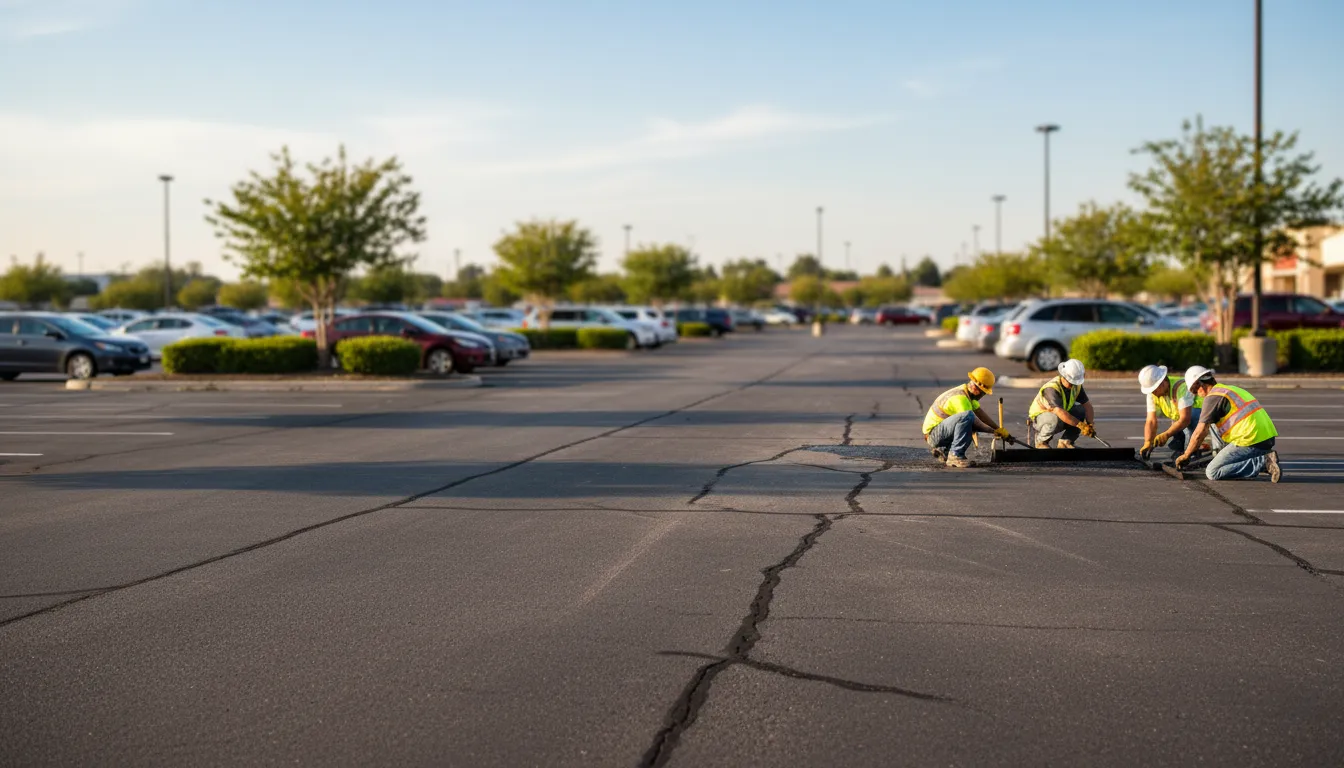
Find the Best Parking Lot Repair Companies for Your Business
No obligation • Fast responses • Nationwide coverage
Why you can trust Tidy Parking
Tidy Parking is a leading U.S. source for parking lot maintenance services, including striping, sealcoating, sweeping, paving, resurfacing, and repairs. Our content is created independently, and providers cannot pay to influence ratings or recommendations.
Search providers near you
Top Parking Lot Repair Companies in New York, New York Ranked
Maintaining a safe and functional parking area is a critical responsibility for any New York City property owner or manager. Parking lot repair encompasses a range of services-from crack sealing and pothole patching to full-depth repairs and resurfacing-designed to restore pavement integrity, ensure safety, and protect your investment. In a city known for its harsh weather extremes and relentless traffic, proactive maintenance is not just an option; it's a necessity to avoid costly, large-scale failures. This guide explains the common issues, repair methods, and considerations specific to New York, helping you understand your options and connect with qualified local professionals for your project.
United Blacktop
New York, NY
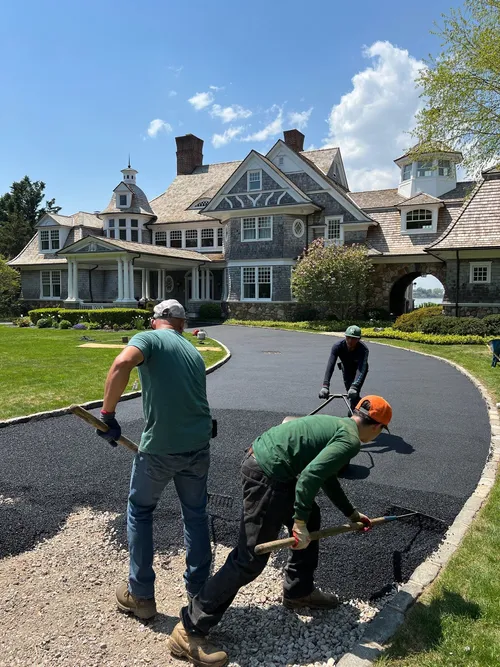
United Blacktop is a family-owned asphalt and paving company serving New York, NY, with over 20 years of industry experience. They provide a range of services including driveway sealcoating, crack filling and repair, sports court resurfacing, asphalt paving, concrete and brick pavers, as well as commercial parking lot maintenance. Their team is known for using premium materials and offering warranties on all workmanship and materials.
Stone Master Paving & Construction Corp.
914 Hermann Rd, North Brunswick Township, NJ 08902
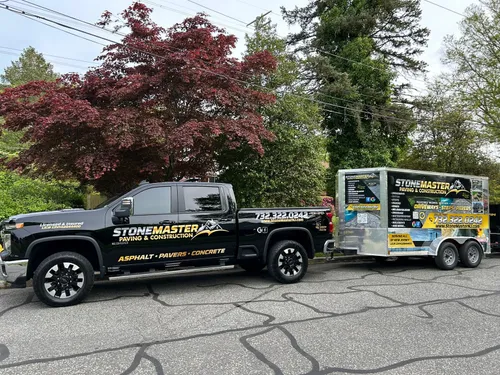
Stone Master Paving & Construction Corp. is a licensed and insured paving and masonry company serving Edison, NJ. They offer a range of services including driveway paving, parking lot repair, resurfacing, and paver installation. The company has over 35 years of industry experience and provides skilled masonry work such as patios, walkways, and retaining walls. Their team uses quality materials and up-to-date techniques to ensure durable results.
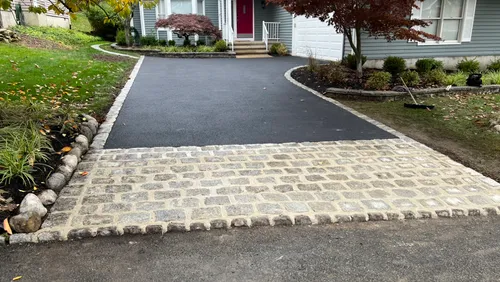
Pavement Specialist Inc
8 Campus Dr #106, Parsippany, NJ 07054
Pavement Specialist Inc provides paving, masonry, waterproofing, and repair services for residential and commercial properties in New York, NY. They specialize in installing and maintaining driveways, patios, walkways, retaining walls, and other exterior features using durable materials and proven methods suited for seasonal weather. Their capabilities include asphalt and paver driveway installation, masonry construction, foundation and basement waterproofing, and structural repairs. Serving communities throughout New Jersey, they focus on practical solutions to enhance and protect properties.
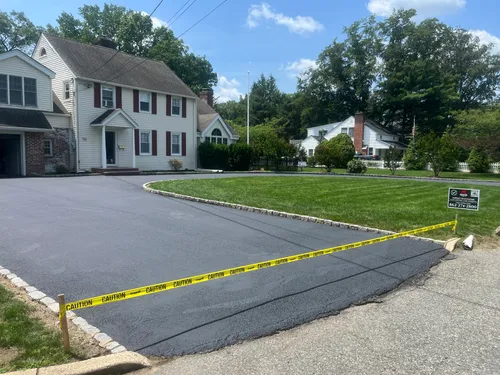
Kingdom Contracting & Sealcoating LLC
678 Newark Pompton Turnpike NJ 07444, Pompton Plains, NJ 07444
Kingdom Contracting & Sealcoating LLC is a family-owned asphalt maintenance company based near Pompton Plains, NJ, serving communities in North Jersey including Morris, Passaic, Bergen, Essex, and Union counties. They specialize in driveway and parking lot sealcoating, asphalt repair, crack filling, and commercial parking lot maintenance for homeowners, businesses, and HOAs. Founded in 2017, the company focuses on proper surface preparation and quality materials to ensure durable results.
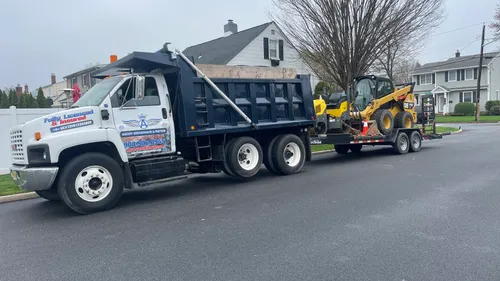
Ascot Driveways and Patios
55 Madison Ave suite 400 #4342, Morristown, NJ 07960
Ascot Driveways and Patios is a paving and masonry contractor serving New York, NY, and the surrounding Morris County area. They specialize in asphalt and concrete driveway installation, sealcoating, repairs, masonry wall building, patio construction, and landscaping hardscaping services. The company is experienced in restoring asphalt driveways with high-strength seal coating and offers a wide range of driveway and patio solutions tailored to customer needs. Ascot Driveways and Patios is a family-operated business known for its skilled craftsmanship and attention to detail, with a history of satisfied clients and completed projects in the region.
Why New York Parking Lots Need Constant Attention
The asphalt in New York City parking lots faces a relentless assault from environmental and man-made forces. Understanding these specific stressors is key to choosing the right repair strategy.
- Severe Freeze-Thaw Cycles: This is the primary culprit for pavement deterioration in the Northeast. Water seeps into small cracks, freezes and expands, then thaws. This cycle repeatedly stresses the asphalt, widening cracks and breaking apart the pavement structure from within.
- Heavy Traffic Loads: New York's density means constant use by passenger vehicles, delivery trucks, and SUVs. This frequent, heavy traffic fatigues the asphalt surface, leading to cracks, rutting, and premature failure 1.
- Chemical Damage: Winter de-icing salts and automotive fluid leaks (oil, coolant) break down the asphalt binder-the "glue" that holds the pavement together. This chemical attack makes the surface brittle and accelerates raveling (the loss of surface aggregate).
- Poor Drainage: Standing water is asphalt's enemy. If a lot doesn't drain properly, water undermines the stable base layer beneath the pavement, leading to sinking, potholes, and foundational failure 2.
- Natural Aging (Oxidation): Over time, exposure to sun and air causes asphalt to oxidize, losing its flexibility and becoming dry and brittle. This natural aging process makes it more susceptible to all the other forms of damage 3.
Common Types of Parking Lot Repairs and Their Purpose
Not all pavement problems require the same solution. Here's a breakdown of common asphalt repair services and what they address.
Crack Sealing and Filling
This is the most fundamental and cost-effective preventive maintenance. Specialized sealants or fillers are applied to cracks to prevent water, salt, and debris from penetrating the base layer. Addressing cracks early can extend pavement life significantly and is far cheaper than dealing with the consequences of neglect. In New York, crack filling typically costs between $0.30 and $0.60 per linear foot 4.
Sealcoating
Think of sealcoating as a protective sunscreen and raincoat for your asphalt. This coal tar or asphalt-based emulsion is applied over the entire surface. It shields against UV oxidation, water penetration, and chemical spills like oil and gas. For a parking lot in good structural condition, sealcoating every 2-3 years is a smart investment, with costs generally ranging from $0.18 to $0.35 per square foot.
Patching (Skin and Full-Depth)
Patching is the go-to solution for localized damage like potholes and alligator cracking.
- Skin Patching: Repairs only the top layer of asphalt (1-2 inches) and is suitable for surface-level issues where the base is still solid.
- Full-Depth Patching: Involves removing and replacing damaged asphalt down to the stable base or subbase. This is necessary when the problem extends through the entire pavement structure. Patching costs can vary widely based on depth and method, from $2 to $12 per square foot.
Milling and Resurfacing (Overlay)
When a parking lot has widespread surface damage but a sound foundation, milling and resurfacing is an excellent option. The process involves grinding off the top 1 to 3 inches of worn asphalt (milling) and then laying a fresh new layer on top. This restores a smooth, like-new driving surface, corrects minor drainage issues, and is more affordable than a full reconstruction. Resurfacing costs for larger projects often fall between $1.50 and $3.00 per square foot.
Full Reconstruction
This is the most extensive and expensive option, required when the pavement and its base have completely failed. The existing asphalt and base materials are excavated down to the subgrade, a new stable base is installed and compacted, and new asphalt is laid. While costly upfront ($4-$10 per square foot), it's the only solution for severely compromised lots and provides a new, long-life pavement structure.
Find the perfect parking lot repair companies for your needs
Get personalized recommendations and expert advice
Cost Considerations for New York Property Owners
Parking lot repair costs are highly variable, depending on the repair type, the extent of damage, and the size of the lot. Proactive maintenance is consistently shown to be the most cost-effective path. Studies indicate that timely repairs can save 60-80% over the cost of a full replacement 5.
Here's a general cost framework for different project scopes in the New York area:
- Minor Repairs (Crack filling, small patching): $2-$5 per square foot for the affected areas.
- Large-Scale Resurfacing: $1.50-$3 per square foot for the entire lot.
- Full-Depth Repair/Reconstruction: $4-$7+ per square foot.
To put this in perspective:
- A small lot (e.g., 10,000 sq ft) needing resurfacing could see a project range of $15,000 to $30,000.
- A large commercial lot (e.g., 50,000 sq ft) requiring full reconstruction could easily exceed $200,000 6 7 8.
These figures underscore why a regular maintenance plan is a wise financial strategy for property management.
Creating a Maintenance Timeline for New York's Climate
A strategic, age-based approach to parking lot care can maximize its lifespan and minimize unexpected major expenses.
- 0-5 Years (New to Young Pavement): Focus on protection. A high-quality sealcoat should be applied 6-12 months after installation and then reapplied every 2-3 years. Perform annual inspections and seal any new cracks promptly.
- 5-10 Years (Maturing Pavement): Continue sealcoating on schedule. This is when more noticeable wear, such as interconnected cracking (alligator cracking) or small potholes, may appear. Address these issues with patching. It's also a good time to have a professional evaluation to determine if resurfacing will be needed soon 9.
- 10-15+ Years (Aging Pavement): The need for more significant intervention increases. Evaluate the pavement's structural condition. If the base is stable but the surface is worn, milling and resurfacing is a viable option. If there are widespread base failures, settling, or severe drainage issues, a full reconstruction may be the most economical long-term solution 10.
Key Factors When Planning a Repair Project
Before initiating any parking lot restoration work, consider these essential points:
- Professional Assessment: Always start with a detailed inspection by a reputable contractor. They can diagnose the root cause of problems (e.g., poor drainage) and recommend the correct repair, not just a cosmetic fix.
- Permits and Regulations: In New York City, repairs may require permits, especially if they involve drainage alterations or significant excavation. A qualified local contractor will understand and manage these requirements.
- Traffic Management: Plan for how tenant, customer, or employee access will be maintained during the repair work. Staging the project in sections or scheduling work during off-hours can minimize disruption.
- Material and Workmanship Warranty: Reputable contractors stand behind their work. Ask about warranties for both the materials used and the installation labor.
Frequently asked questions
Sources
Footnotes
-
Parking Lot Repair in Brooklyn, NY - All Shore Paving Corp. - https://www.allshore-paving.com/services/parking-lot-repair/brooklyn-ny/ ↩
-
How to Handle Asphalt Cracking in Commercial Parking Lots - https://thepavementgroup.com/how-to-handle-asphalt-cracking-in-commercial-parking-lots/ ↩
-
A Simple Way to Tell If Your Parking Lot Needs Repair This Year - https://asphaltinc.com/does-my-parking-lot-need-repair-this-year/ ↩
-
Parking Lot Repair - All Shore Paving Corp. - https://www.allshore-paving.com/services/parking-lot-repair/ ↩
-
Asphalt Maintenance: What It Is, How It Works, and What It ... - https://www.welovepaving.com/asphalt-maintenance-what-it-is-how-it-works-and-what-it-really-costs-in-2025/ ↩
-
Parking Lot Reconstruction, Repair, and Restriping - https://romanopaving.com/services/parking-lot-reconstruction-repair-and-restriping ↩
-
Parking Lot Resurfacing: Complete Cost Guide & Process [2025] - https://www.candcsuperseal.com/parking-lot-resurfacing-complete-cost-guide-process-2025/ ↩
-
Asphalt Repairs vs. Replacement for Commercial Properties - https://thepavementgroup.com/the-cost-of-asphalt-repairs-vs-replacement-for-commercial-properties/ ↩
-
Parking Lot Repair vs Replace - What to do? - https://nationalfacilitycontractors.com/asphalt-services/parking-lot-repair/ ↩
-
How Often Should Parking Lots Be Repaved in New York's Climate - https://mrblacktop.net/how-often-should-parking-lots-be-repaved-in-new-yorks-climate ↩