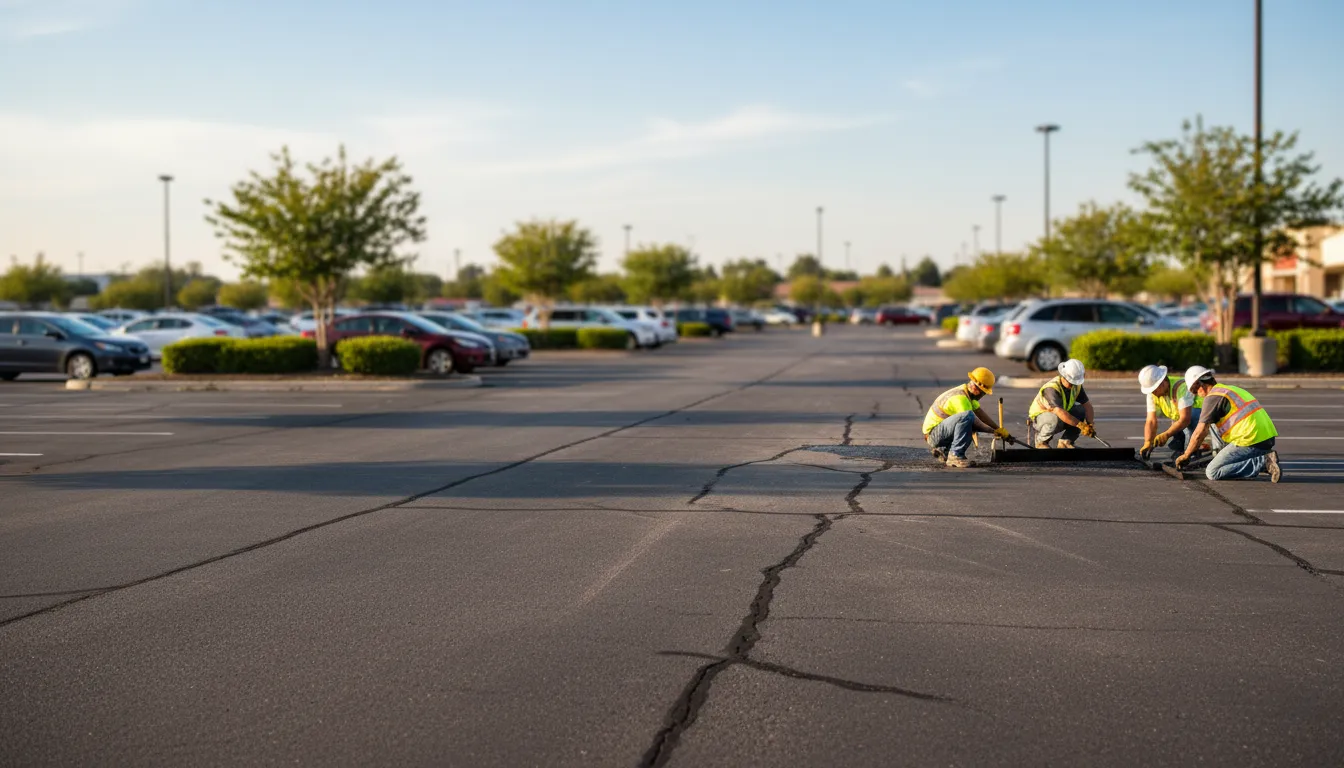
Find the Best Parking Lot Repair Companies for Your Business
No obligation • Fast responses • Nationwide coverage
Why you can trust Tidy Parking
Tidy Parking is a leading U.S. source for parking lot maintenance services, including striping, sealcoating, sweeping, paving, resurfacing, and repairs. Our content is created independently, and providers cannot pay to influence ratings or recommendations.
Search providers near you
Top Parking Lot Repair Companies in Denver, Colorado Ranked
Maintaining a functional and safe parking area in Denver requires proactive attention to its asphalt surface. Parking lot repair encompasses a range of services-from crack sealing and pothole patching to full resurfacing-designed to correct damage, prevent costly structural failure, and extend the pavement's lifespan. For property managers and business owners, understanding the local causes of deterioration and the available repair solutions is key to protecting this significant asset. This guide outlines the common issues, repair methods, and considerations specific to Denver to help you make informed decisions for your property's upkeep.
W. Holmes Asphalt & Seal Coating
Denver, CO
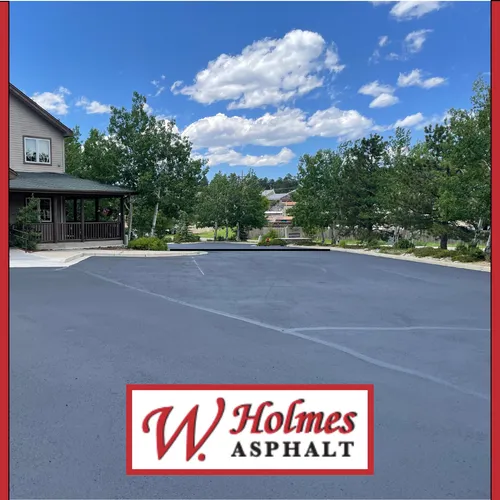
W. Holmes Asphalt & Seal Coating is a family-owned asphalt and paving company serving Denver, CO, and surrounding communities. Since 2008, they have provided residential, commercial, and industrial customers with services including seal coating, crack filling, pothole repair, overlaying, and new driveway and parking lot installation. Their team uses modern equipment and quality materials to ensure durable results. The company is fully insured and works closely with customers to handle projects of various sizes.
Stellar Striping and Sealcoating
Denver, CO
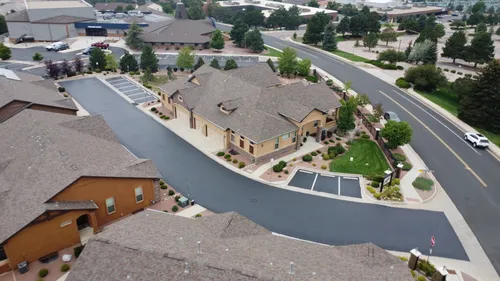
Stellar Striping and Sealcoating offers parking lot maintenance and pavement solutions in Denver, CO. They provide residential and commercial services including asphalt repair, sealcoating, crack filling, and pavement marking. Their team uses industrial-grade equipment and high-quality products to maintain and enhance property surfaces. The company also offers concrete services such as driveways, sidewalks, stamped concrete, and retaining walls. Founded by Jack Jungers, Stellar Striping and Sealcoating emphasizes long-lasting pavement solutions to improve both appearance and safety. They provide 24/7 team support for their clients.
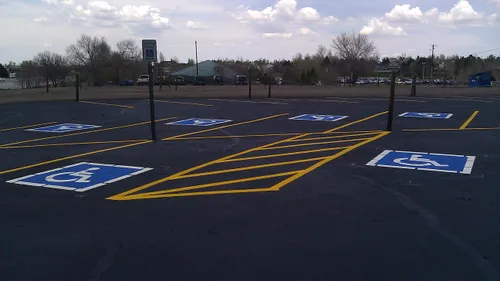
Mountain Lot Striping LLC
12135 Elizabeth St, Thornton, CO 80241
Mountain Lot Striping LLC is a parking lot striping, sealcoating, and repair company serving Denver, CO, and the Colorado Front Range along the I-25 corridor. They offer services including new striping layouts, restriping, ADA-compliant signage installation, wheel stop installation, scarifying and grinding to remove old striping, and comprehensive asphalt repairs such as pothole patching, crack sealing, and full-depth overlays. Their concrete wheel stops are reinforced for stability, and they use specialized core drilling for precise signage placement. Mountain Lot Striping serves a wide range of industries including commercial, residential, industrial, public, medical, and hospitality sectors.
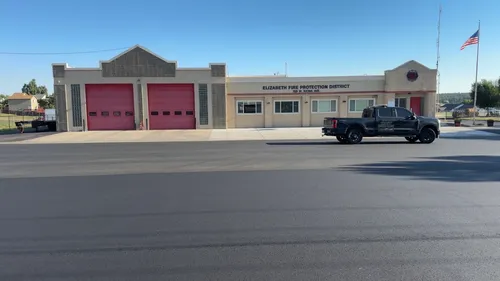
BCT Asphalt Paving
Centennial, CO
BCT Asphalt Paving is a family-owned asphalt paving contractor serving Centennial, CO, with over 25 years of experience. They provide a wide range of services including asphalt paving, sealcoating, parking lot construction and maintenance, resurfacing, pothole repair, crack filling, and professional striping to ensure functional and durable surfaces. The company uses high-quality materials and modern equipment to deliver projects that withstand Colorado's climate. BCT Asphalt Paving also offers driveway and culvert services to enhance property access and drainage. They are fully licensed and insured and provide special discounts for senior citizens, veterans, and first responders.
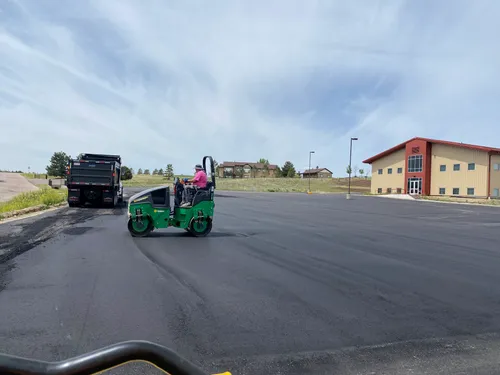
Rileys Asphalt
3189 Ireland Moss St, Castle Rock, CO 80109
Rileys Asphalt is a family-owned asphalt paving and maintenance company serving Denver, CO, and the surrounding southern Denver area. With over 30 years of experience, they provide a full range of services including new asphalt paving, parking lot repairs, and sealcoating for both commercial and residential properties. The company emphasizes clear communication and attention to detail to ensure projects are completed right the first time and built to withstand Colorado's climate and traffic demands.
Why Denver's Climate is Tough on Asphalt
Denver's unique environmental conditions create a perfect storm for asphalt degradation. The high-altitude climate subjects pavement to intense stressors that accelerate wear and necessitate more frequent maintenance compared to milder regions.
- Freeze-Thaw Cycles: This is the primary culprit for pavement failure in Denver. Water seeps into small cracks in the asphalt. When temperatures drop, this water freezes and expands, widening the cracks. Subsequent thaws allow more water to enter, repeating the cycle until potholes form and the structural integrity is compromised.
- Intense UV Radiation: Denver enjoys abundant sunshine, but the high UV exposure causes asphalt to oxidize rapidly. This process makes the binder (the "glue" holding the aggregate together) brittle and dry, leading to surface fading, cracking, and raveling (where the surface loosens and breaks apart).
- Heavy Loads and Traffic: Frequent use by delivery trucks, garbage trucks, and constant vehicle traffic-especially braking and turning movements-places significant stress on the pavement. This can lead to rutting (permanent depressions in wheel paths) and alligator cracking, a sign of underlying structural failure 1.
- Snowplow Damage: The necessary act of snow removal can be physically abrasive. Plow blades can scrape and gouge the asphalt surface, removing the protective top layer and exposing fresh material to the elements.
- Poor Drainage: Standing water from snowmelt or rain is a major enemy of asphalt. It weakens the subgrade (the soil base beneath the pavement) and accelerates deterioration. Ensuring proper slope and functional drainage is a critical part of any long-term pavement preservation plan.
Common Parking Lot Problems in Denver
Recognizing these issues early is the first step toward effective parking lot maintenance.
- Cracks: From fine hairline cracks to larger thermal cracks, these are the entry point for water. Unsealed cracks quickly evolve into more serious damage.
- Potholes: The end result of unaddressed cracking and freeze-thaw cycles. Potholes are a safety hazard and can damage vehicles.
- Raveling: The loss of aggregate from the surface, leaving a rough, gravelly texture. This is often a direct result of UV oxidation.
- Rutting: Long, linear depressions in the wheel paths caused by repeated heavy loads or a weak subbase.
- Alligator Cracking: A series of interconnected cracks that resemble alligator skin. This pattern typically indicates a failure in the base or subgrade layers and often requires more extensive repair.
- Fading and Oxidation: The surface loses its rich black color, turning gray and brittle. While cosmetic, it signals the loss of protective oils.
Professional Repair Solutions for Denver Lots
The appropriate repair method depends on the type, extent, and cause of the damage. Here are the standard services used by Denver pavement professionals.
Crack Sealing and Filling
This is the most cost-effective form of preventative maintenance. Specialized hot-pour rubberized sealant is applied to cracks to create a flexible, waterproof barrier. This prevents water from infiltrating the base and stops small cracks from becoming big problems. Experts recommend a professional crack sealing program every 3-5 years in Denver's climate 2 3.
Patching (Infrared and Conventional)
For repairing potholes and isolated damaged areas.
- Conventional Patching: The damaged section is cut out, the area is cleaned and prepared, and new hot-mix asphalt is compacted into place.
- Infrared Patching: This advanced technique uses infrared heaters to soften the existing asphalt around the pothole. New asphalt is then blended seamlessly into the old, creating a repair with no cold joints. This method is highly effective for preventing water infiltration at the repair edges and is a preferred technique for seamless pothole repairs in Denver.
Sealcoating
Sealcoating is not a repair for structural issues but a crucial protective coating. It involves applying a protective layer (typically coal tar or asphalt-based emulsion) over sound asphalt. It shields against UV rays, water, oil, and gas spills, restoring a dark, like-new appearance. For Denver lots, a fresh sealcoat is generally recommended every 1-2 years to combat the intense sun and seasonal moisture.
Resurfacing (Overlay)
When the asphalt surface is extensively cracked or weathered but the underlying base is still structurally sound, resurfacing is an excellent option. The top 1-2 inches of pavement are milled (ground) off, and a new layer of hot-mix asphalt is installed over the existing base. This is a major repair that can extend pavement life by 8-10 years or more.
Full Reconstruction
When the base and subgrade have failed (evidenced by widespread alligator cracking or severe rutting), partial repairs are no longer sufficient. Reconstruction involves completely removing the old asphalt and base materials, re-compacting the subgrade, installing a new aggregate base, and paving with new asphalt. This is the most extensive and costly option but provides a new 15-25 year lifespan 4.
Find the perfect parking lot repair companies for your needs
Get personalized recommendations and expert advice
Understanding Costs for Denver Parking Lot Repair
Costs for asphalt maintenance and repair in Denver vary widely based on the scope of work, the size of the lot, and the materials used. Here's a general guide based on common service types:
- Routine Maintenance (Crack Sealing & Sealcoating): These are the most affordable services. Traditional sealcoating in Denver typically ranges from $0.15 to $0.25 per square foot. Eco-friendly alternatives, such as soy-based sealants, may cost between $0.25 and $0.35 per square foot.
- Moderate Repairs (Patching): The cost for pothole repair and patching is highly variable, depending on the number and size of the areas needing work. Infrared patching may command a premium due to its superior, seamless results.
- Major Repairs (Resurfacing & Reconstruction): For resurfacing a parking lot, costs can range significantly based on depth and materials. A complete reconstruction project, which involves full-depth repair and repaving, is the most capital-intensive, with costs often ranging from $4 to $10 or more per square foot. Such projects typically require a full closure of the lot for 1-2 weeks 5 6 7.
Best Practices for Denver Property Managers
To maximize your parking lot's lifespan and minimize long-term costs, adopt these proactive strategies:
- Implement a Preventative Plan: Don't wait for catastrophic failure. Schedule regular professional inspections and budget for routine sealcoating every 1-2 years.
- Address Water Immediately: Fix cracks as soon as they appear to prevent water infiltration-the root cause of freeze-thaw damage 8. Ensure all drainage systems (catch basins, curbs, slopes) are clear and functioning.
- Choose the Right Repair for the Damage: Use infrared technology for seamless pothole repairs to prevent recurrence 9 10. Understand when a simple patch is sufficient versus when resurfacing or reconstruction is necessary.
- Work with Local Experts: Choose a contractor experienced with Denver's specific climate challenges. They will understand the right material specifications and repair timelines for this region.
Frequently asked questions
Sources
Footnotes
-
Parking Lot Repair & Maintenance - National Pavement Partners - https://nationalpavementpartners.com/parking-lot-repair/ ↩
-
Asphalt Maintenance in Denver: How Often Is It Needed? - https://www.abcasphaltco.com/how-often-should-asphalt-maintenance-be-done-in-denvers-climate/ ↩
-
Commercial Parking Lot Crack Sealing Services in Denver, CO - https://www.asphaltcoatingscompany.com/colorado/denver/parking-lot-maintenance/crack-sealing/ ↩
-
Asphalt Paving, Repair & Maintenance | Denver Asphalt Company - https://asphaltdoctors.net/ ↩
-
2026 Parking-Lot Maintenance Costs | Denver Price Guide - https://asphaltcoatingscompany.com/blog/parking-lot-maintenance-cost-denver/ ↩
-
Parking Lot Resurfacing: Complete Cost Guide & Process [2025] - https://www.candcsuperseal.com/parking-lot-resurfacing-complete-cost-guide-process-2025/ ↩
-
Cost of Parking Lot Repair in Denver, CO | 02/2026 - https://denverasphaltservice.com/denver-co-parking-lot-repair-costs ↩
-
Commercial Asphalt Repair in Denver, CO | Best Rates 2026 - https://asphaltcoatingscompany.com/colorado/denver/asphalt-paving/repair/ ↩
-
Commercial Parking Lot Maintenance Services in Denver, CO - https://asphaltcoatingscompany.com/colorado/denver/parking-lot-maintenance/ ↩
-
Parking Lot Repair - ABC Asphalt, Inc. - https://www.abcasphaltco.com/parking-lot-repair/ ↩