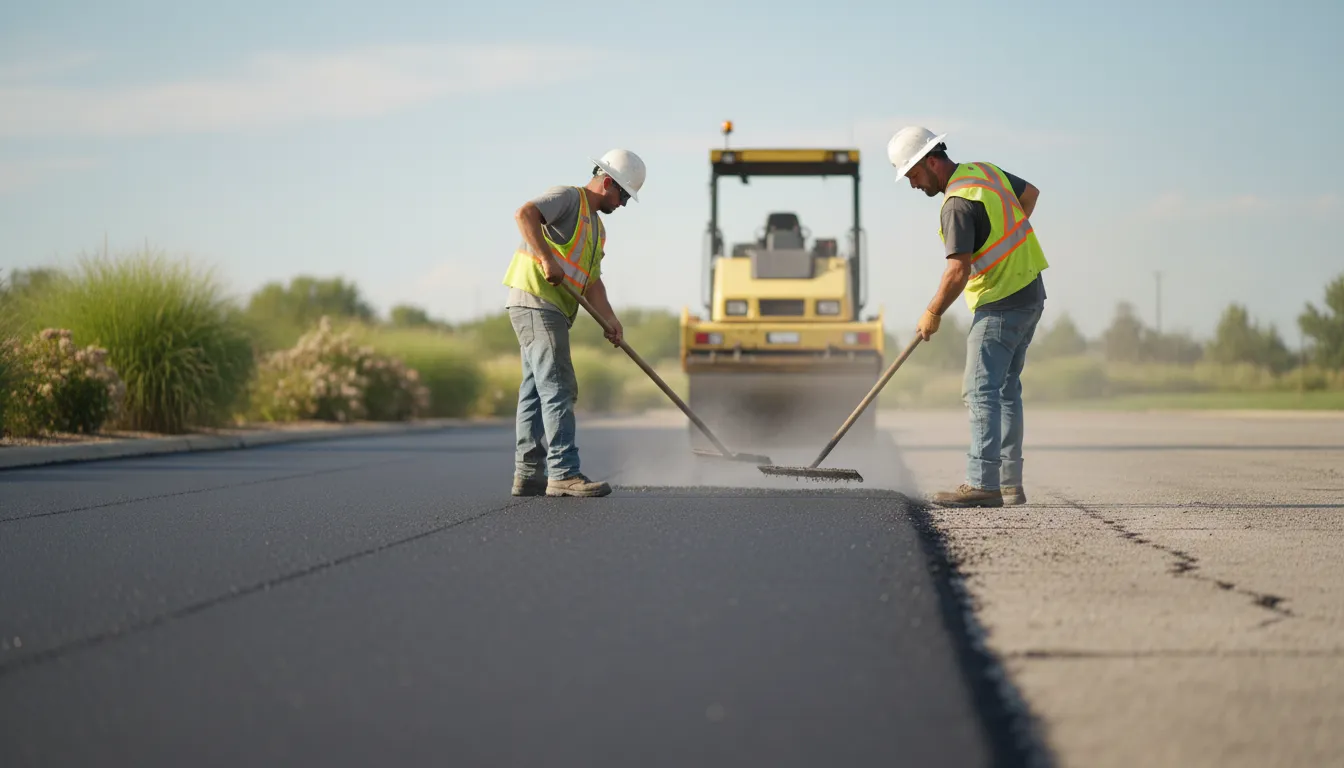
Find the Best Parking Lot Paving Contractors for Your Business
No obligation • Fast responses • Nationwide coverage

Why you can trust Tidy Parking
Tidy Parking is a leading U.S. source for parking lot maintenance services, including striping, sealcoating, sweeping, paving, resurfacing, and repairs. Our content is created independently, and providers cannot pay to influence ratings or recommendations.
Search providers near you
Top Parking Lot Paving Contractors in Lakewood, Washington Ranked
A well-paved parking lot is a critical asset for any Washington business, providing a safe, durable, and professional first impression for customers. In Washington's unique climate, proper asphalt installation is not just about aesthetics-it's about engineering a surface that can withstand heavy rain, temperature swings, and constant use without failing. This guide explains the key considerations for parking lot paving in Washington, from material specifications and drainage to costs and permitting, helping you understand what goes into a quality project and how to connect with experienced local paving professionals who know the state's requirements.
Statewide Parking Lot Services Inc
33920 211th Pl SE, Auburn, WA 98092
Statewide Parking Lot Services Inc is a parking lot maintenance and paving company based in Kent, WA. Founded in 1972 by Dwayne McGraw, the company offers services including parking lot striping, sealcoating, sweeping, paving, and repair. With a team of skilled operators and contractors, they serve Kent and surrounding communities such as Seattle, Federal Way, Bellevue, Tacoma, Olympia, Everett, Lynnwood, and Bremerton. Their capabilities include comprehensive parking lot maintenance and asphalt paving to help extend the life of pavement surfaces. The company has a long history of family leadership and experienced management, with over 50 years in the industry.
Western Washington Asphalt
Kent, WA
Western Washington Asphalt is a parking lot paving contractor based in Kent, WA. They provide asphalt blacktop paving services across multiple cities and towns in Western Washington, including King, Pierce, Snohomish, Kitsap, and Thurston counties. Their service area covers a broad region with expertise in asphalt paving for various commercial and municipal projects.
Tacoma Paving
Tacoma, WA
Tacoma Paving is a locally owned paving company serving Tacoma, WA, and nearby communities including Lakewood, Parkland, and Puyallup. They specialize in asphalt and concrete paving for residential and commercial properties, offering services such as parking lot installation, driveway paving, sealcoating, resurfacing, and line striping. Their capabilities include grading and excavation to ensure stable and well-drained surfaces. With over 10 years of experience, Tacoma Paving supports a variety of clients from businesses to community organizations.
Quality Asphalt Paving, LLC
22632 129th Pl SE, Kent, WA 98031
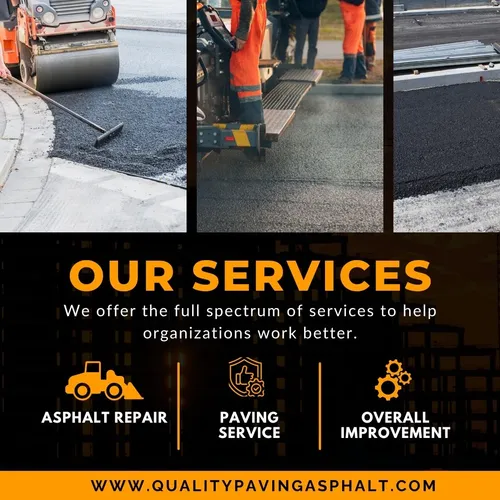
Quality Asphalt Paving, LLC is a locally owned parking lot paving contractor serving Seattle, WA. They provide residential and commercial paving services, including driveways and parking lots, with a focus on quality workmanship. The company offers a 1-year warranty on their commercial paving projects and can provide same-day service by scheduled appointment. Their team is experienced in handling various paving needs and aims to respond to inquiries promptly.
Ace Paving
Everett, WA
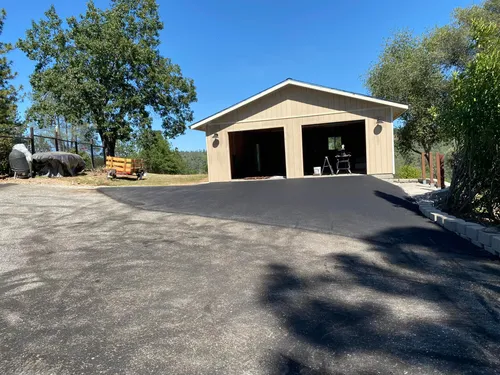
Ace Paving is an asphalt contractor serving Everett, WA, specializing in parking lot paving, sealcoating, and repair services. The company offers a full range of asphalt solutions designed to improve safety and extend the lifespan of paved surfaces. With local knowledge of climate and regulations, Ace Paving provides tailored services that meet the specific needs of the community. They use quality materials and eco-friendly practices, including asphalt recycling, to ensure durable and sustainable results. Ace Paving also manages zoning and permit requirements to streamline project completion.
Washington's Climate & Paving Challenges
Washington's weather presents specific challenges for pavement longevity. The high annual rainfall and freeze-thaw cycles in many regions demand a paving approach focused on moisture management and material flexibility.
- Moisture Management: Persistent water is the primary enemy of asphalt. Without proper drainage, water seeps into the subgrade, weakening the foundation and leading to cracks, potholes, and premature failure. All paving designs must prioritize rapid water shedding.
- Temperature Tolerance: For optimal results, asphalt should be placed and compacted when ambient temperatures are between 50°F and 85°F 1. Planning your project for Washington's drier summer and early fall months is crucial for proper compaction, which ensures density and longevity.
- Material Flexibility: To resist cracking in colder weather, Washington mixes often use asphalt binders with higher flexibility. An increased asphalt binder content can be recommended to improve the surface's ability to expand and contract without damage.
Key Design & Specification Requirements
Adhering to local and state guidelines is essential for a compliant and durable parking lot.
- Asphalt Mix: The standard for commercial work is WSDOT-compliant Hot Mix Asphalt (HMA). For lots with higher traffic volumes, a performance-graded binder such as PG 58E-34 is often specified to reduce rutting and deformation under load 2 3.
- Structural Design: A typical long-lasting design involves a 2-3 inch thick layer of HMA over a 4-6 inch compacted base of crushed rock (like crushed surfacing top course) 4. This aggregate base is vital for stabilizing the pavement and providing drainage in Washington's wet conditions 5.
- Drainage & Slope: This is non-negotiable. Regulations require a minimum slope of 2% (about 0.25 inches per foot) across the pavement to prevent water pooling 6 7. In areas where the site is "cut" or excavated, extra care must be taken, sometimes requiring deeper aggregate layers to channel water away effectively 6.
- Parking Space Dimensions: While local codes can vary, a common minimum standard for a parking stall is 9 feet wide by 19 feet long. Proper layout and striping are part of a complete paving project.
Permitting and Regulations
Before breaking ground, you must secure the proper permits. In many Washington cities, including Seattle, a grading permit is required for new paving or replacement projects that exceed 750 square feet 8. This permit process ensures your project plans for proper stormwater management and complies with local land-use codes. Always check with your city's planning or development department for specific requirements.
The Paving Process: From Subgrade to Surface
Understanding the steps involved highlights why proper execution matters.
- Site Preparation & Excavation: The existing area is cleared and excavated to the required depth. This step addresses any unstable soil or organic material.
- Subgrade Compaction: The native soil (subgrade) is thoroughly compacted to create a firm, stable foundation. This is the first critical step in moisture defense.
- Base Installation: The crushed rock aggregate base (typically 4-6 inches) is spread in layers and compacted to at least 95% of its maximum density 9. A well-compacted base distributes load and provides drainage.
- Asphalt Paving: The hot mix asphalt is delivered, spread evenly by a paver, and preliminary compaction is done with a roller. The material must be at the correct temperature for workability.
- Compaction: Rolling continues until the asphalt reaches the specified density. Proper compaction removes air pockets, increasing strength and water resistance.
- Cooling & Final Inspection: The new pavement is left to cool and harden before being opened for use.
Find the perfect parking lot paving contractors for your needs
Get personalized recommendations and expert advice
Cost Considerations for Washington Projects
Parking lot paving costs in Washington are highly variable, influenced by site conditions, size, material costs, and preparation work.
- Average Cost Per Square Foot: For standard asphalt paving, you can expect an average range of $2.50 to $4.50 per square foot 10. This typically includes a standard base and 2-3 inches of asphalt. Complex sites with significant grading or drainage work will be on the higher end, sometimes exceeding $5 per square foot.
- Project Size Tiers:
- Small Lots: For a small commercial lot or significant repair, projects often range from $5,000 to $25,000, heavily dependent on excavation needs.
- Large Commercial Lots: For expansive parking areas, total project costs can range from $100,000 to $700,000 or more, based on the total square footage and complexity 11.
- Factors Influencing Price:
- Site Preparation: Extensive excavation, removal of old pavement, or poor soil conditions add cost.
- Drainage Requirements: Installing catch basins, drains, or complex sloping increases labor and materials.
- Asphalt Thickness & Mix: Thicker pavements or specialized polymer-modified mixes cost more.
- Access & Timing: Tight sites or requirements for night/weekend work can affect the bid.
Maintenance for Long-Term Performance
Your investment doesn't end when the pavement cools. A proactive maintenance plan extends its life significantly.
- Sealcoating: Apply a protective sealcoat every 2-3 years to shield the asphalt from UV rays, water, and oil spills.
- Prompt Repair: Address small cracks immediately with crack sealant to prevent water infiltration and further deterioration.
- Regular Cleaning: Keep the surface clean and ensure drainage inlets are clear to allow water to flow off quickly.
Choosing the Right Materials
While asphalt is the most common and often most cost-effective choice for large commercial areas due to its durability, smoothness, and relatively quick installation 12, other options exist. Concrete offers extreme longevity but at a higher initial cost and longer installation time. For some low-traffic or budget-conscious projects, compacted gravel can be a temporary solution, but it requires more maintenance and doesn't provide the same professional finish 12. For most Washington businesses, properly specified and installed HMA provides the best balance of performance, cost, and climate suitability 13.
Frequently asked questions
Sources
Footnotes
-
How to Prepare Your Property for Professional Parking Lot Paving - https://www.raffertypavingteam.com/blog/2025/april/how-to-prepare-your-property-for-professional-pa/ ↩
-
Site Paving - Washington Asphalt Pavement Association | - https://www.asphaltwa.com/site-paving/ ↩
-
Parking Lots Paving - Hot Mix Asphalt (HMA) Recommendations - https://www.wsbeng.com/parking-lots-paving-hot-mix-asphalt-hma-recommendations/ ↩
-
Pavement Guide - https://www.asphaltwa.com/pavement-guide/ ↩
-
Best Gravel for Driveways and Parking Lots - https://www.basecore.co/best-gravel-for-driveways-parking-lots/ ↩
-
Parking Lots | Washington Asphalt Pavement Association - https://www.asphaltwa.com/parking-lots/ ↩ ↩2
-
9-16-8: MAINTENANCE OF PARKING LOTS: - https://codelibrary.amlegal.com/codes/washingtonut/latest/washington_ut/0-0-0-8070 ↩
-
Paving - SDCI | seattle.gov - https://www.seattle.gov/sdci/permits/common-projects/paving ↩
-
Parking Lots - UW Facilities - University of Washington - https://facilities.uw.edu/files/media/uwf-ds-parking-lots.pdf ↩
-
How Much Does An Asphalt Parking Lot Cost? [2025 Data] - HomeAdvisor - https://www.homeadvisor.com/cost/outdoor-living/pave-a-parking-lot/ ↩
-
Things to Consider Before Paving an Asphalt Parking Lot - https://bitroads.com/About-Us/Blog/entryid/35/things-to-consider-before-paving-an-asphalt-parking-lot ↩
-
What is the cheapest form of paving for commercial projects? - https://www.welovepaving.com/what-is-the-cheapest-form-of-paving/ ↩ ↩2
-
Asphalt Parking Lots: Asphalt Mixes And Subgrade - https://goodmansonconstruction.com/parking-lots-asphalt-mixes-subgrade/ ↩