Find the Best Parking Lot Paving Contractors for Your Business
No obligation • Fast responses • Nationwide coverage
Why you can trust Tidy Parking
Tidy Parking is a leading U.S. source for parking lot maintenance services, including striping, sealcoating, sweeping, paving, resurfacing, and repairs. Our content is created independently, and providers cannot pay to influence ratings or recommendations.
Search providers near you
Top Parking Lot Paving Contractors in Royal Oak, Michigan Ranked
A well-paved parking lot is a critical asset for any Royal Oak business, providing a safe, durable, and professional first impression for customers. This service involves the professional installation of a new asphalt or concrete surface, engineered to withstand Michigan's demanding climate and soil conditions. A properly executed paving project ensures proper drainage, structural integrity, and long-term value. The following information will help you understand the local requirements, processes, and material choices to make an informed decision for your property.
Lifewide Asphalt Services
Detroit, MI
Lifewide Asphalt Services is a parking lot paving and maintenance company based in Detroit, MI. They provide a range of services including asphalt paving, patching, hot rubber crack sealing, sealcoating, and line striping for commercial and residential properties in Metro Detroit and surrounding areas. With over 20 years of experience, they use high-quality materials and equipment to deliver durable solutions tailored to each property's needs.
SealRite Sealcoating-Asphalt
4770 Crestview Ct, Bloomfield Hills, MI 48301
SealRite Sealcoating-Asphalt is a parking lot paving and maintenance company based in Detroit, MI. They provide services including sealcoating, asphalt repair, crack repair, and parking lot striping for both residential and commercial properties. Sealcoating protects pavement from weather and wear, while crack and asphalt repairs help prevent further damage and safety hazards. The company has over 30 years of experience serving Oakland County and emphasizes integrity, transparency, and quality in their work.
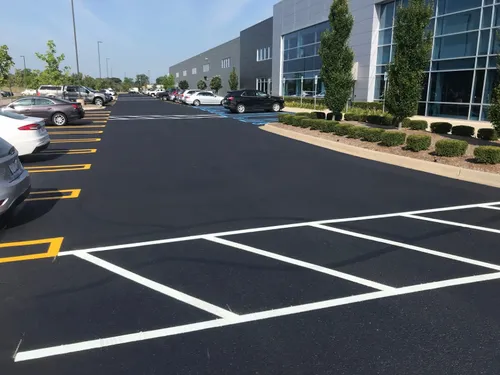
American Asphalt Paving & Sealcoating LLC
1070 Livernois Rd, Troy, MI 48083
American Asphalt Paving & Sealcoating LLC is a family-owned commercial asphalt maintenance company based in Detroit, MI. Since 1979, they have provided services including parking lot sealcoating, paving, and repair for a variety of clients such as schools, hospitals, and office parks. Their team is experienced in managing projects with minimal disruption to business operations. One of their key capabilities is addressing pothole repairs to improve safety and maintain smooth parking lot surfaces.
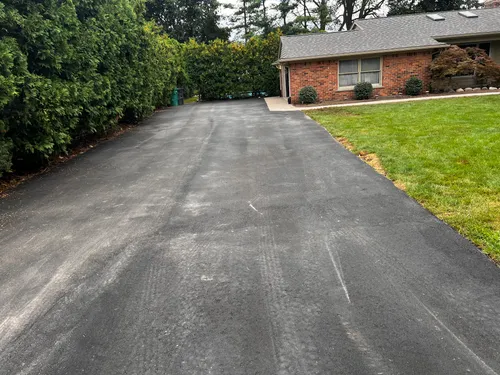
Asphalt Sargent LLC
17250 W 12 Mile Rd Suite 209, Southfield, MI 48076
Asphalt Sargent LLC is a parking lot sealcoating and paving contractor based in Detroit, MI. They provide asphalt paving, concrete sealcoating, and concrete placement services for both residential and commercial clients. With over 20 years of experience, Asphalt Sargent focuses on improving the safety and appearance of parking lots and driveways by repairing cracks and smoothing surfaces. Their team handles projects of various sizes and uses professional equipment to ensure quality results.
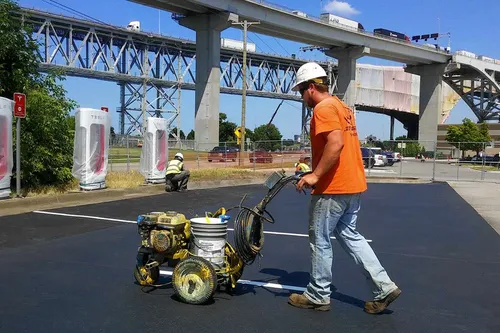
D&J Contracting, Inc.
22750 Macomb Industrial Dr, Clinton Township, MI 48036
D&J Contracting, Inc. is a parking lot paving and repair company based in Warren, MI, serving commercial clients throughout Macomb County. With 38 years of experience, they specialize in asphalt paving, parking lot repair, sealcoating, striping, and structural concrete work designed to withstand Michigan's freeze-thaw cycles. Their services include engineering-led pavement assessments, ADA compliance upgrades, water management solutions, and 24/7 commercial snow plowing and ice control. D&J Contracting emphasizes sub-base integrity and precise drainage to ensure long-lasting results for retail centers, office buildings, medical facilities, and industrial sites.
Understanding Royal Oak's Paving Challenges
Paving a parking lot in Royal Oak isn't just about laying down asphalt; it's a battle against specific local environmental forces. Success requires engineering that accounts for the region's unique geography.
Expansive Clay Soils: Southeast Michigan, including Royal Oak, is characterized by heavy clay soils 1. These soils hold moisture, expanding when wet and shrinking as they dry. This constant movement can push foundations unevenly, leading to surface cracking and premature failure if the pavement structure isn't designed to accommodate or mitigate this stress.
Freeze-Thaw Cycles: Michigan's winters present the most significant challenge to pavement longevity. Water that seeps into small cracks or sits beneath the surface freezes and expands, placing immense pressure on the material from within. This repeated stress accelerates the formation of potholes and alligator cracking, drastically shortening the pavement's service life.
Drainage Imperative: Because of the clay soil and freeze-thaw risk, managing water is non-negotiable. Inadequate slope grading leads to ponding, where standing water can penetrate the asphalt surface and weaken the sub-base. Proper drainage planning, including the correct slope and installation of catch basins, is essential to direct water away from the pavement 2. Annual cleaning of sewer drains is also recommended to prevent blockages from debris and silt that can cause localized flooding.
The Professional Paving Process: A Step-by-Step Guide
A durable parking lot installation follows a meticulous sequence. Skipping or short-changing any step can lead to costly repairs down the line.
-
Site Preparation & Excavation: The process begins with clearing the area and excavating to the required depth. The ground is then graded and leveled to create a stable, compacted foundation. This step is crucial for preventing future settling and ensuring the final surface is even.
-
Sub-Base Installation: This is the most critical layer for longevity. A strong aggregate base, typically crushed limestone (like 21AA or 21A), is spread and compacted in layers. In Royal Oak, specifications often require compaction to 95% Modified Proctor Density to create a solid platform that can handle vehicle loads and resist movement from the clay soil 3. A proper sub-base distributes weight and provides drainage away from the surface asphalt.
-
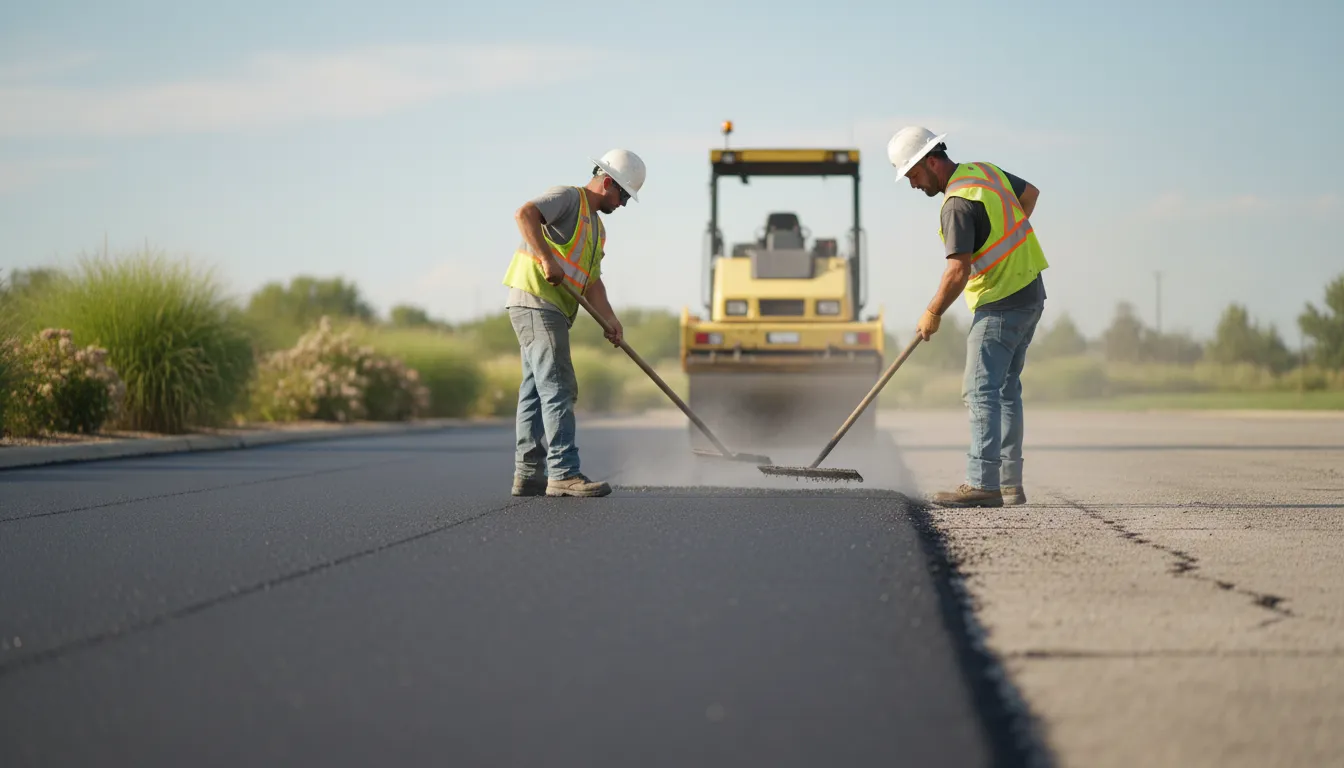
Asphalt Installation: Hot Mix Asphalt (HMA) is the standard for permanent installations in Michigan. It is brought to the site at high temperatures and applied in layers using a paving machine. Each layer is then compacted with a roller to achieve the proper density and smoothness. For light-duty lots, a minimum of 4 inches of HMA is recommended, while heavy-traffic commercial areas may require 7 inches or more 4.
-
Finishing & Curing: Once the final asphalt layer is laid and compacted, the surface must cure. While it may be firm to drive on within 24 to 48 hours, it's best to keep heavy vehicles off for several additional days to allow for full hardening 5. After curing, the final step is applying pavement markings, including ADA-compliant stalls, directional arrows, and other necessary signage.
Material Choices: Asphalt, Concrete, and Alternatives
The choice of material impacts cost, appearance, maintenance, and lifespan. Here's a comparison of common options for Royal Oak parking areas.
Asphalt Paving: The most common choice for commercial lots, asphalt offers a good balance of cost, durability, and relatively quick installation. It provides a smooth, dark surface that melts snow faster and is easier to repair. However, it requires ongoing maintenance, including sealcoating every 2-3 years to protect against water and UV damage, and eventual resurfacing 6. Initial costs typically range from $2.50 to $4.50 per square foot, depending on sub-base conditions and project scale 7.
Concrete Paving: Concrete is a premium option with a higher initial cost-generally between $4.00 and $10.00 per square foot for a full installation with reinforcement 8. Its advantages include exceptional durability, a longer lifespan with less frequent maintenance, and a clean, professional appearance. Concrete is also better at resisting damage from fuel and oil spills. Properly designed concrete lots in Michigan must include control joints and reinforcement to handle freeze-thaw cycles without random cracking 9.
Tar and Chip (Chip Seal): This is a lower-cost alternative where a layer of hot liquid asphalt is applied, immediately followed by a layer of loose aggregate (like stone chips), which is then rolled into the surface. It can cost between $2.00 and $5.00 per square foot 10. While cost-effective, it is generally less durable than full-depth asphalt and is often used for low-traffic areas or as a maintenance treatment for existing pavement.
Find the perfect parking lot paving contractors for your needs
Get personalized recommendations and expert advice
Climate Considerations and Paving Seasons
Michigan's weather doesn't just affect the design; it dictates when paving can be done effectively.
The Ideal Season: Hot Mix Asphalt (HMA) requires warm, dry ground for proper installation and compaction. The prime paving season in Royal Oak typically runs from late spring through early fall, when ambient and ground temperatures are consistently above 50°F. Applying HMA in colder conditions prevents proper bonding and compaction, leading to a weak surface prone to raveling and premature failure.
Winter Repairs: Cold Mix Asphalt is used for emergency patches during freezing months (January-March). This mix contains additives that allow it to remain workable without constant heating. However, it is a temporary solution; it is less durable than HMA and should be replaced with a permanent hot mix repair once weather permits 11.
Performance Specifications: For maximum durability in Michigan's climate, contractors often recommend a Superpave asphalt mix. This performance-based specification tailors the asphalt blend to the specific traffic loads and temperatures of the region, typically aiming for 3% to 5% air voids to achieve optimal density and strength 12.
Permits, Regulations, and Sustainable Options
Before starting any parking lot project in Royal Oak, it's essential to understand local regulations.
Permits and Codes: Most significant paving projects require a permit from the City of Royal Oak. The city's General Construction Requirements outline standards for materials, drainage, and accessibility 13. Working with a licensed contractor familiar with these local codes is crucial to ensure compliance, especially regarding slope for drainage and ADA-compliant design.
Sustainable Paving: Royal Oak is forward-thinking about stormwater management. The city allows and sometimes encourages permeable paving options, such as porous asphalt or permeable pavers, in suitable applications 14. These systems allow rainwater to infiltrate through the pavement into a stone reservoir below, reducing runoff and recharging groundwater. It's important to note that using plain gravel for a parking lot surface is typically prohibited, as it does not provide a stable, dust-free surface and contributes to sediment runoff.
Drainage Compliance: Your paving plan must include a detailed drainage strategy. This involves engineering the lot with a minimum slope (usually between 1% and 2%) to direct water toward catch basins or other approved drainage inlets. Failure to properly manage stormwater can lead to code violations, nuisance ponding, and accelerated pavement deterioration.
Long-Term Maintenance for Your Investment
A new parking lot is a major investment. Protecting it requires a proactive maintenance plan.
Sealcoating: For asphalt lots, applying a coal tar or asphalt-based sealant every 2-3 years is the single most effective maintenance task. It seals small cracks, protects against gasoline and oil spills, and blocks UV rays that cause the asphalt to become brittle and gray.
Crack Sealing: Annually inspect and seal any cracks that appear. Filling cracks with a rubberized sealant prevents water from infiltrating the sub-base, which is the primary cause of potholes and structural failure.
Pothole and Patch Repair: Address potholes immediately. For permanent repairs, the damaged area must be cut out, the sub-base repaired, and new hot mix asphalt compacted into place. "Throw-and-roll" cold patches are temporary fixes.
Cleaning and Drainage: Keep the lot free of debris and ensure all drainage inlets, catch basins, and pipes are clear of obstructions. Standing water is a pavement's worst enemy, especially in winter 15.
Frequently asked questions
Sources
Footnotes
-
Soil's Impact on Michigan Home Construction - https://newmarkbuilding.com/impact-of-soil-on-home-construction/ ↩
-
Parking Lot Drainage Solutions: Common Drainage Issues - ACPLM - https://acplm.net/parking-lot-drainage-solutions/ ↩
-
Gravel, Sand and Topsoil in Royal Oak, Oakland County, Michigan - https://www.gravelshop.com/michigan-13/oakland-county-1397/48067-royal-oak/index.asp ↩
-
How Thick is Parking Lot Asphalt? - https://theamericanasphalt.com/2021/05/13/how-thick-is-parking-lot-asphalt/ ↩
-
Parking Lot Paving Services | Anthony's Asphalt Michigan - https://www.anthonysasphalt.com/services/commercial-paving-services/parking-lot-paving/ ↩
-
Asphalt Paving Tips & Installation Guide for Michigan's Climate - https://www.anthonysasphalt.com/asphalt-paving-tips-and-installation-guide-michigan/ ↩
-
How Much Does Parking Lot Paving Cost? - Michigan Paving - https://www.michiganpaving.com/blog/parking-lot-paving-cost/ ↩
-
Factors Influencing the Cost to Build a Concrete Parking Lot | G&G - https://www.gandgconcrete.com/cost-to-build-a-concrete-parking-lot/ ↩
-
Concrete Parking Lot Design Guide: Thickness, Drainage, and ... - https://www.miconcrete.org/concrete-parking-lot-design-guide-michigan ↩
-
What is the cheapest form of paving for commercial projects? - https://www.welovepaving.com/what-is-the-cheapest-form-of-paving/ ↩
-
Summer asphalt and winter asphalt: What's the difference? - A1 Asphalt - https://a1asphaltpro.com/summer-asphalt-and-winter-asphalt-whats-the-difference/ ↩
-
5 Different Types of Asphalt Mixes | Bituminous Roadways Blog - https://bitroads.com/About-Us/Blog/entryid/103/5-different-types-of-asphalt-mixes ↩
-
General Construction Requirements | ROMI.gov - https://www.romi.gov/DocumentCenter/View/32409/General-Construction-Requirements ↩
-
Permeable Paving Report June 13, 2019 - ROMI.gov - https://www.romi.gov/DocumentCenter/View/24156/Permeable-Paving-Report-June-24-2019 ↩
-
Parking Lot Drain Cleaning in Michigan | PowerVac - https://yourworkorder.com/jet-vac/sewer-services/flooded-parking-lots/ ↩