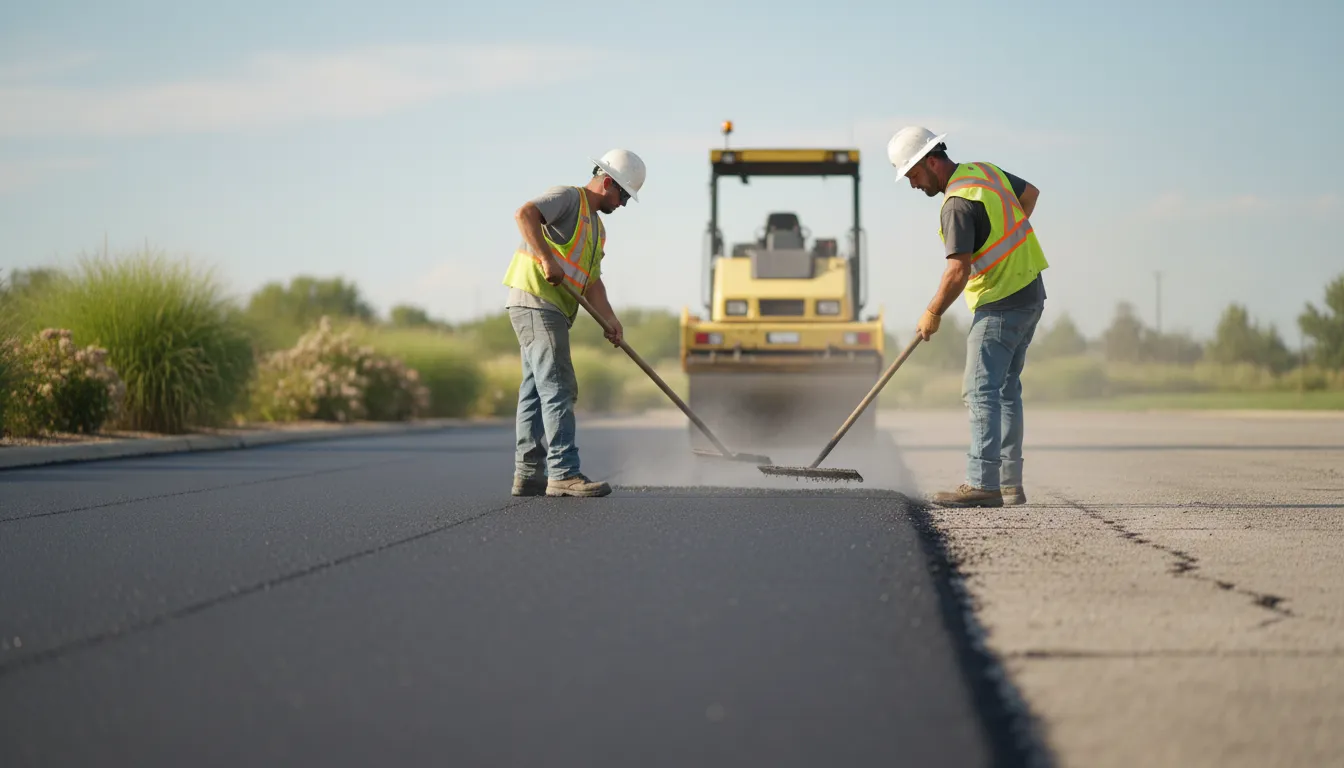
Find the Best Parking Lot Paving Contractors for Your Business
No obligation • Fast responses • Nationwide coverage
Why you can trust Tidy Parking
Tidy Parking is a leading U.S. source for parking lot maintenance services, including striping, sealcoating, sweeping, paving, resurfacing, and repairs. Our content is created independently, and providers cannot pay to influence ratings or recommendations.
Search providers near you
Top Parking Lot Paving Contractors in Littleton, Colorado Ranked
A well-paved parking lot is a critical asset for any Littleton business, providing a safe, durable, and professional first impression for customers. In Colorado's Front Range, this isn't just about laying asphalt-it's a specialized engineering challenge designed to withstand intense freeze-thaw cycles, expansive clay soils, and high-altitude sun. This guide explains the local paving process, unique environmental challenges, and cost considerations to help you plan a successful commercial paving project and connect with qualified local contractors.
W. Holmes Asphalt & Seal Coating
Denver, CO
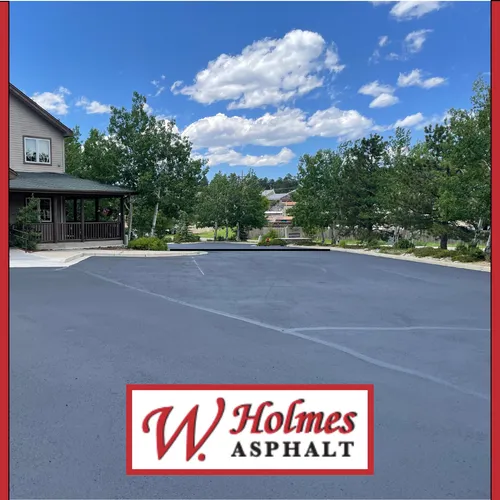
W. Holmes Asphalt & Seal Coating is a family-owned asphalt and paving company serving Denver, CO, and surrounding communities. Since 2008, they have provided residential, commercial, and industrial customers with services including seal coating, crack filling, pothole repair, overlaying, and new driveway and parking lot installation. Their team uses modern equipment and quality materials to ensure durable results. The company is fully insured and works closely with customers to handle projects of various sizes.
JL Enterprise LLC
7142 Mariposa St, Denver, CO 80221
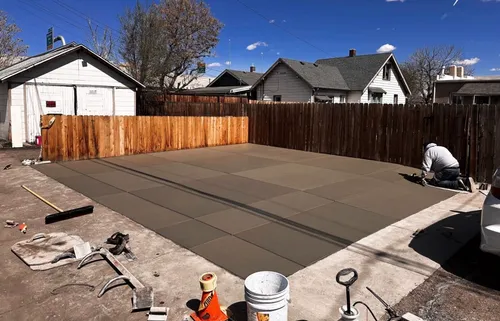
JL Enterprise LLC is a family-owned paving contractor based in Denver, CO. They specialize in asphalt and concrete services for residential, commercial, and municipal clients throughout the Denver area. With over 20 years of experience, JL Enterprise provides a range of paving solutions including parking lot paving and concrete work.
BCT Asphalt Paving
Centennial, CO
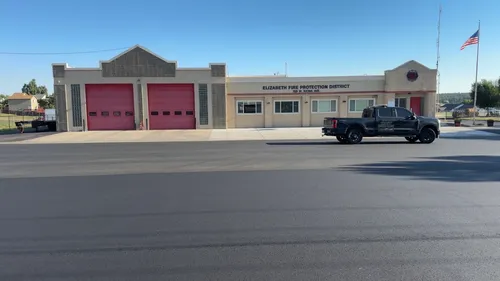
BCT Asphalt Paving is a family-owned asphalt paving contractor serving Centennial, CO, with over 25 years of experience. They provide a wide range of services including asphalt paving, sealcoating, parking lot construction and maintenance, resurfacing, pothole repair, crack filling, and professional striping to ensure functional and durable surfaces. The company uses high-quality materials and modern equipment to deliver projects that withstand Colorado's climate. BCT Asphalt Paving also offers driveway and culvert services to enhance property access and drainage. They are fully licensed and insured and provide special discounts for senior citizens, veterans, and first responders.
Rileys Asphalt
3189 Ireland Moss St, Castle Rock, CO 80109
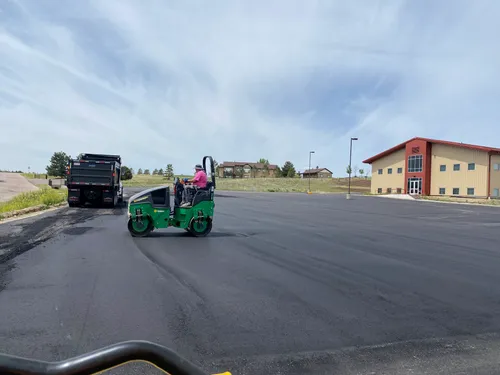
Rileys Asphalt is a family-owned asphalt paving and maintenance company serving Denver, CO, and the surrounding southern Denver area. With over 30 years of experience, they provide a full range of services including new asphalt paving, parking lot repairs, and sealcoating for both commercial and residential properties. The company emphasizes clear communication and attention to detail to ensure projects are completed right the first time and built to withstand Colorado's climate and traffic demands.
Colorado Asphalt Works Inc
5390 E 72nd Ave, Commerce City, CO 80022
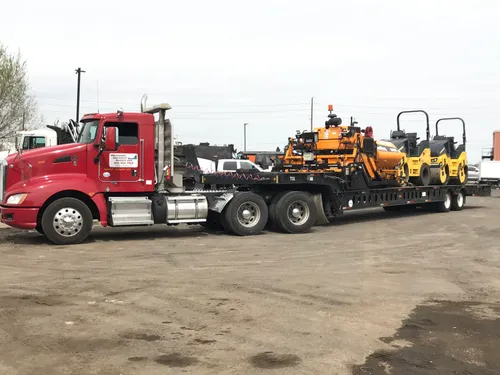
Colorado Asphalt Works Inc is a paving contractor based in Denver, CO, providing a range of asphalt and concrete services. They specialize in parking lot striping, sealcoating, sweeping, paving, resurfacing, and repair, serving the Front Range and surrounding areas. Established in 1997, the company offers comprehensive parking lot maintenance including crack-filling and overlays, as well as driveway repairs tailored to enhance safety and appearance. Their experienced team focuses on craftsmanship and long-term performance to meet the unique needs of each property.
Understanding Littleton's Unique Paving Challenges
Successful pavement installation in Littleton begins with recognizing the local environmental forces that can cause premature failure. A standard approach used elsewhere often leads to cracking, potholes, and drainage issues here within just a few years.
Expansive Clay Soils: The underlying soil in much of Littleton is clay, which is highly expansive. This means it swells significantly when wet (from rain or irrigation) and shrinks during dry periods. This constant movement exerts tremendous pressure on the rigid asphalt above, leading to severe cracking and an uneven surface if the pavement structure isn't designed to accommodate or mitigate this movement.
The Freeze-Thaw Cycle: Colorado's climate is defined by dramatic temperature swings. Water that seeps into small cracks in the pavement freezes and expands, widening those cracks and breaking apart the asphalt and base materials. When it thaws, it leaves voids, leading to potholes and structural weakness. This cycle repeats dozens of times each winter, making effective water management the single most important factor in pavement longevity.
High-Altitude UV Exposure: At Littleton's elevation, ultraviolet radiation levels are 15-20% higher than at sea level 1. This intense UV exposure accelerates the oxidation process in asphalt, causing it to lose its essential oils and become brittle and gray much faster. Brittle asphalt is far more susceptible to cracking from traffic loads and thermal stress 2.
The Commercial Paving Process: A Step-by-Step Guide
A durable parking lot is built from the ground up. Cutting corners on any of these steps is a primary reason for early failure, especially in Colorado's demanding environment.
1. Site Planning & Permits
Before any work begins, your project must comply with Littleton city codes. This often involves a pre-construction meeting and submitting development plans that address drainage, landscaping, and traffic flow 3. Permits ensure environmental controls for erosion and sediment are in place. The city's Public Works department also oversees drainage plans to prevent off-site water issues 4.
2. Demolition & Site Preparation
Existing pavement or structures are removed. Crucially, the topsoil-which is unstable and holds moisture-is stripped away to reach a stable subgrade 5. The site is then excavated to the required depth, which includes space for the base and asphalt layers.
3. Subgrade Stabilization & Grading
The exposed native clay subgrade is graded to a minimum 2% slope to ensure positive water runoff 6. Given the expansive nature of the soil, stabilization (often with lime or cement) may be necessary to create a firm, non-moving platform that won't heave or settle unevenly 6. Proper grading here is vital; poor drainage at this stage guarantees future puddling and failure.
4. Base Layer Installation
The base layer is the foundation of your parking lot. For commercial lots expecting car and truck traffic, a thick layer (typically 6 to 12 inches or more) of crushed, angular gravel is installed. This layer is meticulously compacted in "lifts" or thin layers to create a solid, stable, and well-draining foundation that distributes load and resists movement from the clay beneath.
5. Asphalt Installation
Hot Mix Asphalt (HMA) is applied using a paving machine. For commercial lots in Colorado, a total thickness of 3 to 4 inches is common, often installed in two layers: a binder course and a final surface course. Timing is critical-asphalt must be placed when ambient temperatures are at least 50°F to ensure proper compaction and adhesion. Some contractors recommend polymer-modified asphalt mixes for enhanced flexibility and durability against thermal cracking.
6. Compaction & Finishing
While the asphalt is still hot, heavy steel-wheel and pneumatic rollers compact it to the specified density. This removes air pockets and creates a smooth, seamless surface. Proper compaction is essential for strength and longevity; inadequate compaction leads to raveling (loose stones) and early deterioration.
7. Final Striping & Sealcoating
Once the new pavement has cured (usually 30-90 days), traffic striping, markings, and signage are applied. It is recommended to wait 6 to 12 months before applying a protective sealcoat. This sealant protects the fresh asphalt from UV oxidation, gasoline, oil, and water penetration, significantly extending its life.
Find the perfect parking lot paving contractors for your needs
Get personalized recommendations and expert advice
Key Factors Influencing Paving Costs in Littleton
The cost of parking lot construction is rarely a simple flat rate. In Littleton, several local factors significantly influence the final price, which typically ranges from $2.50 to $5.00 or more per square foot for a new commercial installation 7.
- Site Conditions & Preparation: A site with poor drainage, significant slope, or unstable, expansive clay will require more extensive excavation, soil stabilization, and base material, increasing costs. The need for full demolition of old pavement also adds expense.
- Base and Asphalt Thickness: The anticipated traffic load dictates the required thickness. A lot serving delivery trucks or frequent heavy vehicles needs a thicker, more robust base and asphalt layer than one for passenger cars only 8.
- Drainage Infrastructure: Integrating proper drainage solutions like culverts, inlets, and underground piping is a critical cost factor but is non-negotiable for long-term performance in Colorado 9 10.
- Material and Oil Prices: Asphalt is a petroleum product. Its cost is volatile and tied to crude oil prices, causing regional and seasonal price fluctuations.
- Project Size and Complexity: Larger projects often benefit from a lower cost per square foot due to economies of scale. Complex layouts with many islands, curves, or tight access for equipment can increase labor time and cost.
Resurfacing (Overlay): If the existing base is sound, applying a new 1.5-2 inch layer of asphalt over the old pavement can be a cost-effective alternative to full reconstruction. The price is lower per square foot but depends entirely on the condition of the underlying pavement.
Sealcoating Costs: In the Denver metro area, professional sealcoating typically costs between $0.15 and $0.25 per square foot for traditional coal-tar or asphalt-based sealants 11. This maintenance step is highly recommended to protect your investment.
Maintenance for Long-Term Durability
A new pavement is a significant investment. Protecting it with a proactive maintenance plan is the key to achieving its full 20-25 year lifespan.
- Prompt Crack Sealing: Annually inspect and seal any cracks to prevent water infiltration, which is the root cause of freeze-thaw damage and base failure.
- Regular Sealcoating: Reapply a quality sealcoat every 2-3 years to shield the asphalt from UV rays, chemicals, and water 12.
- Pothole Repair: Address potholes immediately to maintain safety and prevent the hole from expanding and damaging the subbase.
- Drainage Inspection: Keep all drains, inlets, and culverts clear of debris. Ensure water flows away from the pavement surface and does not pool.
Common Pavement Problems in Littleton and Their Causes
Understanding these common issues can help you diagnose problems with an existing lot or prevent them in a new one:
- Alligator Cracking: A series of interconnected cracks resembling alligator skin. This usually indicates a failure in the base or subgrade, often due to saturated clay soils or an insufficiently thick/compacted base 13.
- Linear (Thermal) Cracking: Long, straight cracks often running parallel to the curb or pavement laydown direction. These are frequently caused by the extreme temperature contractions in Colorado winters.
- Potholes: Created when water infiltrates a crack, weakens the base, and traffic pops out the loosened asphalt. A direct result of the freeze-thaw cycle 14.
- Rutting: Channelized depressions in the wheel paths. This signifies that the asphalt mix or base layer was too weak for the applied traffic loads or was improperly compacted during installation.
- Raveling: The loss of aggregate from the surface, leaving a rough, pitted texture. Caused by poor mix design, inadequate compaction during installation, or severe UV oxidation making the surface brittle.
Frequently asked questions
Sources
Footnotes
-
How Denver's Altitude and UV Exposure Impact Asphalt ... - https://asphaltcoatingscompany.com/blog/how-denvers-altitude-and-uv-exposure-impact-asphalt-performance/ ↩
-
Colorado's Climate Impact on Asphalt - https://sealcoatandasphalt.com/colorados-climate-impact-on-asphalt/ ↩
-
Land Planning & Entitlement - Littleton CO - https://www.littletonco.gov/Building-Development/Land-Planning-Entitlement ↩
-
Emergency drainage repairs - Littleton CO - https://www.littletonco.gov/Government/Departments/Public-Works-Engineering/Public-Works-Projects/Emergency-drainage-repairs ↩
-
Stripping Topsoil and Compacting Gravel to Build a Parking Lot - https://www.youtube.com/shorts/Fuyqrs1Bre8 ↩
-
A GUIDELINE FOR THE DESIGN AND CONSTRUCTION OF ... - https://www.co-asphalt.com/assets/docs/AsphaltlParkingLotDesignGuide1.pdf ↩ ↩2
-
Everything You Need To Know About Paving a Parking Lot - Elite Asphalt - https://eliteasphalt.net/paving-a-parking-lot/ ↩
-
The Essential Guide To Asphalt Thickness For Parking Lots - https://www.royalpavementsolutions.com/the-essential-guide-to-asphalt-thickness-for-parking-lots/ ↩
-
Parking Lot Drainage Repair - Signs Of Damage - https://landmarkpaving.com/parking-lot-drainage-repair-signs-of-damage/ ↩
-
Parking lot puddles - potential causes and solutions - https://a1asphaltpro.com/parking-lot-puddles-potential-causes-and-solutions/ ↩
-
2026 Parking-Lot Maintenance Costs | Denver Price Guide - https://asphaltcoatingscompany.com/blog/parking-lot-maintenance-cost-denver/ ↩
-
Winterizing Your Colorado Asphalt Driveway - Hammer's Seal Coat ... - https://sealcoatandasphalt.com/winterizing-your-colorado-asphalt-driveway/ ↩
-
Colorado Asphalt Problems: Causes and Solutions - https://sealcoatandasphalt.com/colorado-asphalt-problems-causes-and-solutions/ ↩
-
Winter Asphalt Cracking in Colorado: Causes Explained - https://sealcoatandasphalt.com/winter-asphalt-cracking-in-colorado-causes-explained/ ↩