Find the Best Parking Lot Paving Contractors for Your Business
No obligation • Fast responses • Nationwide coverage
Why you can trust Tidy Parking
Tidy Parking is a leading U.S. source for parking lot maintenance services, including striping, sealcoating, sweeping, paving, resurfacing, and repairs. Our content is created independently, and providers cannot pay to influence ratings or recommendations.
Search providers near you
Top Parking Lot Paving Contractors in Denver, Colorado Ranked
A well-paved parking lot is a critical asset for any Denver business or property, providing a safe, durable, and professional first impression for customers and tenants. In Denver's unique high-altitude climate, a standard asphalt installation simply won't last. This resource explains the specialized considerations, processes, and costs for parking lot paving and asphalt installation in the Mile High City, helping you make informed decisions for your property investment.
W. Holmes Asphalt & Seal Coating
Denver, CO
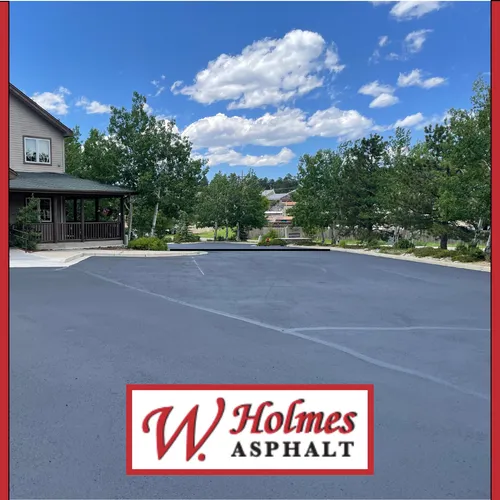
W. Holmes Asphalt & Seal Coating is a family-owned asphalt and paving company serving Denver, CO, and surrounding communities. Since 2008, they have provided residential, commercial, and industrial customers with services including seal coating, crack filling, pothole repair, overlaying, and new driveway and parking lot installation. Their team uses modern equipment and quality materials to ensure durable results. The company is fully insured and works closely with customers to handle projects of various sizes.
JL Enterprise LLC
7142 Mariposa St, Denver, CO 80221
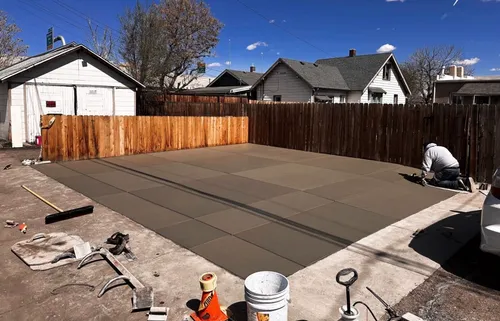
JL Enterprise LLC is a family-owned paving contractor based in Denver, CO. They specialize in asphalt and concrete services for residential, commercial, and municipal clients throughout the Denver area. With over 20 years of experience, JL Enterprise provides a range of paving solutions including parking lot paving and concrete work.
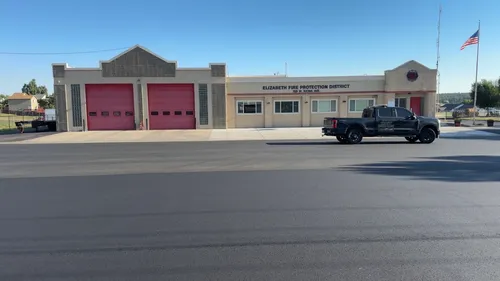
BCT Asphalt Paving
Centennial, CO
BCT Asphalt Paving is a family-owned asphalt paving contractor serving Centennial, CO, with over 25 years of experience. They provide a wide range of services including asphalt paving, sealcoating, parking lot construction and maintenance, resurfacing, pothole repair, crack filling, and professional striping to ensure functional and durable surfaces. The company uses high-quality materials and modern equipment to deliver projects that withstand Colorado's climate. BCT Asphalt Paving also offers driveway and culvert services to enhance property access and drainage. They are fully licensed and insured and provide special discounts for senior citizens, veterans, and first responders.
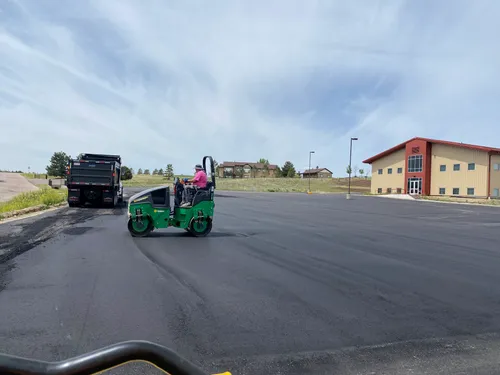
Rileys Asphalt
3189 Ireland Moss St, Castle Rock, CO 80109
Rileys Asphalt is a family-owned asphalt paving and maintenance company serving Denver, CO, and the surrounding southern Denver area. With over 30 years of experience, they provide a full range of services including new asphalt paving, parking lot repairs, and sealcoating for both commercial and residential properties. The company emphasizes clear communication and attention to detail to ensure projects are completed right the first time and built to withstand Colorado's climate and traffic demands.
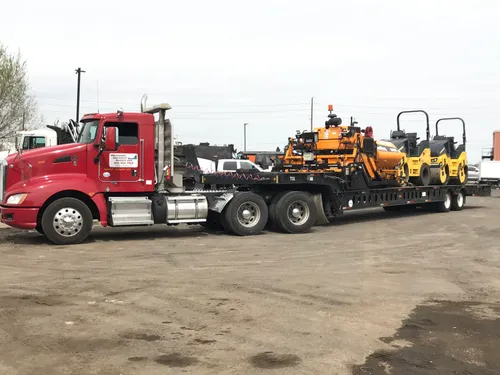
Colorado Asphalt Works Inc
5390 E 72nd Ave, Commerce City, CO 80022
Colorado Asphalt Works Inc is a paving contractor based in Denver, CO, providing a range of asphalt and concrete services. They specialize in parking lot striping, sealcoating, sweeping, paving, resurfacing, and repair, serving the Front Range and surrounding areas. Established in 1997, the company offers comprehensive parking lot maintenance including crack-filling and overlays, as well as driveway repairs tailored to enhance safety and appearance. Their experienced team focuses on craftsmanship and long-term performance to meet the unique needs of each property.
Why Denver's Climate Demands Specialized Paving
Paving a parking lot in Denver is an engineering challenge shaped directly by the local environment. The city experiences over 300 days of sunshine annually, extreme daily temperature swings, and more than 100 freeze-thaw cycles each year. This combination creates a punishing cycle for pavement. Asphalt is generally the preferred material over concrete due to its inherent flexibility, which allows it to better withstand the constant thermal expansion and contraction without catastrophic cracking 1.
Two primary factors accelerate wear:
- Intense UV Radiation: Denver's elevation increases UV exposure by 15-20% compared to sea level. This radiation accelerates oxidation, breaking down the asphalt binder and making the surface brittle and prone to cracking within 5-10 years if not properly protected 2 3.
- The Freeze-Thaw Cycle: Water is asphalt's greatest enemy. When water seeps into small cracks and freezes, it expands by approximately 9%, forcing the pavement apart and leading to potholes. This destructive cycle repeats over 120 times annually in Denver 4 5.
Common Causes of Asphalt Failure in Denver
Understanding what causes asphalt to fail is the first step in preventing it. Beyond the climate, several local conditions contribute to premature pavement deterioration.
- Expansive Clay Soils: Much of Denver sits on soil containing bentonite clay. This clay absorbs water and swells, then shrinks as it dries. This massive movement underneath the pavement creates stress that causes cracking and heaving from below 6.
- Poor Drainage & Water Infiltration: Standing water is a primary cause of damage. Without proper slope and drainage systems, water pools, penetrates the surface, and initiates the destructive freeze-thaw process, leading to alligator cracking and potholes.
- Subgrade Softening and Subsidence: If the soil and aggregate base beneath the asphalt are not properly compacted, the foundation can soften and settle over time. This subsidence leads to low spots, rutting, and structural failure 7.
The solution to these challenges lies in meticulous site preparation, including proper grading for water runoff, robust sub-base compaction, and the installation of efficient drainage-all non-negotiable steps for a long-lasting lot in Colorado.
The Parking Lot Paving Process: A Step-by-Step Guide
A durable asphalt installation is a multi-stage project. Skipping or shortcutting any step can lead to costly repairs down the line.
- Site Assessment & Planning: A professional contractor will survey the area, design for optimal traffic flow and drainage, and handle necessary permits, such as Denver's Landscape Plan approval for parking areas 8.
- Demolition & Removal: Existing damaged asphalt, concrete, or vegetation is removed and hauled away.
- Grading & Subgrade Preparation: The site is graded to ensure a minimum slope of 1/4 inch per foot for proper water runoff 9. The native soil (subgrade) is then thoroughly compacted to create a stable, unyielding foundation.
- Base Layer Installation: A 4-8 inch layer of compacted aggregate (gravel) is installed. This base is critical for stability, load-bearing capacity, and sub-surface drainage.
- Asphalt Application: Hot mix asphalt (HMA) is laid in one or more lifts (typically 2-4 inches total). It is immediately compacted with heavy rollers to achieve a smooth, dense surface. The mix itself is often polymer-modified for Denver's climate, offering greater flexibility and durability against thermal fatigue 10.
- Curing & Finalizing: The new asphalt requires 48 to 72 hours to cure before it can handle regular traffic 11. Once cured, the final steps include sealcoating to protect against UV and water, followed by the application of parking stall lines and symbols.
Find the perfect parking lot paving contractors for your needs
Get personalized recommendations and expert advice
Understanding Costs for Denver Parking Lot Projects
Costs for asphalt work vary based on project size, scope, site conditions, and material choices. The estimates below provide a 2025-2026 benchmark for budgeting in the Denver area 12 13 14.
| Project Type | Estimated Cost per Sq Ft |
|---|---|
| New Asphalt Paving | $5.00 - $9.00 |
| Resurfacing/Overlay (2-inch) | $1.45 - $3.00 |
| Repair/Patching | $1.00 - $3.50 |
| Sealcoating | $0.25 - $0.45 |
Important Notes on Pricing:
- Economies of Scale: Larger projects often have a lower cost per square foot.
- Site Factors: Complications like poor drainage, significant demolition, or difficult soil conditions (like expansive clay) will increase the price.
- Material Specifications: Using polymer-modified asphalt or a thicker base layer for heavy traffic will also raise costs but extends lifespan.
Critical Maintenance for Longevity
Installation is just the beginning. A proactive maintenance plan is essential to protect your investment against Denver's elements.
- Sealcoating: This is your pavement's sunscreen and raincoat. Applying a fresh sealcoat every 2-3 years is the single most cost-effective way to block UV rays, prevent water infiltration, and keep the asphalt binder flexible 15.
- Prompt Crack Sealing: Fill cracks as soon as they appear, preferably before winter. This prevents water from entering and expanding, stopping small issues from becoming large, expensive repairs.
- Regular Cleaning & Drainage Inspection: Keep drains and inlets clear of debris to ensure water flows away from the pavement. Inspect the lot each spring and fall for drainage issues or new damage.
Seasonal Considerations for Paving
Timing matters. Asphalt installation requires specific ground and ambient temperatures for proper compaction and binding. Paving is typically only feasible in the warmer months, as the ground temperature should be consistently above 40°F-50°F 16. Planning your project for late spring through early fall is ideal. This also allows time for the new pavement to be sealed before the first freeze.
Frequently asked questions
Sources
Footnotes
-
Driveway Paving in Denver: Selecting the Best Materials for ... - https://foothillspaving.com/blog/driveway-paving-in-denver-selecting-the-best-materials-for-colorados-unique-climate/ ↩
-
How Denver's Altitude and UV Exposure Impact Asphalt ... - https://asphaltcoatingscompany.com/blog/how-denvers-altitude-and-uv-exposure-impact-asphalt-performance/ ↩
-
Colorado's Climate Impact on Asphalt - https://sealcoatandasphalt.com/colorados-climate-impact-on-asphalt/ ↩
-
Denver | Enright Asphalt | Pothole Repair - https://www.enrightasphalt.com/asphalt-repair-denver/ ↩
-
Colorado Asphalt Problems: Causes and Solutions - https://sealcoatandasphalt.com/colorado-asphalt-problems-causes-and-solutions/ ↩
-
Why The Soils Report Is Important To Colorado New Home Buyers - https://www.denverhomesonline.com/articles/new-homes/why-the-soils-report-is-important-to-colorado-new-home-buyers-80/ ↩
-
UNDERSTANDING ASPHALT SUBSIDENCE - https://bradleyasphalt.com/2024/07/11/understanding-asphalt-subsidence/ ↩
-
Rules and Regulations for the Landscaping of Parking Areas - https://denvergov.org/content/dam/denvergov/Portals/646/documents/Zoning/other_regulations/Parking_Lot_Landscape_Rules_Regulations.pdf ↩
-
Homeowners Guide to Runoff - City and County of Denver (2010) - https://www.denvergov.org/files/assets/public/doti/documents/programsservices/flood/homeowner-guide-to-runoff-2010.pdf ↩
-
Driveway Paving in Denver: Selecting the Best Materials for ... - https://foothillspaving.com/blog/driveway-paving-in-denver-selecting-the-best-materials-for-colorados-unique-climate/ ↩
-
Asphalt Curing Times - rockasphalt.com - https://rockasphalt.com/asphalt-curing-times/ ↩
-
How Much Does It Cost to Pave a Driveway in Denver, CO? - https://www.angi.com/articles/how-much-does-it-cost-pave-driveway/co/denver ↩
-
Colorado Parking Lots Costs & Prices - ProMatcher Cost Report - https://parking-lots.promatcher.com/cost/colorado.aspx ↩
-
how much does it cost to have an asphalt driveway put in - https://www.coloradoconcreteco.com/howmuchdoesitcosttohaveanasphaltdrivewayputin.html ↩
-
Complete Guide to Asphalt Driveway Sealcoating and Repairs ... - https://foothillspaving.com/blog/complete-guide-to-asphalt-driveway-sealcoating-and-repairs-from-foothills-paving/ ↩
-
Can You Pave Asphalt in the Winter? Your Top Questions Answered - https://www.raleighpaving.com/resources/blog/can-you-pave-in-the-winter/ ↩