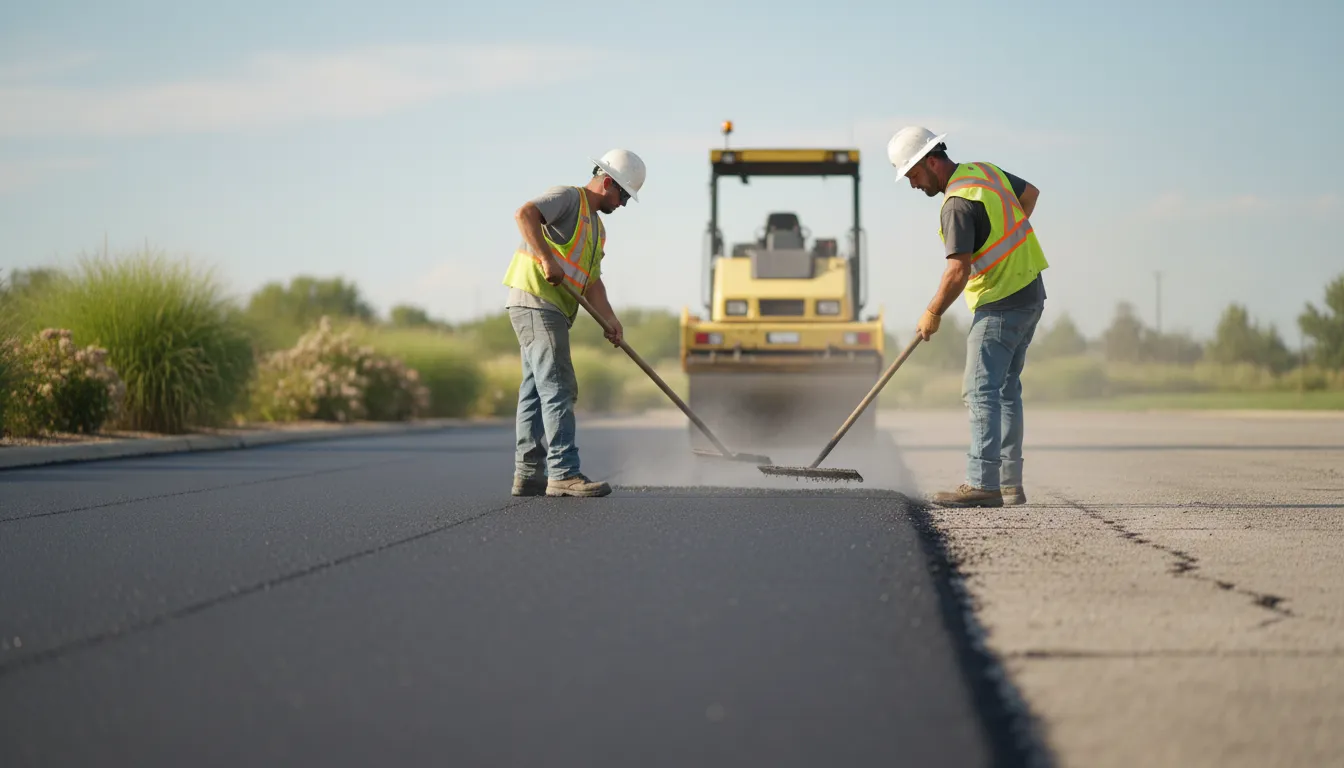
Find the Best Parking Lot Paving Contractors for Your Business
No obligation • Fast responses • Nationwide coverage
Why you can trust Tidy Parking
Tidy Parking is a leading U.S. source for parking lot maintenance services, including striping, sealcoating, sweeping, paving, resurfacing, and repairs. Our content is created independently, and providers cannot pay to influence ratings or recommendations.
Search providers near you
Top Parking Lot Paving Contractors in Boulder, Colorado Ranked
A well-paved parking lot is a critical asset for any Boulder business or property, providing a safe, durable, and professional first impression. In Boulder's unique environment, successful asphalt installation requires specialized knowledge to handle expansive soils, dramatic temperature swings, and strict local regulations. This guide explains the key considerations, processes, and costs for parking lot construction and asphalt paving in Boulder, helping you understand what to look for in a local paving service.
W. Holmes Asphalt & Seal Coating
Denver, CO
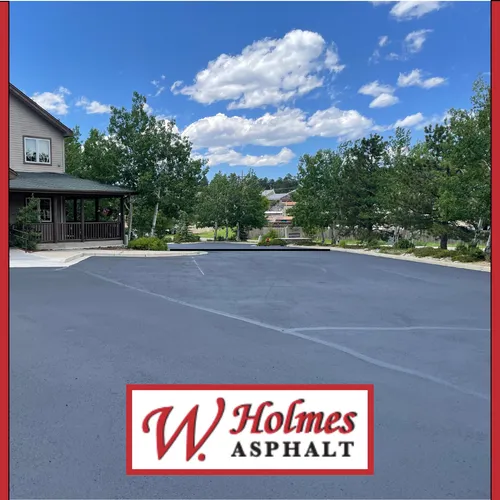
W. Holmes Asphalt & Seal Coating is a family-owned asphalt and paving company serving Denver, CO, and surrounding communities. Since 2008, they have provided residential, commercial, and industrial customers with services including seal coating, crack filling, pothole repair, overlaying, and new driveway and parking lot installation. Their team uses modern equipment and quality materials to ensure durable results. The company is fully insured and works closely with customers to handle projects of various sizes.
JL Enterprise LLC
7142 Mariposa St, Denver, CO 80221
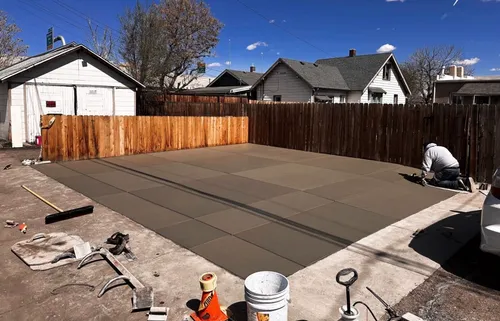
JL Enterprise LLC is a family-owned paving contractor based in Denver, CO. They specialize in asphalt and concrete services for residential, commercial, and municipal clients throughout the Denver area. With over 20 years of experience, JL Enterprise provides a range of paving solutions including parking lot paving and concrete work.
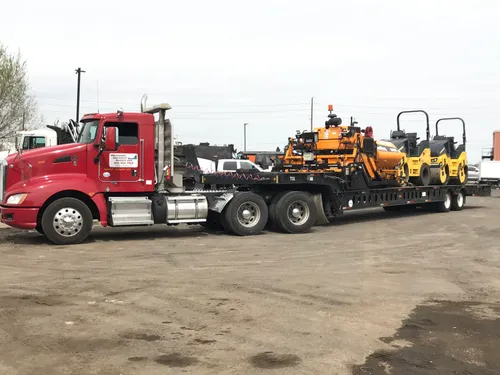
Colorado Asphalt Works Inc
5390 E 72nd Ave, Commerce City, CO 80022
Colorado Asphalt Works Inc is a paving contractor based in Denver, CO, providing a range of asphalt and concrete services. They specialize in parking lot striping, sealcoating, sweeping, paving, resurfacing, and repair, serving the Front Range and surrounding areas. Established in 1997, the company offers comprehensive parking lot maintenance including crack-filling and overlays, as well as driveway repairs tailored to enhance safety and appearance. Their experienced team focuses on craftsmanship and long-term performance to meet the unique needs of each property.
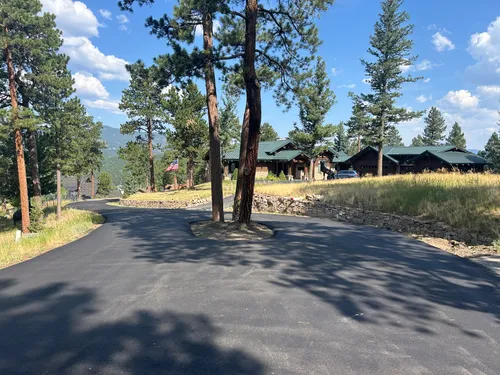
All Sons Asphalt Paving and Sealcoating Golden
306 S Lookout Mountain Rd Suite 100B, Golden, CO 80401
All Sons Asphalt Paving and Sealcoating Golden is a locally owned, family-operated asphalt company serving Denver, CO, and the surrounding metro area including Colorado Springs, Castle Rock, Highlands Ranch, Boulder, Longmont, and Aurora. With over 40 years of experience, they provide a range of services such as asphalt paving, sealcoating, crack filling, overlaying, driveway and road repair, and commercial parking lot maintenance. The company is licensed and insured, handling projects of various sizes across residential, industrial, and commercial sectors. They also offer after-hours texting for customer convenience.
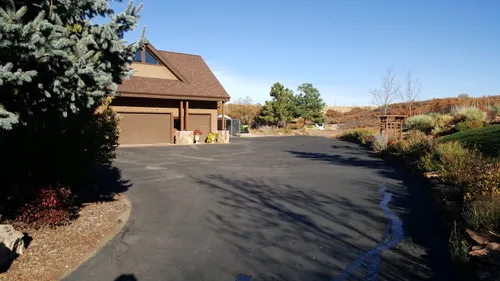
5280 SealCoating
11940 W Security Ave, Lakewood, CO 80401
5280 SealCoating is a family-owned parking lot sealcoating and asphalt repair company based near Denver, CO. They provide services including sealcoating, crack filling, pothole repair, patching, overlays, and repaving for both commercial and residential properties. Their sealcoating methods include broom, squeegee, and spray applications, each suited to different asphalt conditions to improve durability and appearance. With over 22 years of experience, 5280 SealCoating uses locally manufactured materials and offers flexible scheduling, including nights and weekends, to accommodate customer needs.
Understanding Boulder's Paving Challenges
Paving a parking lot in Boulder is not a one-size-fits-all endeavor. The Front Range climate and geology present specific hurdles that must be addressed during the design and construction phases to ensure longevity.
- Expansive Soils: Much of the Boulder area sits on clay-heavy soils that expand when wet and contract during dry periods 1. This constant movement can quickly lead to cracking and failure in a standard asphalt pavement. Proper subgrade remediation, such as soil stabilization with lime, is often a necessary first step.
- Freeze-Thaw Cycles: Colorado experiences significant freeze-thaw activity. Water that seeps into the pavement base freezes and expands by roughly 9%, creating pressure that cracks the asphalt from below 2. Effective drainage is the primary defense against this destructive cycle.
- High UV Radiation & Temperature Extremes: Boulder's high altitude and sunny climate mean intense UV exposure, which accelerates the oxidation of asphalt binder, making it brittle and prone to "raveling" (where surface aggregate loosens) 3. Furthermore, the region can see temperature swings of 150°F between winter and summer, requiring an asphalt mix that can expand and contract without failing.
The Parking Lot Paving Process: A Step-by-Step Overview
A durable asphalt pavement is the result of meticulous preparation and precise execution. Here is a typical sequence for a new parking lot construction project in Boulder.
1. Site Analysis & Planning
Before any machinery arrives, a thorough site evaluation is conducted. This includes assessing existing drainage patterns, projected traffic loads (including heavy delivery vehicles), and soil quality. In Boulder County, this phase often involves creating a Stormwater Management Plan (SWMP) to prevent erosion and sedimentation from impacting local waterways, which is a regulatory requirement.
2. Demolition & Grading
Existing damaged pavement is removed. The area is then carefully graded to establish a stable subgrade and, most importantly, the proper slope for water runoff. Industry guidelines recommend a minimum cross-slope of 2% (about 1/4 inch per foot) to effectively channel water away and prevent dangerous ponding, or "bird baths" 4 5.
3. Subgrade Preparation
This is arguably the most critical step for Boulder's problematic soils. The topsoil is removed, and the native soil is compacted to a density exceeding 95% of the standard proctor density to prevent future settling. For weak or expansive soils, stabilization techniques are applied here.
4. Base Layer Installation
The structural strength of a parking lot comes from its base. A compacted aggregate base layer, typically 6 inches or more thick, is installed. This layer provides 80-90% of the pavement's load-bearing capacity, distributing the weight of vehicles to prevent the asphalt surface from cracking 6 7.
5. Asphalt Application
Hot Mix Asphalt (HMA) is placed in layers. A common specification is a 2.5-inch binder course followed by a 1.5-inch surface course. The mix used is tailored to Colorado's climate, often a Performance Graded (PG) binder like PG 58-28 or PG 64-22, which remains flexible across a wide temperature range. The material is spread and then meticulously compacted with rollers to achieve the required density and smoothness.
6. Finishing
Once the asphalt has cooled and cured, final striping is applied to designate parking stalls, fire lanes, and directional arrows. While not always done immediately, a sealcoat application is highly recommended in Boulder to protect the new asphalt from UV oxidation, gasoline, and oil spills.
Find the perfect parking lot paving contractors for your needs
Get personalized recommendations and expert advice
Key Design and Material Considerations
Drainage is Paramount
In Boulder, water management isn't just a good idea-it's engineered into the design. Beyond the pavement slope, proper construction includes planning for subsurface drainage, catch basins, and swales to direct water away from the pavement structure entirely. Saturated subgrade is a leading cause of pavement failure.
Selecting the Right Asphalt Mix
The standard asphalt binders (PG 58-28, PG 64-22) are designed for Colorado's temperature extremes 8. For lots expecting heavy, frequent traffic or those with unique load requirements, polymer-modified binders may be recommended for added durability. Some contractors also use Warm Mix Asphalt (WMA) technologies, which allow for better compaction at lower temperatures, potentially improving the pavement's density and longevity 9.
Navigating Local Regulations
Boulder County and City regulations actively guide construction practices. Grading and earthwork must comply with codes designed to manage stormwater and erosion 10. Any significant paving project will likely need permits and must adhere to the county's Stormwater Management Manual, which outlines requirements for erosion control and water quality during construction 11.
Cost of Parking Lot Paving in Boulder
Paving costs are highly variable and depend on the size of the lot, site conditions, material costs, and project complexity. The figures below provide a general range for the Boulder area.
- New Asphalt Installation: For a completely new lot on a prepared site, costs typically range from $2.50 to $4.50 per square foot 12.
- Repaving (Total Removal & Replacement): Removing old pavement and installing new asphalt generally costs between $3.50 and $6.50 per square foot 13.
- Resurfacing (Overlay): Adding a new layer of asphalt over an existing, structurally sound pavement is a cost-effective option, ranging from $1.50 to $3.00 per square foot 14.
- Sealcoating: Protective sealcoating is a maintenance expense, usually costing $0.15 to $0.45 per square foot 15.
Important Note: The presence of challenging soil conditions, the need for extensive demolition, complex drainage solutions, or stringent regulatory requirements can significantly increase project costs. In complex Boulder sites, prices can sometimes reach up to $12 per square foot depending on the specific challenges involved 16.
Frequently asked questions
Sources
Footnotes
-
Navigating Colorado's Diverse Soil Types - Timberline Landscaping - https://www.timberlinelandscaping.com/colorados-diverse-soil-types/ ↩
-
Colorado's Climate and Your Asphalt: A Guide to Pavement ... - https://bethelheightsark.org/colorados-climate-and-your-asphalt-a-guide-to-pavement-longevity/ ↩
-
Colorado's Climate Impact on Asphalt - https://sealcoatandasphalt.com/colorados-climate-impact-on-asphalt/ ↩
-
a guideline for the design and construction of asphalt parking ... - https://www.co-asphalt.com/assets/docs/CAPA-Parking-Lot-Design-Guide-2nd-edition-DEC2016.pdf ↩
-
How Parking Lot Drainage Impacts Pavement Longevity - Rose - https://www.rosepaving.com/blog/how-parking-lot-drainage-impacts-pavement-longevity/ ↩
-
Proper Base and Subgrade Construction for Parking Lots - https://www.mypavementguy.com/proper-base-and-subgrade-construction-for-parking-lots/ ↩
-
IAPA :: Parking Lots - Illinois Asphalt Pavement Association - https://www.il-asphalt.org/asphalt-info/private-commercial/parking-lots/ ↩
-
A GUIDELINE FOR THE DESIGN AND CONSTRUCTION OF ... - https://www.co-asphalt.com/assets/docs/AsphaltlParkingLotDesignGuide1.pdf ↩
-
Pioneering Sustainable Pavements - NAPA Quarterly (NAPQ) - https://www.napaquarterly-digital.com/napq/0224_summer_2024/MobilePagedArticle.action?articleId=1984923 ↩
-
Boulder County Planning Publications Earthwork and Grading - P06 - https://bouldercounty.gov/property-and-land/land-use/planning/planning-publications/p06-earthwork-and-grading/ ↩
-
Section 1300 Construction Water Quality Table of Contents - https://assets.bouldercounty.gov/wp-content/uploads/2017/03/storm-drainage-manual-construction-water-quality-1300.pdf ↩
-
How Much Does Parking Lot Paving Cost in 2025? - https://elispaving.com/how-much-does-parking-lot-paving-cost-in-2025/ ↩
-
Colorado Paving Costs & Prices - ProMatcher Cost Report - https://paving.promatcher.com/cost/colorado.aspx ↩
-
Cost to Pave a Parking Lot Price Guide [2026 Data] | Angi - https://www.angi.com/articles/cost-to-pave-parking-lot.htm ↩
-
Colorado Parking Lots Costs & Prices - ProMatcher Cost Report - https://parking-lots.promatcher.com/cost/colorado.aspx ↩
-
Asphalt Paving Calculator - What Goes Into The Cost Of Asphalt - https://morganpavement.com/blog/asphalt-paving-calculator-what-goes-into-the-cost-of-asphalt/ ↩