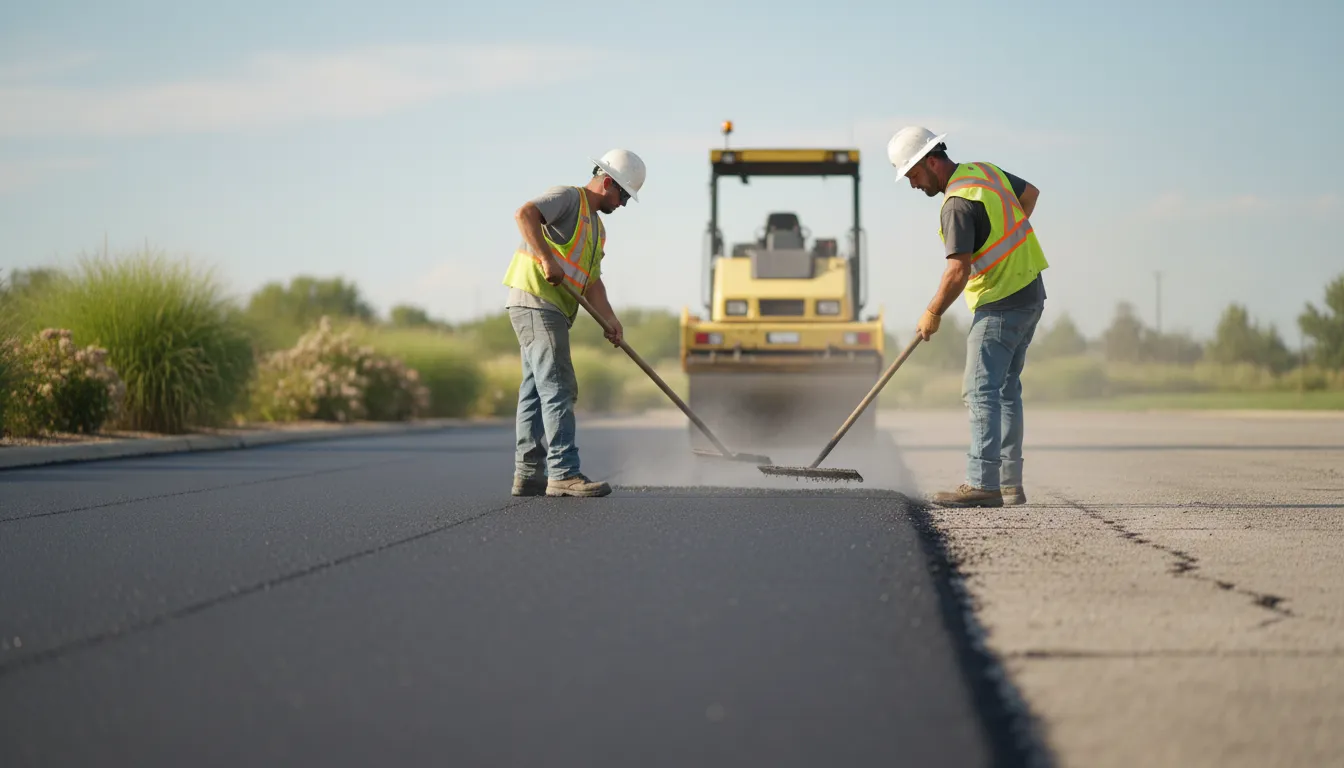
Find the Best Parking Lot Paving Contractors for Your Business
No obligation • Fast responses • Nationwide coverage
Why you can trust Tidy Parking
Tidy Parking is a leading U.S. source for parking lot maintenance services, including striping, sealcoating, sweeping, paving, resurfacing, and repairs. Our content is created independently, and providers cannot pay to influence ratings or recommendations.
Search providers near you
Top Parking Lot Paving Contractors in Ontario, California Ranked
A well-paved parking lot is a critical asset for any business, providing a safe, durable, and professional first impression for customers and employees. In Ontario, California, this task requires specialized knowledge to handle the region's unique climate and soil conditions. This guide explains the process, costs, and key considerations for commercial asphalt paving in the Inland Empire, helping you understand what's involved in creating a long-lasting pavement surface for your property.
HKY Asphalt Paving of San Bernardino
Riverside, CA
HKY Asphalt Paving of San Bernardino is a paving contractor based in Riverside, CA, offering services including parking lot striping, sealcoating, paving, resurfacing, and repair. They serve residential and commercial clients across San Bernardino, handling everything from small driveways to large parking lots and road construction projects. The company emphasizes proper base preparation and uses commercial-grade materials to ensure durability in local soil and weather conditions. With over 30 years of experience, they also provide demolition and speed bump installation services, managing permits and debris removal as part of their comprehensive approach.
Alliance Paving Inc.
2201 E Winston Rd E, Anaheim, CA 92806
Alliance Paving Inc. is a paving and maintenance company based in Los Angeles, CA, serving Orange, Los Angeles, Riverside, San Bernardino, and San Diego counties. They specialize in commercial parking lot services including asphalt repair, sealcoating, striping, and complete pavement replacements. With over 20 years of experience, Alliance Paving focuses on extending pavement life through regular maintenance and offers coordinated project management to minimize business interruptions.
HKY Asphalt Paving
Anaheim, CA
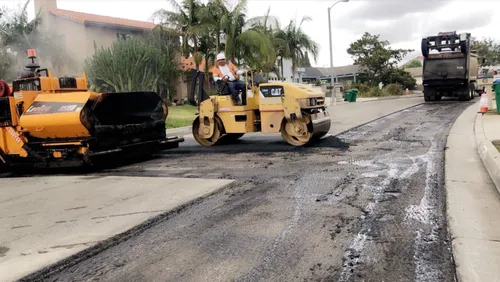
HKY Asphalt Paving is a paving contractor based in Anaheim, CA, serving Riverside and nearby communities. They provide a range of services including asphalt paving, sealcoating, parking lot striping, resurfacing, and repair for residential and commercial properties. The company emphasizes thorough base preparation and proper grading to ensure durable surfaces that withstand local weather conditions. They also offer milling to remove damaged pavement, installation of speed bumps, and full demolition services for site preparation. With over 30 years of experience in the Riverside area, HKY Asphalt Paving has developed local knowledge to address soil and drainage challenges effectively.
City Service Asphalt
769 Beverly Rd, Corona, CA 92879
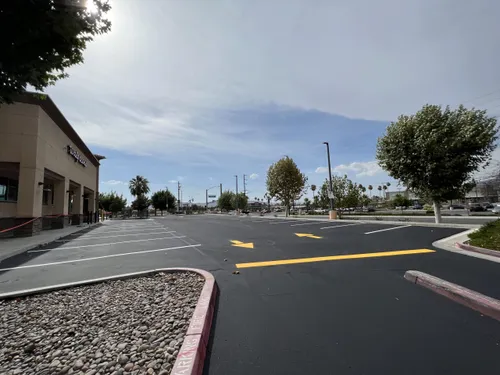
City Service Asphalt is a family-owned paving company serving Los Angeles, CA, and Southern California with over 25 years of experience. They provide commercial and residential asphalt and concrete paving services, including parking lot striping, sealcoating, resurfacing, crack sealing, and ADA-compliant access improvements. The company handles projects of all sizes, from small repairs to large-scale commercial parking lots, using commercial-grade materials and in-house crews to ensure quality and durability. City Service Asphalt also offers asphalt overlay and removal services to restore and maintain pavement surfaces effectively. Their operations cover a broad range of clients, including retail centers, multifamily units, schools, and public works.
Alpha Asphalt
Stockton, CA
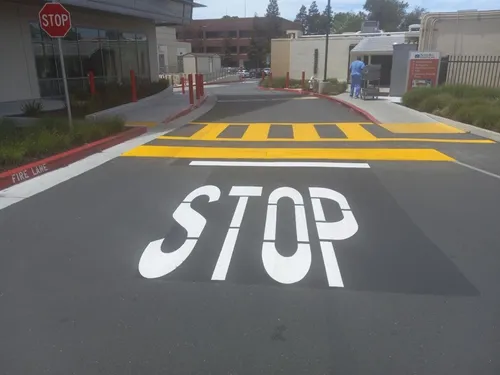
Alpha Asphalt is a full-service asphalt contractor based in Stockton, CA, specializing in parking lot paving, striping, sealcoating, and repair for both commercial and residential clients. They provide durable asphalt surfaces, precise striping, and protective sealcoating to enhance and maintain pavement quality. The company is known for using industry-grade materials and advanced equipment to deliver long-lasting results. Alpha Asphalt is a family-run business with a focus on clear communication and dependable scheduling.
Understanding the Ontario Paving Process
Parking lot construction is a multi-stage project that goes far beyond simply laying down asphalt. A successful installation in Ontario requires meticulous planning and execution to ensure the pavement can withstand decades of commercial traffic and intense sun. The standard process involves several key phases, each critical to the final outcome.
Site Assessment and Preparation: Every successful paving project begins with a thorough evaluation. Contractors will assess existing soil conditions, drainage patterns, and the state of any old pavement. The site must be cleared of all debris, vegetation, and unsuitable materials. This stage often includes soil testing to identify potential issues like expansive clay or loose sand common in the area.
Grading and Excavation: Proper grading is arguably the most important step for longevity. The site is leveled and shaped to create a precise slope, typically between 1% and 5%, to direct water toward designated drainage points like catch basins 1 2. In Ontario, where sudden heavy rains can occur, effective grading prevents water from pooling and seeping into the base, which is a primary cause of pavement failure.
Sub-base Installation: This is the foundation of your parking lot. A layer of crushed aggregate (usually 4 to 8 inches thick) is spread and mechanically compacted to create a stable, unyielding platform. A strong, well-compacted sub-base distributes the weight of vehicles and prevents the asphalt surface from cracking under stress. Skipping or rushing this step to save money is a common mistake that leads to premature repairs 3.
Asphalt Laying and Compaction: Once the base is ready, hot-mix asphalt (HMA) is applied in layers. For commercial lots in Ontario, a total thickness of 3 to 4 inches is standard 4. The asphalt is laid at a high temperature and immediately compacted with heavy rollers. Compaction reduces air voids within the asphalt mix, increasing its density and durability while making it more resistant to water penetration and wear 5.
Finishing Touches: After compaction, the new pavement must cure, typically for 24-72 hours before it can handle traffic. The final steps include applying a protective sealcoat and striping the parking spaces, aisles, and handicap stalls in full compliance with the Americans with Disabilities Act (ADA) and California regulations 6.
Key Challenges for Paving in Ontario, CA
Ontario's specific environment presents distinct challenges that must be addressed during the pavement installation and design phase. Ignoring these local factors can lead to costly failures.
Soil and Base Issues: The soils in the Inland Empire can be problematic. Expansive clays swell when wet and shrink when dry, creating movement that cracks rigid pavement. Sandy soils, on the other hand, may not provide adequate support without proper stabilization 7. A qualified contractor will identify soil type during the assessment and may recommend techniques like soil stabilization or a thicker aggregate base to create a solid foundation.
Drainage and Water Management: As mentioned, grading is critical. Poor drainage doesn't just cause puddles; it leads to water infiltrating the sub-base. A saturated base loses its strength, leading to soft spots. As vehicles drive over these soft areas, the asphalt surface flexes and eventually develops interconnected cracks known as "alligator cracking," a sure sign of base failure. Ensuring positive drainage to catch basins or swales is non-negotiable.
High-Temperature Performance: Ontario experiences hot, dry summers where pavement surface temperatures can soar. Standard asphalt can soften in this heat, leading to rutting (permanent deformation in wheel paths) and "shoving" at intersections where vehicles stop and start 8. The solution is using an asphalt mix formulated for high-temperature performance, often involving a stiffer binder or polymer modifications.
Find the perfect parking lot paving contractors for your needs
Get personalized recommendations and expert advice
Material Selection for Climate and Traffic
Choosing the right asphalt mix is a technical decision that impacts the lifespan and maintenance costs of your parking lot. For Ontario's conditions, not all asphalt is created equal.
Conventional Hot Mix Asphalt (HMA): This is the standard material, a carefully engineered combination of aggregate (stone, sand, gravel) and asphalt cement binder. For many applications, a high-quality HMA specified for local traffic loads and climate is sufficient.
Performance-Graded Binders and Mixes: To combat thermal fatigue-cracking caused by the dramatic temperature swings between cold winter nights and scorching summer days-paving engineers select asphalt binders based on performance grades (PG) 9. A PG binder rated for both high and low temperatures, such as PG 64-22, is commonly specified in California to resist both rutting and thermal cracking 10.
Rubberized Hot Mix Asphalt (RHMA): For high-stress areas like busy entrances, loading zones, or lots with constant heavy traffic, RHMA is an excellent option. This mix incorporates crumb rubber from recycled tires into the asphalt binder. The result is a more flexible, durable pavement that is highly resistant to rutting and reflective cracking and performs exceptionally well in hot climates 11 12. While the initial cost is higher, the extended service life often provides a better long-term value.
Cost Breakdown for Parking Lot Paving
Understanding the cost components helps in budgeting and comparing quotes. Prices can vary based on site conditions, material choice, and project scope. In California, the total cost to pave a parking lot typically ranges from $2.50 to $7.00 per square foot.
Material Costs: The asphalt material itself generally costs between $1.00 and $2.50 per square foot. The price fluctuates with the price of oil and the type of mix specified (e.g., RHMA costs more than standard HMA).
Labor and Installation Costs: This covers the skilled work of grading, base installation, asphalt laying, and compaction. Labor costs typically add another $1.50 to $2.00 per square foot to the project. Complex sites with difficult access or significant grading needs will be on the higher end.
Site Preparation Costs: This is a major variable. If the old pavement must be removed (milling and disposal), or if significant excavation and soil stabilization are required, costs will increase. Simple, clean sites with good soil are less expensive to prepare.
Additional Cost Factors:
- Resurfacing/Overlay: If an existing asphalt lot is structurally sound but worn, an overlay (applying 1.5-2 inches of new asphalt over the old) can be a cost-effective solution, ranging from $2.00 to $7.00 per square foot depending on preparatory repairs 13.
- Sealcoating: A protective sealcoat is essential maintenance, costing $0.15 to $0.30 per square foot and recommended every 2 to 4 years 14.
- ADA Compliance: Striping, signage, and concrete work for wheelchair ramps and curb cuts are mandatory and must be factored into the total project budget 15.
Maintaining Your Newly Paved Lot
Investment protection begins as soon as the pavement cures. A proactive maintenance plan extends the life of your parking lot by years and avoids costly premature reconstruction.
Initial Cure and Early Use: Allow the new asphalt to cure fully, usually for at least 72 hours, before allowing regular traffic. Avoid sharp turns and heavy truck traffic on the fresh surface for the first few weeks.
Sealcoating Schedule: Apply a high-quality sealcoat within 6-12 months of installation and re-apply every 2-4 years thereafter. Sealcoating blocks UV rays, prevents water and chemical penetration (like oil and gasoline), and restores a rich black appearance.
Prompt Crack Repair: Small cracks are inevitable over time. Sealing these cracks annually with a hot-pour or cold-pour crack filler prevents water from entering and undermining the base, stopping small problems from becoming large, expensive ones.
Regular Cleaning and Inspection: Keep the lot free of debris and ensure drainage inlets are clear. Perform bi-annual inspections to identify early signs of wear, drainage issues, or cracking so they can be addressed promptly.
Frequently asked questions
Sources
Footnotes
-
Making the Grade: Parking Lot Drainage - Metro Paving INC - https://metropavinginc.com/2021/03/making-the-grade-parking-lot-drainage/ ↩
-
Parking Lot Drainage Solutions - PaveConnect - https://paveconnect.com/parking-lot-drainage-solutions/ ↩
-
How Proper Base Preparation Impacts Asphalt Paving Longevity - https://montgomeryasphaltservice.com/how-proper-base-preparation-impacts-asphalt-paving-longevity ↩
-
The Essential Guide To Asphalt Thickness For Parking Lots - https://www.royalpavementsolutions.com/the-essential-guide-to-asphalt-thickness-for-parking-lots/ ↩
-
How Long Does It Take to Build a Parking Lot with Asphalt Paving? - https://www.standardpavinginc.com/how-long-does-it-take-to-build-a-parking-lot-with-asphalt-paving/ ↩
-
New Parking Lot Installation - APCO Paving Co. - https://www.apcopavingco.com/paving-service/new-parking-lot-installation/ ↩
-
Bad Soil Can Ruin Asphalt Paving, How to Avoid It? - https://asphaltcoatingscompany.com/blog/bad-soil-can-ruin-asphalt-heres-how-to-avoid-it/ ↩
-
Traffic and Climate Impacts on Rutting and Thermal Cracking in Flexible and Composite Pavements - https://search.proquest.com/openview/de88337d44672a0230955a6f97072355/1.pdf?pq-origsite=gscholar&cbl=2055405 ↩
-
Assessing Climate Change Impact on Asphalt Binder Grade ... - https://www.researchgate.net/publication/351776179_Assessing_Climate_Change_Impact_on_Asphalt_Binder_Grade_Selection_and_its_Implications ↩
-
An Assessment of the Impact of Climate Change on Asphalt ... - https://www.mdpi.com/2071-1050/15/21/15667 ↩
-
Multi-Criteria Decision Framework for Asphalt Pavement Material ... - https://escholarship.org/uc/item/55v7t7gt ↩
-
Asphalt vs. Concrete Parking Lot Construction - DRYCO - https://www.dryco.com/blog/asphalt-parking-lot-construction/ ↩
-
Cost to Pave a Parking Lot Price Guide [2026 Data] | Angi - https://www.angi.com/articles/cost-to-pave-parking-lot.htm ↩
-
Cost to Pave a Parking Lot Price Guide [2026 Data] | Angi - https://www.angi.com/articles/cost-to-pave-parking-lot.htm ↩
-
Northern California Parking Lot Paving: The Commercial ... - https://www.advantageasphalt.com/resources/northern-california-parking-lot-paving-guide ↩