Find the Best Parking Lot Paving Contractors for Your Business
No obligation • Fast responses • Nationwide coverage
Why you can trust Tidy Parking
Tidy Parking is a leading U.S. source for parking lot maintenance services, including striping, sealcoating, sweeping, paving, resurfacing, and repairs. Our content is created independently, and providers cannot pay to influence ratings or recommendations.
Search providers near you
Top Parking Lot Paving Contractors in Alameda, California Ranked
A well-paved parking lot is a critical asset for any Alameda business or property manager, providing a safe, durable, and professional first impression for visitors. Parking lot paving is a complex construction process that involves far more than just laying down asphalt; it requires careful planning, expert grading, and specialized materials to withstand the unique challenges of the Bay Area's coastal environment. This guide explains the key considerations, processes, and costs for asphalt installation in Alameda, helping you understand what goes into a quality pavement project and how to connect with experienced local professionals.
Charis Paving Co
San Jose, CA
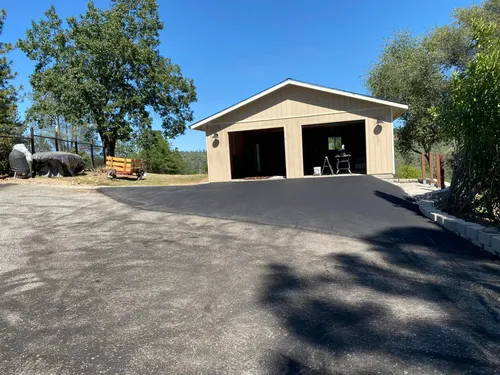
Charis Paving Co is an asphalt contractor based in San Jose, CA, offering a range of services including asphalt paving, patching, striping, sealcoating, and driveway installation. They serve both residential and commercial clients, using quality materials and advanced techniques to ensure durable and reliable pavement solutions. Their expertise covers parking lot paving and maintenance, with a focus on extending the lifespan and functionality of asphalt surfaces. With years of industry experience, Charis Paving Co emphasizes timely project completion and customer satisfaction.
Granite Northwest Grading And Paving
San Jose, CA
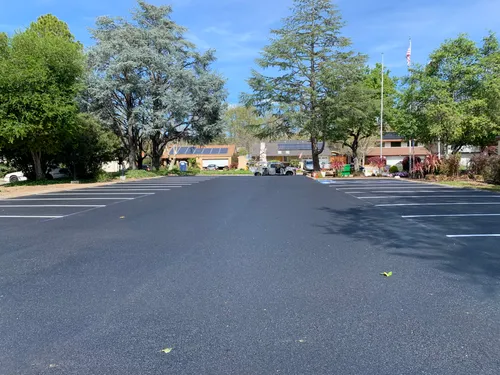
Granite Northwest Grading And Paving is a family-owned paving contractor serving San Jose, CA, with three generations of experience. They provide a wide range of services including asphalt and concrete driveway installations, parking lot paving, repairs, sealcoating, resurfacing, and striping. The company handles both residential and commercial projects, focusing on durable, long-lasting pavement solutions. Their expertise includes parking lot paving and maintenance, ensuring smooth, safe surfaces that meet local regulations. Granite Northwest Grading And Paving emphasizes clear communication and a collaborative approach throughout each project.
Progressive Asphalt Paving
San Jose, CA
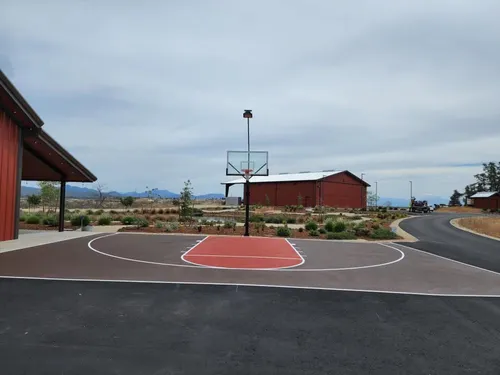
Progressive Asphalt Paving is an asphalt contractor serving San Jose, CA, specializing in asphalt paving, patching, striping, sealcoating, and driveway installation. They provide services for residential, commercial, and municipal clients, using premium materials to ensure durable and long-lasting asphalt surfaces. Their expertise includes asphalt patching techniques that restore pavement strength and professional striping that meets regulatory standards. The company emphasizes tailored solutions and transparent pricing based on years of industry experience.
All Things Asphalt Inc
360 Portage Ave, Palo Alto, CA 94306
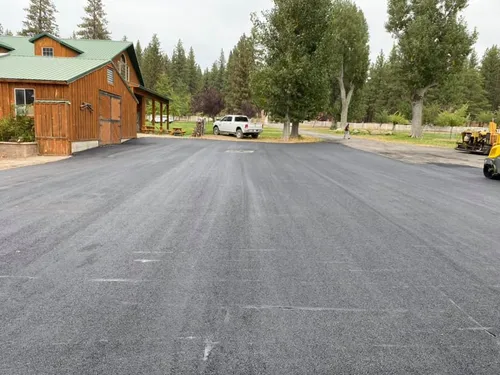
All Things Asphalt Inc is a locally owned asphalt contractor based in San Jose, CA, offering a full range of asphalt services including paving, patching, striping, sealcoating, and driveway installation. They serve both residential and commercial clients, providing durable and visually appealing asphalt surfaces tailored to the needs of the Palo Alto area. The company uses high-quality materials and advanced equipment to ensure long-lasting results and specializes in parking lot construction and repair with attention to grading and drainage. With years of industry experience, All Things Asphalt Inc focuses on delivering projects on schedule while maintaining quality standards.
A & A Paving
220 Solano Ave, Bay Point, CA 94565
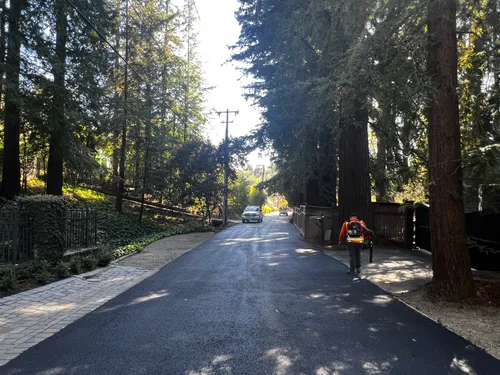
A & A Paving is a parking lot paving and repair company based in Oakland, CA. They provide a range of asphalt services including parking lot striping, sealcoating, resurfacing, and reconstruction. Their work includes ADA-compliant accessible parking spaces and EV charging stall paving with clear striping. The company handles both routine maintenance and major repairs to improve safety and functionality. A & A Paving customizes solutions to meet specific project needs and emphasizes durability and affordability in their work.
Understanding the Alameda Asphalt Paving Process
A successful parking lot construction or repaving project follows a meticulous, multi-stage process. Each step is crucial for ensuring the longevity and performance of the finished surface, especially in an area with Alameda's specific soil and climate conditions.
1. Site Assessment and Planning The process begins with a thorough evaluation of the existing site. Contractors assess the condition of any failed pavement, plan for logistics to maintain access for surrounding businesses, and identify critical drainage patterns. This phase includes surveying to establish proper elevation points for water runoff.
2. Demolition and Grading Old, damaged pavement is removed and debris is cleared. The exposed subgrade is then precisely graded and sloped. Creating the correct slope-typically a 3% to 5% grade-is essential in Alameda to direct water away from building foundations and toward designated drains or catch basins 1 2.
3. Base Installation and Compaction This is arguably the most critical step for long-term durability. A strong, stable sub-base of crushed rock (often 6-8 inches thick or more) is installed and heavily compacted. This base layer provides the structural integrity to support vehicle traffic and prevents the asphalt above from cracking due to ground movement. In Alameda's often soft or unstable soils, a robust base is non-negotiable 3.
4. Asphalt Application Hot mix asphalt (HMA) is delivered and poured in layers. For a standard commercial parking lot, the final asphalt thickness is typically 3 to 4 inches after compaction. The mix used is often a dense-graded aggregate designed for durability 4 5.
5. Compaction and Finishing While the asphalt is still hot, heavy steel-wheel and pneumatic rollers compact it to eliminate air pockets, creating a dense, smooth surface. Once cooled, the final touches are added, including thermoplastic line striping, the installation of concrete wheel stops or curbing, and any necessary ADA-compliant improvements like accessible parking stalls and ramps 6.
Unique Challenges for Paving in Alameda
Alameda's island location and coastal climate present specific hurdles that must be addressed during the pavement design and installation phase. Ignoring these factors can lead to premature and costly failures.
- High Water Table and Moisture: As a coastal city, Alameda has a naturally high water table. Water is often called the "number one enemy" of pavement. A saturated subgrade can lead to soft spots, potholes, and alligator cracking if not properly managed with adequate base material and drainage 7.
- Drainage and Water Pooling: Inadequate drainage leads to ponding water, which seeps into cracks, weakens the base, and accelerates deterioration through freeze-thaw cycles (less common) and general hydrostatic pressure. Proper sloping and catch basins are vital 8.
- Stormwater Management Regulations: Local environmental regulations, particularly those protecting the San Francisco Bay, may require the installation of "full trash capture" devices in storm drains during larger repaving or reconstruction projects. This is an important permitting and budgeting consideration.
- Soil Stability: The native soils can be unstable when wet. Subgrade failures are a common cause of pavement distress, necessitating more extensive excavation and base material to create a stable platform 9.
Climate and Environmental Considerations
Modern paving projects in the Bay Area increasingly consider broader environmental impacts alongside durability.
- Coastal Durability: Proximity to the bay means asphalt mixtures must be resistant to salt air, which can accelerate wear. High-quality, dense-graded mixes are essential for longevity in this salty environment.
- Temperature and Mix Design: Asphalt must perform like a viscous-plastic material in summer heat and a brittle-elastic one in cooler weather. The local mix must handle Alameda's temperate, damp winters and warm, dry summers without significant rutting or thermal cracking 10.
- Mitigating the Urban Heat Island Effect: Large expanses of dark asphalt absorb heat, contributing to higher local temperatures. For large projects, such as school campuses, property owners sometimes consider "cool pavement" technologies or lighter-colored sealcoats to reflect more solar energy and reduce ambient heat 11 12.
Find the perfect parking lot paving contractors for your needs
Get personalized recommendations and expert advice
Cost Factors for Parking Lot Paving in Alameda
Paving costs can vary widely based on the scope of work, site conditions, and material choices. Projects in the Greater Bay Area typically fall on the higher end of national cost ranges due to local labor, fuel, and material expenses.
- Basic Asphalt Material: The cost for hot mix asphalt material alone typically ranges from $0.75 to $2.00 per square foot 13.
- Total Asphalt Paving Project: When including excavation, base work, labor, and compaction, total project costs often range from $2.50 to $7.00 per square foot for a new installation or overlay 14 15.
- Full Reconstruction: If a project requires major soil stabilization, deep base repairs, or complex drainage work, costs can exceed $5.00+ per square foot 16.
- Resurfacing (Overlay): Applying a new layer of asphalt over an existing, stable base costs between $2.00 and $7.00 per square foot, depending on the thickness required.
- Sealcoating: This protective maintenance coating, which should be applied every few years, costs between $0.15 and $0.30 per square foot 17.
- Concrete Paving: While less common for entire lots, concrete is sometimes used for high-stress areas like dumpster pads or loading docks. Concrete parking areas typically cost $4.00 to $7.00 per square foot 18.
Paving vs. Resurfacing: Making the Right Choice
Not all distressed parking lots need a full tear-out and repave. Understanding the difference between these two major approaches can save significant time and money.
When to Choose Full Paving (Reconstruction): This is necessary when the pavement's foundational support has failed. Key indicators include:
- Widespread alligator (crocodile) cracking.
- Deep potholes and base failures.
- Severe drainage issues requiring regrading.
- The need to significantly redesign the lot's layout or elevation.
When a Resurfacing Overlay is Sufficient: Resurfacing involves milling down the top layer (if needed) and applying a new asphalt overlay. It's a cost-effective solution when:
- The existing asphalt surface is aged and oxidized but has a sound, stable base.
- Cracking is minimal and non-structural (surface-level).
- The current drainage and grading are functioning properly.
- The goal is to refresh the appearance and add 8-15 years of life to the lot.
A professional contractor can perform core samples and a thorough assessment to recommend the most appropriate and economical solution for your specific lot.
Maintaining Your Newly Paved Parking Lot
Protecting your investment begins as soon as the asphalt has cured. A proactive maintenance plan extends the life of your pavement and avoids costly repairs.
- Allow Proper Cure Time: Avoid heavy traffic or sharp turns on the new asphalt for at least 3-5 days, especially in warm weather.
- Sealcoating Schedule: Apply a quality sealcoat every 2-3 years. This protective layer shields the asphalt from UV rays, water, and automotive fluids like oil and gasoline.
- Prompt Crack Sealing: Fill small cracks annually with a rubberized crack filler to prevent water from infiltrating the base.
- Keep it Clean: Regularly sweep the surface and ensure drainage inlets are clear of debris to prevent standing water 19.
- Plan for Striping: Re-stripe parking stalls and symbols every 1-2 years to maintain clear, safe traffic patterns and ADA compliance.
Frequently asked questions
Sources
Footnotes
-
Northern California Parking Lot Paving: The Commercial ... - https://www.advantageasphalt.com/resources/northern-california-parking-lot-paving-guide ↩
-
Parking Lot Drainage Solutions - PaveConnect - https://paveconnect.com/parking-lot-drainage-solutions/ ↩
-
New Parking Lot Installation - APCO Paving Co. - https://www.apcopavingco.com/paving-service/new-parking-lot-installation/ ↩
-
How Long Does It Take to Build a Parking Lot with Asphalt Paving? - https://www.standardpavinginc.com/how-long-does-it-take-to-build-a-parking-lot-with-asphalt-paving/ ↩
-
The Essential Guide To Asphalt Thickness For Parking Lots - https://www.royalpavementsolutions.com/the-essential-guide-to-asphalt-thickness-for-parking-lots/ ↩
-
APA-17101 ParkingLot_8_5x11.indd - https://www.driveasphalt.org/uploads/documents/APA_Parking_Lot_Checklist_%28Computer_Printable%29.pdf ↩
-
Asphalt Paving in Alameda CA - https://www.paversalameda.com/asphalt-paving ↩
-
Drainage Solutions for Parking Lots - Contractors Asphalt - https://www.contractorsasphalt.com/drainage-solutions-for-parking-lots/ ↩
-
Parking Lot Construction in Alameda - American Asphalt - https://americanasphalt.com/parking-lot-construction-alameda/ ↩
-
CLIMATE CHANGE IMPACTS ON ASPHALT PAVEMENTS - https://www.ctaa.ca/wp-content/uploads/2012/02/Climate-Change-Impacts-on-Asphalt-Pavements-Global-Perspective-J.-Emery.pdf ↩
-
Asphalt Road Pavements to Address Climate Change ... - MDPI - https://www.mdpi.com/2076-3417/12/24/12515 ↩
-
Green Schoolyards: From Asphalt to Oasis - Save The Bay - https://savesfbay.org/green-schoolyards-from-asphalt-to-oasis/ ↩
-
Asphalt Calculator for California's Greater Bay Area - DRYCO - https://www.dryco.com/asphalt-calculator/greater-bay-area-california/ ↩
-
Cost to Pave a Parking Lot Price Guide [2026 Data] | Angi - https://www.angi.com/articles/cost-to-pave-parking-lot.htm ↩
-
Asphalt Paving Calculator - What Goes Into The Cost Of Asphalt - https://morganpavement.com/blog/asphalt-paving-calculator-what-goes-into-the-cost-of-asphalt/ ↩
-
How to Budget for Commercial Parking Lot Paving Projects - https://thepavementgroup.com/how-to-budget-for-commercial-parking-lot-paving-projects/ ↩
-
Cost to Pave a Parking Lot Price Guide [2026 Data] | Angi - https://www.angi.com/articles/cost-to-pave-parking-lot.htm ↩
-
Concrete Parking Lots 101: What You Need to Know - https://info.miconcrete.org/blog/concrete-parking-lots-101-what-you-need-to-know ↩
-
Parking Lot Pavement Maintenance - https://cleanwaterprogram.org/wp-content/uploads/2023/12/Parking-Lot-Maintenance-Tip-Sheet-Final-20231220.pdf ↩