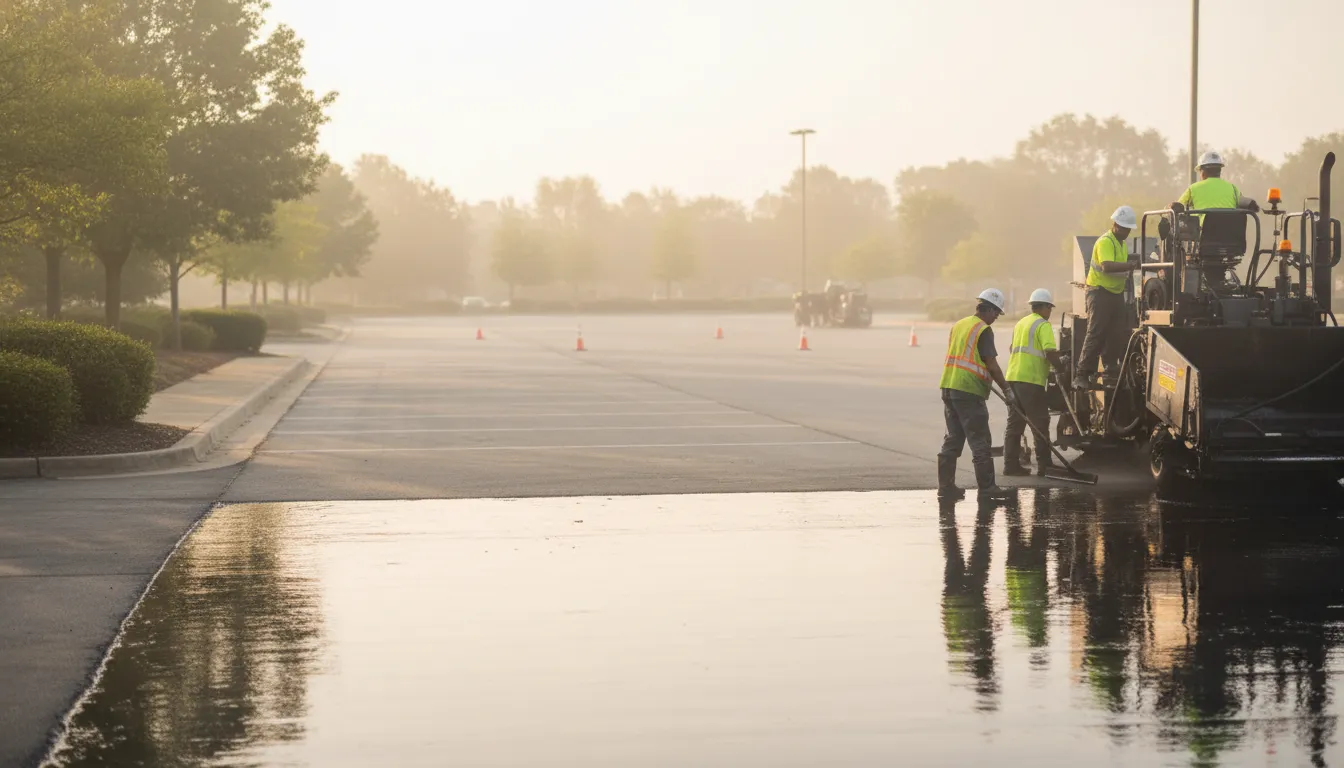
Find the Best Parking Lot Sealcoating Companies for Your Business
No obligation • Fast responses • Nationwide coverage
Why you can trust Tidy Parking
Tidy Parking is a leading U.S. source for parking lot maintenance services, including striping, sealcoating, sweeping, paving, resurfacing, and repairs. Our content is created independently, and providers cannot pay to influence ratings or recommendations.
Search providers near you
Top Parking Lot Sealcoating Companies in Franklin, Tennessee Ranked
Protecting your asphalt investment in Franklin is a critical part of property maintenance. Parking lot sealcoating is the process of applying a protective layer over asphalt to shield it from the elements, chemicals, and daily wear. This maintenance is vital for extending pavement life, improving safety, and enhancing curb appeal. For property owners and managers in Franklin, understanding the local requirements and best practices for asphalt sealing is the first step toward finding a qualified professional to perform this essential service.
J & Alex Seal & Striping
Nashville, TN
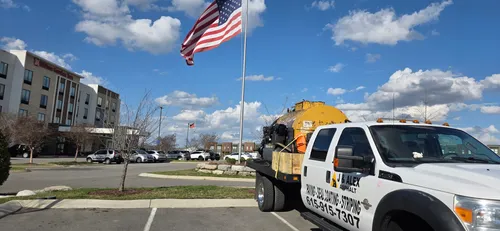
J & Alex Seal & Striping is a parking lot striping, sealcoating, and paving contractor based in Nashville, TN. They serve both residential and commercial clients within a 100-mile radius, providing asphalt seal coating, line striping, asphalt paving, and concrete services. Their work focuses on improving the functionality and appearance of properties through these specialized services.
Middle Tennessee Sealcoating
Nashville, TN
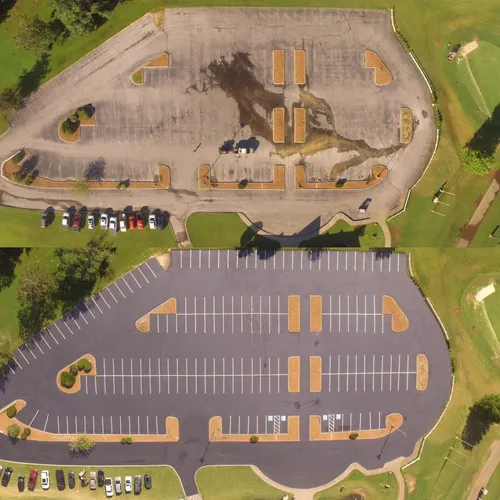
Middle Tennessee Sealcoating is a locally owned company based in Nashville, TN, specializing in commercial and residential paving and sealcoating services. Since 2014, they have provided sealcoating to protect and extend the life of asphalt surfaces by filling surface damage and shielding against UV rays, vehicle fluids, and water. Their service area covers Middle Tennessee, with willingness to travel further for commercial projects. They offer a one-year warranty on their sealcoating work and recommend sealcoating every 2-3 years depending on traffic levels.
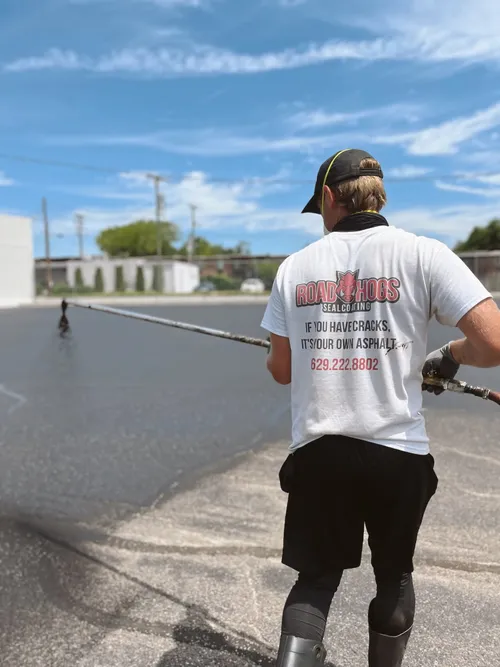
Road Hogs Sealcoating
Nashville, TN
Road Hogs Sealcoating provides asphalt maintenance services in Nashville, TN, specializing in sealcoating, parking lot striping, crack sealing, and pothole repairs. They serve property owners across Middle Tennessee, helping to extend the life of asphalt surfaces and improve safety and appearance. Their capabilities include hot crack sealing, which prevents further damage and prolongs pavement lifespan. The company works with businesses, churches, homeowners, shopping centers, HOAs, and commercial property managers to maintain durable and visually appealing asphalt.
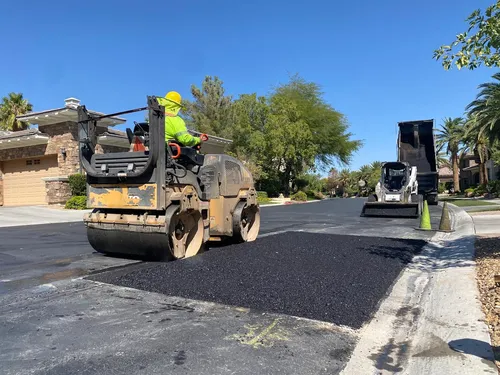
All Star Seal & Stripe
100 Taylor St A13, Nashville, TN 37208
All Star Seal & Stripe is a parking lot striping and sealcoating company based in Nashville, TN. They provide services that help extend the life of pavement by protecting it from wear and tear. Their professional striping improves the appearance and organization of parking lots and driveways, contributing to better maintenance and reducing the need for costly repairs.
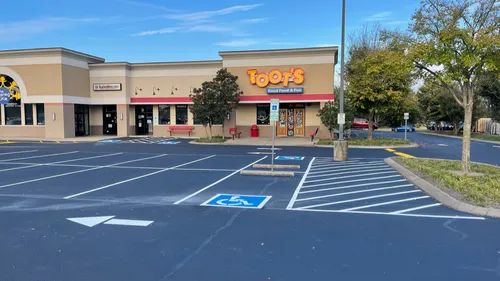
Covenant Asphalt and Sealcoating
Nashville, TN
Covenant Asphalt and Sealcoating is a third-generation family-owned company based in Nashville, TN, serving all of Middle Tennessee. They provide a range of asphalt services including sealcoating, striping, patching, and paving for residential, commercial, industrial, and municipal clients. Their expertise includes asphalt paving and the installation of parking stops, bollards, and handicap signage. With decades of experience, Covenant Asphalt and Sealcoating focuses on quality workmanship and customized solutions to maintain and extend the life of paved surfaces across the region.
Why Sealcoating is Essential in Franklin's Climate
Franklin's distinct seasons present a relentless challenge for asphalt surfaces. The hot, humid summers bring intense UV rays that oxidize and dry out the asphalt binder, making it brittle 1. This is compounded by heavy summer rains that can penetrate tiny cracks, weakening the pavement's base. In winter, the cycle of freezing and thawing allows water to expand within those cracks, leading to larger fractures and potholes 2. A quality sealcoat acts as a waterproof barrier, blocking moisture and reflecting UV rays to slow the oxidation process 3. Without this protection, asphalt in Franklin can deteriorate rapidly, leading to costly repairs or full-depth replacement much sooner than expected.
Determining the Right Sealcoating Schedule
A common question is how often asphalt sealing should be performed. For most commercial parking lots in Franklin, a general rule is every 2 to 3 years 4. However, this frequency isn't one-size-fits-all. Several local factors influence the ideal timeline:
- Traffic Volume: A high-traffic lot for a busy retail store or restaurant will experience more wear from vehicles and may require sealing every 1 to 2 years. A low-traffic office park or residential driveway may stretch to 3 or even 4 years between applications 5.
- Existing Pavement Condition: New asphalt should typically cure for at least 6 to 12 months before its first sealcoat. Older pavement in good condition can follow the standard schedule, while lots with visible wear might need more frequent attention to prevent further decline.
- Exposure to Elements: Lots with little tree cover that are fully exposed to the sun will degrade faster from UV damage, potentially shortening the sealcoating cycle 6.
Regular inspections are key. If you notice the asphalt color fading to a consistent gray, the surface becoming rough, or small hairline cracks beginning to form, it's likely time to consider a fresh application of sealant.
The Sealcoating Process: Preparation is Everything
A successful sealcoating project hinges on meticulous preparation. Simply applying sealant over a dirty or damaged surface is a waste of resources, as it won't adhere properly or provide long-lasting protection. Professional providers in Franklin follow a detailed preparation checklist:
- Deep Cleaning: The entire area must be free of dirt, debris, leaves, and loose gravel. This is typically done with commercial blowers, sweepers, and most importantly, power washing. Power washing is crucial for removing oil stains, grease, and other contaminants that can prevent the sealant from bonding to the asphalt 7.
- Crack and Pothole Repair: Any crack wider than 1/4 inch should be cleaned and filled with a flexible crack sealant before the sealcoat is applied 8. Potholes require more extensive repair with hot or cold patch asphalt. Sealing over unrepaired cracks will trap moisture underneath and accelerate damage.
- Environmental Checks: Sealant requires specific conditions to cure correctly. The air and ground temperature should ideally be between 50°F and 90°F and rising, with no rain forecast for at least 24 to 48 hours 9. Reputable contractors will monitor the weather closely before scheduling your project.
Timing and Coordination with Pavement Markings
For lots that need fresh striping, coordination with sealcoating is vital. Line re-striping should always be done after sealcoating, not before. Fresh paint applied over a new sealcoat will bond better and last longer. The standard wait time is 24 to 48 hours after the sealant has been applied to ensure it is fully dry and cured before any paint is laid down 10 11.
This timing makes sealcoating an excellent opportunity to refresh your pavement markings. Since parking lot lines are recommended to be restriped every 18 to 24 months for optimal visibility and safety, aligning this task with your 2-3 year sealcoating schedule is a efficient approach to comprehensive lot maintenance 12.
Find the perfect parking lot sealcoating companies for your needs
Get personalized recommendations and expert advice
Understanding Costs for Sealcoating and Striping
While specific quotes depend on your lot's unique conditions, understanding common pricing structures can help in planning. Costs are influenced by the total square footage, the amount of preparation needed (especially crack filling and oil spot priming), and the type of sealant used.
Sealcoating costs are typically calculated by the square foot. For the striping component, which is often priced separately, averages can be broken down by lot size, though these are general estimates and can vary 13:
- Small Lot (10-20 stalls): The average total cost for striping might range from $300 to $500.
- Medium Lot (21-50 stalls): The average total cost for striping might range from $500 to $800.
- Large Lot (51+ stalls): The average total cost for striping might start around $800 to $1,200 or more.
It's important to get detailed, itemized estimates from local Franklin contractors that clearly separate the costs for cleaning, crack repair, sealant application, and striping.
Choosing the Right Time of Year in Franklin
Timing your project correctly in Middle Tennessee is half the battle. The optimal window for sealcoating in Franklin is from late spring through early fall. The ideal conditions are dry weather with temperatures consistently above 50°F, with the "sweet spot" often considered between 75°F and 90°F for optimal curing 14. Humidity can affect drying times, so experienced contractors will factor in local forecasts. Scheduling well in advance for this popular season is advisable, as reputable providers' calendars fill up quickly.
Post-Application: Curing and Re-Opening Your Lot
Once the sealcoat is applied, proper curing is essential for durability. The surface will be touch-dry in a few hours, but it needs a full 24 to 48 hours without traffic to fully harden and achieve its maximum protective strength 15. This means the sealed area must be completely blocked off with barricades and cones. Allowing vehicles (especially those that turn their wheels while stationary) onto the surface too early can cause permanent damage, tearing the fresh sealant and creating ruts. Clear communication with tenants, customers, or residents about the lot closure is a critical part of project planning.
Long-Term Benefits Beyond Protection
The value of regular sealcoating extends far beyond just crack prevention. A well-maintained, dark black surface improves nighttime visibility and safety for pedestrians and drivers. It creates a more professional, cared-for appearance for your business, contributing to positive first impressions. Most importantly, it is a proactive, cost-effective strategy. The modest, periodic investment in sealcoating prevents minor issues from escalating into major structural failures, saving you from the substantial expense of asphalt repair or reconstruction down the line 16.
Frequently asked questions
Sources
Footnotes
-
How Often Should You Seal Coat Asphalt? - Elcor Construction - https://elcorconstruction.com/how-often-should-you-seal-coat-asphalt/ ↩
-
Parking Lot Sealcoating - Nash Paving - https://www.nashpaving.com/services/commercial-paving/pavement-maintenance/parking-lot-sealcoating/ ↩
-
Asphalt Sealcoating, Parking Lot Striping | Franklin, TN - https://www.pavementsolutionstn.com/sealcoating-parking-lot-striping ↩
-
How Often Should a Parking Lot Be Sealcoated? 510-723-0280 - https://americanasphalt.com/how-often-should-a-parking-lot-be-sealcoated/ ↩
-
How Often Should You Sealcoat a Parking Lot? - J&S Paving - https://jspaving.com/how-often-should-you-sealcoat-a-parking-lot/ ↩
-
Franklin, TN - Nash Paving - https://www.nashpaving.com/areas-served/franklin-tn-2/ ↩
-
How to Prepare Your Parking Lot for Sealcoating - https://www.maintainitall.com/how-to-prepare-your-parking-lot-for-sealcoating ↩
-
Sealer | City of Franklin, TN - https://www.franklintn.gov/government/departments-k-z/the-streets-department/streets-projects/pavement-preservation-sealer ↩
-
Can I Sealcoat My Asphalt Driveway in the Fall? - https://www.a1asphaltinc.com/can-i-sealcoat-my-asphalt-driveway-in-the-fall.php ↩
-
Re-Striping After Sealcoating: How Long Should You Wait? - https://www.retemple-painting.com/painting-articles/re-striping-after-sealcoating-how-long-should-you-wait ↩
-
Should You Sealcoat Before or After Striping? - 1-800-STRIPER® - https://1800striper.com/sealcoat/ ↩
-
How often should a parking lot be restriped? - Seton - https://www.seton.com/when-to-restripe-a-parking-lot ↩
-
How Much Does It Cost to Stripe a Parking Lot? [2026 Data] - Angie's List - https://www.angi.com/articles/stripe-parking-lot-cost.htm ↩
-
What Temperature is Best for Driveway Sealcoating? | MI - https://www.alliedasphalt.com/what-temperature-is-best-for-driveway-sealcoating.php ↩
-
How Long Driveway Sealer Takes To Dry - Riley's Asphalt - https://rileyasphalt.com/blog/how-long-driveway-sealer-takes-to-dry/ ↩
-
Asphalt Sealcoating, Parking Lot Striping | Franklin, TN - https://www.pavementsolutionstn.com/sealcoating-parking-lot-striping ↩