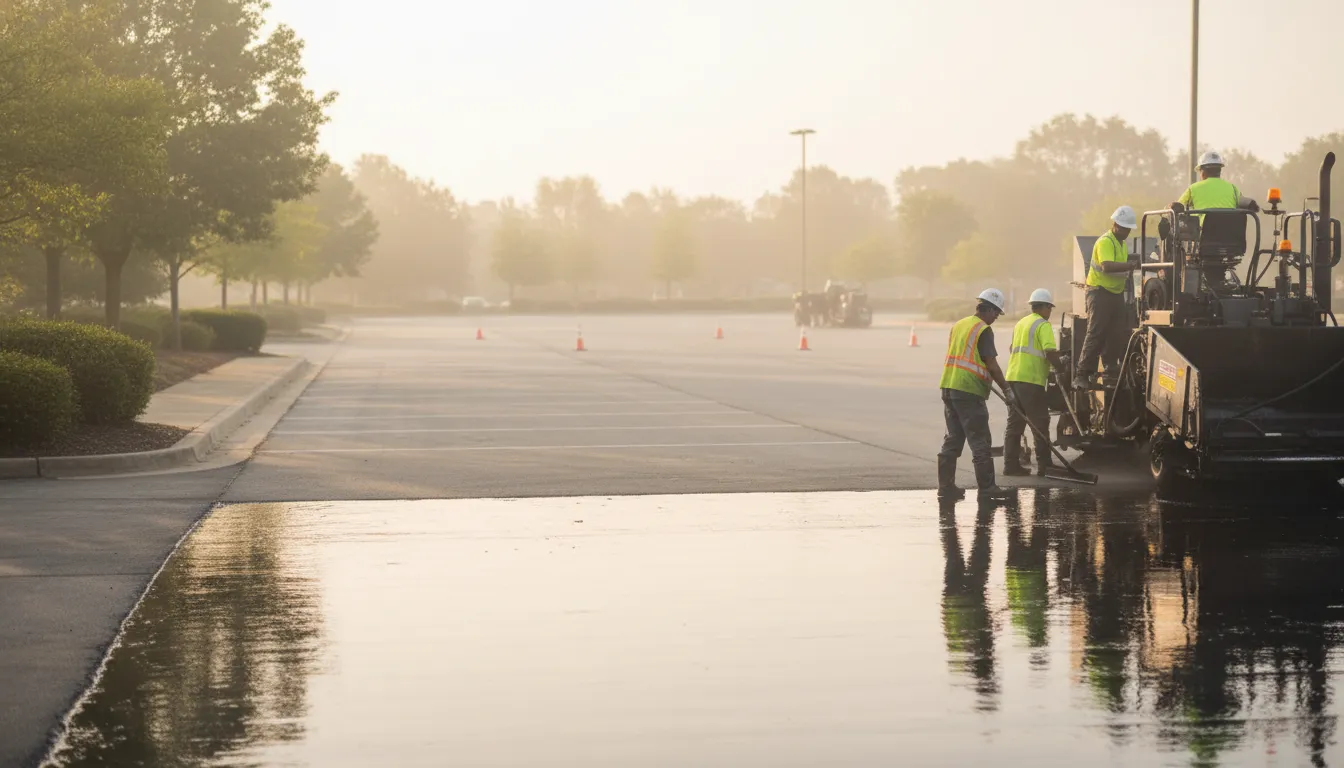
Find the Best Parking Lot Sealcoating Companies for Your Business
No obligation • Fast responses • Nationwide coverage
Why you can trust Tidy Parking
Tidy Parking is a leading U.S. source for parking lot maintenance services, including striping, sealcoating, sweeping, paving, resurfacing, and repairs. Our content is created independently, and providers cannot pay to influence ratings or recommendations.
Search providers near you
Top Parking Lot Sealcoating Companies in Piscataway, New Jersey Ranked
Parking lot sealcoating is a vital protective maintenance service that applies a specialized coating over asphalt surfaces. This process shields the pavement from damaging elements like New Jersey's harsh winters, UV rays, and chemical spills, which can cause cracks, fading, and premature deterioration. For property owners and managers in Piscataway, maintaining a sealed lot is not just about aesthetics-it's a cost-effective strategy to extend pavement life, enhance safety, and protect a significant investment. This guide explains the local considerations for seal coating, helping you understand the process, timing, and benefits to make an informed decision for your property.
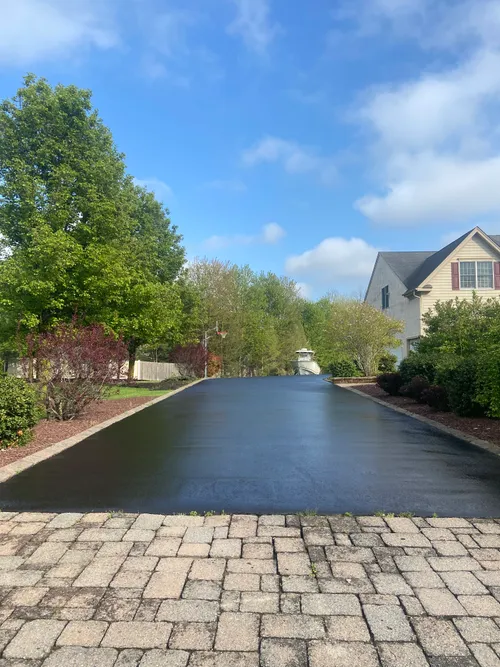
Elevation Sealcoating LLC
5 S Main St Suite #5, Allentown, NJ 08501
Elevation Sealcoating LLC is a parking lot sealcoating company serving Philadelphia, PA. They focus on residential property services, offering sealcoating to protect and improve the appearance of driveways and parking areas. The company emphasizes quality workmanship backed by years of experience to enhance home presentation.
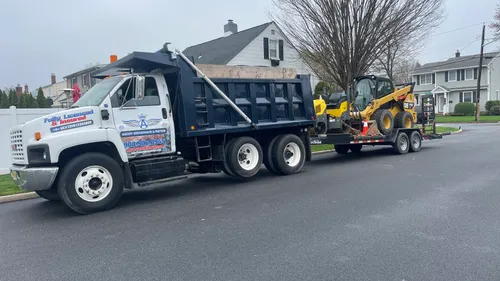
Ascot Driveways and Patios
55 Madison Ave suite 400 #4342, Morristown, NJ 07960
Ascot Driveways and Patios is a paving and masonry contractor serving New York, NY, and the surrounding Morris County area. They specialize in asphalt and concrete driveway installation, sealcoating, repairs, masonry wall building, patio construction, and landscaping hardscaping services. The company is experienced in restoring asphalt driveways with high-strength seal coating and offers a wide range of driveway and patio solutions tailored to customer needs. Ascot Driveways and Patios is a family-operated business known for its skilled craftsmanship and attention to detail, with a history of satisfied clients and completed projects in the region.
Vali Construction LLC
673 Jerusalem Rd, Scotch Plains, NJ 07076
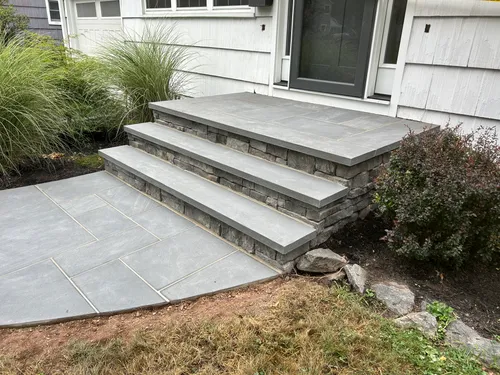
Vali Construction LLC is a paving and masonry company based near New York, NY. They provide a range of services including residential and commercial paving, parking lot striping, sealcoating, and various masonry and hardscaping projects such as patios, walkways, and retaining walls. Their capabilities include asphalt paving for projects of all sizes, from residential driveways to large commercial parking lots and municipal roadways. They also offer site work services like excavation, grading, and concrete flat work for contractors and builders.
J & S Pave-Rite Paving
4 Cedarwood Ln, Jackson Township, NJ 08527
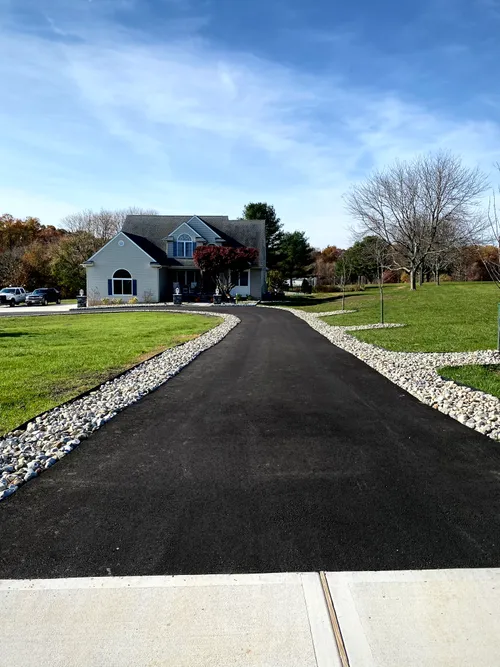
J & S Pave-Rite Paving is a family-owned paving company serving Lakewood, NJ, with over 30 years of experience in commercial, residential, and municipal asphalt paving. They offer a range of services including parking lot paving, seal coating, milling, resurfacing, and concrete work such as sidewalks and curbs. The company is equipped to handle large commercial and municipal projects and has completed work for clients like Wendy's and Gold's Gym in the region. With a history dating back to 1950, J & S Pave-Rite Paving emphasizes quality materials and workmanship to ensure long-lasting results.
Oscar's Asphalt & Sealcoating
New York, NY
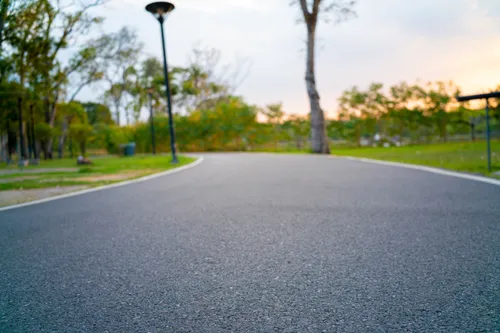
Oscar's Asphalt & Sealcoating provides asphalt sealcoating, crack filling, pothole patching, and parking lot striping services in New York, NY. They focus on maintaining driveways and parking lots to withstand local weather and heavy traffic. The company uses top-grade materials to ensure durable results and offers 24/7 availability for their services. Their work covers a range of pavement maintenance needs to keep properties safe and looking professional.
Why Sealcoating is Essential for Piscataway Pavement
The asphalt in your parking lot or driveway is constantly under attack from the environment. In Piscataway, the specific climate and usage patterns make a regular sealcoating schedule particularly important. The primary benefit is protection: a fresh sealcoat acts as a barrier against moisture, sunlight, oils, and salts.
Without this protection, asphalt undergoes oxidation, becoming brittle, gray, and prone to cracking. Once cracks form, water seeps in. During Piscataway's winters, this water freezes and expands, widening the cracks in a process known as the freeze-thaw cycle. This cycle, combined with the corrosive effects of road salts used for de-icing, can rapidly accelerate pavement failure. A properly applied sealcoat prevents water penetration, dramatically slowing this destructive process 1.
Furthermore, routine sealing can extend the functional life of an asphalt pavement. While unsealed asphalt in a commercial setting may last 10-15 years, a well-maintained sealcoating program can help it last 25-30 years or more 2. This makes sealcoating one of the most cost-effective forms of preventative maintenance for any property with asphalt.
Determining the Right Sealcoating Schedule
How often should you sealcoat? There's no one-size-fits-all answer, as the ideal frequency depends on three key factors: weather, sun exposure, and traffic volume.
- Weather Impact: New Jersey's climate is a major driver for sealcoating. The state experiences significant seasonal shifts, with cold, wet winters and warm, humid summers. As mentioned, the freeze-thaw cycle is a primary concern. To combat this, a general rule for the region is to sealcoat every 2-3 years 3. This regular reapplication ensures the protective layer remains intact and impermeable.
- Sun Exposure: Ultraviolet (UV) radiation from the sun breaks down the binding agents in asphalt, a process called oxidation. This makes the surface dry, brittle, and likely to crack. Lots with full, direct sunlight may require more frequent attention than those in shaded areas 4.
- Usage Patterns: Traffic volume is perhaps the most variable factor. A high-traffic parking lot for a busy Piscataway retail center, restaurant, or industrial facility experiences constant stress from vehicle weight, turning movements, and fluid leaks (gasoline, oil, transmission fluid). For these lots, a more aggressive schedule of every 1-2 years is often recommended 5. Lower-traffic areas, like residential driveways or auxiliary lots, may adhere to the 3+ year guideline.
An annual inspection of your pavement is the best way to gauge its condition. Look for fading color (a shift from black to gray), small hairline cracks, and a dry, chalky texture. These are clear signs that the existing sealcoat is wearing thin and it's time for a new application.
The Optimal Time for Sealcoating in New Jersey
Timing is critical for a successful sealcoating project. The application requires specific weather conditions for the material to cure properly and adhere to the asphalt.
The ideal window for sealcoating in Piscataway and across New Jersey is from late spring through early fall, typically April through October 6. The key requirements are:
- Temperature: Air and pavement temperatures should be consistently above 50°F (10°C), both during application and for at least 24 hours after. Ideal application temperatures are between 70°F and 90°F.
- Dry Conditions: The asphalt must be completely dry, and there should be no rain in the forecast for at least 24-48 hours after application. Humidity should also be relatively low.
- Curing Time for New Asphalt: If your pavement is newly laid, it must cure for a period of 6-12 months before the first sealcoat is applied. This allows oils and solvents in the fresh asphalt to evaporate and the surface to fully harden 7.
Scheduling your project during this prime season is advisable, as reputable contractors are in high demand. Planning ahead can secure a spot on their calendar and ensure your pavement is protected before the next winter arrives.
Find the perfect parking lot sealcoating companies for your needs
Get personalized recommendations and expert advice
The Sealcoating Process: From Preparation to Curing
A durable, long-lasting sealcoat depends entirely on proper preparation and application. A quality job involves several meticulous steps.
1. Thorough Cleaning: The surface must be impeccably clean. Contractors will use heavy-duty brooms, air blowers, and sometimes power washers to remove all debris, dirt, sand, and vegetation. Any contamination left on the surface will prevent proper adhesion.
2. Oil Stain Treatment: Oil and fluid spills are common in parking lots. These spots must be specially treated, as sealcoat will not bond to oily asphalt. Professionals use degreasers and cleaning agents to lift the oil, or apply a specialized primer to these areas to ensure the sealant sticks and doesn't peel later 8 9.
3. Crack Sealing and Pothole Repair: This is a crucial step. Any crack wider than 1/4 inch should be filled with a hot-applied rubberized crack sealant. Potholes or alligator-cracked areas need to be cut out, repaired, and patched with fresh asphalt. Sealcoating over unrepaired cracks is merely a cosmetic fix and will not stop water intrusion.
4. Application: The sealant-a coal tar or asphalt-based emulsion mixed with sand and additives-is then applied using specialized spray systems or squeegees. For commercial durability, two coats are generally recommended 10. The second coat is applied after the first has become tacky.
5. Re-striping and Curing: Line striping and pavement markings are always applied after the sealcoat has fully cured. Traffic paint adheres best to the fresh sealcoat when temperatures are between 50°F and 95°F 11 12. The entire lot typically requires 24-48 hours of curing time before vehicles can be allowed back on the surface 11.
Understanding Sealcoating Costs in Piscataway
The cost of a sealcoating project is primarily determined by the total square footage of the area and the amount of preparatory work required (like extensive crack filling) 13 14. Prices can vary based on the contractor, materials used, and site-specific conditions.
- Small Lots & Driveways: For standard residential driveways or small commercial properties, sealcoating often ranges from $200 to $1,000. This typically includes cleaning, basic crack filling, and the application of two protective coats 15 16.
- Large Commercial Lots: For shopping centers, office complexes, or industrial parks in Piscataway, costs scale with size. Projects can range from a few thousand to tens of thousands of dollars. These large-scale jobs always require professional equipment and expertise to ensure an even, durable application that can withstand heavy traffic 17 18.
While price is a factor, the quality of preparation and materials used is paramount. A lower bid may reflect skipped steps in cleaning or crack repair, leading to premature failure and higher long-term costs.
Maximizing Your Investment: Maintenance Tips
To get the most out of your sealcoating service, follow these simple maintenance tips:
- Adhere to the Schedule: Don't wait until the pavement is severely cracked and faded. Stick to a preventative schedule based on your lot's traffic (every 1-3 years).
- Clean Spills Promptly: Address oil, gas, and chemical spills as soon as possible. While sealcoat provides resistance, prolonged exposure can still degrade the protective layer.
- Keep it Clean: Regularly sweep away debris, dirt, and leaves. This not only maintains appearance but also prevents abrasive materials from grinding against the coating.
- Inspect Annually: Each spring, take a walk through your parking lot. Look for new cracks, areas where the sealant may be wearing thin, or any signs of standing water. Early identification of issues allows for simpler, less expensive repairs.
Frequently asked questions
Sources
Footnotes
-
How Winter Weather Damages Asphalt and Why Sealcoating ... - https://www.greatsealcoating.com/how-winter-weather-damages-asphalt-and-why-sealcoating-helps ↩
-
Sealcoating 101: How Often Should You Seal a Driveway in NJ? - https://www.parkwaypaving.com/sealcoating-101-how-often-should-you-seal-a-driveway-in-nj/ ↩
-
How Often Should You Seal Coat Asphalt? - Elcor Construction - https://elcorconstruction.com/how-often-should-you-seal-coat-asphalt/ ↩
-
How Weather Affects Asphalt and Sealcoating Durability - https://precisionmaint.com/how-weather-affects-asphalt-and-sealcoating-durability/ ↩
-
How Often Should a Parking Lot Be Sealcoated? 510-723-0280 - https://americanasphalt.com/how-often-should-a-parking-lot-be-sealcoated/ ↩
-
New Jersey Parking Lot Seal Coating - Fix Asphalt - https://www.fixasphalt.com/blog/new-jersey-parking-lot-seal-coating ↩
-
Driveway Armor: Driveway Sealing NJ | Sealcoating Company - https://drivewayarmor.com/ ↩
-
Sealcoating 101: How Often Should You Seal a Driveway in NJ? - https://www.parkwaypaving.com/sealcoating-101-how-often-should-you-seal-a-driveway-in-nj/ ↩
-
New Jersey Parking Lot Sealcoating - https://www.fixasphalt.com/blog/new-jersey-parking-lot-sealcoating-1 ↩
-
How Often Should You Sealcoat a Parking Lot? - J&S Paving - https://jspaving.com/how-often-should-you-sealcoat-a-parking-lot/ ↩
-
Piscataway, NJ Parking Lot Sealing and Striping - https://www.candcsuperseal.com/piscataway-nj-parking-lot-sealing-and-striping/ ↩ ↩2
-
Understanding the Dry Time for Traffic Paint - 1-800-STRIPER® - https://1800striper.com/understanding-the-dry-time-for-traffic-paint/ ↩
-
How Much Does It Cost To Sealcoat An Asphalt Parking Lot In NJ ... - https://www.fixasphalt.com/blog/how-much-does-it-cost-to-sealcoat-an-asphalt-parking-lot-1 ↩
-
Commercial Sealcoating & Crack Fill - https://www.capitalpaving-sealcoating.com/services/commercial/sealcoating-2/ ↩
-
Driveway Sealing Prices 2026 | NJ Sealcoating Cost Guide ($200-$500) - https://randysealcoatingandstriping.com/services/residential/driveway-sealing-cost ↩
-
No.1 Driveway Sealing Company Piscataway, NJ - https://uneekpavingandmasonry.com/piscataway/driveway-sealing-companies/ ↩
-
How Much Does It Cost To Sealcoat An Asphalt Parking Lot In NJ? ( ... - https://www.fixasphalt.com/blog/how-much-does-it-cost-to-sealcoat-an-asphalt-parking-lot-1 ↩
-
How Much Does It Cost To Sealcoat An Asphalt Parking Lot In NJ? (2025 Guide) - https://www.fixasphalt.com/blog/how-much-does-it-cost-to-sealcoat-an-asphalt-parking-lot-1 ↩