Find the Best Parking Lot Sealcoating Companies for Your Business
No obligation • Fast responses • Nationwide coverage

Why you can trust Tidy Parking
Tidy Parking is a leading U.S. source for parking lot maintenance services, including striping, sealcoating, sweeping, paving, resurfacing, and repairs. Our content is created independently, and providers cannot pay to influence ratings or recommendations.
Search providers near you
Best Parking Lot Sealcoating Companies in New Hampshire Ranked
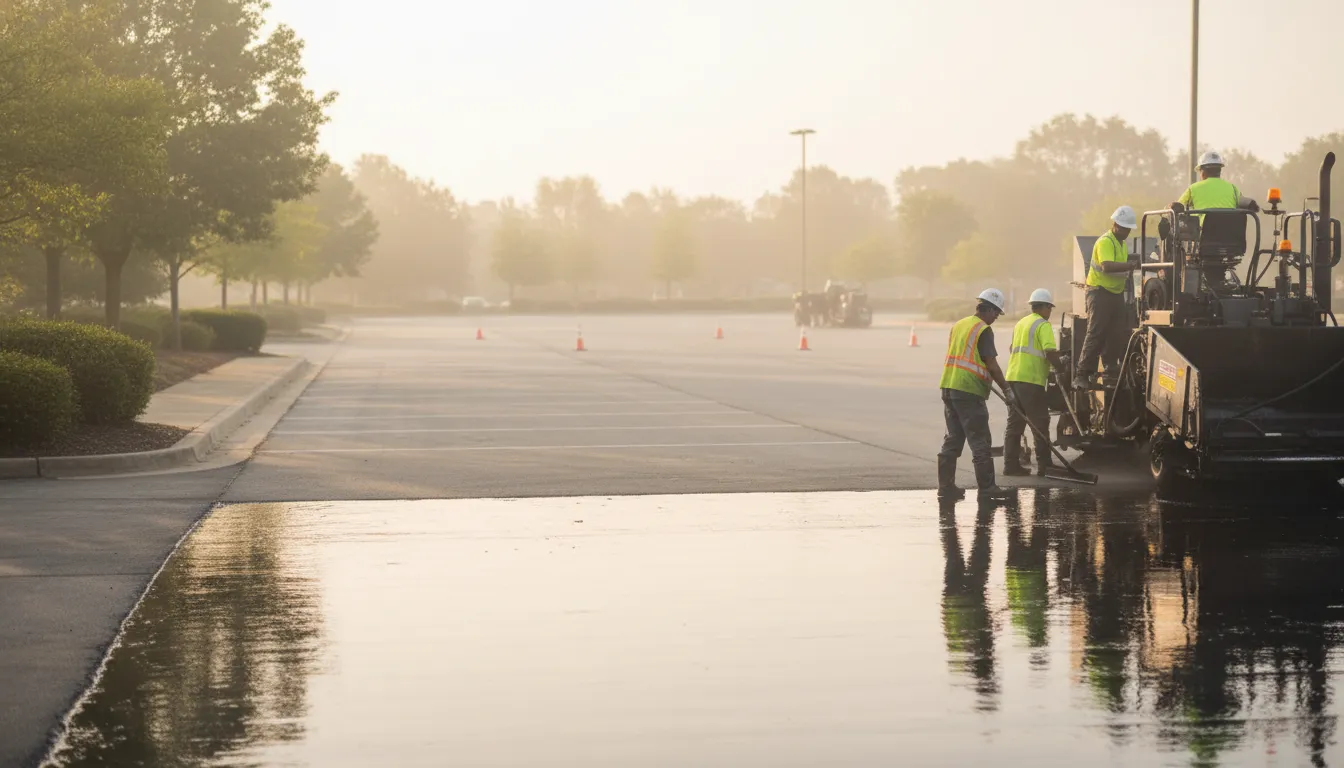
Parking lot sealcoating is a critical maintenance service that applies a protective coating to asphalt pavement. In New Hampshire, this process is vital for shielding surfaces from harsh winter weather, damaging UV rays, gasoline, and oil spills, ultimately extending the lifespan of your investment. A properly sealed lot improves safety with better traction and visibility, enhances curb appeal, and prevents costly repairs. This guide provides the essential information you need to understand the process, timing, and best practices for sealcoating in the Granite State, helping you connect with qualified local professionals.
Property Innovation Sealcoating & Line Striping
2 Harris St, Londonderry, NH 03053
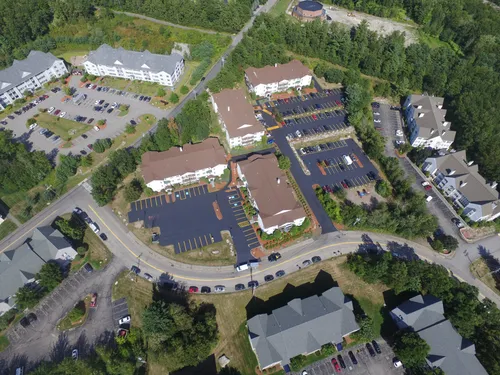
Property Innovation Sealcoating & Line Striping is a parking lot striping and sealcoating company based in Manchester, NH. They provide services that include parking lot striping and sealcoating using state-of-the-art equipment that meets industry standards. The company focuses on delivering quality work for parking lot maintenance and improvement.
G-FORCE Parking Lot Striping of Boston
Manchester, NH
G-FORCE Parking Lot Striping of Boston is a veteran-owned company serving Manchester, NH, and the greater Boston area. They specialize in parking lot striping, sealcoating, pavement marking, and repair services, including warehouse floor markings, ADA compliance striping, and bollard installation. Using premium Sherwin-Williams traffic paints and advanced striping equipment, they provide durable and precise markings. The company emphasizes safety and compliance with services like fire lane striping and pothole repair, supporting property maintenance and accessibility. G-FORCE operates with a focus on quality and accountability, backed by a national presence with 52 locations across the United States.
Pave It Asphalt Services
Manchester, NH
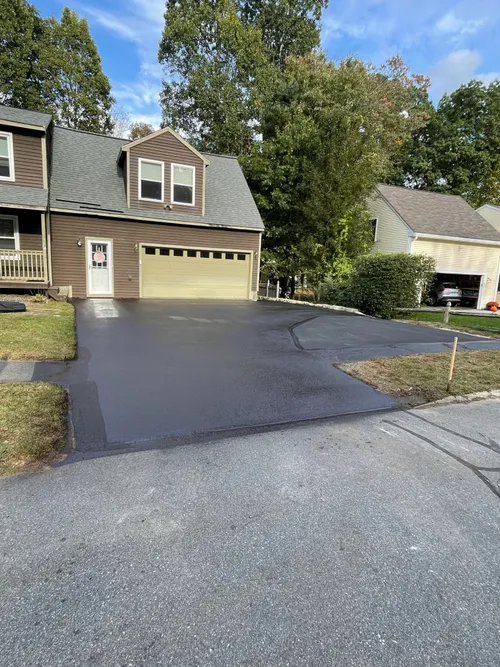
Pave It Asphalt Services is a paving and sealcoating contractor based near Manchester, NH. They provide residential, commercial, and municipal paving and sealcoating services, focusing on durable and visually appealing driveways and parking lots. With over 35 years of combined experience, the team offers expertise in asphalt sealcoating to protect and extend the life of pavement surfaces. The company has been serving the Hooksett and surrounding regions for more than a decade.
Granite State Black Toppers
52 Londonderry Tpke, Hooksett, NH 03106
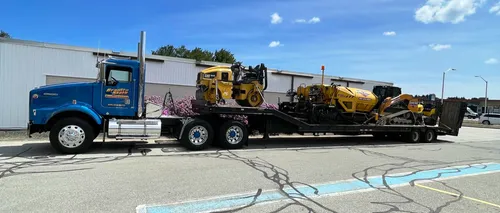
Granite State Black Toppers is a family-owned paving contractor serving Manchester, NH, and the surrounding Southern New Hampshire area. They provide residential and commercial asphalt services including parking lot paving, sealcoating, and resurfacing. The company uses premium-grade materials to ensure durable and long-lasting surfaces that withstand New England weather. With over 10 years of experience, Granite State Black Toppers focuses on quality workmanship and reliable service.
R. Cooper & Sons Paving
321 Fremont Rd, Chester, NH 03036
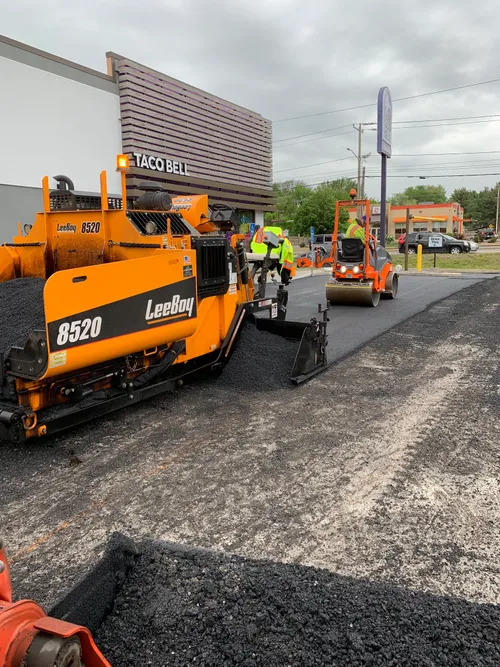
R. Cooper & Sons Paving is a family-owned paving contractor based near Manchester, NH. Serving Rockingham County and surrounding areas, they provide a range of services including driveway paving, asphalt repairs, parking lot striping, sealcoating, and coating. Established in 1960, the company has developed expertise in asphalt paving and excavating to meet various property needs efficiently.
Why Sealcoating is Essential in New Hampshire
New Hampshire's climate presents unique challenges for asphalt pavement. The intense freeze-thaw cycles of winter are particularly destructive. Water seeps into tiny cracks, freezes and expands, widening those cracks and breaking apart the asphalt binder. Summer brings strong UV radiation that oxidizes and dries out the asphalt, making it brittle and prone to raveling (surface deterioration). Sealcoating acts as a barrier against these elements. It fills small surface voids, restores flexibility to the asphalt, and provides a waterproof layer that prevents moisture penetration. For commercial properties, a well-maintained, dark sealcoated surface also improves line visibility for safety and projects a professional, cared-for image.
The Optimal Season for Sealcoating in NH
Timing is everything for a successful sealcoat application in New Hampshire. The window for ideal conditions is relatively short and must be planned carefully.
- Primary Season: The best time for application is from late spring through early fall, typically late May through September. This period offers the most reliable weather.
- Temperature Requirements: Sealant requires both air and pavement surface temperatures to be at least 50°F (10°C) to properly cure 1. Crucially, temperatures must remain above this threshold for a minimum of 24 hours after application to avoid curing failure, peeling, or tracking 2.
- Fall & Winter Risks: Sealing in late fall is risky due to the potential for early frosts and overnight freezing. Applying sealant when temperatures drop below freezing can cause it to peel off entirely 3.
- Cool-Weather Options: Some contractors use specialized, fast-curing sealers formulated for application in temperatures as low as 40°F, but these still require an extended drying window (typically 8+ hours) above 40°F 4. Relying on these extends the season slightly but requires precise weather forecasting.
Recommended Sealcoating Frequency
A consistent maintenance schedule protects your pavement investment. The frequency depends on asphalt age, traffic volume, and exposure.
- New Asphalt: Wait at least 6 to 12 months before the first sealcoat application. This allows oils in the new asphalt to fully cure and evaporate; sealing too soon can trap moisture and cause premature failure 5 6.
- Standard Commercial Lots: For lots with moderate traffic, a re-application cycle of every 2 to 3 years is standard practice 7 8.
- High-Traffic & Retail Lots: Areas like shopping center entrances, grocery store lanes, or busy restaurant lots experience more wear, fuel drips, and turning forces. These areas may require sealing every 1 to 2 years, or even annually9 10.
- Annual Inspections: Regardless of schedule, conduct a visual inspection each spring. Look for fading of the previous sealcoat, new cracks, pooling water, or oil stains to determine if maintenance is needed sooner 11.
Critical Preparation Steps
Proper surface preparation is non-negotiable, especially in New Hampshire's demanding climate. Skipping steps leads to poor adhesion and early coating failure.
- Thorough Cleaning: The entire surface must be cleaned of all dirt, debris, sand, and vegetation using power blowers, wire brushes, and brooms 12.
- Oil Spot Treatment: Oil and gasoline break down asphalt binder. These areas must be cleaned with specialized detergents and then treated with an oil spot primer. This primer bonds with the contaminated asphalt and creates a surface the sealcoat can adhere to; without it, the sealcoat will quickly peel off.
- Crack Filling: All cracks should be filled before sealcoating. In New Hampshire, using a hot-poured rubberized sealant is recommended for its flexibility and durability against freeze-thaw cycles 13 14. This step prevents water from entering the crack beneath the new sealcoat.
- Complete Drying: The asphalt must be 100% dry. Contractors should check the weather forecast to ensure no rain is expected for at least 24 to 48 hours after application 15.
Find the perfect parking lot sealcoating companies for your needs
Get personalized recommendations and expert advice
Materials and Application Methods
Understanding the materials used helps in evaluating contractor proposals and ensuring a durable result.
- Material Types: Traditional coal tar emulsion sealers are known for superior resistance to petroleum products and water. However, environmental concerns over PAHs (Polycyclic Aromatic Hydrocarbons) have led to increased scrutiny and some local restrictions 16. Many contractors now use high-performance asphalt emulsion or hybrid blends, often fortified with polymers and latex for enhanced durability and flexibility, which is key for New Hampshire winters.
- Additives: Sand is frequently added to the sealcoat mix to provide improved traction and wear resistance. Latex additives increase flexibility, improve adhesion, and reduce drying time 17 18.
- Application: Professional contractors typically apply two coats for full coverage, using spray systems followed by back-brushing or squeegeeing to ensure even material distribution and fill surface voids. A third coat is often recommended for high-stress areas like entrance and exit lanes 19.
Understanding Costs in New Hampshire
Sealcoating costs in New Hampshire vary based on the size of the lot, the amount of preparatory work needed, the type of sealer used, and regional factors. Prices are typically quoted per square foot for the entire project.
- Cost Range: For commercial parking lots, total project costs often break down to roughly $0.20 to $0.50 or more per square foot20 21. A small lot will have a higher per-square-foot cost due to fixed mobilization expenses.
- Factors That Increase Cost:
- Extensive crack filling and repair work.
- Numerous or large oil spots requiring primer.
- The need for specialized quick-dry sealants for lots that cannot be closed for a full 24-48 hours.
- Multiple coats or the use of premium polymer-modified sealants.
- Getting Quotes: Always obtain detailed, written quotes that break down preparation, materials, number of coats, and cleanup. The lowest price may not include essential steps like proper oil spot treatment or adequate crack filling.
Choosing a Contractor in New Hampshire
Selecting the right professional is crucial. Look for a contractor with specific experience in New England's variable climate.
- Ask About Timing: A knowledgeable contractor will discuss the ideal seasonal window and will not pressure you into scheduling during marginal weather conditions.
- Review the Specification: The quote should detail the preparation process, the specific type of sealer (including any additives like sand or latex), and the application method.
- Check References & Insurance: Ask for local references and verify the company carries both liability and workers' compensation insurance.
- Inspect Previous Work: If possible, ask to see a parking lot they sealed in a previous season to check for uniformity, adhesion, and wear.
Frequently asked questions
Sources
Footnotes
-
Sealcoat Parking Lots: What is the Best Temperature to ... - ACPLM - https://acplm.net/sealcoat-parking-lots/ ↩
-
When Is the Best Time to Sealcoat Asphalt? - https://platinumpavingpa.com/when-is-the-best-time-to-sealcoat-asphalt/ ↩
-
WHEN IS THE BEST TIME OF YEAR FOR SEALCOATING ... - https://www.tkasphalt.com/2021/07/07/when-is-the-best-time-of-year-for-sealcoating-asphalt/ ↩
-
Sealcoating of parking lots can now be done in cooler weather ... - https://newenglandsealcoating.com/sealcoating-of-parking-lots-can-now-be-done-in-cooler-weather-conditions/ ↩
-
When to Sealcoat Your Parking Lot - G-FORCE® - https://www.gogforce.com/news/sealcoating-your-parking-lot/ ↩
-
When to Sealcoat Your Parking Lot - G-FORCE® - https://www.gogforce.com/news/sealcoating-your-parking-lot/ ↩
-
How Often Should You Sealcoat Your Commercial Parking Lot - https://thepavementgroup.com/commercial-parking-lot-sealcoat/ ↩
-
How Often Should You Sealcoat a Parking Lot? - J&S Paving - https://jspaving.com/how-often-should-you-sealcoat-a-parking-lot/ ↩
-
How Often Should a Parking Lot Be Sealcoated? 510-723-0280 - https://americanasphalt.com/how-often-should-a-parking-lot-be-sealcoated/ ↩
-
How Often Should You Seal Coat Asphalt? - Elcor Construction - https://elcorconstruction.com/how-often-should-you-seal-coat-asphalt/ ↩
-
The Life Cycle Of A Parking Lot: When To Repair, Reseal, And Re-Stripe - https://wedolines.com/the-life-cycle-of-a-parking-lot-when-to-repair-reseal-and-re-stripe/ ↩
-
Parking Lot Maintenance Checklist by Season | Aexcel - https://www.aexcelcorp.com/blog/parking-lot-maintenance-checklist-by-season ↩
-
Seal Coating and Line Striping Franklin Wastewater ... - NH.gov - https://apps.das.nh.gov/NHProcurement/File/rfp-des-2026-07.pdf ↩
-
Parking Lot Crack Filling, Seal Coating & Pavement Markings - https://www.ccsnh.edu/wp-content/uploads/2023/10/RVC24-02-Parking-Lot-Crack-Sealing-FINAL.pdf ↩
-
Best Weather Conditions for Sealcoating - https://dbkrieginc.com/blog/best-temperature-weather-for-sealcoating/ ↩
-
Sealcoating - UNH Scholars Repository - https://scholars.unh.edu/cgi/viewcontent.cgi?article=1023&context=stormwater ↩
-
PDS Parking Lot Repair and Sealcoat Specifications - Alternative 4 - https://www.pdskc.org/Portals/pdskc/Documents/general_pdf/PDS%20Parking%20Lot%20Repair%20and%20Seal%20Specifications4.pdf ↩
-
Coal Tar Concentrate Asphalt Sealcoating Specification ... - https://sealmaster.net/pdf/specification/SealMaster%20engineering%20spec%20sheets/Coal%20Tar%20Concentrate%20Asphalt%20Sealcoating%20Specification%20CSI%20Quick%20spec.docx ↩
-
How To Sealcoat A Parking Lot (Start To Finish) - https://www.youtube.com/watch?v=NtYSsRHq940 ↩
-
Sealcoating Cost Planning Guide for Commercial Parking Lots - https://dbkrieginc.com/blog/sealcoating-cost-planning-guide-for-commercial-parking-lots/ ↩
-
Parking Lot Seal Coating Costs for Asphalt : 2025 Pricing Guide - https://www.fixasphalt.com/blog/how-much-does-it-cost-to-sealcoat-an-asphalt-parking-lot ↩