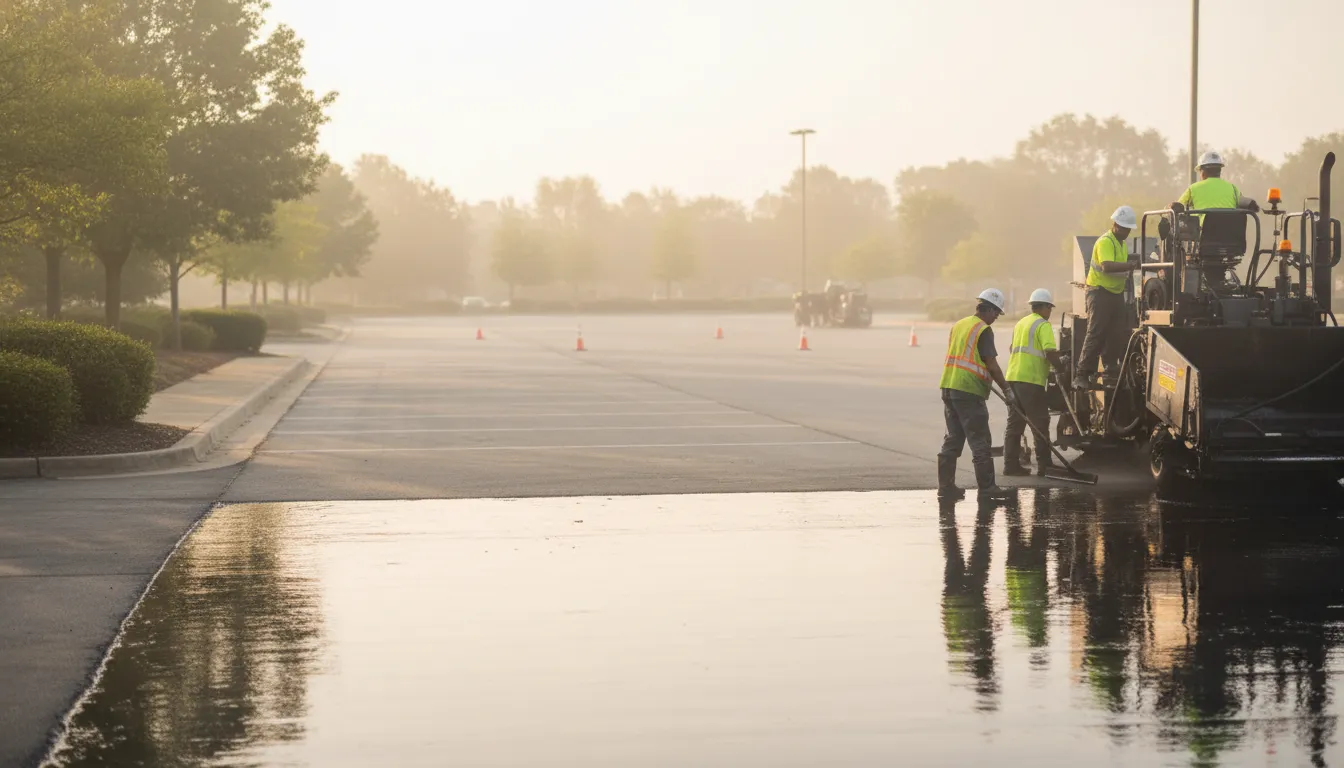
Find the Best Parking Lot Sealcoating Companies for Your Business
No obligation • Fast responses • Nationwide coverage
Why you can trust Tidy Parking
Tidy Parking is a leading U.S. source for parking lot maintenance services, including striping, sealcoating, sweeping, paving, resurfacing, and repairs. Our content is created independently, and providers cannot pay to influence ratings or recommendations.
Search providers near you
Top Parking Lot Sealcoating Companies in Brookline, Massachusetts Ranked
Protecting your asphalt investment in Brookline is a critical part of property management. Parking lot sealcoating is the process of applying a protective layer over asphalt to shield it from damaging elements like water, UV rays, oil, and de-icing salts. This maintenance is especially vital in Massachusetts, where harsh winters and variable weather can rapidly deteriorate pavement. A well-maintained lot enhances safety, improves curb appeal, and prevents costly repairs. This guide will help you understand the local considerations, timing, and process for asphalt sealing, empowering you to make informed decisions for your property.
Baystate Sealcoating & Paving
166 Cross St, Winchester, MA 01890
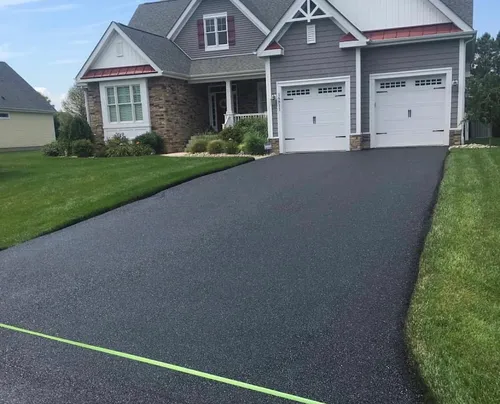
Baystate Sealcoating & Paving is a parking lot striping, sealcoating, paving, and repair company serving Boston, MA. They provide a full range of asphalt maintenance services including driveway sealcoating, crack filling, pothole repair, parking lot maintenance, and line striping. Their capabilities include professional asphalt paving and protective sealant application designed to extend the life of asphalt surfaces and improve safety and appearance. Baystate Sealcoating & Paving serves multiple cities across Massachusetts and is known for using top-grade materials and thorough preparation to ensure durable results.
508 SealCoating
546 Worcester St, Natick, MA 01760
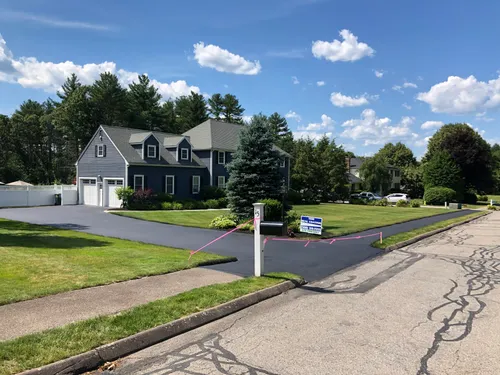
508 SealCoating is a parking lot sealcoating company serving Boston, MA. They specialize in extending the life of driveways and parking lots by protecting pavement from water, oxidation, gas, and oil damage using eco-friendly asphalt emulsion sealers. This method offers a low PAH, environmentally safer alternative to traditional coal tar sealers. 508 SealCoating emphasizes the importance of sealcoating for newly paved surfaces to prevent weathering and moisture damage while enhancing appearance.
Massachusetts Sealcoating Services
Boston, MA
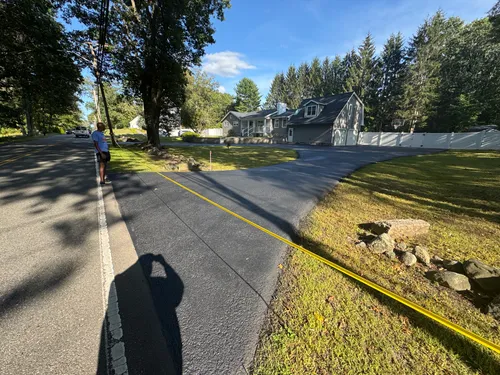
Massachusetts Sealcoating Services is a parking lot sealcoating company based in Boston, MA. They provide asphalt maintenance services for residential, commercial, and municipal properties. Their work focuses on protecting and enhancing the longevity of asphalt surfaces through expert sealcoating techniques. The company specializes in maintaining durability and appearance for a variety of property types.
Dino & Son Paving & Sealcoating
376 Elliott St, Beverly, MA 01915
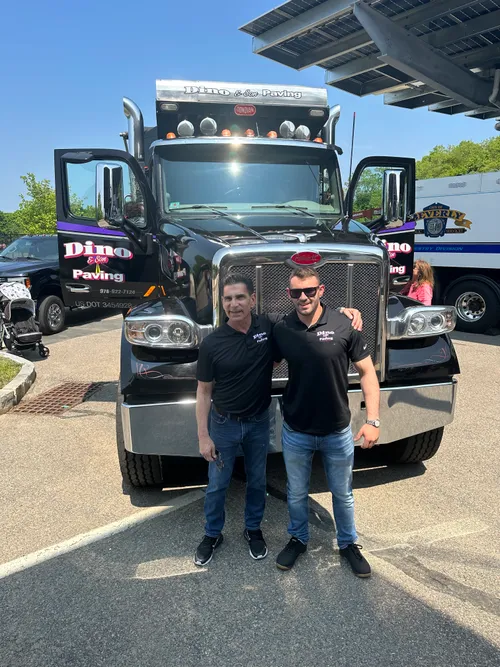
Dino & Son Paving & Sealcoating is a family-run business based in Boston, MA, offering expert asphalt paving, sealcoating, and repair services. They serve both residential and commercial clients, providing durable and visually appealing solutions for driveways, parking lots, sidewalks, and more. Their skilled team combines traditional craftsmanship with modern techniques to ensure long-lasting results. Dino & Son has a legacy of expertise passed down through generations, emphasizing quality materials and detailed project planning.
Massachusetts Asphalt Services
151 Elliott St, Danvers, MA 01923
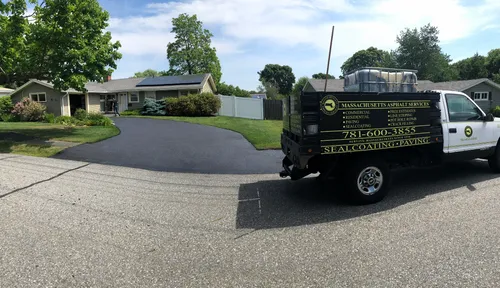
Massachusetts Asphalt Services is a family-owned parking lot sealcoating company based in Boston, MA. They provide sealcoating services using eco-friendly products to help extend the life of driveways and parking lots while reducing environmental impact. The company has been serving the area since 1978, offering guaranteed work and a focus on quality.
Why Sealcoating is Essential for Brookline Properties
The primary purpose of asphalt sealant is to act as a barrier. Fresh asphalt is flexible and contains oils that bind the aggregate together. Over time, sun exposure oxidizes and dries out these oils, making the pavement brittle. Water then seeps into tiny cracks, and during Brookline's notorious freeze-thaw cycles, this water expands as it turns to ice, widening cracks and creating potholes. Road salt, commonly used for winter safety, accelerates this damage by chemically breaking down the asphalt binder.
Applying a seal coat blocks UV rays to slow oxidation, repels water and chemicals, and makes the surface easier to clean. For commercial properties, this isn't just about preservation-it's about safety, liability, and presenting a professional image. A faded, cracked parking lot can deter customers and create trip hazards.
The Brookline Climate: A Key Factor in Scheduling
Local weather patterns are the single biggest driver for your sealcoating schedule. Massachusetts experiences a full range of seasons, each presenting unique challenges for asphalt.
- Winter: Freeze-thaw cycles are the most destructive force. Water penetrates, freezes, expands, and thaws repeatedly, relentlessly breaking apart the pavement from within.
- Spring: Thawing ground and heavy rains push more moisture into the substrate and existing cracks.
- Summer: Intense UV radiation from the sun dries out and oxidizes the asphalt binder, making it brittle.
- Fall: This is often the ideal preparation period, as temperatures are still mild but stable.
Because of this cycle, the best time to sealcoat in the Brookline area is from late spring through early fall, specifically May through September1 2. The critical requirement is that air and pavement temperatures remain consistently above 50°F (10°C) for at least 24 hours after application to allow for proper curing. Applying sealant outside this window risks it not drying correctly, leading to a soft, sticky, or ineffective coating.
Determining Your Sealcoating Frequency
There's no one-size-fits-all answer. The frequency for applying a protective coating depends on several factors specific to your lot:
- Traffic Volume: High-traffic lots, such as those for retail centers, schools, medical facilities, and busy office buildings, experience more wear from vehicles and are prone to more oil and fluid drips. These lots typically require sealing every 1 to 2 years3 4.
- Usage Type: Lots with frequent turning movements (like delivery zones) or those that host events see accelerated wear. Lots that are mostly for long-term employee parking may have less abrasive wear but still suffer from weather exposure.
- Age and Condition: New asphalt should be allowed to cure for 6 to 12 months before its first sealcoat application. After that, a regular 2-3 year cycle is standard. Older lots in good condition may stay on a 3-year cycle, while those showing early signs of wear benefit from more frequent attention.
- Previous Maintenance: A lot that has been consistently sealed will be in better condition and may sustain a longer interval than one that has been neglected.
As a general guideline for the Brookline area:
Critical Preparation Steps Before Sealing
A successful sealcoating project is 80% preparation. Skipping these steps can cause the new sealant to fail prematurely by preventing proper adhesion.
- Thorough Cleaning: The entire surface must be free of dirt, debris, leaves, and vegetation. This is typically done with industrial sweepers, blowers, and power washers.
- Oil Stain Treatment: Oil and grease stains must be addressed with a commercial degreaser. These substances break down asphalt and will prevent the sealcoat from bonding to the pavement 7.
- Crack Sealing and Patching: All cracks should be cleaned and filled with a hot-pour or cold-applied crack filler. Any potholes need to be patched with asphalt repair material. Sealing over cracks simply covers the problem, which will quickly reappear through the new coating 8.
- Planning for Downtime: The lot will need to be blocked off and out of service for a minimum of 24 to 48 hours to allow for application, drying, and curing. Clear signage and advance notice to tenants, customers, or employees is crucial.
The Importance of Restriping After Sealcoating
A fresh sealcoat will completely cover your existing parking lot lines and symbols. Therefore, restriping should be planned as an integral part of any sealcoating project and done immediately after the new sealant has cured sufficiently. This is also the perfect opportunity to reevaluate your traffic flow and ensure compliance with the Americans with Disabilities Act (ADA) regarding accessible parking spaces and aisles.
For maintenance purposes, even without sealcoating, parking lot lines in high-traffic areas should be repainted every 12 to 24 months to maintain visibility and safety. For lots with lower traffic, an 18 to 24-month cycle is often sufficient 9 10 11.
Find the perfect parking lot sealcoating companies for your needs
Get personalized recommendations and expert advice
Understanding Costs for Brookline Parking Lots
The cost of professional asphalt sealing is typically calculated per square foot, with the price decreasing as the total project size increases due to economies of scale. For the Brookline area, general cost ranges are between $0.15 to $0.30 per square foot 12. The final price is influenced by the lot's condition (requiring more or less prep work), its accessibility, and the contractor's pricing structure.
To provide a clearer picture, here are some estimated price ranges based on lot size, though we recommend getting a site-specific quote:
- Small Lot (approx. 10,000 sq. ft.): $1,500 - $3,000 13
- Medium Lot (approx. 20,000 sq. ft.): $3,000 - $6,000
- Large Lot (approx. 50,000 sq. ft.): $7,500 - $15,000 14 15
It's important to note that these estimates are for standard sealcoating. Costs will increase if your lot requires extensive crack filling, pothole repair, or heavy cleaning before the sealant can be applied.
Choosing a Local Service Provider
When looking for a pavement maintenance company in Brookline, consider the following:
- Local Experience: A provider familiar with Massachusetts weather and common asphalt issues here will offer the most relevant advice.
- Detailed Quotes: A professional estimate should break down costs for preparation, materials, application, and restriping.
- References and Insurance: Ask for local references and verify the company carries both liability and workers' compensation insurance.
- Materials and Process: Inquire about the type of sealant they use (coal tar emulsion vs. asphalt emulsion) and their process for ensuring proper curing.
Regular sealcoating is a proactive investment that significantly extends the lifespan of your asphalt, improves safety, and protects your property's value. By understanding the local factors at play, you can plan and budget for this essential maintenance task effectively.
Frequently asked questions
Sources
Footnotes
-
How Often Should I Sealcoat My Driveway in Massachusetts - https://pavelpavementmaintenance.com/how-often-sealcoat-driveway-massachusetts/ ↩
-
When's the Best Time to Sealcoat Your Asphalt? - Cassidy Paving - https://cassidypaving.com/whens-the-best-time-to-sealcoat-your-asphalt/ ↩
-
How Often Should You Sealcoat Your Commercial Parking Lot - https://thepavementgroup.com/commercial-parking-lot-sealcoat/ ↩
-
How Often Should a Business Sealcoat Its Parking Lot? - https://www.greatsealcoating.com/how-often-should-a-business-sealcoat-its-parking-lot ↩
-
How Often Should You Seal Coat Asphalt? - Elcor Construction - https://elcorconstruction.com/how-often-should-you-seal-coat-asphalt/ ↩
-
How Often Should You Sealcoat Your Parking Lot? - https://americanasphalt.com/how-often-should-you-sealcoat-your-parking-lot/ ↩
-
How to Prepare Your Parking Lot for Sealcoating - https://www.maintainitall.com/how-to-prepare-your-parking-lot-for-sealcoating ↩
-
10 Considerations Before Sealcoating Your Parking Lot - https://carolinaasphalt.com/10-considerations-before-scheduling-your-parking-lot-for-a-seal-coat/ ↩
-
How Often Should You Repaint Your Parking Lot Lines? - https://1800striper.com/how-often-should-you-repaint-your-parking-lot-lines/ ↩
-
How often should a parking lot be restriped? - Seton - https://www.seton.com/when-to-restripe-a-parking-lot ↩
-
How Often Should You Repaint Parking Lot Lines? - https://ottospm.com/how-often-should-you-repaint-parking-lot-lines/ ↩
-
Parking Lot Sealer: How Much Does It Cost? | EastCoat Pavement - https://eastcoatpavement.com/parking-lot-sealer-cost/ ↩
-
Parking Lot Seal Coating Costs for Asphalt : 2025 Pricing Guide - https://www.fixasphalt.com/blog/how-much-does-it-cost-to-sealcoat-an-asphalt-parking-lot ↩
-
Parking Lot Sealcoating Costs Per Square Foot - https://www.plsofflorida.com/parking-lot-sealcoating-costs-per-square-foot/ ↩
-
Sealcoating Cost Planning Guide for Commercial Parking Lots - https://dbkrieginc.com/blog/sealcoating-cost-planning-guide-for-commercial-parking-lots/ ↩