Find the Best Parking Lot Sealcoating Companies for Your Business
No obligation • Fast responses • Nationwide coverage
Why you can trust Tidy Parking
Tidy Parking is a leading U.S. source for parking lot maintenance services, including striping, sealcoating, sweeping, paving, resurfacing, and repairs. Our content is created independently, and providers cannot pay to influence ratings or recommendations.
Search providers near you
Best Parking Lot Sealcoating Companies in Louisiana Ranked
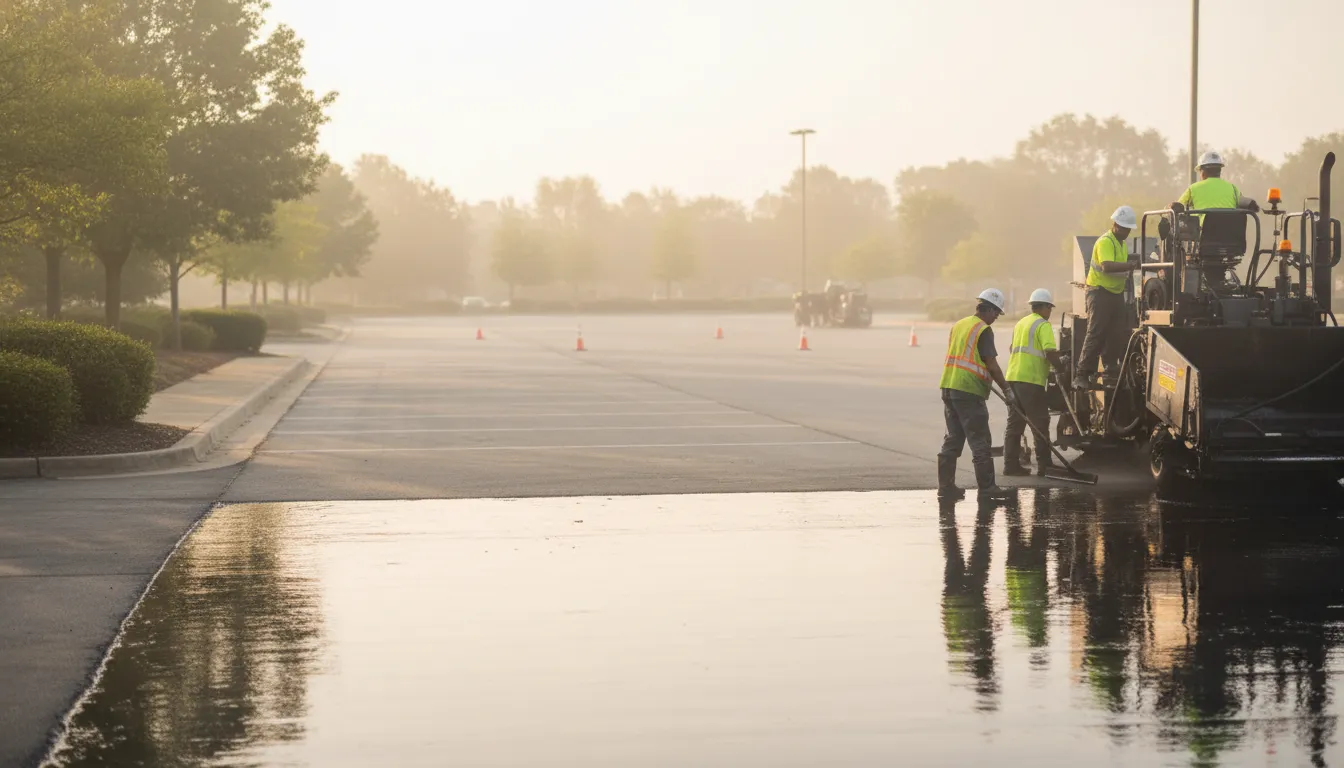
Parking lot sealcoating is a critical maintenance service that protects your asphalt investment from Louisiana's demanding climate. This protective coating shields pavement from damaging UV rays, water infiltration, and chemical spills, extending its lifespan and improving its appearance. For property managers and business owners, understanding the local best practices for timing, materials, and application is key to a successful project. This guide provides the essential information to plan your sealcoating project and connect with experienced local professionals who can deliver durable results.
Nu-Stripe “Parking lot line marking and striping”
737 Ayo Ln, Paradis, LA 70080
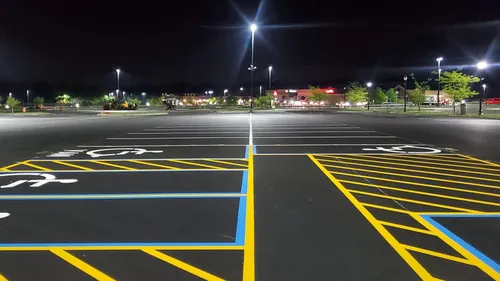
Nu-Stripe "Parking lot line marking and striping" is a family-owned and licensed company based in New Orleans, LA, specializing in parking lot striping, sealcoating, and repair services. They serve a variety of commercial clients across Louisiana, including Baton Rouge, Lafayette, Covington, and surrounding areas. Their offerings include precise parking lot line striping, asphalt seal coating to protect surfaces, crack filling, patching, and pavement repairs. Nu-Stripe emphasizes compliance with municipal regulations and uses high-quality materials and equipment to ensure durable, visible markings that enhance safety and space utilization.
Frank's Paving, LLC
18325 Sally St, Prairieville, LA 70769
Frank's Paving, LLC is a parking lot paving and repair company serving Baton Rouge, LA. They provide residential and commercial asphalt services including paving, resurfacing, crack repair, seal coating, and excavating. With over 40 years of experience, the family-owned business uses state-of-the-art techniques and commercial equipment to deliver professional results. Their work is owner-supervised and fully licensed and insured, covering southern Louisiana and parts of south Mississippi.
Second Line Striping Parking Lot Striping
42223 Jefferson Dr, Hammond, LA 70403
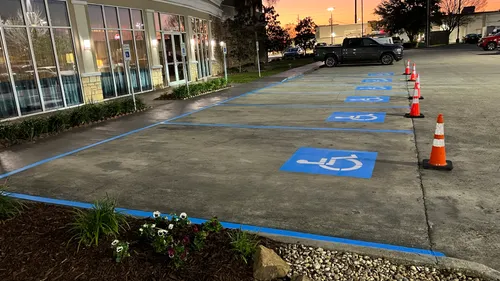
Second Line Striping Parking Lot Striping is based in Hammond, Louisiana, serving property owners in New Orleans and surrounding areas including Lafayette, Metairie, Baton Rouge, and Covington. They specialize in parking lot striping, restriping, cleaning, sealcoating, and related services such as handicap sign installation and concrete stops. The company offers thermoplastic markings for durable and vibrant lines and provides warehouse striping that complies with OSHA regulations. With years of experience, Second Line Striping focuses on personalized solutions that meet local codes and ADA compliance to enhance safety and maximize space efficiency.
Ridgley Property Maintenance
New Orleans, LA
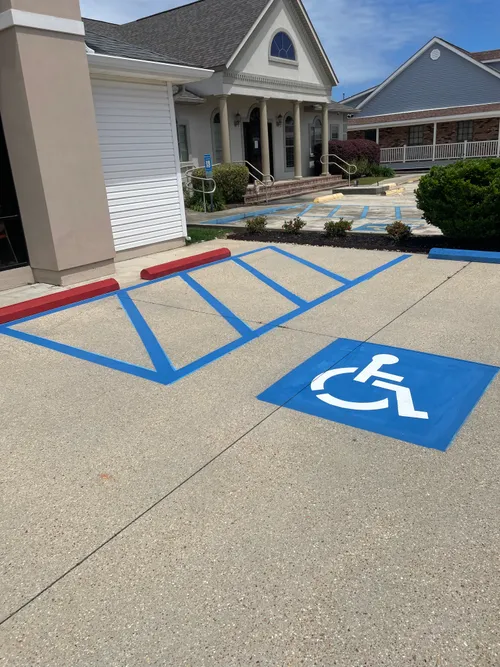
Ridgley Property Maintenance is based in New Orleans, LA, offering a wide range of property maintenance services with a focus on parking lot restoration. They provide asphalt and concrete lot services including crack repair, curb replacement and installation, line striping, seal coating, asphalt and concrete repair, bollard and sign installation, and pothole repair. Their media blasting services include dustless blasting, sandblasting, soda blasting, shot blasting, dry and wet blasting, and dry ice/cryo blasting, suitable for various surfaces such as wood, metal, bricks, and concrete. Ridgley Property Maintenance also offers skid steer services for land clearing, driveway installation, debris removal, and more.
G-FORCE Parking Lot Striping of Louisiana
Lafayette, LA
G-FORCE Parking Lot Striping of Louisiana is a veteran-owned business based in Lafayette, LA, specializing in parking lot striping, sealcoating, and repair services. They serve Louisiana and surrounding areas, including Baton Rouge, New Orleans, Alexandria, Shreveport, and Monroe. Their services include parking lot and warehouse floor markings, parking lot sign installation, ADA compliance striping, fire lane striping, crack sealing, bollard installation, and pothole repair. G-FORCE uses Sherwin-Williams premium traffic paints and state-of-the-art striping equipment to deliver durable results. The company is operated by Chad Romero, a 20-year U.S. Army veteran, and emphasizes quality, safety, and compliance in all projects.
Why Sealcoating is Essential in Louisiana
Louisiana's climate presents a unique set of challenges for asphalt pavement. High humidity, intense summer heat, frequent heavy rains, and strong UV radiation work together to degrade asphalt binder, leading to oxidation, cracking, and raveling. A properly applied sealcoat acts as a sacrificial barrier against these elements 1 2. It prevents water from seeping into cracks and the base layer, which can cause potholes and structural failure during freeze-thaw cycles, even in milder Louisiana winters. Furthermore, it protects against oil and gasoline spills common in parking lots, which can break down the asphalt binder. For commercial properties, a fresh, dark sealcoat also enhances curb appeal and safety by providing a uniform, high-contrast background for pavement markings.
Optimal Timing and Weather Conditions
Timing is arguably the most critical factor for a successful sealcoat application in Louisiana. The state's weather requires careful planning to avoid common pitfalls like slow curing, rain wash-off, or thermal shock.
- Best Seasons: The ideal windows for sealcoating are typically early spring (March-April) and late fall (October-November). These periods generally offer milder temperatures and lower humidity compared to the peak summer months.
- Temperature Rules: Sealant requires specific conditions to cure properly. The ideal ambient and pavement temperature range is between 50°F and 85°F 3. Crucially, temperatures should not fall below 50°F within 24 hours of application, as this can prevent proper curing and lead to premature failure 4.
- Humidity and Rain: Louisiana's high humidity is a major consideration. Humidity levels above 60% can significantly slow the drying and curing process 5. A minimum 24-hour window without rain is absolutely critical after application. Moisture from rain, dew, or high humidity can cause the sealant to peel, remain tacky, or fail to adhere 6.
- Summer Heat Risks: Applying sealcoat during extreme summer heat (above 95°F-100°F) is risky. High temperatures can cause the water in the sealant to evaporate too quickly, preventing proper bonding or making the cured film brittle and prone to cracking 7.
- Time of Day: For best results, application should begin in the morning. This allows the sealcoat maximum time to set and begin curing before afternoon humidity peaks and the frequent, sudden thunderstorms common in South Louisiana arrive.
Recommended Sealcoating Frequency
A regular sealing schedule is the cornerstone of a proactive pavement management plan. The frequency depends on the age of the asphalt and the amount of traffic it bears.
- New Asphalt: Freshly laid asphalt needs time to cure and release oils. It is recommended to wait 6 to 12 months after installation before applying the first sealcoat 8.
- Standard Commercial Lots: For typical office parks or low-to-medium traffic lots, a resealing cycle of every 2 to 3 years is standard to maintain protection and appearance 9 10.
- High-Traffic & Retail Lots: Parking lots for shopping centers, grocery stores, restaurants, and other high-volume venues experience more wear from vehicles and foot traffic. These areas often require resealing every 1 to 2 years to maintain integrity 11.
- Annual Inspection: Regardless of the schedule, a professional annual inspection is advised, ideally after the heavy spring or summer rain season. This inspection can identify early signs of wear, cracking, or drainage issues before they become major problems 12.
Essential Preparation Steps
A durable sealcoat is only as good as the surface preparation. Skipping or rushing these steps is a primary cause of coating failure.
- Thorough Cleaning: The pavement must be completely free of dirt, dust, leaves, and debris. Professionals typically use a combination of industrial blowers, power brooms, and pressure washers.
- Oil Spot Treatment: Oil and grease stains must be addressed. They are not just unsightly; they prevent the sealant from bonding. These spots need to be cleaned and then treated with a specialized oil spot primer.
- Crack Filling: All cracks, even hairline ones, should be filled with either hot-pour or cold-pour crack filler before sealcoating. This prevents water from entering the subbase and stops cracks from reflecting through the new sealcoat 13.
- Edge Work: Grass and vegetation growing over the pavement edges should be trimmed back. This exposes the full edge of the asphalt for proper sealing and prevents organic matter from being trapped under the coating 14.
- Adhesion Test: On older, severely oxidized asphalt, a contractor may perform a simple water test or trial patch to ensure the sealcoat will properly bond to the dry, brittle surface 15.
Find the perfect parking lot sealcoating companies for your needs
Get personalized recommendations and expert advice
Sealcoating Materials and Application Methods
Choosing the right materials for Louisiana's environment ensures longevity and can address environmental concerns.
- Material Types: The two primary types are coal-tar emulsion and asphalt-based emulsion. While coal-tar has historically been known for its durability and chemical resistance, asphalt-based sealers are increasingly preferred. They contain lower levels of polycyclic aromatic hydrocarbons (PAHs), making them a safer environmental choice, especially near waterways 16 17.
- Additives: For the humid Gulf Coast climate, latex additives are highly recommended. They improve the sealant's flexibility, durability, and resistance to water, while also promoting faster curing times and a richer, longer-lasting black color 18.
- Application: For commercial parking lots in Louisiana, a two-coat application is standard for maximum durability and protection. Fine silica sand is often broadcast into the wet sealcoat to provide essential slip resistance for vehicle and pedestrian traffic 19 20.
- Curing: Sealcoat is mixed with water and requires adequate time to cure. A full 24-hour drying period is mandatory before allowing any vehicle traffic on the surface to avoid tracking or damage 21.
Understanding Costs in Louisiana
The cost of commercial sealcoating is typically calculated per square foot. Several factors influence the final price for a property in Louisiana.
- Average Cost Range: For a professional, two-coat application, you can expect to pay between $0.17 and $0.30 per square foot22 23.
- Project Example: A typical 50,000 square foot commercial parking lot would have a rough total cost range of $8,500 to $15,00024 25.
- Key Cost Factors:
- Preparation Work: Extensive cleaning, numerous oil spots, and significant crack filling will increase the price.
- Lot Condition & Accessibility: Complex layouts with many light poles, islands, and tight corners require more handwork.
- Material Choice: Premium sealants with latex additives or environmentally specific formulas may cost more.
- Number of Coats: A robust two-coat system costs more than a single coat but offers far better long-term value.
- Local Contractor Rates: Labor and material costs can vary between different regions of the state.
For the most durable and cost-effective results, it is highly recommended to work with a professional Louisiana contractor who understands the local climate challenges, soil conditions, and traffic patterns. They can provide a precise assessment and quote tailored to your specific property.
Frequently asked questions
Sources
Footnotes
-
What is the Best Weather to Sealcoat in? - Parking Lot Services - https://www.plsofflorida.com/sealcoating-weather-conditions/ ↩
-
Maximizing Parking Lot Lifespan Through Strategic Surface Treatment - https://buckbros.com/blog/maximizing-parking-lot-lifespan-through-strategic-surface-treatment/ ↩
-
Sealcoat Parking Lots: What is the Best Temperature ... - ACPLM - https://acplm.net/sealcoat-parking-lots/ ↩
-
Is It Too Cold to Sealcoat My Parking Lot? - PaveConnect - https://paveconnect.com/blog/is-it-too-cold-to-sealcoat-my-parking-lot/ ↩
-
What is the Best Weather for Sealcoating? - ACPLM - (813) 633-0548 - https://acplm.net/best-weather-for-sealcoating/ ↩
-
Meet Sealcoating Temperature Requirements for Better Results - https://www.ppm.us/sealcoating-in-spring-and-fall/ ↩
-
Can Extreme Heat Affect An Asphalt Sealcoating Application? - https://www.royalpavementsolutions.com/heat-affect-an-asphalt-sealcoating-application/ ↩
-
When Should You Seal Coat Your Asphalt Parking Lot? - https://www.fixasphalt.com/blog/when-should-you-seal-coat-your-asphalt-parking-lot ↩
-
How Often Should You Sealcoat Your Commercial Parking Lot - https://thepavementgroup.com/commercial-parking-lot-sealcoat/ ↩
-
How Often Should You Seal Coat Asphalt? - Elcor Construction - https://elcorconstruction.com/how-often-should-you-seal-coat-asphalt/ ↩
-
How Often Should You Sealcoat a Driveway or Parking Lot? - https://coastalpipelineinc.com/how-often-should-i-sealcoat-a-driveway-or-parking-lot/ ↩
-
How Often Should a Parking Lot Be Sealcoated? - American Asphalt - https://americanasphalt.com/how-often-should-a-parking-lot-be-sealcoated/ ↩
-
How Often Should a Parking Lot Be Sealcoated? 510-723-0280 - https://americanasphalt.com/how-often-should-a-parking-lot-be-sealcoated/ ↩
-
How to Sealcoat a Parking Lot or Driveway - SealMaster.net - https://sealmaster.net/faq/sealcoat-parking-lot-driveway/ ↩
-
10 Considerations Before Sealcoating Your Parking Lot - https://carolinaasphalt.com/10-considerations-before-scheduling-your-parking-lot-for-a-seal-coat/ ↩
-
Sealcoating a Parking Lot: When, Why & How Much - https://strikeforcestriping.com/sealcoating-parking-lot-guide ↩
-
Coal-Tar-Based Pavement Sealcoat, PAHs, and ... - Mt. Lebanon - https://mtlebanon.org/wp-content/uploads/2023/03/Coal-Tar-Based-Pavement-Sealcoat-PAHs-and-Environmental-Health-3-21.pdf ↩
-
How to execute an effective Retail Parking Lot Sealcoating Program: - https://www.fixasphalt.com/blog/how-to-execute-an-effective-retail-parking-lot-sealcoating-program ↩
-
SealMaster Asphalt Pavement Sealcoating Specification for Parking ... - https://fairoaksranchtx.org/DocumentCenter/View/5456/FY23-24-Sealcoating-Plans-and-Specs?bidId= ↩
-
PDS Parking Lot Repair and Sealcoat Specifications - https://www.pdskc.org/Portals/pdskc/Documents/general_pdf/PDS%20Parking%20Lot%20Repair%20and%20Seal%20Specifications4.pdf ↩
-
Best Weather Conditions for Sealcoating - D.B.Krieg, Inc. - https://dbkrieginc.com/blog/best-temperature-weather-for-sealcoating/ ↩
-
Sealcoating Cost Planning Guide for Commercial Parking Lots - Daniel B. Krieg - https://dbkrieginc.com/blog/sealcoating-cost-planning-guide-for-commercial-parking-lots/ ↩
-
Parking Lot Sealcoating Costs Per Square Foot - Parking Lot Services of Florida - https://www.plsofflorida.com/parking-lot-sealcoating-costs-per-square-foot/ ↩
-
Sealcoating Cost Planning Guide for Commercial Parking Lots - https://dbkrieginc.com/blog/sealcoating-cost-planning-guide-for-commercial-parking-lots/ ↩
-
Parking Lot Sealer: How Much Does It Cost? | EastCoat Pavement - https://eastcoatpavement.com/parking-lot-sealer-cost/ ↩