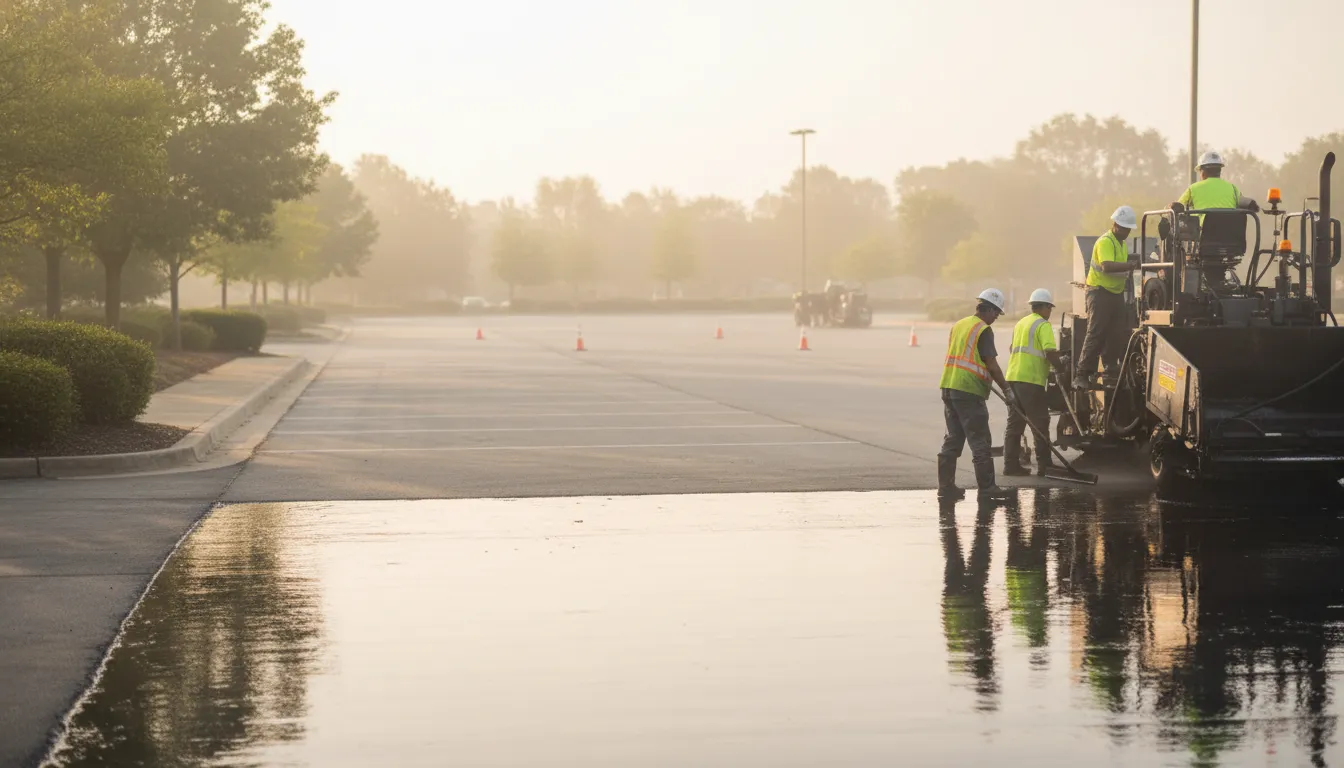
Find the Best Parking Lot Sealcoating Companies for Your Business
No obligation • Fast responses • Nationwide coverage
Why you can trust Tidy Parking
Tidy Parking is a leading U.S. source for parking lot maintenance services, including striping, sealcoating, sweeping, paving, resurfacing, and repairs. Our content is created independently, and providers cannot pay to influence ratings or recommendations.
Search providers near you
Top Parking Lot Sealcoating Companies in Waukegan, Illinois Ranked
Parking lot sealcoating is a critical maintenance service that applies a protective layer to asphalt surfaces, shielding them from the damaging effects of weather, chemicals, and traffic. In Waukegan, this process is essential for preserving the longevity and appearance of your pavement investment. This guide explains the local considerations for seal coating, helping you understand the process, timing, and how to connect with qualified professionals in the area to protect your property.
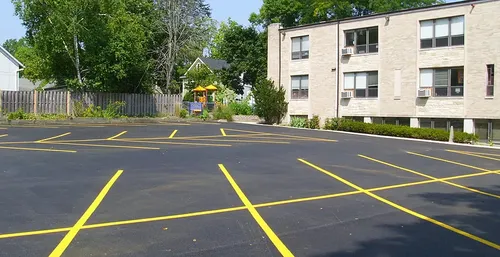
Parisi Paving & Sealing
28662 W Northwest Hwy, Barrington, IL 60010
Parisi Paving & Sealing is a parking lot paving and sealcoating company serving Chicago, IL. They offer services including driveway replacements, new paving, resurfacing, and asphalt sealing. The company emphasizes eco-friendly materials and quality repairs to extend the life of paved surfaces. With over 40 years of experience, Parisi Paving & Sealing has built a reputation for providing honest assessments and thorough project management from start to finish.
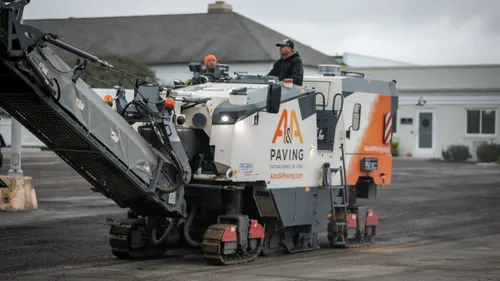
A&A Paving
251 N Garden Ave, Roselle, IL 60172
A&A Paving is a parking lot paving and repair company based in Chicago, IL. They provide services including asphalt paving, sealcoating, striping, resurfacing, and basin repair. The company is known for managing projects with clear communication and minimal disruption to business operations. A&A Paving has a history that traces back to its founder's early work in parking lot striping, growing over six decades into a well-established paving contractor. Their crews are highly trained and experienced, delivering quality workmanship across the Chicago area.
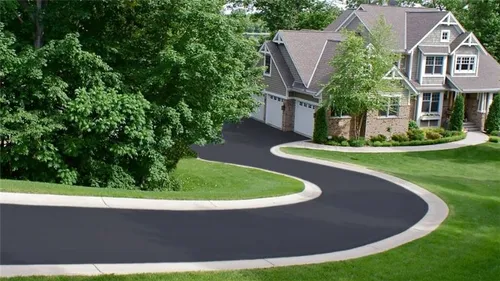
Jet-Black North Shore Sealcoating, Asphalt Repair & Paving
2460 Dundee Rd #1324, Northbrook, IL 60065
Jet-Black North Shore Sealcoating, Asphalt Repair & Paving is a parking lot sealcoating and repair company serving Chicago, IL. They offer residential and commercial asphalt maintenance services including sealcoating, crack sealing, patchwork, and repairs to protect and extend the life of asphalt surfaces. Established in 1987, Jet-Black has completed over 500,000 projects nationwide and uses industrial-grade sealers and hot rubber crackfiller designed for durability and long-lasting protection.
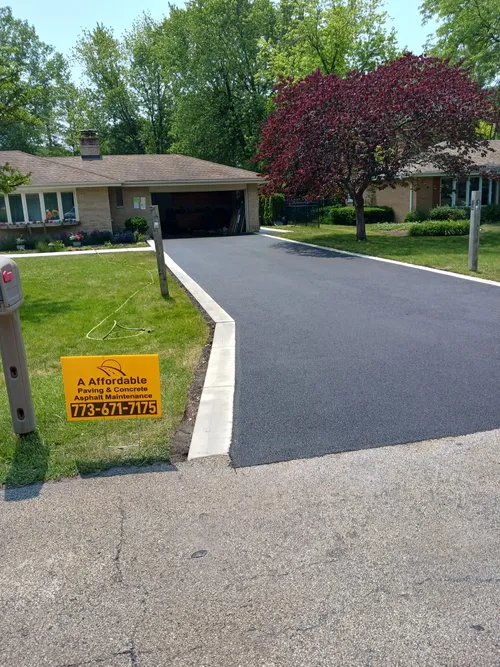
A Affordable Paving & Sealcoating
Chicago, IL
A Affordable Paving & Sealcoating is a parking lot paving and maintenance company based in Chicago, IL. They provide a range of services including asphalt paving, sealcoating, crack filling, striping, milling, patching, and concrete repairs for commercial and industrial parking lots. The company also handles concrete flatwork, curbs, stairs, patios, and resurfacing. With over 10 years of experience, they use professional equipment and quality materials to ensure durable and long-lasting results. Their sealcoating service protects pavement from sun damage and moisture, helping to extend the life of paved surfaces. A Affordable Paving & Sealcoating serves Chicago and surrounding suburbs, including areas like Des Plaines, Mount Prospect, Park Ridge, and more.
G-FORCE Parking Lot Striping of Chicago North
Chicago, IL
G-FORCE Parking Lot Striping of Chicago North is a veteran-owned company led by Ricardo Roman Jr., serving Chicago, IL, and surrounding areas including Aurora, Elgin, and Naperville. They specialize in parking lot striping, sealcoating, pothole repair, warehouse floor markings, athletic field markings, ADA compliance striping, and sign installation. Using Sherwin-Williams premium traffic paints and advanced striping equipment, G-FORCE delivers durable pavement markings and repairs. Their services also include crack sealing, fire lane striping, bollard installation, and thermoplastic markings. The company emphasizes quality, safety, and compliance in all projects.
Why Sealcoating is Essential in Waukegan
The climate in Waukegan and across Northern Illinois presents a significant challenge for asphalt pavement. The region experiences severe winters with heavy snow, rain, and intense freeze-thaw cycles. Water seeps into tiny cracks in the asphalt, freezes and expands, then thaws, repeatedly stressing the pavement and leading to larger cracks, potholes, and accelerated deterioration. A high-quality sealcoat acts as a waterproof barrier, preventing moisture penetration and protecting the asphalt binder from oxidation caused by UV rays. For commercial properties, a well-maintained, freshly sealed lot also projects a professional image, enhances safety with better-defined markings, and protects your asset's value.
Recommended Frequency for Seal Coating
How often should you apply a new seal coat? For most parking lots in Waukegan, the general recommendation is every 2-3 years. However, this is a guideline, and several local factors can necessitate more frequent application.
- High-Traffic Lots: Commercial lots that experience constant use, especially from heavy vehicles like delivery trucks and service vans, should consider sealcoating more frequently-often every 1-2 years-to maintain structural integrity.
- Existing Pavement Condition: A lot with numerous cracks or signs of wear will benefit from a protective seal sooner to prevent further damage.
- Previous Maintenance History: Regularly sealed lots in good condition can sometimes stretch to the 3-year mark, while neglected lots may need immediate attention and a more aggressive schedule.
Regular inspection is key. If your asphalt looks dry, gray, and is developing a network of small cracks (alligator cracking), it's likely time for a new application of sealant1 2.
The Best Time of Year for Sealcoating in Waukegan
Timing is everything for a successful asphalt sealing project. The ideal application window in Waukegan is during dry weather when temperatures are consistently above 50°F. This typically aligns with the late spring through early fall months.
- Temperature Matters: Sealant requires proper warmth to cure correctly. Applying it when temperatures are too low or are expected to drop overnight can lead to improper curing, a tacky surface, or premature failure3.
- Avoid Moisture: The pavement must be completely dry before application, and rain should not be forecast for at least 24-48 hours after the work is complete. Humidity can also affect drying times.
- Planning Ahead: Scheduling your sealcoating project for this optimal window is crucial. Reputable local contractors are often booked well in advance for the prime sealing season.
The Sealcoating Process: Step-by-Step
A professional sealcoating job is more than just spreading a black coating. It's a systematic process that ensures long-lasting results.
- Thorough Cleaning: The entire surface must be cleaned of all dirt, oil stains, grease, debris, and vegetation. This is often done with power brooms, blowers, and specialized cleaners to ensure the sealant can properly adhere to the asphalt.
- Crack and Joint Repair: Before any sealant is applied, all cracks must be filled. This critical step prevents water from penetrating the sub-base, which is a primary cause of potholes and structural failure 4. Ignoring crack repair before sealing simply traps moisture underneath the new layer.
- Application: Professionals typically apply sealcoat using spray systems or squeegees. Spray application is efficient for large, open areas, while squeegeeing can provide a thicker, more robust coat for heavily worn sections.
- Curing and Drying: The sealed lot must be allowed to cure undisturbed. This usually takes 24 to 48 hours before vehicles can be allowed back on the surface, depending on weather conditions.
Find the perfect parking lot sealcoating companies for your needs
Get personalized recommendations and expert advice
The Critical Link: Sealcoating and Re-Striping
A freshly sealed parking lot provides the perfect canvas for new, highly visible pavement markings. Line re-striping should be scheduled immediately after the sealcoat has fully cured, usually within 24-48 hours5 6. Applying traffic paint directly to the new sealant ensures optimal adhesion and longevity of the stripes. This coordinated approach not only restores the lot's protective layer but also maximizes safety and organization for drivers and pedestrians. Many local service providers offer both sealcoating and striping, making it efficient to schedule these complementary services together.
Understanding Sealcoating Costs in Waukegan
The cost of parking lot sealcoating is primarily calculated per square foot and can vary based on the lot's size, condition, and preparation needs.
- Small Lots & Driveways: For residential driveways or small commercial lots, costs typically range from $0.15 to $0.30 per square foot. The total project cost depends on the complexity and amount of preparatory work required.
- Large Commercial Lots: For larger properties, economies of scale generally apply, bringing the cost down to between $0.10 and $0.20 per square foot7.
It's important to note that these are baseline estimates. The single biggest factor that can increase cost is the condition of the existing asphalt8 9. A lot with extensive cracking, potholes, or oil damage will require significant repair work-including crack filling, patching, and cleaning-before it is ready for sealing. A detailed, on-site inspection from a qualified contractor will provide the most accurate estimate for your specific property in Waukegan.
Choosing a Local Sealcoating Provider
When selecting a contractor for your asphalt sealing project, look for experience with the specific challenges of the Waukegan climate. Ask for local references, proof of insurance, and detailed written estimates that break down the scope of work, including all preparation steps like cleaning and crack filling. A reputable professional will discuss the optimal timing for your project and use high-quality, commercial-grade sealant materials designed for durability.
Frequently asked questions
Sources
Footnotes
-
How Often Should You Sealcoat Your Commercial Parking Lot - https://thepavementgroup.com/commercial-parking-lot-sealcoat/ ↩
-
How Often Should a Parking Lot Be Sealcoated? - American Asphalt - https://americanasphalt.com/how-often-should-a-parking-lot-be-sealcoated/ ↩
-
Best Weather Conditions for Sealcoating - D.B.Krieg, Inc. - https://dbkrieginc.com/blog/best-temperature-weather-for-sealcoating/ ↩
-
How Often Should You Sealcoat a Driveway or Parking Lot? - https://coastalpipelineinc.com/how-often-should-i-sealcoat-a-driveway-or-parking-lot/ ↩
-
Sealcoating in Illinois - The Best Time - Black Hawk Paving - https://blackhawkpaving.com/best-time-of-day-to-start-sealcoating-in-illinois/ ↩
-
How Often Should You Repaint Parking Lot Lines? - https://ottospm.com/how-often-should-you-repaint-parking-lot-lines/ ↩
-
Step-by-Step Process of Parking Lot Sealcoating - https://asphaltcoatingscompany.com/blog/step-by-step-process-of-parking-lot-sealcoating/ ↩
-
Parking Lot Sealcoating in Waukegan, Illinois - https://totalpaving.com/parking-lot-sealcoating-in-waukegan-illinois/ ↩
-
Sealcoating Cost Planning Guide for Commercial Parking Lots - Daniel B. Krieg - https://dbkrieginc.com/blog/sealcoating-cost-planning-guide-for-commercial-parking-lots/ ↩