Find the Best Parking Lot Sealcoating Companies for Your Business
No obligation • Fast responses • Nationwide coverage
Why you can trust Tidy Parking
Tidy Parking is a leading U.S. source for parking lot maintenance services, including striping, sealcoating, sweeping, paving, resurfacing, and repairs. Our content is created independently, and providers cannot pay to influence ratings or recommendations.
Search providers near you
Top Parking Lot Sealcoating Companies in Plantation, Florida Ranked
Protecting your asphalt investment in Plantation is not just about aesthetics; it's a critical defense against Florida's punishing climate. Parking lot sealcoating, the process of applying a protective coating to asphalt pavement, shields the surface from damaging UV rays, heavy rain, and chemical spills. This maintenance is essential for preserving your property's curb appeal, extending pavement life, and minimizing costly repairs. This guide will help you understand the local considerations for sealcoating and how to connect with qualified professionals in the Plantation area to protect your pavement.
First Class Asphalt Sealcoating
4222 N Dixie Hwy UNIT 80, Oakland Park, FL 33334
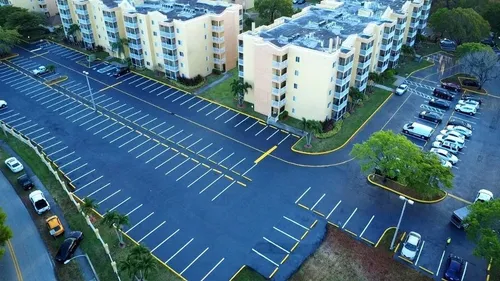
First Class Asphalt Sealcoating is a parking lot sealcoating company based in Fort Lauderdale, FL. They provide sealcoating services to protect and maintain asphalt surfaces across a wide range of locations including Broward County, Miami-Dade County, and Palm Beach County. Their service area covers many cities such as Aventura, Boca Raton, Coral Springs, Hollywood, Miami, and more. The company specializes in sealcoating to extend the life of asphalt and improve its appearance.
JS Sealers
2014 Andromeda Ln, Weston, FL 33327
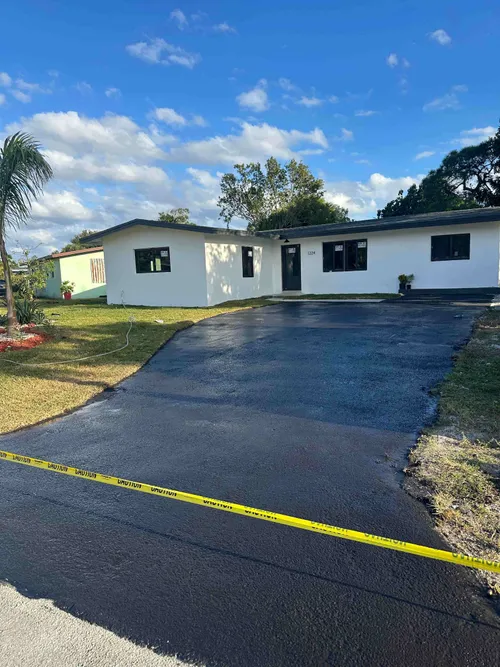
JS Sealers is a parking lot sealcoating company based in Fort Lauderdale, FL. They offer services including concrete staining, paver sealing, and asphalt sealing to protect and enhance driveways. Their sealing work helps prevent damage from weather, wear, and stains, extending the lifespan of various driveway surfaces. JS Sealers provides solutions that improve durability and appearance for residential and commercial properties.
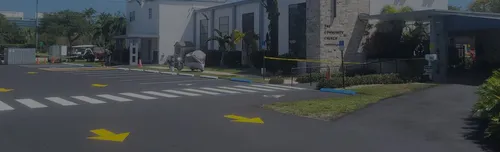
Star Asphalt Inc.
4050 SW 110th Ct, Miami, FL 33165
Star Asphalt Inc. is a locally owned asphalt contractor serving Miami, FL, and nearby areas. With over 40 years of experience, the company provides a range of services including parking lot striping, seal coating, paving, and repairs. They focus on maintaining and enhancing asphalt surfaces through quality seal coating and parking lot maintenance to extend the life of the pavement.
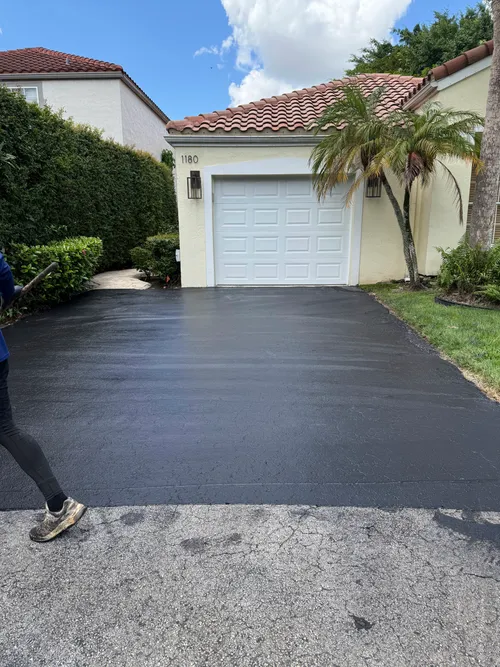
Tropical Asphalt Sealcoating
10310 NW 11th Ct, Plantation, FL 33322
Tropical Asphalt Sealcoating is a parking lot sealcoating, paving, and repair company based in Hollywood, FL. They provide a full range of asphalt services including paving, repair, and maintenance using high-quality materials and equipment. The company is family-owned and has over 25 years of experience in the asphalt industry.
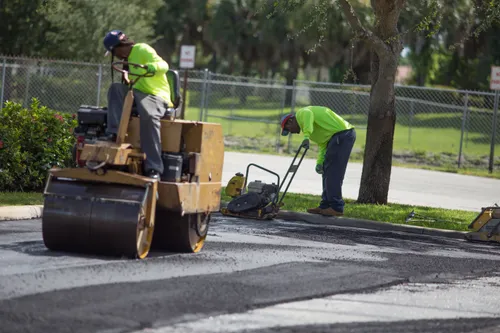
DMI Paving and Sealcoating
1100 NW 73rd St, Miami, FL 33150
DMI Paving and Sealcoating is a parking lot sealcoating and paving contractor based in Miami, FL. The company specializes in commercial and government projects, focusing on parking lot maintenance and paving services. They do not provide services for residential properties.
Why Sealcoating is Non-Negotiable in South Florida
The asphalt on your commercial property or residential community in Plantation faces a unique set of environmental challenges. Intense, year-round UV radiation causes the asphalt binder to oxidize rapidly, making the surface brittle and prone to cracking and raveling. Combined with our frequent heavy rains and high humidity, which can seep into unsealed cracks and weaken the pavement's base, the need for a protective barrier becomes clear. A high-quality sealcoat acts as a sunscreen and a raincoat for your asphalt, blocking water penetration and slowing the oxidation process that leads to deterioration 1.
Beyond weather, traffic volume plays a major role. High-use lots for shopping centers, restaurants, and office buildings in Plantation experience constant stress from vehicles, which accelerates wear. Sealcoating provides a durable, skid-resistant surface that can withstand this daily abuse, helping to maintain a safe and professional appearance for customers and tenants.
The Plantation Sealcoating Schedule: When to Apply
Timing is everything for a successful pavement sealing project in Florida. The general rule is to apply a fresh sealcoat every 2 to 3 years, but this varies significantly with use 2.
- High-Traffic Commercial Lots: Shopping plazas, grocery stores, and busy restaurants may require sealing every 1 to 2 years due to the constant stress from vehicles and exposure to oils and fluids.
- Moderate-Use & Residential Lots: Office parks, apartment complexes, and community driveways with lower traffic can typically follow the 2-3 year cycle, while very low-traffic residential lots may extend to 3-5 years 3.
The best season for application in Plantation is the dry season, typically from spring through early fall, when rain is less likely to interrupt the curing process 4. Contractors look for a stretch of dry weather, with ideal surface temperatures between 50°F and 120°F for proper adhesion and drying 4. Scheduling during this window is crucial, as rain falling on uncured sealer can wash it away, ruining the application and requiring a costly redo.
Understanding the Process: More Than Just Spraying On Coating
A professional sealcoating job is a multi-step process that begins long before the sealer is applied. Proper preparation is the foundation of a long-lasting result.
- Thorough Cleaning: The entire pavement surface must be meticulously cleaned to remove dirt, debris, leaves, and especially oil stains. Any contaminant left on the surface will prevent the sealant from properly bonding to the asphalt.
- Repair Work: Sealcoat is a protective layer, not a structural fix. All cracks must be filled, and any potholes or alligator cracking areas must be patched and repaired before sealing begins 5. Applying sealer over damaged asphalt simply traps moisture underneath, leading to faster failure.
- Application: Professionals typically apply two thin coats of sealer rather than one thick coat. Thin coats dry more evenly and cure properly, creating a stronger, more flexible barrier that won't chip or peel prematurely. The sealer is usually spray-applied for large areas, with edges and tight spaces handled with squeegees.
- Curing & Restriping: The lot must be kept completely free of traffic and pedestrians for 24 to 48 hours to allow for full curing, which can be slower in Florida's humidity 6. Once fully cured, pavement striping and markings should be reapplied. Line re-striping is generally recommended every two years or when visibility drops below 75%, and it is ideally done 24-48 hours after the sealcoat has cured 7.
Find the perfect parking lot sealcoating companies for your needs
Get personalized recommendations and expert advice
Investment and Value: What Sealcoating Costs in Plantation
The cost for professional parking lot sealcoating is typically calculated per square foot. For a standard two-coat application in the Plantation area, you can expect estimates to range from $0.17 to $0.30 per square foot 8. This wide range accounts for variables like the lot's condition, the amount of prep work needed, and the specific materials used.
To translate this into project estimates:
- A small lot (e.g., for a small retail store or professional office) might range from approximately $5,000 to $8,000.
- A large commercial lot (e.g., for a shopping center or large apartment complex) can easily range from $10,000 to $25,000 or more, depending on the specific site conditions and scope 9.
While this is a significant investment, it must be weighed against the cost of neglect. Unsealed asphalt deteriorates much faster, leading to expensive repairs like patching, overlays, or full-depth reconstruction far sooner than necessary. Regular sealcoating is the most cost-effective way to maximize the lifespan of your pavement asset.
Choosing the Right Protection: Materials and Methods
Not all sealcoats are created equal. In Plantation, it's important to use products formulated for Florida's heat and humidity. The two most common types are:
- Coal Tar Emulsion: Traditionally known for its superior resistance to gasoline, oil, and chemical spills. It provides a deep, rich black finish and is very durable.
- Asphalt Emulsion: A more environmentally friendly option that is widely used today. Modern asphalt-based sealers offer excellent performance and are often preferred for their lower odor and VOC (volatile organic compound) content.
A reputable contractor will discuss the best product for your specific property, considering factors like the types of vehicles using the lot (e.g., risk of fluid leaks) and local environmental preferences. They should also be able to explain their mixing process, application equipment, and quality control measures to ensure a consistent, high-quality finish.
Maintaining Your Investment Post-Application
After your sealcoating project is complete, proper maintenance will ensure you get the full lifespan from the treatment. Avoid driving on the surface for the full recommended cure time (at least 24 hours). For the first 30 days, try to avoid turning your vehicle's wheels while stationary, as this can scuff the fresh coating. Clean up oil or chemical spills promptly, as even a sealed surface can be degraded over time by harsh substances. Finally, keep the pavement clear of debris and consider a regular sweeping schedule to prevent abrasive materials from grinding against the protective layer.
By understanding the local climate demands, the detailed process, and the value of professional work, you can make an informed decision to protect one of your property's most valuable and visible assets.
Frequently asked questions
Sources
Footnotes
-
Florida Asphalt & Sealcoating FAQs - Pavemax - https://www.pavemax.com/asphalt-sealcoating-faqs/ ↩
-
How Often Should You Seal Coat in Florida's Climate? - https://www.bryncoimprovements.com/asphalt-repair-and-maintenance-tips/how-often-should-you-seal-coat-in-floridas-climate ↩
-
How Often Should You Seal Coat Asphalt? - Elcor Construction - https://elcorconstruction.com/how-often-should-you-seal-coat-asphalt/ ↩
-
Sealcoating Weather Guide: Central Florida - https://www.floridasealcoating.com/blog/2026/sealcoating-weather-guide-for-central-florida.html ↩ ↩2
-
How to Sealcoat a Parking Lot or Driveway - SealMaster.net - https://sealmaster.net/faq/sealcoat-parking-lot-driveway/ ↩
-
Asphalt Sealcoating: Florida Protection from Heat & Rain - https://www.plsofflorida.com/asphalt-sealcoating-florida-protection-from-heat-rain/ ↩
-
Parking Lot Restriping and Seal Coating - FCAP - https://www.fcapgroup.com/flcaj/flcaj-articles/parking-lot-restriping-and-seal-coating/ ↩
-
Sealcoating a Parking Lot: When, Why & How Much (2026 Guide) - https://strikeforcestriping.com/sealcoating-parking-lot-guide ↩
-
Parking Lot Seal Coating Costs for Asphalt : 2025 Pricing Guide - https://www.fixasphalt.com/blog/how-much-does-it-cost-to-sealcoat-an-asphalt-parking-lot ↩