Find the Best Parking Lot Sealcoating Companies for Your Business
No obligation • Fast responses • Nationwide coverage

Why you can trust Tidy Parking
Tidy Parking is a leading U.S. source for parking lot maintenance services, including striping, sealcoating, sweeping, paving, resurfacing, and repairs. Our content is created independently, and providers cannot pay to influence ratings or recommendations.
Search providers near you
Top Parking Lot Sealcoating Companies in Homestead, Florida Ranked
For property owners and managers in Homestead, parking lot sealcoating is not a luxury-it's an essential defense. This protective coating shields your asphalt investment from the relentless South Florida sun, torrential summer rains, and constant vehicle traffic. By applying a fresh layer of sealer, you extend the life of your pavement, improve its appearance, and reduce long-term repair costs. This guide will help you understand the unique demands of asphalt protection in Homestead, from timing and preparation to finding qualified local professionals to perform the work.
Star Asphalt Inc.
4050 SW 110th Ct, Miami, FL 33165
Star Asphalt Inc. is a locally owned asphalt contractor serving Miami, FL, and nearby areas. With over 40 years of experience, the company provides a range of services including parking lot striping, seal coating, paving, and repairs. They focus on maintaining and enhancing asphalt surfaces through quality seal coating and parking lot maintenance to extend the life of the pavement.
Miami Asphalt Paving and Sealcoating
Miami, FL
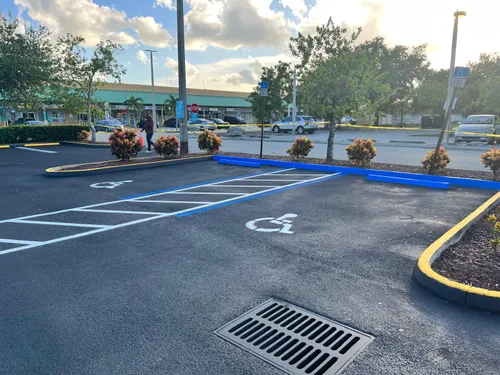
Miami Asphalt Paving and Sealcoating is a paving contractor based in Miami, FL, offering a wide range of asphalt services for residential, commercial, and industrial clients. Their expertise includes asphalt driveway paving, parking lot installations, resurfacing, sealcoating, striping, and repairs. The company is equipped to handle projects of any size, from small driveway repairs to large industrial paving jobs. They also provide specialized services such as asphalt milling and installation of parking lot accessories like speed bumps and signage. Miami Asphalt Paving and Sealcoating serves Miami and the surrounding Miami-Dade County area, with licenses to work in Broward and Monroe Counties as well. Their team has extensive experience working with various property types including shopping malls, warehouses, and HOA communities. The company emphasizes proper site preparation and uses a well-maintained fleet to ensure timely project completion.
JD's Asphalt Engineering Corp.
7266 NW 66th St, Miami, FL 33166
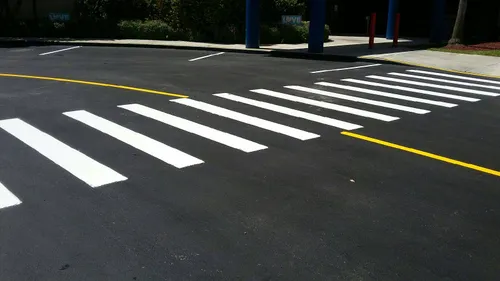
JD's Asphalt Engineering Corp. is a parking lot paving and repair company based in Miami, FL. They provide a range of services including asphalt paving, sealcoating, striping, resurfacing, and drainage system installation to maintain safe and smooth parking lots, sidewalks, and curbs. With over 30 years of experience, they are equipped to handle issues such as cracking, potholes, uneven surfaces, and fading asphalt to enhance the safety and appearance of commercial properties in the Miami area.

Riera's Paving Maintenance
6205 SW Kendale Lakes Cir, Miami, FL 33183
Riera's Paving Maintenance is a paving contractor based in Miami, FL, specializing in asphalt paving, repair, sealcoating, crack filling, and parking lot striping. They serve commercial, retail, industrial, HOA, nonprofit, and multi-unit properties, providing comprehensive pavement maintenance and installation services. Their capabilities include asphalt patching and sealcoating to extend pavement life and improve safety and appearance. Established for over three years, Riera's Paving Maintenance focuses on delivering value and quality workmanship tailored to client needs.
Tri County Maintenance Services Inc.
1250 SW 27th Ave STE 501, Miami, FL 33135
Tri County Maintenance Services Inc. is a licensed and insured paving contractor based in Miami, FL. The company provides commercial and residential asphalt and concrete paving, seal coating, resurfacing, trench paving, and parking lot striping services throughout South Florida. With over 20 years of experience, Tri County Maintenance Services Inc. has completed projects for cities, contractors, homeowners, and airports, offering a comprehensive range of pavement solutions from a single provider.
Why Sealcoating is Critical in Homestead's Climate
Homestead's environment is particularly harsh on asphalt pavement. A proactive sealcoating schedule is the most effective way to combat these specific challenges:
- Intense UV Radiation and Heat: Florida's powerful sun breaks down the asphalt binder, the "glue" that holds the pavement together. This process, called oxidation, makes the surface brittle, faded, and prone to cracking. A quality sealcoat acts as a sunscreen, blocking these damaging rays and preserving the asphalt's flexibility.
- Heavy Rainfall and High Humidity: Our frequent summer downpours and consistently high humidity are a double threat. Water seeps into unsealed cracks, eroding the base and leading to potholes. Furthermore, high humidity can significantly slow the curing time of fresh sealer, requiring 48-72 hours instead of the typical 24, which must be factored into scheduling.
- Traffic and Chemical Spills: Commercial and retail parking lots face constant wear from vehicles. Oil, gasoline, and other fluid leaks can quickly stain and degrade bare asphalt. A robust sealcoating layer provides a protective barrier against these contaminants, making cleanup easier and preventing permanent damage.
How Often Should You Sealcoat in Homestead?
There is no one-size-fits-all schedule, as frequency depends directly on usage. Based on local conditions, here are general guidelines:
- High-Traffic Lots (Shopping Centers, Restaurants, Grocery Stores): These surfaces should be sealed every 1 to 2 years. The constant stress from vehicles accelerates wear, requiring more frequent protection to maintain integrity and appearance.
- Standard Commercial Lots (Offices, Churches, Medium-Use Facilities): A cycle of every 2 to 3 years is typically recommended. This balances cost with effective protection against the climate 1.
- Low-Traffic or Residential Lots: In some cases, these can be sealed every 3 to 4 years, but the intense local climate often makes the 2-3 year mark a safer bet for preserving the pavement 2.
Regular inspections are key. If your asphalt looks faded gray, feels brittle, or shows early signs of raveling (loose stones), it's likely time for a new application.
The Sealcoating Process: Proper Preparation is Everything
A successful sealcoating project is 80% preparation. Cutting corners on prep work leads to premature failure, such as peeling or bubbling. For a durable finish in Homestead, professionals follow a meticulous process:
- Thorough Cleaning: The entire surface must be free of dirt, sand, leaves, and debris. Professionals use commercial sweepers, blowers, and sometimes power washers. Sealer cannot adhere to a dirty surface 3.
- Oil Spot and Stain Treatment: Any oil or chemical stains are carefully cleaned and then treated with a specialized oil spot primer. This step is crucial to prevent the stain from bleeding through the new sealcoat 4 5.
- Crack Filling: All cracks, no matter how small, must be filled. In Florida, hot-pour rubberized crack filler is the preferred method. It creates a flexible, waterproof seal that moves with the pavement, which is vital given the heat cycles and high water table 6 7. This prevents water intrusion that can destroy the asphalt base.
- Pothole and Base Repair: Any areas of alligator cracking or potholes are repaired with fresh asphalt to ensure a stable, level surface.
- Application: A professional-grade, coal tar or asphalt-based sealer is applied, usually in two coats. The first coat acts as a primer and binder, while the second provides the full protective thickness and rich, black finish. Proper application ensures even coverage without puddles or thin spots.
Find the perfect parking lot sealcoating companies for your needs
Get personalized recommendations and expert advice
Timing Your Project: Navigating Homestead's Seasons
Choosing the right time of year is critical for a successful sealcoating project.
- Best Time: Dry Season (October - May) This period offers the most predictable weather with lower humidity and less frequent rain, providing ideal conditions for the sealer to cure properly.
- High-Risk Time: Wet Season (June - September) Scheduling during the summer rainy season is risky. Rain within 24-48 hours of application can wash away uncured sealer, ruining the job and requiring a costly redo. High humidity also prolongs curing, keeping the lot out of service longer 8 9.
- Daily Timing: Work should be planned when temperatures are between 50°F and 90°F and rising, with no rain in the forecast for at least 24-48 hours after application.
The Relationship Between Sealcoating and Striping
Parking lot striping and sealcoating are interconnected maintenance tasks. Here's how to coordinate them:
- Striping After Sealcoating: You must wait for the new sealcoat to fully cure before applying fresh paint. Plan for a minimum of 24 to 48 hours of dry time, and longer if humidity is high. Painting on uncured sealer will cause poor adhesion and rapid fading 10 11.
- Striping Frequency: In Homestead's sunny climate, parking lot lines typically need to be refreshed every 18 to 24 months to maintain visibility, safety, and ADA compliance 12 13. If lines are severely faded before your scheduled sealcoating, it's often most efficient to stripe just before sealing, as the new sealcoat will protect the fresh paint.
Understanding Costs for Homestead Properties
Sealcoating costs are primarily calculated per square foot, with the total price influenced by the lot's size, condition, and required prep work.
- Small to Medium Lots (e.g., ~10,000 sq. ft.): Prices generally range from $0.15 to $0.30 per square foot. This translates to a total project cost between $1,500 and $3,000. The higher end accounts for significant crack filling, stain treatment, or repairs 14.
- Large Commercial Lots (e.g., 50,000+ sq. ft.): Due to economies of scale, per-square-foot costs are often lower, ranging from $0.10 to $0.20. A project of this scale may cost $5,000 to $10,000 or more15 16.
- What Impacts the Price? The biggest variables are the amount of crack filling and patch repair needed. A well-maintained lot with minimal prep will cost less than a neglected one requiring extensive rehabilitation before sealing can even begin. Always get detailed quotes that break down preparation, materials, and application.
Choosing a Local Sealcoating Professional
Given Homestead's unique climate, selecting a contractor with specific local experience is paramount. Look for providers who:
- Understand the necessity of hot crack filling and oil spot priming for Florida asphalt.
- Use high-quality, UV-resistant sealants formulated for hot, humid climates.
- Can provide a clear, written plan that accounts for weather delays during the rainy season.
- Have strong references and examples of previous work on similar commercial properties in South Florida.
Frequently asked questions
Sources
Footnotes
-
How Often Should You Seal Coat Asphalt? - Elcor Construction - https://elcorconstruction.com/how-often-should-you-seal-coat-asphalt/ ↩
-
How Often Should a Parking Lot Be Sealcoated? 510-723-0280 - https://americanasphalt.com/how-often-should-a-parking-lot-be-sealcoated/ ↩
-
How To Sealcoat A Parking Lot (Start To Finish) - https://www.youtube.com/watch?v=bRFh7Ehm7go ↩
-
Asphalt Sealcoating: Florida Protection from Heat & Rain - https://www.plsofflorida.com/asphalt-sealcoating-florida-protection-from-heat-rain/ ↩
-
Asphalt Sealcoating: The Step-by-Step Process - https://www.youtube.com/watch?v=cPEXNTJQnkw ↩
-
How to Sealcoat a Parking Lot or Driveway - SealMaster.net - https://sealmaster.net/faq/sealcoat-parking-lot-driveway/ ↩
-
Asphalt Parking Lot Maintenance in Florida's Climate - https://www.plsofflorida.com/asphalt-parking-lot-maintenance-florida-climate/ ↩
-
Sealcoating Weather Guide: Central Florida - https://www.floridasealcoating.com/blog/2026/sealcoating-weather-guide-for-central-florida.html ↩
-
How Does Warm Weather Affect Asphalt Parking Lots in Florida? - https://www.plsofflorida.com/how-does-warm-weather-affect-asphalt/ ↩
-
How soon can you stripe after sealcoating? - Asphalt Parking Lot Pros - https://asphaltparkinglotpros.com/2025/05/20/how-soon-can-you-stripe-after-sealcoating/ ↩
-
4 Critical Steps After Sealcoating Your Parking Lot - https://asphaltcareservices.com/4-critical-steps-after-sealcoating-your-parking-lot/ ↩
-
How Often Should You Have Your Parking Lot Striped? - https://www.floridasealcoating.com/blog/2024/how-often-should-you-have-your-parking-lot-striped.html ↩
-
How often should a parking lot be restriped? - Seton - https://www.seton.com/when-to-restripe-a-parking-lot ↩
-
When Should I Seal Coat My Parking Lot - https://www.fixasphalt.com/blog/when-should-i-seal-coat-my-parking-lot ↩
-
Sealcoating Guide for Your Florida Parking Lot | PLS - https://www.plsofflorida.com/florida-parking-lot-sealcoating-guide/ ↩
-
Parking Lot Repair - Gainesville Commercial Paving Partners - https://gainesvillecommercialpavingpartners.com/services/parking-lot-repair/ ↩