Find the Best Parking Lot Sealcoating Companies for Your Business
No obligation • Fast responses • Nationwide coverage
Why you can trust Tidy Parking
Tidy Parking is a leading U.S. source for parking lot maintenance services, including striping, sealcoating, sweeping, paving, resurfacing, and repairs. Our content is created independently, and providers cannot pay to influence ratings or recommendations.
Search providers near you
Top Parking Lot Sealcoating Companies in Coral Springs, Florida Ranked
Parking lot sealcoating is a vital protective maintenance service that applies a specialized coating over asphalt pavement. In Coral Springs, this process is essential for shielding surfaces from the region's intense sun and heavy rainfall, which can rapidly degrade unprotected asphalt. A properly applied sealcoat restores a dark, fresh appearance, blocks damaging elements, and significantly extends the lifespan of your pavement investment. This guide explains the local considerations for asphalt sealing and how to connect with qualified professionals for your property.
First Class Asphalt Sealcoating
4222 N Dixie Hwy UNIT 80, Oakland Park, FL 33334
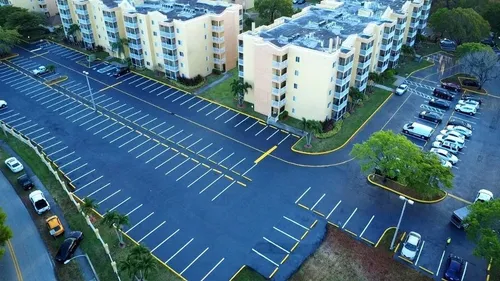
First Class Asphalt Sealcoating is a parking lot sealcoating company based in Fort Lauderdale, FL. They provide sealcoating services to protect and maintain asphalt surfaces across a wide range of locations including Broward County, Miami-Dade County, and Palm Beach County. Their service area covers many cities such as Aventura, Boca Raton, Coral Springs, Hollywood, Miami, and more. The company specializes in sealcoating to extend the life of asphalt and improve its appearance.
JS Sealers
2014 Andromeda Ln, Weston, FL 33327
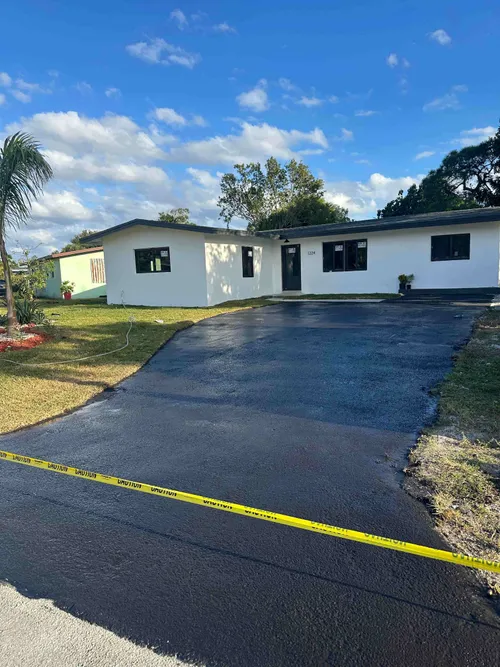
JS Sealers is a parking lot sealcoating company based in Fort Lauderdale, FL. They offer services including concrete staining, paver sealing, and asphalt sealing to protect and enhance driveways. Their sealing work helps prevent damage from weather, wear, and stains, extending the lifespan of various driveway surfaces. JS Sealers provides solutions that improve durability and appearance for residential and commercial properties.
Florida Coast Paving
West Palm Beach, FL
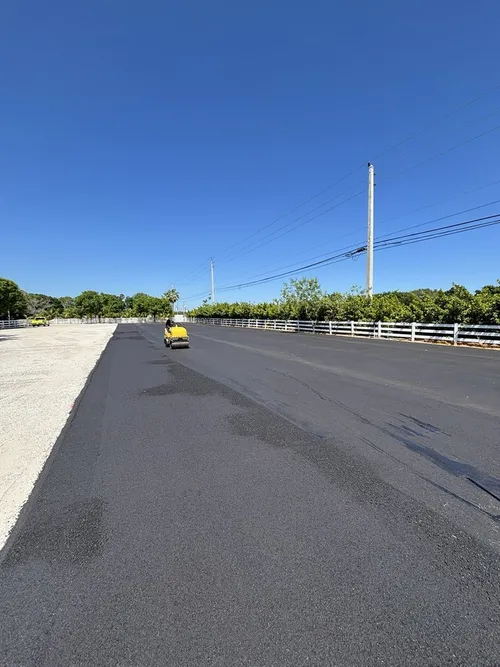
Florida Coast Paving is a full-service paving contractor based in West Palm Beach, FL, serving residential, commercial, and municipal clients throughout Palm Beach County. With over 25 years of experience, they specialize in asphalt paving, driveway installation, parking lot repair, and line striping. Their capabilities include asphalt milling, resurfacing, sealing, and comprehensive site preparation using advanced equipment and techniques. Florida Coast Paving is known for delivering durable and precise paving solutions tailored to various project sizes and needs.
Tropical Asphalt Sealcoating
10310 NW 11th Ct, Plantation, FL 33322
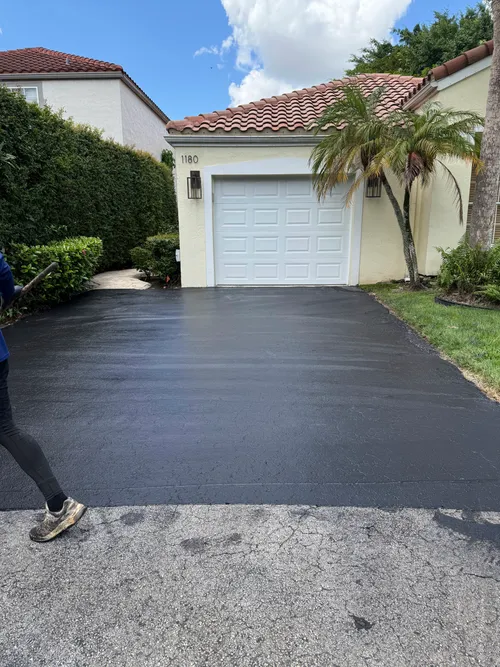
Tropical Asphalt Sealcoating is a parking lot sealcoating, paving, and repair company based in Hollywood, FL. They provide a full range of asphalt services including paving, repair, and maintenance using high-quality materials and equipment. The company is family-owned and has over 25 years of experience in the asphalt industry.
DMI Paving and Sealcoating
1100 NW 73rd St, Miami, FL 33150
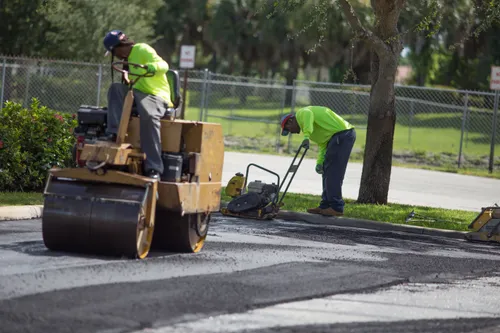
DMI Paving and Sealcoating is a parking lot sealcoating and paving contractor based in Miami, FL. The company specializes in commercial and government projects, focusing on parking lot maintenance and paving services. They do not provide services for residential properties.
Why Sealcoating is Critical in South Florida's Climate
The asphalt pavement on commercial lots, driveways, and community roads in Coral Springs faces a relentless environmental assault. The primary threats come from intense ultraviolet (UV) radiation and the area's high humidity combined with frequent, heavy rain. UV rays break down the asphalt binder-the "glue" that holds the pavement together-causing it to become brittle, fade to a dull gray, and develop fine cracks known as "alligator cracking" 1. Meanwhile, humidity can interfere with the curing process of sealants, and rain can wash away a freshly applied coat if it hasn't had time to properly set, leading to a complete and costly re-application 2.
Without the protective barrier of a sealcoat, water seeps into these micro-cracks. During temperature changes, the water expands and contracts, widening the cracks and leading to potholes, base erosion, and ultimately, premature pavement failure. Sealcoating acts as a waterproof shield, filling small surface voids and creating a flexible, resistant layer that reflects UV rays and repels water, oil, and chemical spills.
Determining the Right Sealcoating Schedule for Your Property
A one-size-fits-all schedule doesn't work for asphalt protection. The frequency for resealing depends heavily on traffic levels, existing pavement condition, and exposure to elements.
- Standard Commercial Lots: For typical retail plazas or office parks in Coral Springs, professional sealcoating is generally recommended every 2 to 3 years.
- High-Traffic Areas: Properties like shopping centers, school drop-off zones, warehouse loading docks, or multi-family apartment complexes experience more vehicle turning, braking, and potential fluid spills. These high-use areas may require a fresh sealcoat as often as every 18 to 24 months to maintain adequate protection 3 4.
- Low-Traffic or Residential Lots: Private drives or lightly used lots with good drainage may extend to a 3-4 year cycle, but should still be inspected annually.
The most reliable method is to have a pavement professional conduct an annual inspection. They can assess the asphalt's color (fading indicates binder degradation), the presence of oxidation, and the condition of the existing sealcoat to recommend a precise, cost-effective timing.
The Optimal Season for Sealcoating in Coral Springs
Timing your asphalt sealing project correctly is as important as the work itself. The local climate dictates a clear ideal window.
The best time for sealcoating in Coral Springs is during the drier months, from October through May 5. This period typically offers lower humidity and a reduced chance of the afternoon thunderstorms common in the summer wet season. Successful application requires specific conditions:
- Temperature: Ambient and pavement temperatures should be between 55°F and 90°F for proper application and curing.
- Dry Weather: Forecasts must predict no rain for at least 24 to 48 hours after application. Humidity can slow the drying process, sometimes extending full cure times to 72 hours.
- Surface Dryness: The asphalt must be completely dry before the sealant is applied. Morning dew can delay project start times.
Scheduling during this optimal season ensures the sealant cures correctly, achieves maximum durability, and provides the longest-lasting protection for your investment.
Find the perfect parking lot sealcoating companies for your needs
Get personalized recommendations and expert advice
The Sealcoating Process: More Than Just Spraying On a Coating
A long-lasting, high-quality sealcoat job is 80% preparation and 20% application. Reputable contractors follow a meticulous multi-step process to ensure the new coating adheres properly and performs as intended.
- Thorough Cleaning: The entire pavement area must be free of dirt, dust, leaves, and debris. This is typically done with industrial sweepers, followed by detailed cleaning with wire brushes and blowers along curbs, cracks, and corners 6.
- Oil Spot and Stain Priming: Gasoline, oil, and transmission fluid drips break down asphalt. If these stains are not properly treated, the sealcoat will not bond to the surface and will quickly peel away. Professionals apply a specialized primer or conditioner to these spots to ensure adhesion 7 8.
- Crack Filling and Pothole Repair: Sealcoating is a protective treatment, not a structural fix. All existing cracks should be cleaned and filled with a hot rubberized crack filler, and any potholes must be repaired with fresh asphalt. Sealing over unrepaired damage traps moisture underneath, accelerating deterioration.
- Edging and Vegetation Control: Grass and weeds growing over pavement edges are trimmed back. This allows for clean application lines and prevents organic matter from being sealed into the pavement surface.
- Application: The sealant-a mixture of refined coal tar or asphalt emulsions, water, silica sand, and additives-is applied using spray systems or squeegees to ensure an even, consistent thickness.
- Drying and Curing: The lot must be closed to all traffic, including foot traffic, for a minimum of 24 hours. Vehicle traffic should be kept off for a full 48 hours to allow the coating to fully cure and harden 9. Avoid sharp tire turns (dry steering) on the new surface for up to 30 days 9.
The Essential Follow-Up: Pavement Striping
A freshly sealcoated parking lot will have all its old pavement markings covered. Re-striping is a critical final step that should be planned as part of the overall project. Striping is typically done 24 to 48 hours after sealcoating, once the new surface is dry and cured enough to walk on without leaving marks 10 11.
Clear, bright pavement markings are not just about aesthetics; they are crucial for safety, traffic flow, and ADA compliance. They guide drivers, designate fire lanes, highlight crosswalks, and outline accessible parking spaces. Even if you are not resealing, parking lot lines should be repainted every 18 to 24 months to maintain visibility and safety 12.
Understanding Sealcoating Costs in Coral Springs
Sealcoating is typically priced by the square foot, with the per-foot cost often decreasing as the total project size increases due to efficiencies of scale. However, the final quote depends on several factors specific to your property 13.
- Size of the Area: Small driveways or lots may range from $0.10 to $0.20 per square foot, while large commercial projects become more cost-effective per unit but have a higher total cost 14.
- Condition and Preparation Needs: Lots with numerous oil stains, extensive cracking, or vegetation overgrowth will require more labor-intensive prep work, increasing the price.
- Site Complexity: Lots with many light poles, landscaped islands, tight corners, or the need for complex traffic control during curing add to the project's complexity and cost.
- Overall Value: As a reference point, a 50,000-square-foot commercial lot might see costs between $4,000 and $7,500 for a comprehensive sealcoating service 15. It's important to view this as a protective investment. Neglecting sealcoating can lead to water intrusion and base damage, resulting in asphalt repairs or full-depth replacement projects that can easily exceed $15,000 15.
When evaluating quotes, ensure they are detailed and include all necessary preparation steps (cleaning, oil spot priming, crack filling) and specify the type of sealant to be used.
Frequently asked questions
Sources
Footnotes
-
Asphalt Sealcoating: Florida Protection from Heat & Rain - https://www.plsofflorida.com/asphalt-sealcoating-florida-protection-from-heat-rain/ ↩
-
How Often Should a Parking Lot Be Sealcoated? 510-723-0280 - https://americanasphalt.com/how-often-should-a-parking-lot-be-sealcoated/ ↩
-
How Often Should You Sealcoat Your Commercial Parking Lot - https://thepavementgroup.com/commercial-parking-lot-sealcoat/ ↩
-
How Often Should HOAs and Apartment Complexes Reseal Their ... - https://allamericanasphaltpaving.com/blog/how-often-should-hoas-reseal-their-asphalt-roads-in-floridas-climate/ ↩
-
How Often Should You Seal Coat Asphalt? - Elcor Construction - https://elcorconstruction.com/how-often-should-you-seal-coat-asphalt/ ↩
-
Asphalt Sealcoating: The Step-by-Step Process - https://www.youtube.com/watch?v=cPEXNTJQnkw ↩
-
How To Sealcoat A Parking Lot (Start To Finish) - https://www.youtube.com/watch?v=bRFh7Ehm7go ↩
-
Tips for Preparing Your Driveway for Sealcoating - NAC Supply - https://nacsupply.com/blogs/asphalt-advisor-blog/tips-for-preparing-your-driveway-for-sealcoating ↩
-
Did You Know? It's a rainy Thursday-but while the weather's got us on pause, here are some helpful Sealcoating Facts to make your driveway last longer and look better: 1. Stay Off It! Keep foot traffic off for 24 hours and vehicles off for 48 hours to let the sealer fully cure. 2. Sprinklers = Sealcoat Killer Turn off all sprinklers for 48 hours after sealing to avoid water spots and sealer washout. 3. Easy on the Wheel! Avoid sharp tire turns and dry steering for 30 days-especially with power steering. It can twist and lift the sealer. 4. It's Not Paint Sealcoating is a protective layer-not a filler. It doesn't cover up deep cracks or holes-it protects the surface underneath. 5. Curb Appeal Boost Fresh sealcoating makes your property look newer and cleaner, instantly boosting your curb appeal. 6. Save Big Long-Term Routine sealing helps avoid costly asphalt replacement and extends the life of your driveway or parking lot by years. 7. Timing is Everything The best time to sealcoat is when temps are between 55-90°F and dry weather is expected for at least 24-48 hours. 8. You Can Seal Too Soon New asphalt should cure for 6-12 months before sealcoating. Sealing too - https://www.facebook.com/Hughesandsonspropertymaintenance/videos/did-you-knowits-a-rainy-thursdaybut-while-the-weathers-got-us-on-pause-here-are-/879887097654911/ ↩ ↩2
-
How Long Driveway Sealer Takes To Dry - Riley's Asphalt - https://rileyasphalt.com/blog/how-long-driveway-sealer-takes-to-dry/ ↩
-
Sealcoating Guide for Your Florida Parking Lot | PLS - https://www.plsofflorida.com/florida-parking-lot-sealcoating-guide/ ↩
-
How often should a parking lot be restriped? - Seton - https://www.seton.com/when-to-restripe-a-parking-lot ↩
-
Cost Factors For Asphalt Sealcoating - https://affordablestriping.com/ahd_faq/cost-factors-asphalt-sealcoating/ ↩
-
What Factors Influence the Price of Asphalt Sealcoating? - https://www.greatsealcoating.com/what-factors-influence-the-price-of-asphalt-sealcoating ↩
-
Sealcoating Weather Guide: Central Florida - https://www.floridasealcoating.com/blog/2026/sealcoating-weather-guide-for-central-florida.html ↩ ↩2