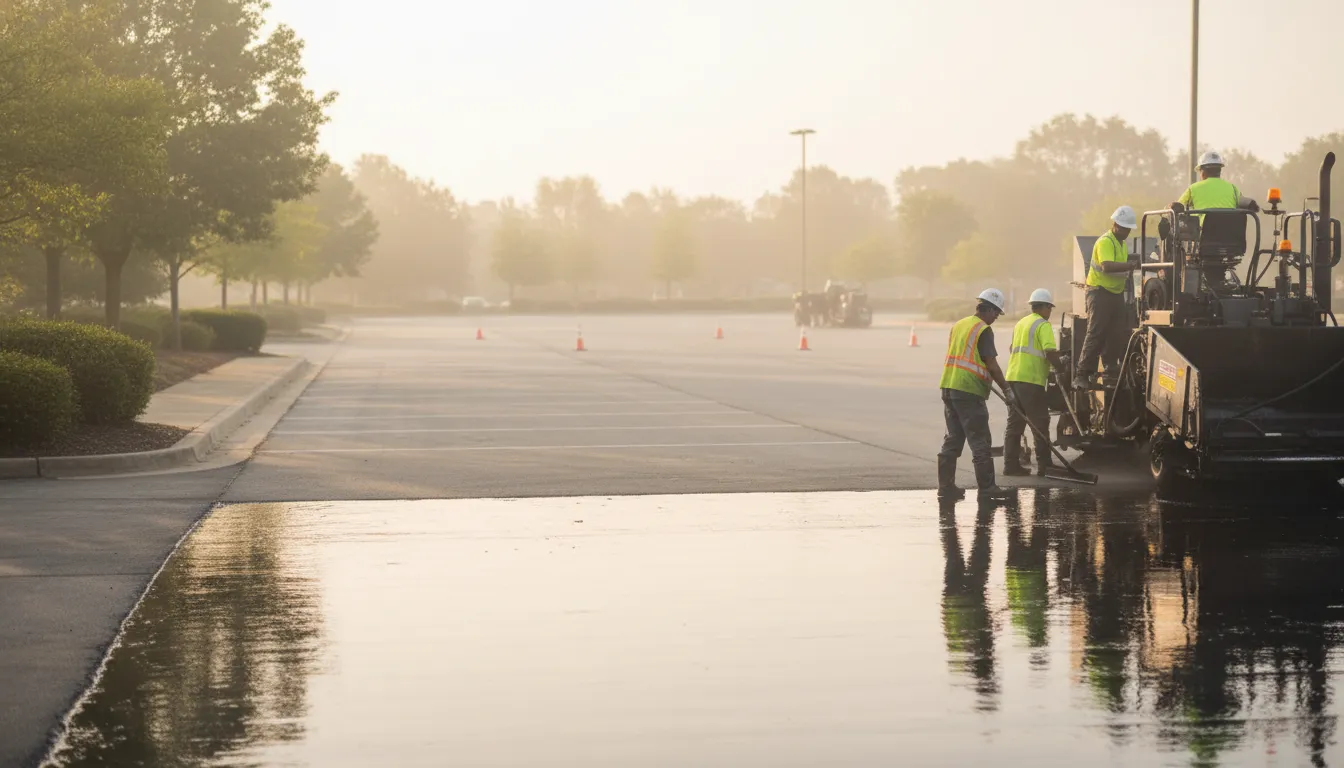
Find the Best Parking Lot Sealcoating Companies for Your Business
No obligation • Fast responses • Nationwide coverage

Why you can trust Tidy Parking
Tidy Parking is a leading U.S. source for parking lot maintenance services, including striping, sealcoating, sweeping, paving, resurfacing, and repairs. Our content is created independently, and providers cannot pay to influence ratings or recommendations.
Search providers near you
Top Parking Lot Sealcoating Companies in Middletown, Connecticut Ranked
Parking lot sealcoating is a vital protective maintenance service for property owners and managers across Connecticut. Applying a fresh coat of specialized sealer shields your asphalt investment from the state's harsh winters, damaging UV rays, gasoline, oil, and road salt. This guide explains the unique considerations for sealcoating in Connecticut, from timing and regulations to preparation and costs, helping you make informed decisions to protect your pavement and connect with qualified local professionals.
Blacktop Rangers LLC
48 Silas Deane Hwy # 3, Wethersfield, CT 06109
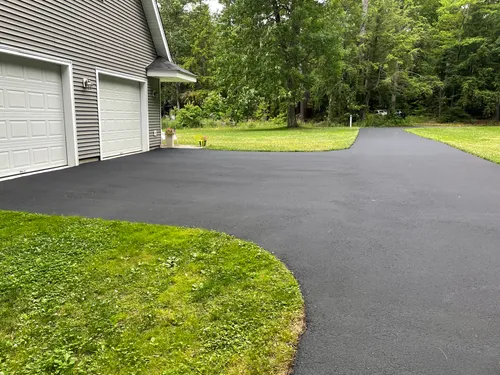
Blacktop Rangers LLC is a parking lot sealcoating company based in Hartford, CT. They provide residential and commercial asphalt maintenance services, focusing on sealcoating to protect pavement from damage caused by sunlight and water exposure. Their service includes a detailed, customized plan for each project to ensure long-lasting results. The company is family owned and operated, emphasizing professionalism and attention to detail.
Arnold's Masonry And Construction LLC
40 Wooster Ave, Waterbury, CT 06708
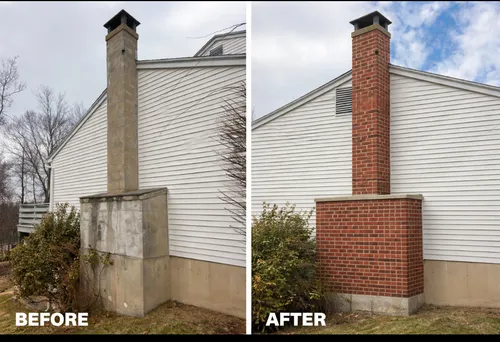
Arnold's Masonry And Construction LLC is a masonry and construction company based in Waterbury, CT. Since 1973, they have provided a range of services including masonry construction, repairs, restorations, asphalt paving, and parking lot sealcoating for both residential and commercial properties. Their skilled team handles projects of various sizes, focusing on quality craftsmanship and using premium materials to ensure lasting results. They also offer home improvement services such as kitchen and bathroom remodeling, flooring installation, and painting.
CDS Asphalt Services
44 Glendale Rd, South Windsor, CT 06074
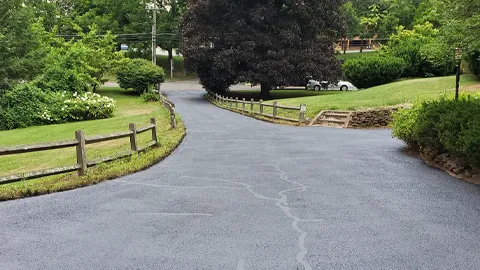
CDS Asphalt Services is a parking lot striping, sealcoating, and repair company based in Hartford, CT. They provide services for both commercial and residential projects, including seal coating, crack filling, line striping, and catch basin maintenance. With over 20 years of experience, CDS Asphalt Services is fully insured and equipped to handle projects of various sizes.
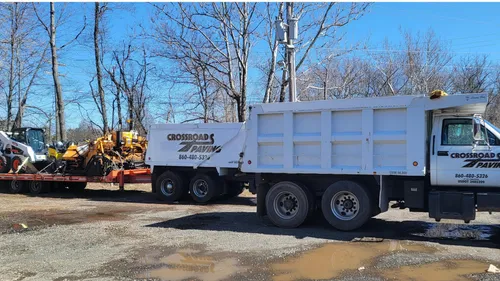
Crossroads Paving CT | Driveway Paving - Commercial Paving - Driveway Sealing
679 Main St, Plymouth, CT 06782
Crossroads Paving CT | Driveway Paving - Commercial Paving - Driveway Sealing is a paving contractor based in Waterbury, CT. They offer a range of services including driveway paving, commercial paving, asphalt repair, sealcoating, and concrete installation. The company has expertise in handling both residential and commercial projects, using modern equipment and quality materials to ensure durable results. With three generations of asphalt contractors behind them, Crossroads Paving CT has over 30 years of experience in the industry. The owner is actively involved on every job site, ensuring attention to detail and quality workmanship.
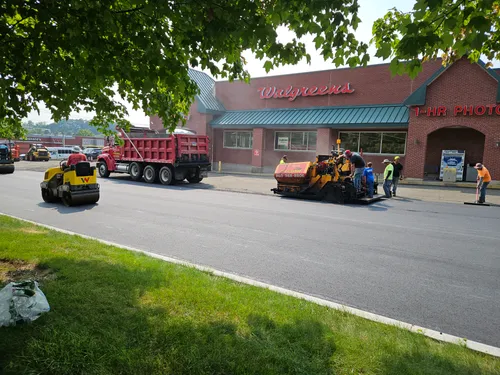
Paving by Custom Construction
309 rear E Center St, Manchester, CT 06040
Paving by Custom Construction is a paving contractor based in Hartford, CT, with 22 years of experience. They offer a variety of services including asphalt paving, parking lot striping, sealcoating, parking lot repair, concrete work, drainage solutions, and stone work. The company provides warranties on complete paving projects and focuses on meeting client goals for cost, schedule, and quality.
Why Sealcoating is Essential in Connecticut
Connecticut's climate poses significant challenges for asphalt pavement. The freeze-thaw cycles common in New England winters are particularly destructive. Water seeps into tiny cracks, freezes and expands, then thaws, repeatedly stressing the asphalt. This process rapidly turns small cracks into large ones and eventually leads to potholes. Road salt, used extensively on Connecticut roads, accelerates this deterioration by chemically breaking down the asphalt binder and promoting water infiltration.
A properly applied sealcoat acts as a waterproof barrier, blocking moisture and de-icing chemicals from penetrating the asphalt surface. It also restores the rich black color by protecting against oxidation from the sun and resists damage from gasoline and oil spills. For commercial properties, a well-maintained lot projects professionalism and reduces liability risks from trip hazards. Adhering to a regular sealcoating schedule is the most cost-effective way to extend the lifespan of your pavement and avoid far more expensive repairs or full-depth replacement1 2.
Understanding Connecticut's Sealcoating Regulations
A critical regulation for any sealcoating project in Connecticut is the restriction on coal-tar-based sealants. The state has passed legislation banning coal-tar sealants for use on state and local roads3. While this ban specifically applies to public roadways, it reflects a broader environmental and health concern, as coal-tar sealants are a source of polycyclic aromatic hydrocarbons (PAHs), which can run off into waterways. Consequently, most professional contractors in Connecticut now exclusively use asphalt-based emulsion sealants, which are the required and recommended alternative4.
When reviewing specifications or quotes, you'll typically see requirements for a two-coat application of asphalt-based sealer. These specifications often call for the sealer to contain sand (typically at least 2 pounds per gallon) for added traction and durability, as well as latex additives to improve flexibility and wear resistance. Using a contractor familiar with these local material standards ensures a compliant, high-quality, and long-lasting result.
The Ideal Sealcoating Schedule for Connecticut Lots
The frequency of sealcoating depends on the age of your asphalt and the amount of traffic it bears. A general rule for Connecticut properties is to sealcoat every 2 to 3 years as part of a proactive maintenance cycle 5.
- New Asphalt: Wait 12 to 18 months after a new asphalt installation before the first sealcoat. This allows time for the oils in the fresh asphalt to fully cure and volatilize. Sealing too early can trap these oils and prevent proper curing 6.
- High-Traffic Commercial Lots: Shopping centers, restaurants, and industrial facilities with constant vehicle flow should consider sealcoating every 1 to 2 years 7.
- Moderate or Low-Traffic Lots: Office parks, churches, or condominium complexes may adequately maintain their pavement with sealcoating every 2 to 3 years.
An annual spring inspection is recommended to identify cracks and damage from winter, allowing for repairs before the sealcoating season begins.
Best Time of Year for Sealcoating in Connecticut
Timing is everything for a successful sealcoating application. The ideal window in Connecticut runs from late spring through early fall, typically May to September. September is often cited as an optimal month due to its generally stable, warm daytime temperatures and cooler nights.
Contractors follow the "50/50/50 rule" for application conditions:
- Air Temperature: Must be at least 50°F and rising.
- Pavement Temperature: Should also be at least 50°F.
- Humidity: Ideally 50% or lower.
- Forecast: No rain predicted for at least 24 hours, and overnight lows should stay above 50°F for 48 hours after application8 9.
Applying sealant outside these parameters risks failure. Temperatures below 50°F prevent proper curing, leading to a soft, tacky, or peeling coat. Conversely, extreme heat above 95°F can cause the sealant to "bake" and cure too quickly, resulting in a brittle finish10 11. The primary goal is to complete sealcoating well before the first winter freeze to ensure your lot is protected against the season's harsh elements.
Find the perfect parking lot sealcoating companies for your needs
Get personalized recommendations and expert advice
Comprehensive Preparation: The Key to Longevity
A sealcoat is only as good as the surface it adheres to. Proper preparation is non-negotiable and typically involves several key steps performed by professional crews:
- Thorough Cleaning: The entire lot must be free of dirt, debris, leaves, and gravel. This is achieved with power brooms, blowers, and often power washing. Any oil stains must be meticulously cleaned and treated with a degreaser or primer; otherwise, the sealant will not bond to those spots 12.
- Crack Sealing: All cracks 1/4-inch or wider should be filled. In Connecticut, this is often done with a hot-poured rubberized crack filler, which remains flexible through temperature changes. Crack filling is a separate, critical repair step that should be completed before sealcoating13 14.
- Edge Work and Detail Cleaning: Joints where the asphalt meets concrete curbs, sidewalks, or building foundations need to be cleaned out. Catch basins and drainage areas should also be cleared to ensure proper water runoff15 16.
- Drying Time: The surface must be 100% dry before application begins. A professional contractor will assess this carefully, as sealing over damp pavement traps moisture and leads to blistering and peeling.
Understanding Costs for Connecticut Projects
The cost of professional parking lot sealcoating in Connecticut generally ranges from $0.17 to $0.30 per square foot for a standard two-coat application17. Several factors influence the final price:
- Lot Size & Condition: Larger lots often have a lower cost per square foot due to economies of scale. Lots requiring extensive cleaning, many repairs, or oil-spot priming will cost more.
- Traffic Patterns: High-traffic areas like retail or restaurant lots may command a higher price due to the need for higher-grade, more durable materials and potentially more complex logistics.
- Material Specifications: Sealers with higher sand content or premium latex additives may increase material costs.
- Location & Accessibility: Sites with difficult access or that require extensive mobilization may see higher costs.
Example Estimate: A standard 50,000 square foot commercial lot could cost approximately $8,500 to $15,000 for professional sealcoating, depending on the factors above18 19. Do-it-yourself (DIY) material costs are significantly lower, roughly $0.04 to $0.08 per square foot, but this does not include equipment rental, your labor, or the expertise needed for proper preparation and application20. For most property managers, the warranty, quality, and efficiency of a professional service provide greater long-term value.
Maintaining Your Investment After Sealcoating
Once your lot is sealed, proper care will maximize the lifespan of the coating. Allow a minimum of 24 to 48 hours for the sealant to cure before allowing vehicle traffic. Avoid turning vehicle wheels while stationary on the fresh sealcoat for the first few days, as this can scuff the surface. Continue regular sweeping to remove abrasive debris and clean oil spills promptly. A proactive, ongoing maintenance plan that includes annual inspections, crack sealing, and timely re-sealing will protect your pavement asset for years to come.
Frequently asked questions
Sources
Footnotes
-
Sealcoat Commercial Parking Lot: How Often? - Arrow Paving - https://arrowpavinginc.com/blog/how-often-sealcoat-commercial-parking-lot/ ↩
-
Parking Lot Maintenance | All Star paving CT - https://www.allstarpaving.com/parking-lot-maintenance/ ↩
-
No coal-tar pavement sealants in Connecticut (for the most part) - https://clear.uconn.edu/2019/11/01/no-coal-tar-pavement-sealants-in-connecticut-for-the-most-part/ ↩
-
Driveway Sealant - CT.gov - https://portal.ct.gov/dph/environmental-health/environmental-and-occupational-health-assessment/driveway-sealant ↩
-
Sealcoating CT | 60+ Years Proven Results | Arrow Paving Inc. - https://arrowpavinginc.com/sealcoating/ ↩
-
How Often Should You Seal Coat Asphalt? - Elcor Construction - https://elcorconstruction.com/how-often-should-you-seal-coat-asphalt/ ↩
-
How Often Should a Business Sealcoat Its Parking Lot? - https://www.greatsealcoating.com/how-often-should-a-business-sealcoat-its-parking-lot ↩
-
Is It Too Cold to Sealcoat My Parking Lot? - PaveConnect - https://paveconnect.com/blog/is-it-too-cold-to-sealcoat-my-parking-lot/ ↩
-
Best Weather Conditions for Sealcoating - D.B.Krieg, Inc. - https://dbkrieginc.com/blog/best-temperature-weather-for-sealcoating/ ↩
-
Sealcoat Parking Lots: What is the Best Temperature ... - ACPLM - https://acplm.net/sealcoat-parking-lots/ ↩
-
Sealcoat Before Winter | Protect Your Asphalt in CT - https://www.5starasphalt.com/blog/sealcoat-before-winter ↩
-
Asphalt Sealcoating for Busy Parking Lots - https://asphaltinc.com/asphalt-sealcoating-for-busy-parking-lots/ ↩
-
Why Fall Is The Best Time For Crack Filler Services - https://eastcoatpavement.com/fall-best-time-crack-filler-services/ ↩
-
How to Prepare Your Parking Lot for Sealcoating - https://www.maintainitall.com/how-to-prepare-your-parking-lot-for-sealcoating ↩
-
PDS Parking Lot Repair and Sealcoat Specifications - https://www.pdskc.org/Portals/pdskc/Documents/general_pdf/PDS%20Parking%20Lot%20Repair%20and%20Seal%20Specifications4.pdf ↩
-
A Guide for Parking Lots and Sidewalks - https://www.cti.uconn.edu/images/cti/documents/T2Center/winter/CT_GSP_for_Parking_Lots_and_Sidewalks_BMP_2023.pdf ↩
-
Sealcoating a Parking Lot: When, Why & How Much - https://strikeforcestriping.com/sealcoating-parking-lot-guide ↩
-
How Often Should You Seal Coat Asphalt? - Elcor Construction - https://elcorconstruction.com/how-often-should-you-seal-coat-asphalt/ ↩
-
Sealcoat Commercial Parking Lot: How Often? - Arrow Paving - https://arrowpavinginc.com/blog/how-often-sealcoat-commercial-parking-lot/ ↩
-
Asphalt Seal Coat Guide for Parking Spaces - https://info.asphaltkingdom.com/asphalt-parking-lot-seal-coat ↩