Find the Best Parking Lot Sealcoating Companies for Your Business
No obligation • Fast responses • Nationwide coverage

Why you can trust Tidy Parking
Tidy Parking is a leading U.S. source for parking lot maintenance services, including striping, sealcoating, sweeping, paving, resurfacing, and repairs. Our content is created independently, and providers cannot pay to influence ratings or recommendations.
Search providers near you
Best Parking Lot Sealcoating Companies in Colorado Ranked
Applying a protective sealcoat is one of the most important maintenance steps for any asphalt surface in Colorado. This process involves coating the pavement with a specialized liquid layer that shields it from the state's intense UV rays, harsh freeze-thaw cycles, and damaging chemicals like road salt and gasoline. A properly applied sealant preserves the asphalt's flexibility, prevents water infiltration, and restores a deep black finish, extending the life of your investment. This guide explains the critical considerations for sealcoating in Colorado's unique climate and helps you understand what to look for in a professional service provider.
Primetime Paving Co
Colorado Springs, CO
Primetime Paving Co is an asphalt contractor based in Colorado Springs, CO, offering a wide range of services including asphalt paving, patching, striping, sealcoating, and driveway installation. The company serves both residential and commercial clients, focusing on durable and visually appealing asphalt surfaces. They use premium asphalt blends and modern equipment operated by experienced professionals to ensure quality and longevity. With decades of experience, Primetime Paving Co delivers customized asphalt solutions tailored to client needs, emphasizing cost-effective and long-lasting results.
W. Holmes Asphalt & Seal Coating
Denver, CO
W. Holmes Asphalt & Seal Coating is a family-owned asphalt and paving company serving Denver, CO, and surrounding communities. Since 2008, they have provided residential, commercial, and industrial customers with services including seal coating, crack filling, pothole repair, overlaying, and new driveway and parking lot installation. Their team uses modern equipment and quality materials to ensure durable results. The company is fully insured and works closely with customers to handle projects of various sizes.
Pro Asphalt
1531 N Union Blvd, Colorado Springs, CO 80909
Pro Asphalt is a family-owned asphalt paving company serving Colorado Springs, CO. With over 20 years of experience, they provide commercial and residential asphalt paving, sealcoating, striping, patching, and crack filling services. Their team is fully licensed and insured, offering a two-year warranty on all paving projects. Pro Asphalt focuses on durable, long-lasting solutions for parking lots, driveways, and walkways, ensuring both functionality and appearance are enhanced.
Stellar Striping and Sealcoating
Denver, CO
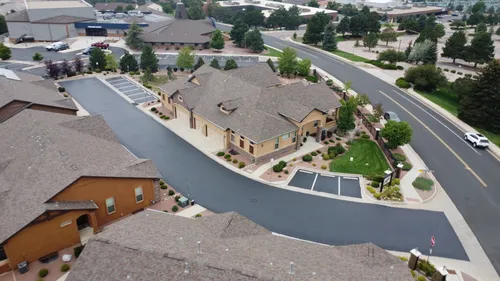
Stellar Striping and Sealcoating offers parking lot maintenance and pavement solutions in Denver, CO. They provide residential and commercial services including asphalt repair, sealcoating, crack filling, and pavement marking. Their team uses industrial-grade equipment and high-quality products to maintain and enhance property surfaces. The company also offers concrete services such as driveways, sidewalks, stamped concrete, and retaining walls. Founded by Jack Jungers, Stellar Striping and Sealcoating emphasizes long-lasting pavement solutions to improve both appearance and safety. They provide 24/7 team support for their clients.
Seals & Stripes
Beacon Lite Rd, Monument, CO 80132
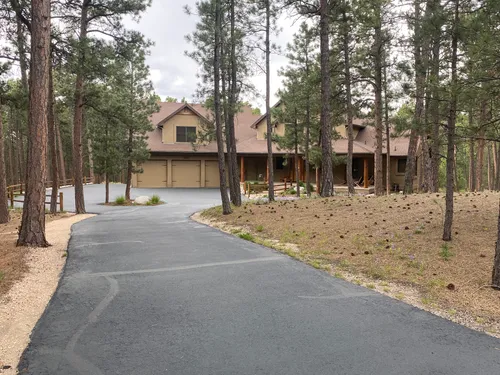
Seals & Stripes is a full-service paving and seal coating company based in Colorado Springs, CO. They handle both commercial and residential projects, offering services such as seal coating, paving, striping, crack filling, and asphalt patch or pothole repair. Their team works on a wide range of properties including office buildings, apartment complexes, schools, and driveways. Seals & Stripes emphasizes proper application techniques to protect paved surfaces from damage and maintain their appearance.
Why Sealcoating is Essential in Colorado
Colorado's climate presents a triple threat to asphalt pavement: intense sun, dramatic temperature swings, and severe winter weather. The high-altitude sun accelerates the oxidation process, causing asphalt to become brittle, fade to gray, and develop small surface cracks 1. Water from snowmelt and rain then seeps into these cracks. During Colorado's notorious freeze-thaw cycles, this water expands as it freezes, widening cracks and breaking apart the asphalt binder from the inside 2. Finally, chemicals from de-icing agents and vehicle fluids can break down the asphalt's binding oils. Sealcoating acts as a sacrificial barrier against all these elements, significantly slowing deterioration and preventing costly repairs or premature replacement.
The Optimal Time for Sealcoating in Colorado
Timing is everything for a successful sealcoat application in Colorado. The ideal window is narrow and depends heavily on consistent weather conditions.
- Best Seasons: The prime time is late spring through early summer (typically May to June). Days are long, dry, and warm, while nighttime temperatures reliably stay above the critical minimum. Early fall (September to early October) can also be suitable, but you must account for the risk of an early frost 3.
- Critical Temperature Rules: Sealant requires specific conditions to cure properly. Both the air temperature and pavement surface temperature must be at least 50°F and rising at the time of application. More importantly, temperatures must remain above 50°F for a full 24 to 48 hours after application to allow the sealant to harden and bond 4 5. Applying sealcoat when temperatures are falling or near the threshold risks improper curing, leading to a soft, tacky finish or complete failure.
- Weather Precautions: The sealcoat needs a dry period to set. Plan for at least 24-48 hours with no rain or moisture in the forecast. This also means turning off any lawn irrigation sprinklers that might overspray the area 6.
How Often Should You Sealcoat in Colorado?
The recommended frequency depends on the type of traffic and usage the asphalt surface endures.
- Commercial Parking Lots: Due to constant vehicle traffic, exposure to oil and fuel drips, and the wear from snowplows, commercial lots in Colorado should typically be sealcoated every 1 to 2 years. An annual inspection each spring is wise to assess its condition.
- Residential Driveways: With lighter traffic, a residential driveway can often go 2 to 3 years between sealcoating applications 7. However, this should be confirmed with a visual inspection for fading and small cracks.
- New Asphalt: Fresh asphalt needs time to cure and release its natural oils. You should wait 6 to 12 months after installation before applying the first sealcoat 8.
- Annual Inspection: Regardless of schedule, inspect your pavement each spring. Look for signs of oxidation (the asphalt turning a light gray color), a rough or sandy texture, and the formation of small spider-web cracks. These are all indicators that it's time for a new protective coat 9.
Proper Preparation: The Key to Lasting Results
A sealcoat is only as good as the surface it adheres to. Professional preparation is non-negotiable for a durable finish.
- Thorough Cleaning: The entire surface must be free of dirt, dust, leaves, and debris. Professionals typically use mechanical blowers, power brooms, or pressure washers to achieve a clean slate 10 11.
- Oil Spot Treatment: Oil and grease stains create a barrier that prevents sealant from bonding. These areas must be cleaned with a degreaser and then treated with a specialized primer or "tack coat" to ensure proper adhesion 12.
- Crack Filling: This is a critical step in Colorado. Any crack wider than 1/4 inch should be filled with a hot-poured rubberized crack filler before sealcoating 13. This prevents water from penetrating the asphalt base, which is the primary cause of damage during freeze-thaw cycles.
- Weed Removal: Any vegetation growing in cracks must be completely removed, including the roots.
Find the perfect parking lot sealcoating companies for your needs
Get personalized recommendations and expert advice
The Sealcoating Process: Materials and Methods
Understanding the materials and methods used by professionals can help you evaluate the quality of the service you receive.
- Sealant Types: The two traditional materials are asphalt-based emulsion and refined coal tar emulsion. In recent years, high-quality asphalt emulsions have become the preferred choice for many contractors due to environmental regulations and performance advancements 14. These modern sealants are effective, durable, and more environmentally friendly.
- Additives for Durability: It is common practice to add fine silica sand to the sealant mixture. Adding 200-500 pounds of sand per 100 gallons of sealant improves traction (skid resistance) and adds a layer of abrasion resistance to the finished coat, making it more durable against tire traffic.
- Application Technique: Professionals typically apply sealcoat using either a specialized spray system or a squeegee. The best practice is to apply two thin coats rather than one thick coat. Thin coats dry and cure more evenly, resulting in a harder, longer-lasting finish that is less prone to peeling or wearing unevenly 15 16.
- Curing and Dry Time: While the surface may be dry to the touch in a few hours, it needs significant time to fully cure before bearing traffic. A minimum of 8 hours is required, but 24 to 48 hours is ideal before allowing vehicles back on the surface. This ensures the sealant has fully hardened and won't be damaged by tires 17.
Understanding the Costs of Sealcoating in Colorado
The cost of professional sealcoating in Colorado is typically calculated by the square foot. On average, you can expect to pay between $0.25 and $0.45 per square foot for the sealcoating service itself 18 19. Several key factors can influence the final price:
- Surface Condition: A lot requiring extensive crack filling, patching, or oil spot treatment will cost more due to the additional labor and materials.
- Preparation Level: The amount of cleaning needed (e.g., removing heavy debris or stained areas) impacts the price.
- Material Quality: Higher-grade sealants with premium additives may come at a higher cost but often provide better longevity.
- Job Size and Complexity: Smaller areas may have a higher minimum charge, while large, simple lots may benefit from a lower per-square-foot rate. Obstacles like light poles, curbs, and landscaping also add time to the job.
Investing in regular sealcoating is a proactive maintenance strategy that protects the much larger investment in your asphalt pavement. By understanding the local climate demands, proper timing, and quality standards, you can make an informed decision to keep your Colorado pavement in excellent condition for years to come.
Frequently asked questions
Sources
Footnotes
-
Asphalt Maintenance in Denver: How Often Is It Needed? - https://www.abcasphaltco.com/how-often-should-asphalt-maintenance-be-done-in-denvers-climate/ ↩
-
Seal Coating Asphalt in Cold Weather: Colorado Guide - https://sealcoatandasphalt.com/seal-coating-asphalt-in-cold-weather-colorado-guide/ ↩
-
Seal Coat Your Asphalt: Best Time Before Colorado Winter - https://sealcoatandasphalt.com/seal-coat-your-asphalt-best-time-before-colorado-winter/ ↩
-
Seal Coating Asphalt in Cold Weather: Colorado Guide - https://sealcoatandasphalt.com/seal-coating-asphalt-in-cold-weather-colorado-guide/ ↩
-
Is It Too Cold to Sealcoat My Parking Lot? - PaveConnect - https://paveconnect.com/blog/is-it-too-cold-to-sealcoat-my-parking-lot/ ↩
-
Best Weather Conditions for Sealcoating - D.B.Krieg, Inc. - https://dbkrieginc.com/blog/best-temperature-weather-for-sealcoating/ ↩
-
How Often Should I Seal My Asphalt Driveway in Colorado? - https://asphaltdoctors.net/how-often-should-i-seal-my-asphalt-driveway-in-colorado/ ↩
-
How Often Should You Seal Coat Asphalt? - Elcor Construction - https://elcorconstruction.com/how-often-should-you-seal-coat-asphalt/ ↩
-
How Often Should You Sealcoat Your Asphalt? - https://asphaltcoatingscompany.com/blog/how-often-should-you-sealcoat-your-asphalt/ ↩
-
Spring Parking Lot Maintenance Guide: Sealcoating, Crack ... - https://www.martinsonservices.com/spring-parking-lot-maintenance/ ↩
-
Sealcoat Application Guidelines - NEAL Manufacturing - https://nealequip.com/sealcoat-application/ ↩
-
How To Sealcoat A Parking Lot (Start To Finish) - https://www.youtube.com/watch?v=bRFh7Ehm7go ↩
-
How Often Should I Seal My Asphalt Driveway in Colorado? - https://asphaltdoctors.net/how-often-should-i-seal-my-asphalt-driveway-in-colorado/ ↩
-
Bill banning certain driveway, pavement sealants to take effect this July - https://www.newsfromthestates.com/article/bill-banning-certain-driveway-pavement-sealants-take-effect-july ↩
-
Asphalt Parking Lot Sealcoating | Colorado Springs, CO - https://www.tbsasphalt.com/asphalt-parking-lot-sealcoating ↩
-
"Best Practices" for determining seal coat materials and for the ... - https://www.co-asphalt.com/assets/docs/BestPracticesforSealCoats.pdf ↩
-
Colorado Asphalt - Pavement Association - https://www.bidscolorado.com/co/portal.nsf/xsp/.ibmmodres/domino/OpenAttachment/co/SBSols.nsf/281B568F63863CA387257BA60062BB8B/Body/Asphalt%20best%20practices.pdf ↩
-
Complete Guide to Asphalt Driveway Sealcoating and Repairs ... - https://foothillspaving.com/blog/complete-guide-to-asphalt-driveway-sealcoating-and-repairs-from-foothills-paving/ ↩
-
What Factors Influence the Price of Asphalt Sealcoating? - https://www.greatsealcoating.com/what-factors-influence-the-price-of-asphalt-sealcoating ↩