Find the Best Parking Lot Sealcoating Companies for Your Business
No obligation • Fast responses • Nationwide coverage
Why you can trust Tidy Parking
Tidy Parking is a leading U.S. source for parking lot maintenance services, including striping, sealcoating, sweeping, paving, resurfacing, and repairs. Our content is created independently, and providers cannot pay to influence ratings or recommendations.
Search providers near you
Best Parking Lot Sealcoating Companies in Arkansas Ranked
Protecting your commercial asphalt investment in Arkansas requires a proactive maintenance strategy, and sealcoating is a foundational component. This protective layer shields your pavement from the damaging effects of UV rays, gasoline, oil, water, and freeze-thaw cycles, extending its lifespan and preserving its appearance. For property managers and business owners, understanding the specific timing, preparation, and material considerations for the Natural State is key to a successful, long-lasting application. This guide provides the essential information to plan your project and connect with qualified local professionals who understand Arkansas's unique climate.
Omega Sealcoat and Striping
Little Rock, AR
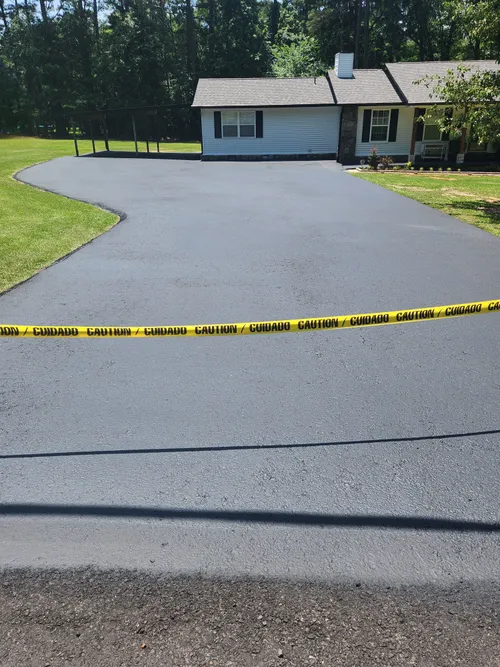
Omega Sealcoat and Striping is a parking lot striping, sealcoating, and repair company serving Little Rock, AR, and surrounding areas in Central Arkansas. They provide commercial and residential asphalt maintenance services including sealcoating to protect surfaces, asphalt repair such as crack filling and pothole repair, wheel stop installation for added safety, and line striping to improve traffic flow and parking organization. The company emphasizes quality materials, tailored client solutions, and customer satisfaction in every project. Their service area includes multiple cities across Central Arkansas.
Asphalt Brothers LLC
600 Delta Dr, Little Rock, AR 72206
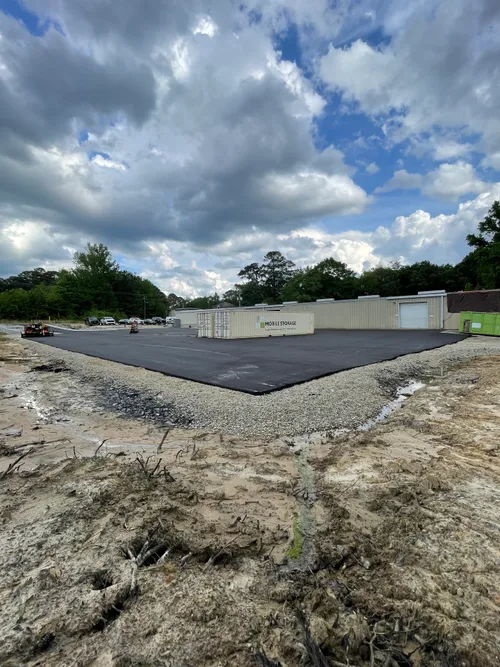
Asphalt Brothers LLC is a family-owned asphalt contractor serving Little Rock, AR, and the greater central Arkansas area. They offer commercial and residential asphalt paving, parking lot paving, sealcoating, striping, asphalt repair, and pavement maintenance. Their team is skilled in full parking lot installations, overlays, and asphalt patching, providing comprehensive paving solutions. With decades of experience in the local community, Asphalt Brothers LLC emphasizes craftsmanship and attention to detail in every project. They serve multiple nearby communities including Conway, Searcy, and Hot Springs.
Why Sealcoating is Essential for Arkansas Pavement
Arkansas's climate presents a distinct set of challenges for asphalt. Hot, humid summers accelerate oxidation, causing the asphalt binder to become brittle. Heavy spring and fall rains can seep into tiny cracks, leading to potholes and base damage during winter freezes. Sealcoating acts as a barrier against these elements, effectively "waterproofing" the surface and restoring the rich, black color that improves curb appeal and safety. A well-maintained lot also reduces long-term repair costs and liability risks from trip hazards. For commercial properties, it's not just maintenance; it's a critical asset preservation measure that protects your investment and presents a professional image to customers and tenants 1.
Optimal Timing and Weather Conditions in Arkansas
Timing is arguably the most critical factor for a successful sealcoating project in Arkansas. The goal is to find the sweet spot between winter's cold and summer's extreme heat and humidity.
Best Seasons: Late Spring and Early Fall The consensus among paving professionals is that late spring (late April through June) and early fall (September through October) offer the most reliable windows 2 3 4. These periods typically avoid the deep cold that prevents curing and the peak summer heat and humidity that can ruin a fresh application.
Critical Temperature and Humidity Guidelines Sealant requires specific conditions to cure properly:
- Minimum Temperature: Both air and pavement temperature must be at least 50°F and rising 5. Applying sealant when temperatures are falling, even if above 50°F, can trap moisture and lead to failure.
- Maximum Temperature: When temperatures soar above 90°F-95°F, the sealant can dry too quickly, becoming brittle and failing to properly bond with the asphalt 6. This is a particular risk during Arkansas summers.
- Humidity & Rain: High humidity, common in Arkansas, slows the curing process. It's generally recommended to allow 48 hours of dry, favorable weather for the sealcoat to cure sufficiently before any rainfall 7 8. Never apply sealcoat if rain is forecast within 24 hours, as it will wash away, creating environmental runoff issues and requiring a costly redo 9 10.
Time of Day Matters During warmer months, scheduling application for the morning hours allows the sealant to be laid down during cooler temperatures, giving it time to set before the afternoon sun bakes it 11.
How Often Should You Sealcoat in Arkansas?
A regular sealcoating schedule is more effective and economical than waiting until the pavement is severely deteriorated. The frequency depends on several factors:
- Standard Cycle: For most commercial parking lots with moderate traffic, a 2 to 3-year resealing cycle is standard practice 12 13.
- New Asphalt: Freshly paved asphalt must cure and release oils for 6 to 12 months before its first sealcoat application 14.
- High-Traffic & High-Exposure Areas: Lots for busy retail centers, restaurants (prone to oil/grease spills), or loading docks may require sealing every 1 to 2 years due to increased wear and chemical exposure.
- Inspection Routine: Conduct visual inspections twice a year-once in the fall to assess damage before winter and once in the spring to plan summer maintenance. This helps identify when cracking or fading has reached a point where sealcoating is needed.
Comprehensive Preparation: The Key to Longevity
A sealcoat is only as good as the surface it adheres to. Proper preparation is non-negotiable and often constitutes a significant portion of the project's labor.
- Thorough Cleaning: Every square foot of the pavement must be free of dirt, gravel, leaves, and debris. This is typically achieved with power blowers, push brooms, and in some cases, pressure washing 15 16.
- Oil and Grease Removal: Petroleum stains are a primary cause of sealcoat failure. Spots must be treated with a dedicated degreaser or primer to ensure the sealant can bond to the asphalt.
- Crack Repair: All cracks wider than 1/4 inch should be filled with a hot-applied rubberized crack filler before sealcoating. Sealing over unrepaired cracks simply covers a problem that will quickly re-emerge.
- Final Verification: A simple "water-break" test can confirm the surface is clean. Spray water on the asphalt; if it beads up, oil residue is likely still present. If it sheets out evenly, the surface is ready 17.
Find the perfect parking lot sealcoating companies for your needs
Get personalized recommendations and expert advice
Material Selection and Application Best Practices
Choosing the right materials and application method ensures you get the performance you pay for.
- Sealant Types: Asphalt emulsion-based sealers are widely used and often preferred over traditional coal tar sealants due to environmental and health concerns associated with Polycyclic Aromatic Hydrocarbons (PAHs) found in coal tar 18 19.
- Additives for Arkansas Climate: To combat high humidity and achieve a faster, stronger cure, contractors may add cement (up to 3%) or latex additives to the sealant mix 20. These enhance durability and resistance to fuel spills.
- Application Technique: Professional applicators use specialized spray systems or squeegees to apply two thin coats. This method is superior to one thick coat, which is prone to uneven drying, cracking, and tracking 21. The first coat acts as a primer, sealing the pores, while the second builds the protective film.
Understanding Costs for Commercial Properties in Arkansas
The cost of sealcoating a commercial lot is typically calculated per square foot, with the total price driven by the lot's size, condition, and preparation needs.
- Average Cost Range: For a professional, multi-step service including cleaning, crack filling, and a two-coat application, property owners can expect to pay between $0.17 and $0.30 per square foot 22.
- Typical Project Example: A standard 50,000-square-foot commercial parking lot would have a total project cost ranging from approximately $8,500 to $15,000 23.
- Key Cost Factors:
- Pavement Condition: Lots requiring extensive crack filling and patching will cost more.
- Preparation Level: Heavy oil stain treatment or extensive debris removal adds to labor.
- Sealant Quality & Additives: Premium sealants with enhancing additives may carry a higher material cost but offer better long-term value.
- Contractor Expertise: Reputable, insured contractors with proper equipment may charge more than casual operators, but they provide reliability and warranty protection.
Disclaimer: Pricing is based on national forecasts and can vary based on local material availability, contractor labor rates, and specific project conditions in Arkansas.
Planning and Executing Your Project
Success hinges on careful planning. Start by getting multiple detailed quotes from established local contractors. Ensure each quote itemizes preparation work, materials, number of coats, and cure time. Verify the contractor's insurance and ask for references from similar commercial projects. Schedule the work during the recommended seasonal windows and maintain flexibility, as weather is the one variable even the best contractor cannot control. Once the project is scheduled, communicate clearly with tenants or customers about lot closures and drying times to ensure a smooth process.
Frequently asked questions
Sources
Footnotes
-
Asphalt Preventive Maintenance Checklist | ABC Paving & Sealcoating - https://pavingandsealcoating.com/asphalt-pavement-checklist-for-facilities-maintenance/ ↩
-
What's the Best Time of Year for Asphalt Sealcoating? - https://www.fullerandsonspaving.com/what-s-the-best-time-of-year-for-asphalt-sealcoating ↩
-
When Is The Best Time Of Year For Asphalt Sealcoating? - https://www.raleighpaving.com/resources/blog/when-is-the-best-time-of-year-for-asphalt-sealcoating/ ↩
-
The Best Time of Year for Asphalt Sealing - Parker Concrete - https://www.parkerconcrete.com/the-best-time-of-year-for-asphalt-sealing/ ↩
-
Meet Sealcoating Temperature Requirements for Better Results - https://www.ppm.us/sealcoating-in-spring-and-fall/ ↩
-
Can Extreme Heat Affect An Asphalt Sealcoating Application? - https://www.royalpavementsolutions.com/heat-affect-an-asphalt-sealcoating-application/ ↩
-
When Is The Perfect Time To Sealcoat Your Driveway? - https://actionasphalt.com/when-is-the-perfect-time-to-sealcoat-your-driveway/ ↩
-
Sealcoat Parking Lots: What is the Best Temperature ... - ACPLM - https://acplm.net/sealcoat-parking-lots/ ↩
-
Sealcoating: Timing and Frequency for Optimal Protection - https://lonestarpavingtx.com/sealcoating-timing-and-frequency/ ↩
-
How to Prepare Your Parking Lot for Sealcoating - https://www.maintainitall.com/how-to-prepare-your-parking-lot-for-sealcoating ↩
-
10 Considerations Before Sealcoating Your Parking Lot - https://carolinaasphalt.com/10-considerations-before-scheduling-your-parking-lot-for-a-seal-coat/ ↩
-
How Often Should You Seal Coat Asphalt? - Elcor Construction - https://elcorconstruction.com/how-often-should-you-seal-coat-asphalt/ ↩
-
How Often Should a Parking Lot Be Sealcoated? 510-723-0280 - https://americanasphalt.com/how-often-should-a-parking-lot-be-sealcoated/ ↩
-
How Often to Sealcoat an Asphalt Driveway & Parking Lot? - https://sipesasphaltconcrete.com/how-often-should-you-sealcoat-your-commercial-driveway-and-parking-lot/ ↩
-
The Importance of Surface Preparation in Sealcoating - https://exteriorservicetn.com/the-importance-of-surface-preparation-in-sealcoating/ ↩
-
A Guide to Surface Prep Before Asphalt Maintenance | Phillips - https://phillipspaving.com/a-guide-to-surface-prep-before-asphalt-maintenance/ ↩
-
ITEM P-101: SURFACE PREPARATION - https://www.modot.org/media/13649 ↩
-
Coal-Tar-Based Pavement Sealcoat, PAHs, and ... - Mt. Lebanon - https://mtlebanon.org/wp-content/uploads/2023/03/Coal-Tar-Based-Pavement-Sealcoat-PAHs-and-Environmental-Health-3-21.pdf ↩
-
Seal Coating Asphalt Pavement: Benefits, Costs, Tips - https://www.liveabout.com/seal-coating-driveways-cost-schedule-benefits-4105289 ↩
-
Sealcoating 101: Why Your Business Parking Lot Needs It - https://www.pateasphalt.com/post/sealcoating-101-why-your-business-parking-lot-needs-it ↩
-
Seal Coating and Other Asphalt Surface Treatments - https://ltap.engr.wisc.edu/wp-content/uploads/2019/12/Bltn_010_Seal_Coating.pdf ↩
-
How Often Should You Sealcoat Your Asphalt? - https://asphaltcoatingscompany.com/blog/how-often-should-you-sealcoat-your-asphalt/ ↩
-
Sealcoating a Parking Lot: When, Why & How Much (2026 Guide) - https://strikeforcestriping.com/sealcoating-parking-lot-guide ↩