Find the Best Parking Lot Sealcoating Companies for Your Business
No obligation • Fast responses • Nationwide coverage
Why you can trust Tidy Parking
Tidy Parking is a leading U.S. source for parking lot maintenance services, including striping, sealcoating, sweeping, paving, resurfacing, and repairs. Our content is created independently, and providers cannot pay to influence ratings or recommendations.
Search providers near you
Best Parking Lot Sealcoating Companies in Alaska Ranked
Parking lot sealcoating is a critical maintenance service that applies a protective coating to asphalt pavement. In Alaska, this process is not just about aesthetics; it's a vital defense against some of the most punishing environmental conditions in the country. The right sealant shields your asphalt from destructive freeze-thaw cycles, corrosive road salts, heavy snowplow blades, and intense summer UV exposure. This guide explains the unique considerations for sealcoating in Alaska and how you can connect with qualified local professionals to protect your investment.
Susitna Sealcoating LLC
Anchorage, AK
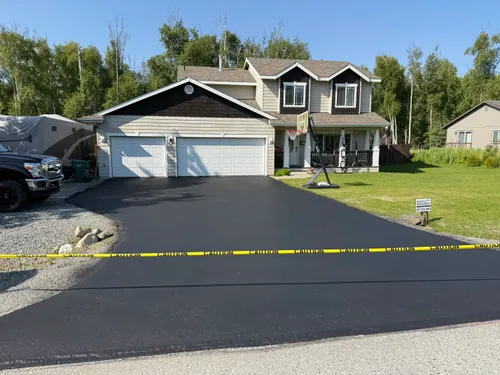
Susitna Sealcoating LLC provides parking lot sealcoating and repair services in Anchorage, AK. They serve both commercial and residential properties, offering sealcoating to protect asphalt from water, frost, and sun damage, as well as asphalt repair including hot asphalt patching and crack sealing. Their crack sealing uses hot applied sealant designed to remain flexible in sub-freezing temperatures, ensuring a durable, water-tight seal through winter.
Onyx Asphalt, LLC
1221 Huffman Park Dr #110836, Anchorage, AK 99511
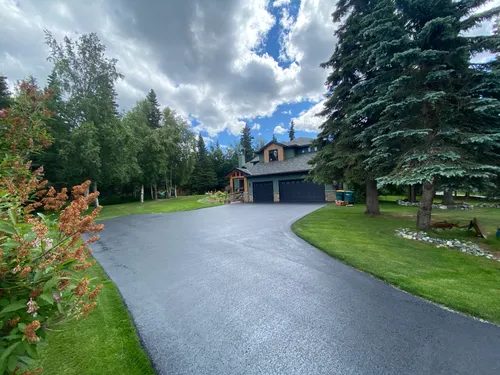
Onyx Asphalt, LLC is a parking lot striping and sealcoating company based in Anchorage, AK. They provide professional asphalt maintenance services including sealcoating, crack sealing, and striping, designed to protect and extend the life of asphalt surfaces in the region. Their work helps shield asphalt from harsh Alaskan weather conditions such as snow, ice, and UV exposure. The company emphasizes using proven methods and durable materials to ensure long-lasting pavement protection. Onyx Asphalt also offers snow removal services, maintaining properties year-round.
Ron Webb Paving, Inc
241 King Cir, Anchorage, AK 99515
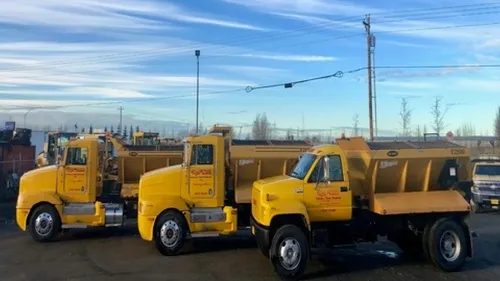
Ron Webb Paving, Inc is a family-owned and operated paving and snow removal company based in Anchorage, AK. Since 1980, they have provided commercial and residential paving services including parking lot construction, asphalt repairs, seal coating, and resurfacing. Their capabilities also extend to excavation, storm drain installation, and commercial snow removal, serving the Anchorage area with licensed and insured expertise.
AK Pave Co.
9044 Hartzell Rd, Anchorage, AK 99507
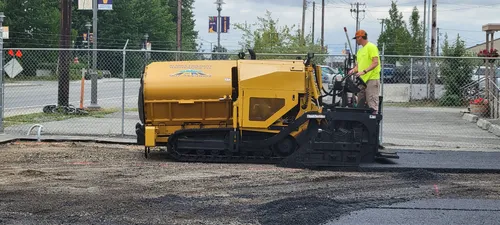
AK Pave Co. is a commercial and residential asphalt paving and maintenance contractor based in Anchorage, AK. They provide services including asphalt paving, parking lot striping, crack filling, seal coating, repairs, and commercial snow plowing with 24-hour availability. The company serves Anchorage, Girdwood, the Mat-Su Valley, and surrounding areas. AK Pave Co. offers custom driveway and parking lot installations designed for Alaska's northern climate, ensuring durable and well-prepared surfaces. They have an owner on-site for quality control and provide a one-year warranty on new pavement.
CORE PAVING & EXCAVATING LLC
Anchorage, AK
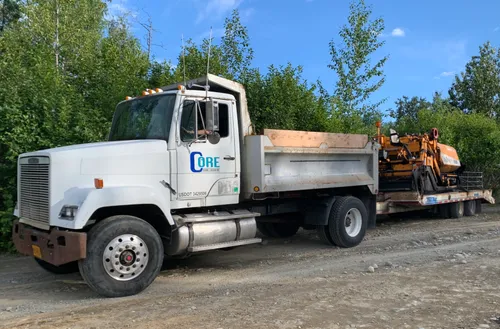
CORE PAVING & EXCAVATING LLC is a family-owned company based in Anchorage, AK, specializing in asphalt paving, parking lot repair, and sealcoating. They serve the Mat-Su Valley area, including Palmer, Butte, Sutton, Wasilla, Fishhook, and Big Lake. The company handles residential and commercial projects, offering site preparation services such as land clearing, excavation, debris removal, and stump grinding. CORE PAVING uses commercial-grade asphalt designed to withstand Alaska's freeze-thaw cycles, ensuring durable surfaces. Since 2020, they have completed hundreds of jobs, managing most work in-house to maintain quality and control.
Why Sealcoating is Essential in Alaska
Alaska's climate presents a unique set of challenges for asphalt pavement. Without protection, your parking lot faces accelerated deterioration from several fronts:
- Freeze-Thaw Cycles: This is the primary enemy. Water seeps into tiny cracks in the asphalt. When it freezes, it expands, widening those cracks. Subsequent thaws allow more water in, repeating the cycle until the pavement structure fails 1. A proper sealcoat acts as a waterproof barrier, preventing this destructive infiltration.
- Snowplow and Studded Tire Damage: Winter maintenance is harsh. Snowplow blades can scrape and gouge unprotected asphalt, while studded tires grind away at the surface. A durable, flexible sealcoat provides a sacrificial layer that absorbs this abrasion, protecting the underlying asphalt.
- High UV Exposure: Long summer days with intense sunlight oxidize and dry out the asphalt binder, making it brittle and prone to cracking. Sealcoating contains rejuvenating oils that restore flexibility and block UV rays.
- Chemical Deicers and Oil Spills: Road salts and deicing chemicals are corrosive. Combined with vehicle fluids like oil and gasoline, they break down the asphalt binder. Sealcoating creates a chemical-resistant surface that is easier to clean and maintain.
The Alaskan Sealcoating Season: Timing is Everything
The window for effective sealcoating in Alaska is narrow and highly dependent on weather. Planning is crucial.
- Optimal Season: The workable period typically runs from late spring (after "breakup") through early fall, with a prime window from late May to early September 2. Applying sealcoat too early risks overnight frost; applying too late risks early fall freezes before the coating has fully cured.
- Critical Temperature Rules: Sealant must be applied when both air and pavement temperatures are at least 50°F and rising3 4. More importantly, temperatures must remain above 50°F for a minimum of 24 to 48 hours after application to allow for proper curing and bonding 3. Humidity and overnight lows are key factors a professional will monitor.
- Cold-Weather Adaptations: Due to cooler nights, reputable Alaskan contractors often use specialized polymer additives in their sealants. These additives accelerate curing times, enhance flexibility at low temperatures, and improve resistance to fuel spills and snowplow damage 5.
How Often Should You Sealcoat in Alaska?
There is no one-size-fits-all schedule, as frequency depends on asphalt age, traffic volume, and exposure to elements like snowplows.
- New Asphalt: Wait 6 to 12 months after installation before the first sealcoat application. This allows excess oils in the new asphalt to fully evaporate, ensuring proper adhesion.
- Standard Commercial Lots: For lots with moderate traffic, a 2 to 3-year cycle is common. However, in Alaska, many property managers opt for a more frequent 1 to 2-year schedule due to the severe climate and heavy winter maintenance 6.
- High-Traffic & Retail Lots: Shopping centers, grocery stores, and restaurants with constant vehicle flow, potential for oil spills, and daily snowplowing may require annual sealcoating to maintain protection and appearance 7.
The Sealcoating Process: Preparation is Key
A successful, long-lasting sealcoating job is 80% preparation. In Alaska's demanding environment, skipping steps leads to premature failure.
- Thorough Cleaning: The surface must be impeccably clean-free of dirt, dust, gravel, and vegetation. Professionals use power brooms, blowers, and sometimes pressure washers to achieve this. Any debris left behind will prevent the sealant from bonding to the asphalt.
- Oil Spot Priming: Gasoline, oil, and transmission fluid stains must be addressed. These petroleum-based substances will bleed through a standard sealcoat. Contractors apply a specialized latex-based primer to these spots to create a stable, sealed base for the topcoat 8.
- Crack Sealing and Pothole Repair: This is a non-negotiable step. Sealcoating is a surface treatment, not a structural fix. All cracks must be cleaned and filled with a hot-pour rubberized sealant. Potholes and areas with "alligator" cracking (a sign of base failure) must be fully excavated and repaired with fresh hot-mix asphalt. These repairs should ideally be done well before sealing, but are sometimes addressed immediately prior 9 10.
- Application: Using professional spray systems or squeegees, contractors apply a high-quality, cold-weather compatible asphalt emulsion. Two thin coats are standard and far superior to one thick coat, which can remain tacky and fail to cure properly.
- Curing and Drying: The lot must be kept closed to all traffic (including pedestrians) for a minimum of 24 to 48 hours. The sealant is dry to the touch sooner, but needs this full period to achieve the necessary hardness and durability. Weather conditions during this time are critical.
Find the perfect parking lot sealcoating companies for your needs
Get personalized recommendations and expert advice
Selecting the Right Materials for Alaskan Conditions
Not all sealcoats are created equal, especially for the Far North. When discussing your project with a contractor, inquire about their material specifications:
- Base Type: Look for asphalt-based emulsions that are specifically formulated for durability and flexibility.
- Modifications: Polymer-modified sealants are highly recommended. The polymers increase tensile strength, resistance to fuel, and elasticity, allowing the coating to expand and contract with the asphalt through temperature extremes 11.
- Sand Additives: Incorporating specific grades of sand can enhance traction and abrasion resistance, which is valuable for areas with high foot traffic or where snow tends to pack down.
- Mix Consistency: Professional-grade sealants have a carefully controlled solids content. Remember, the mix is roughly 70% water, which must evaporate to cure 12. Proper application in the right conditions ensures the water evaporates, leaving behind a robust protective layer.
Understanding Costs for Sealcoating in Alaska
Due to the shorter working season, higher material shipping costs, and the need for specialized products, sealcoating in Alaska often falls at the higher end of national price ranges. Costs are typically calculated per square foot.
- Sealcoating (Two Coats): The professional application of sealant generally ranges from $0.17 to $0.30 per square foot 13.
- Crack Filling: This essential prep work is usually priced per linear foot, ranging from $1.00 to $2.00.
- Oil Spot Priming: Treating fluid stains may incur an additional cost, sometimes calculated per stall or as a project add-on.
- Extensive Cleaning: If a lot requires significant power washing or debris removal beyond standard sweeping, costs can range from $500 for minor work to $3,500 or more for extensive cleaning.
- Minimum Project Charge: Most professional sealcoating companies have a minimum charge, typically between $2,500 and $5,000, even for smaller lots 14 15.
Important Note: The lowest bid is rarely the best value in sealcoating. Quality of preparation, materials, and application technique directly determine how long the protection lasts. A properly executed job with superior materials may have a higher upfront cost but provides better long-term value by extending the life of your asphalt.
Finding a Qualified Alaskan Sealcoating Professional
When seeking a contractor, look for one with proven experience in Alaska's unique climate. They should be able to clearly explain their process, the specific materials they use (including any cold-weather additives), and provide a detailed written estimate that breaks down all preparation work. Ask for local references and examples of past projects. A reputable professional will not pressure you to sealcoat in marginal weather conditions and will prioritize the extensive surface preparation that ensures a lasting result.
Frequently asked questions
Sources
Footnotes
-
Scheduling A Sealcoating: What Time Of Year Is Best? - https://www.309pavingservices.com/blogs/5418/scheduling-a-sealcoating-what-time-of-year-is-best ↩
-
The Best Time of Year to Schedule Sealcoating - Parker Concrete - https://www.parkerconcrete.com/the-best-time-of-year-to-schedule-sealcoating/ ↩
-
Best Weather Conditions for Sealcoating - D.B.Krieg, Inc. - https://dbkrieginc.com/blog/best-temperature-weather-for-sealcoating/ ↩ ↩2
-
Is It Too Cold to Sealcoat My Parking Lot? - PaveConnect - https://paveconnect.com/blog/is-it-too-cold-to-sealcoat-my-parking-lot/ ↩
-
How Cold Weather Affects Sealcoating - https://www.greatsealcoating.com/how-cold-weather-affects-sealcoating ↩
-
How Often Should You Seal Coat Asphalt? - Elcor Construction - https://elcorconstruction.com/how-often-should-you-seal-coat-asphalt/ ↩
-
How Often Should You Sealcoat Your Asphalt? - https://asphaltcoatingscompany.com/blog/how-often-should-you-sealcoat-your-asphalt/ ↩
-
ABC's Seasonal Sealcoating Guide for 2025 - ABC Paving - https://abcpave.com/seasonal-seal-coating-considerations/ ↩
-
How Often Should You Seal Asphalt - American Paving - https://www.americanpavingtx.com/how-often-should-you-seal-asphalt/ ↩
-
SURFACE TREATMENT ITEMS - https://dot.alaska.gov/stwddes/dcsspecs/assets/pdf/aptspecs/sections/2020/surfacetreatments.pdf ↩
-
Sealcoat Additives for Alaska Conditions | NorthStar Supply - https://www.nssalaska.com/products/asphalt-maintenance/sealcoat-additives/ ↩
-
Can Extreme Heat Affect An Asphalt Sealcoating Application? - https://www.royalpavementsolutions.com/heat-affect-an-asphalt-sealcoating-application/ ↩
-
How Much Does It Cost To Sealcoat An Asphalt Parking Lot? - https://absoluteblacktop.com/how-much-does-it-cost-to-sealcoat-an-asphalt-parking-lot/ ↩
-
Parking Lot Seal Coating Costs for Asphalt : 2025 Pricing Guide - https://www.fixasphalt.com/blog/how-much-does-it-cost-to-sealcoat-an-asphalt-parking-lot ↩
-
Sealcoating a Parking Lot: When, Why & How Much - https://strikeforcestriping.com/sealcoating-parking-lot-guide ↩