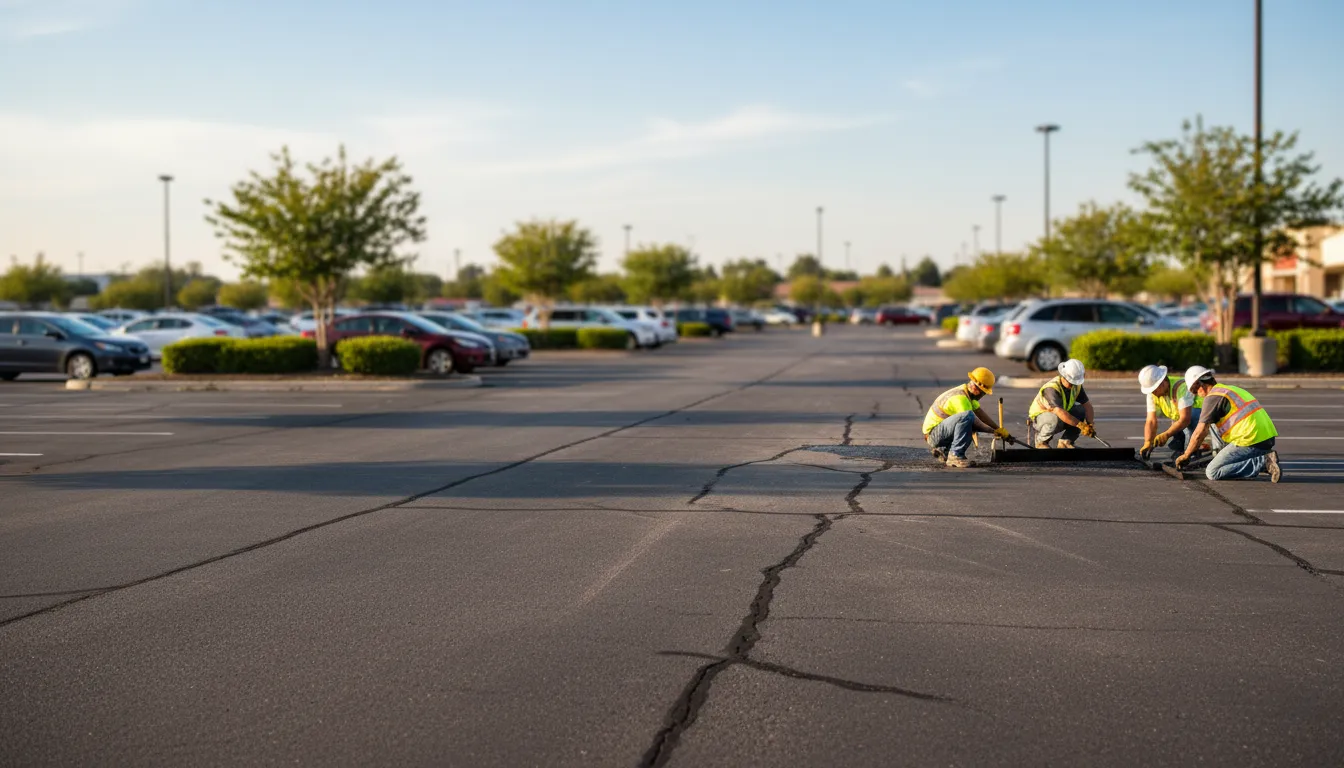
Find the Best Parking Lot Repair Companies for Your Business
No obligation • Fast responses • Nationwide coverage
Why you can trust Tidy Parking
Tidy Parking is a leading U.S. source for parking lot maintenance services, including striping, sealcoating, sweeping, paving, resurfacing, and repairs. Our content is created independently, and providers cannot pay to influence ratings or recommendations.
Search providers near you
Top Parking Lot Repair Companies in Spring Hill, Tennessee Ranked
Maintaining a safe and functional parking lot is a critical responsibility for any property owner or manager in Spring Hill. Parking lot repair encompasses a range of solutions-from filling cracks and potholes to full resurfacing-designed to restore pavement integrity, improve safety, and protect your investment. The humid climate and seasonal freeze-thaw cycles in Tennessee can accelerate asphalt deterioration, making timely intervention essential. This guide will help you understand common problems, effective repair methods, and local cost considerations to make informed decisions for your property.
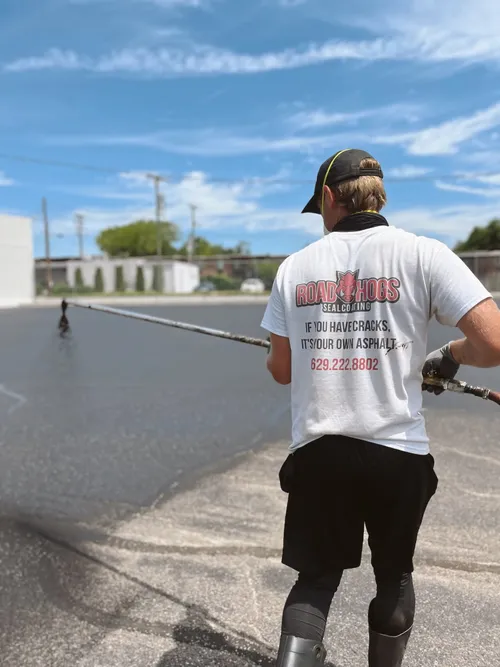
Road Hogs Sealcoating
Nashville, TN
Road Hogs Sealcoating provides asphalt maintenance services in Nashville, TN, specializing in sealcoating, parking lot striping, crack sealing, and pothole repairs. They serve property owners across Middle Tennessee, helping to extend the life of asphalt surfaces and improve safety and appearance. Their capabilities include hot crack sealing, which prevents further damage and prolongs pavement lifespan. The company works with businesses, churches, homeowners, shopping centers, HOAs, and commercial property managers to maintain durable and visually appealing asphalt.
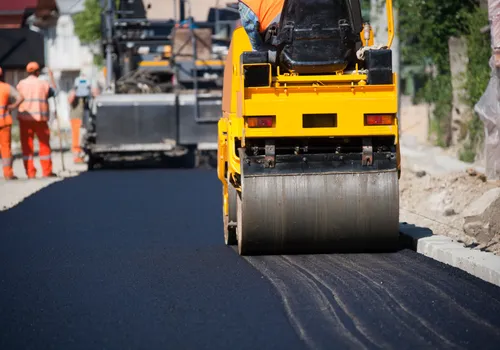
Tennessee Elite Asphalt Paving
3550 Gondola Dr, Antioch, TN 37013
Tennessee Elite Asphalt Paving is a parking lot paving, resurfacing, and repair contractor based in Nashville, TN. They provide residential and commercial asphalt and concrete paving services, including asphalt milling, overlay, and driveway paving. The company handles projects such as deceleration lanes, streets, driveways, and parking lots, with a focus on quality and proper drainage. With 20 years of experience, Tennessee Elite Asphalt Paving is known for supervising all work from start to finish and employing drug-screened and background-checked staff.
Covenant Asphalt and Sealcoating
Nashville, TN
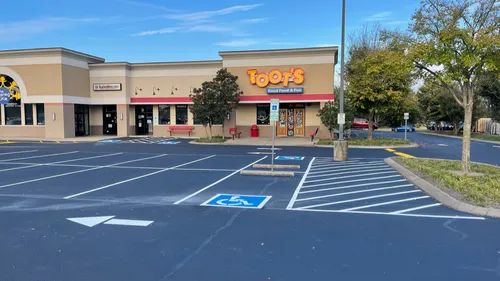
Covenant Asphalt and Sealcoating is a third-generation family-owned company based in Nashville, TN, serving all of Middle Tennessee. They provide a range of asphalt services including sealcoating, striping, patching, and paving for residential, commercial, industrial, and municipal clients. Their expertise includes asphalt paving and the installation of parking stops, bollards, and handicap signage. With decades of experience, Covenant Asphalt and Sealcoating focuses on quality workmanship and customized solutions to maintain and extend the life of paved surfaces across the region.
D. Lee's Paving
Nashville, TN
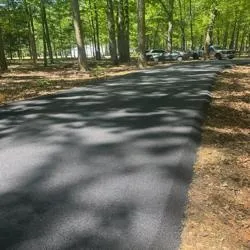
D. Lee's Paving is a paving contractor based in Nashville, TN, serving a 100-mile radius from Murfreesboro, TN to Athens, AL. Established in 2005, the company offers asphalt paving, repair, sealcoating, parking lot striping, and tar-and-chip services for residential, commercial, and municipal clients. They specialize in durable asphalt paving and resurfacing for driveways, parking lots, and roads, using advanced equipment and modern techniques to deliver long-lasting results. D. Lee's Paving has nearly two decades of experience and focuses on community enhancement through quality workmanship.
CW Paving
1146 Longview Rd, Unionville, TN 37180
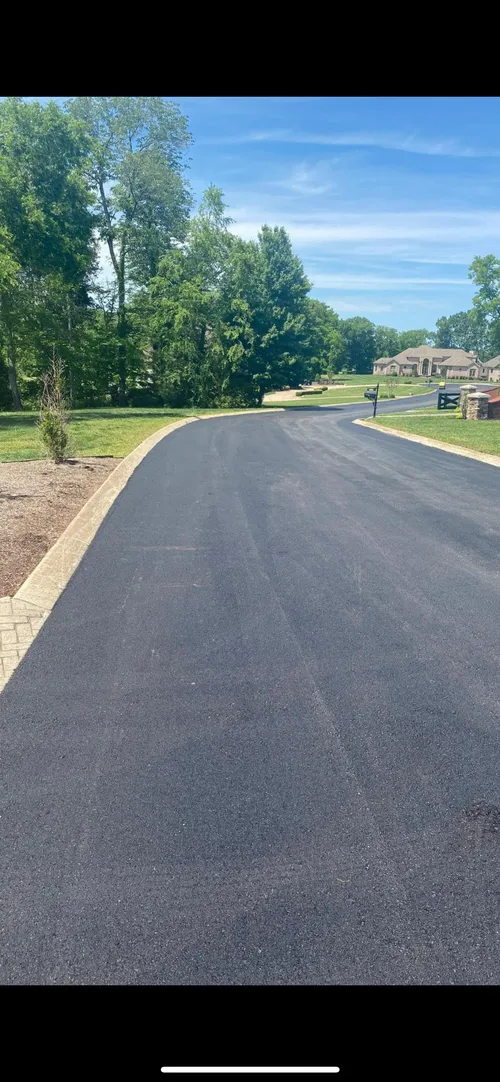
CW Paving is a family-owned paving contractor based in Murfreesboro, TN, with over 40 years of experience. They provide a range of services including asphalt driveways and parking lots, sealcoating, striping, patchwork, grading, and dirt work. CW Paving serves Middle Tennessee and surrounding areas, handling projects of various sizes from small driveways to large parking lots. Their capabilities include using asphalt millings and chip-and-tar applications to create durable and cost-effective surfaces.
Why Spring Hill Parking Lots Need Repair
The asphalt in your parking lot is constantly under attack from environmental forces and daily use. In Spring Hill, several specific factors contribute to the need for regular pavement maintenance and repair.
Climate and Weather: Middle Tennessee's weather is a primary culprit. The region experiences heavy rains and high humidity, which allow water to seep into tiny cracks in the asphalt. During winter, this trapped water freezes and expands, then thaws, a cycle that breaks down the asphalt binder from within. This process, known as the freeze-thaw cycle, leads to surface crumbling or "raveling" and the formation of potholes.
Traffic and Load Stress: Commercial and retail parking lots are designed for passenger vehicles, but they often bear the weight of delivery trucks, garbage trucks, and other heavy equipment. This repeated stress from heavy loads can cause ruts, depressions, and a specific pattern of interconnected cracks called "alligator cracking," which indicates structural failure.
Foundation and Drainage Issues: The most serious problems often start below the surface. If water infiltrates past the asphalt layer, it can weaken the compacted stone and soil sub-base. A compromised foundation leads to sinking, large potholes, and widespread cracking that simple surface fixes cannot address 1.
Common Types of Parking Lot Damage
Identifying the type of damage on your pavement is the first step toward a proper fix. Here are the most frequent issues seen in Spring Hill lots.
- Cracks: These range from small hairline cracks to larger, more pronounced fissures. While small cracks may seem cosmetic, they are the entry point for water and the beginning of more severe damage.
- Potholes: Created when water undermines the pavement structure and traffic breaks away the weakened surface. They are tripping hazards and can damage vehicles.
- Raveling: This occurs when the asphalt surface begins to crumble, leaving a rough, gravelly texture. It's often caused by weather-related binder degradation.
- Alligator Cracking: A network of interconnected cracks that resemble alligator skin. This pattern signals that the pavement's structural integrity has failed, typically due to a weak base or overloading 2.
- Rutting and Depressions: Long, linear depressions in the wheel paths or sunken areas where the pavement has settled. These are caused by a weak subgrade or compaction issues and can lead to ponding water.
Repair Solutions for Damaged Asphalt
The right repair method depends on the extent and type of damage. Local contractors offer a spectrum of services to address everything from minor wear to major failure.
Surface Protection and Minor Repairs
For lots with minor cracking and surface wear, these preventative measures can extend pavement life significantly.
- Crack Sealing: This involves cleaning cracks and filling them with a hot rubberized sealant to prevent water infiltration. It's a cost-effective way to stop small problems from becoming big ones.
- Sealcoating: This is not a repair for structural issues but a protective coating applied over intact asphalt. It shields the pavement from damaging UV rays, water, and chemicals like gasoline or oil. In Tennessee, sealcoating costs can range from $1.00 to $4.00 per square foot, depending on the project size and preparation needed.
Structural and Surface Restoration
When damage is more advanced, these methods restore both the look and function of the parking area.
- Asphalt Patching: This is the standard repair for potholes and isolated damaged areas. The bad pavement is removed, the base is prepared, and new hot mix asphalt is compacted in place. For patch repairs, costs in Spring Hill typically range from $2 to $5 per square foot 3 4.
- Infrared Asphalt Repair: A specialized technique that uses infrared heat to soften the existing asphalt around a damaged area. The softened asphalt is then reworked with new material, creating a seamless, watertight patch that is often more durable than traditional cold patching.
- Asphalt Milling and Patching: For larger sections of surface-level failure, milling involves mechanically removing the top 1-2 inches of damaged pavement. A new layer of asphalt is then laid over the solid, milled base. This is an effective solution for lots where the surface oils have failed but the base is still strong, with costs similar to patching.
Find the perfect parking lot repair companies for your needs
Get personalized recommendations and expert advice
Major Pavement Overhauls
For lots with extensive damage or those nearing the end of their service life, more comprehensive solutions are required.
- Resurfacing (Overlay): This involves placing a brand new layer of asphalt (typically 1.5 to 3 inches thick) over the existing pavement after it has been cleaned and any major repairs are made. It's a common recommendation for lots under 20 years old with a solid foundation. Resurfacing provides a like-new surface at a fraction of the cost of full replacement, generally ranging from $1 to $3 per square foot in the Spring Hill area 5.
- Full Depth Replacement: The most extensive and expensive option. This process involves completely removing the old asphalt and the compromised base material, rebuilding the foundation with new compacted stone, and installing a new asphalt pavement. This is necessary when the sub-base has failed and costs can range from $8 to $15 per square foot 6.
Cost Considerations for Spring Hill Property Owners
Understanding the factors that influence repair costs can help you budget effectively. The primary cost driver is the square footage of the area being repaired or treated. However, the scope and type of work have a major impact.
- Small-Scale Repairs: For addressing a few potholes or sections of cracking, projects are often quoted as a total job price rather than per square foot. These smaller repairs can range from $1,000 to $3,600 or more, as the mobilization and labor costs are spread over a smaller area 7.
- Large-Scale Maintenance: Economies of scale apply to bigger projects. Extensive sealcoating or resurfacing of an entire lot often comes at a lower cost per square foot. For example, sealcoating a large commercial lot may be on the lower end of the price spectrum, around $1 to $2 per square foot 8 9.
- Choosing Repair vs. Replacement: A key decision is whether to repair sections or invest in a full resurface or replacement. Local contractors often note that timely repairs like crack sealing and patching are critical to prevent total failure, which is far more expensive 10. Resurfacing is frequently the most cost-effective long-term solution for lots with a solid base but widespread surface wear.
The Importance of Timely Action
Delaying parking lot maintenance is a costly mistake. A small, unsealed crack allows water to penetrate, weakening the base and leading to potholes and alligator cracking. What could have been a few hundred dollars in crack sealing can quickly become thousands in patching or tens of thousands in resurfacing. Regular inspections and addressing issues promptly protect your pavement investment, ensure safety for pedestrians and vehicles, and maintain a professional appearance for your business.
Frequently asked questions
Sources
Footnotes
-
Indiana Parking Lot Pothole Prevention and Repair Best Practices - https://www.asphaltsolutionsindy.com/indiana-parking-lot-pothole-prevention-and-repair-best-practices/ ↩
-
Pavement Failure | Causes & Repair - https://lonestarpavingtx.com/what-is-pavement-failure/ ↩
-
Asphalt Patching | Spring Hill, TN - https://www.hargrovesealcoating.com/asphalt-patching-spring-hill ↩
-
Asphalt Patch Repair Prices Breakdown - Pavemade.com - https://pavemade.com/pages/asphalt-patch-repair-prices-breakdown ↩
-
Parking Lot Resurfacing: Complete Cost Guide & Process [2025] - https://www.candcsuperseal.com/parking-lot-resurfacing-complete-cost-guide-process-2025/ ↩
-
Asphalt Repairs vs. Replacement for Commercial Properties - https://thepavementgroup.com/the-cost-of-asphalt-repairs-vs-replacement-for-commercial-properties/ ↩
-
Cost to Pave a Parking Lot Price Guide [2026 Data] | Angi - https://www.angi.com/articles/cost-to-pave-parking-lot.htm ↩
-
2025 TN Parking Lot Sealcoating Cost Guide - https://hyderpaving.com/blogs/parking-lot-sealcoating-cost-tennessee ↩
-
Costs and Differences of Asphalt Parking Lot Resealing ... - https://www.andersonandsonsasphalt.com/costs-and-differences-of-asphalt-parking-lot-resealing-resurfacing-and-repaving/ ↩
-
Parking Lot Paving Repair - https://www.nashpaving.com/services/parking-lot-paving/repair/ ↩