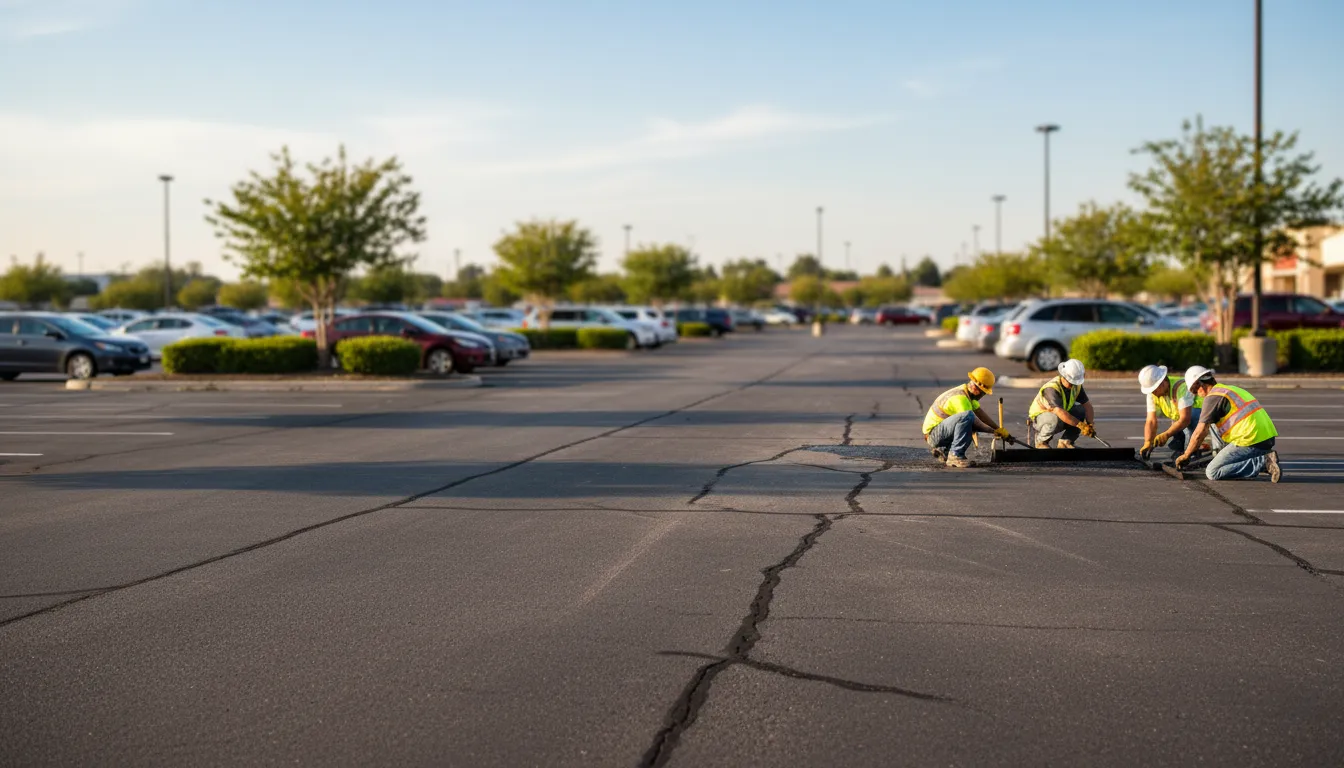
Find the Best Parking Lot Repair Companies for Your Business
No obligation • Fast responses • Nationwide coverage

Why you can trust Tidy Parking
Tidy Parking is a leading U.S. source for parking lot maintenance services, including striping, sealcoating, sweeping, paving, resurfacing, and repairs. Our content is created independently, and providers cannot pay to influence ratings or recommendations.
Search providers near you
Best Parking Lot Repair Companies in Rhode Island Ranked
Maintaining a safe and functional parking lot in Rhode Island is a critical investment for any business or property manager. The state's harsh winters, with their relentless freeze-thaw cycles and corrosive road salt, create a unique set of challenges for asphalt pavement. Effective parking lot repair isn't just about fixing potholes; it's a strategic process of selecting the right technique at the right time to protect your property's value and ensure user safety. This guide will help you understand the specific repair needs for Rhode Island's climate, the common solutions available, and how to connect with qualified local professionals to get the job done right.
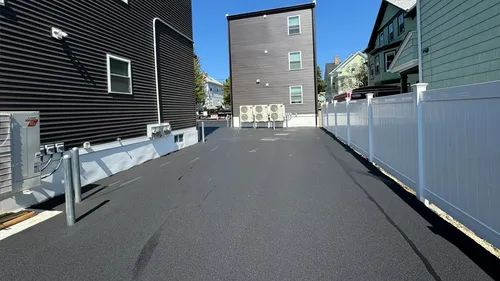
Rhode Island Paveway Inc
35 Harrington Ave, Warwick, RI 02888
Rhode Island Paveway Inc is a parking lot paving and resurfacing contractor serving Providence, RI, and nearby communities. They offer comprehensive asphalt services including installation, crack sealing, surface restoration, and eco-friendly permeable asphalt options. Their team understands local climate challenges and focuses on durable, well-graded surfaces that prevent water accumulation and withstand harsh weather. With decades of combined experience, they use advanced machinery and tailored maintenance plans to extend pavement life and meet safety standards. Rhode Island Paveway Inc also provides flexible scheduling and warranties to support customer satisfaction.
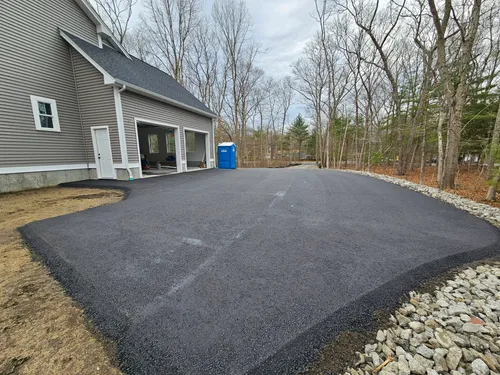
T-Co. Paving
Allendale Ave, North Providence, RI 02911
T-Co. Paving is a parking lot paving and sealcoating company based in Providence, RI. They offer a range of services including asphalt paving, sealcoating, site work, parking lot repairs, and line striping. Serving all of Rhode Island as well as eastern Connecticut and southern Massachusetts, they specialize in asphalt driveways and commercial parking lots. Their capabilities include crack filling, patching, drain repair, and precise line striping with multiple colors and stencils. With over 10 years of experience and as a third-generation asphalt industry business, T-Co. Paving emphasizes quality workmanship and customer satisfaction.
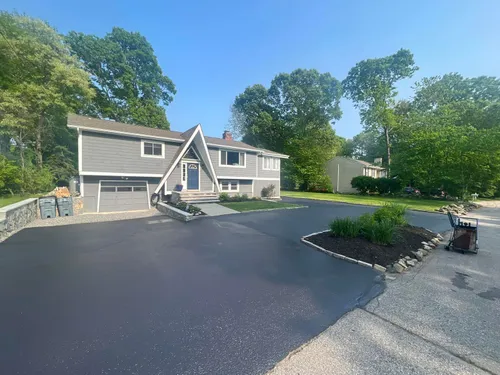
Curb Appeal Asphalt Paving and Sealcoating
Providence, RI
Curb Appeal Asphalt Paving and Sealcoating is a locally and family-owned company based in Providence, RI. They provide a range of services including asphalt paving, resurfacing, sealcoating, crack filling, line striping, and patching for both residential and commercial properties. The company serves Rhode Island and nearby areas including Massachusetts, Connecticut, Block Island, Nantucket, and Martha's Vineyard. They specialize in commercial parking lot projects and use high-quality materials to ensure durable results.
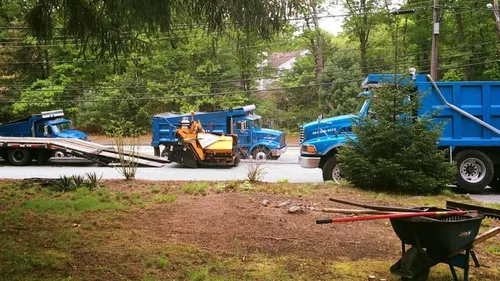
Young's Paving
391 Fall River Ave, Seekonk, MA 02771
Young's Paving is a family-owned paving company serving Providence, RI, and surrounding areas. They offer a range of services including parking lot sealcoating, paving, resurfacing, and repair for residential, commercial, and industrial clients. With over 35 years of experience, the company is fully licensed and insured, providing quality asphalt paving and emergency services. Young's Paving operates 24/7 to accommodate urgent paving needs.

Fortune Asphalt Taunton
5 Parkin Ave, Taunton, MA 02780
Fortune Asphalt Taunton provides a range of asphalt services including paving, patching, striping, sealcoating, and driveway installation in Providence, RI. The company focuses on durable and visually appealing asphalt surfaces tailored to client needs, using high-quality materials and eco-friendly methods. They specialize in asphalt paving and maintenance, ensuring smooth and safe parking lots and driveways. Fortune Asphalt Taunton is locally owned with extensive experience and a proven track record in the region.
The Rhode Island Climate Challenge
Rhode Island's weather is the primary driver of parking lot deterioration. Understanding these forces is key to planning effective, long-lasting repairs.
- Freeze-Thaw Cycles: This is the most destructive process. Water seeps into small cracks in the asphalt. When temperatures drop, this water freezes and expands, exerting tremendous pressure that widens the cracks and breaks apart the pavement from within. This cycle repeats throughout winter, turning minor surface flaws into major structural problems.
- Winter Salt and De-Icers: While essential for safety, chloride-based salts and chemical de-icers accelerate asphalt breakdown. They can dry out and embrittle the asphalt binder, making it less flexible and more prone to cracking 1.
- Temperature Fluctuations: Rhode Island experiences significant swings in temperature, even within a single season. Asphalt expands in heat and contracts in cold. Without proper maintenance, this constant movement leads to fatigue cracking and surface failure.
- Humidity and Precipitation: High humidity and frequent rain, especially in spring, can delay repair projects that require dry conditions for proper adhesion and curing, such as crack sealing and sealcoating 2 3.
Optimal Timing for Asphalt Repair in Rhode Island
Scheduling is half the battle for a successful repair. The ideal window for most asphalt work in Rhode Island is during warm, dry weather.
- Spring (April-June): This is widely considered the best time for major repairs and resurfacing 4. The ground has thawed, temperatures are consistently above 50°F (and rising), and there is ample time for new asphalt to properly cure and harden before the next winter. It's the perfect season for proactive crack sealing to address winter damage.
- Summer: Excellent for all types of repair work, provided the heat isn't extreme. Hot weather is ideal for asphalt mixes, which need heat to remain pliable for compaction.
- Fall: Early fall can be suitable, but the window closes as temperatures drop. Any work done must be completed well before the first frost to ensure proper curing.
- Winter: Generally not suitable for permanent, quality asphalt repairs. Cold mix asphalt used for emergency pothole patches is a temporary fix that often needs to be redone in the spring.
Common Parking Lot Repair Techniques
The right repair method depends on the type and extent of damage. Here are the primary techniques used by Rhode Island contractors.
1. Crack Sealing and Filling
This is the first line of defense and the most cost-effective maintenance you can perform.
- Process: Cracks are thoroughly cleaned of debris, vegetation, and moisture. A hot-poured rubberized sealant is then applied to fill the crack, creating a flexible, waterproof barrier that prevents water from infiltrating the base.
- When to Use: For non-working cracks (those that don't move significantly with temperature) and as an annual preventative measure.
2. Pothole Repair (Hot Patch)
A proper pothole repair is more than just throwing material in a hole.
- Process: The pothole is squared off, and all loose debris and water are removed. A tack coat (adhesive) is applied to the sides and bottom. Hot mix asphalt is then placed in the hole, compacted in layers, and finished flush with the surrounding pavement 5. This "hot patch" method is far more durable than temporary cold patches.
- When to Use: For isolated potholes resulting from cracked, unsealed pavement where water has eroded the base material.
3. Resurfacing (Overlay)
This is a major repair that addresses widespread surface wear without rebuilding the foundation.
- Process: The existing asphalt surface may be milled (ground down) to ensure a level base and proper drainage. A new layer of asphalt, typically 1.5 to 2 inches thick, is then installed over the structurally sound existing pavement 6.
- When to Use: When the parking lot base is stable but the surface shows extensive alligator cracking, raveling (loose aggregate), oxidation, and minor irregularities.
4. Full-Depth Reclamation and Repaving
This is the most comprehensive solution for lots with severe, foundational failure.
- Process: The entire asphalt layer and a portion of the underlying base material are pulverized and mixed. This recycled material is then re-compacted to form a new, stable base. A new asphalt surface is paved on top 7. In full replacement, all old material is removed and new base and asphalt are installed.
- When to Use: When the subbase has failed, evidenced by deep potholes, severe heaving or settling, or chronic drainage issues that surface repairs cannot fix.
Find the perfect parking lot repair companies for your needs
Get personalized recommendations and expert advice
Understanding Repair Costs in Rhode Island
Costs for parking lot maintenance in Rhode Island vary based on the technique, the extent of damage, and the size of the area. Below are general price ranges to help with budgeting.
- Crack Filling/Sealing: Typically costs $1.00 to $3.00+ per linear foot, depending on crack width and preparation needed.
- Pothole Repair (Hot Patch): Costs can range from $35 to $200 per pothole, with the final price heavily dependent on the pothole's depth and square footage 8 9.
- Resurfacing/Overlay: A common project for commercial lots, resurfacing generally falls between $1.00 and $3.00 per square foot. For example, a 10,000 sq ft lot could cost between $10,000 and $30,000.
- Full-Depth Replacement/Repaving: As the most extensive option, full reconstruction costs $4.00 to $10.00+ per square foot 10. This investment is necessary when the structural integrity of the lot is compromised.
Creating a Proactive Maintenance Plan
Reactive repairs are always more expensive than proactive care. A smart maintenance plan for a Rhode Island parking lot includes:
- Annual Inspections: Conduct a thorough walk-through each spring and fall. Document cracks, potholes, and drainage issues.
- Prompt Crack Sealing: Seal cracks every 1-2 years without fail. This simple step is your best defense against costly base damage 11 12.
- Regular Sealcoating: Apply a protective coal tar or asphalt-based sealcoat every 2-3 years. This shields the pavement from UV rays, water, gasoline, and salt, preserving the asphalt binder and extending its life significantly 13 14.
- Plan for Resurfacing: On a well-maintained lot, plan for a resurfacing overlay every 7-10 years to restore a smooth, like-new surface and add another decade of life to the pavement.
Choosing a Qualified Rhode Island Contractor
The success of your repair project hinges on the contractor you choose. Look for a professional who:
- Has extensive local experience with Rhode Island's specific climate challenges.
- Can clearly explain the why behind their recommended repair method.
- Provides detailed, written estimates that break down labor, materials, and scope of work.
- Is properly insured and licensed.
- Offers references from similar commercial or municipal projects in the area.
Frequently asked questions
Sources
Footnotes
-
The Best Driveway Paving Materials for Rhode Island's Climate - https://ljbeausoleilpaving.com/driveways/the-best-driveway-paving-materials-for-rhode-islands-climate/ ↩
-
Ideal Weather and Seasonal Conditions for Asphalt Projects - https://www.rmserviceco.com/ideal-weather-and-seasonal-conditions-for-asphalt-maintenance-projects/ ↩
-
What To Do With Cracks in Your Parking Lot? - https://dcplm.com/blog/what-to-do-with-cracks-in-your-parking-lot/ ↩
-
Why Spring is the Best Time for Asphalt Paving in Rhode Island - https://beausoleilandsonsinc.com/why-spring-is-the-best-time-for-asphalt-paving-in-rhode-island/ ↩
-
A Quick Review of Asphalt Repair Techniques - https://americanasphalt.com/asphalt-repair-techniques/ ↩
-
Parking Lot Repair, Resurfacing, or Replacement: Which is Right for ... - https://emeier.com/parking-lot-repair-resurfacing-or-replacement-which-is-right-for-you/ ↩
-
Understanding the Different Types of Asphalt Repair Techniques - https://tolliverpaving.com/asphalt-repair-types/ ↩
-
Asphalt Repair Process in Rhode Island - Holscher Sealcoating - https://www.holschersealcoating.com/asphalt-repair-process ↩
-
How much Does it Cost to Fix a Pothole in Asphalt Pavement - https://sealmaster.net/faq/much-cost-fix-pothole/ ↩
-
Parking Lot Resurfacing: Complete Cost Guide & Process [2025] - https://www.candcsuperseal.com/parking-lot-resurfacing-complete-cost-guide-process-2025/ ↩
-
How to Maintain Your Asphalt Driveway in Rhode Island's Climate - https://beausoleilandsonsinc.com/how-to-maintain-your-asphalt-driveway-in-rhode-islands-climate/ ↩
-
Options for Fixing Asphalt - https://mcconnellassociates.org/fixing-aging-asphalt/ ↩
-
When Should You Resurface vs. Repave a Parking Lot? - https://www.jperrypaving.com/resurface-vs-repave-parking-lot/ ↩
-
Sealcoating Your Driveway: A Springtime Must for Rhode Island Homes - https://beausoleilandsonsinc.com/top-5-maintenance-tips-for-your-driveway-this-spring/ ↩