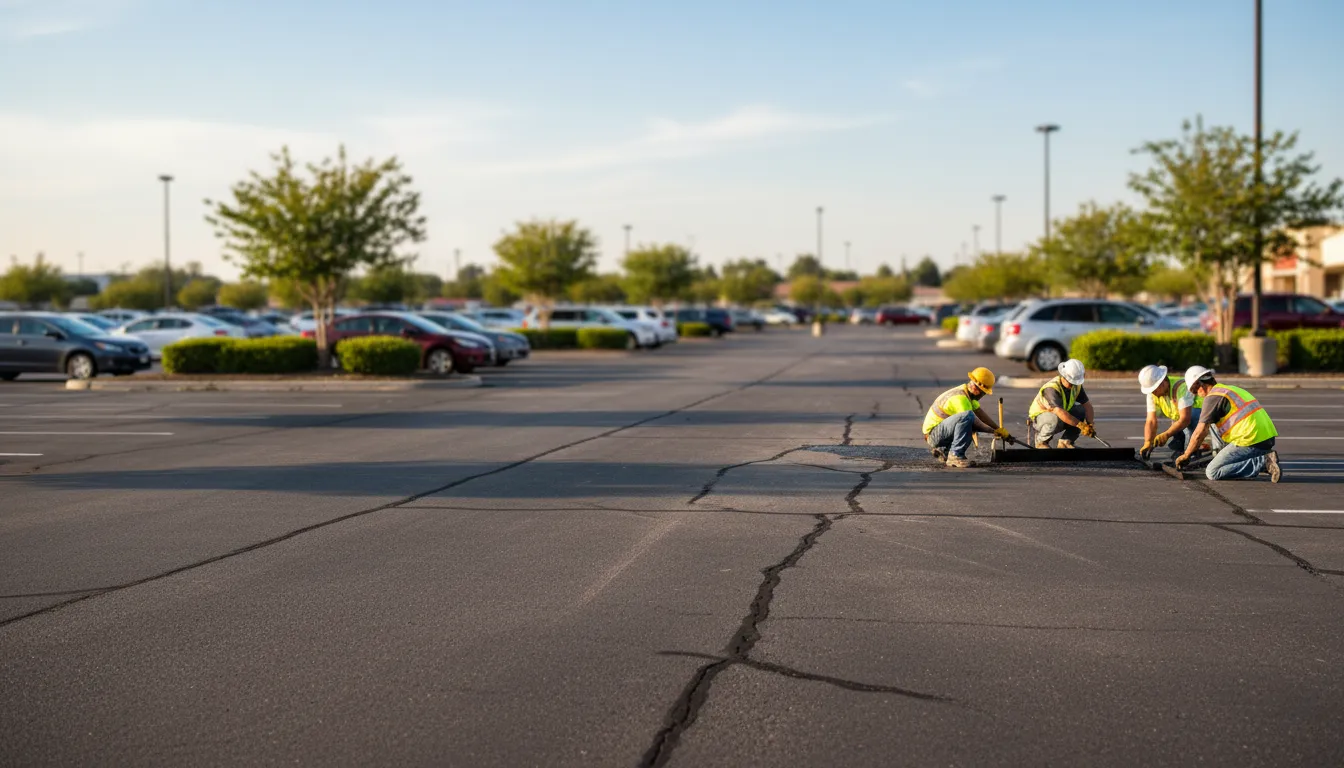
Find the Best Parking Lot Repair Companies for Your Business
No obligation • Fast responses • Nationwide coverage
Why you can trust Tidy Parking
Tidy Parking is a leading U.S. source for parking lot maintenance services, including striping, sealcoating, sweeping, paving, resurfacing, and repairs. Our content is created independently, and providers cannot pay to influence ratings or recommendations.
Search providers near you
Top Parking Lot Repair Companies in West New York, New Jersey Ranked
Maintaining a safe and functional parking area is a critical responsibility for any business or property manager in West New York. Parking lot repair addresses the cracks, potholes, and surface failures that inevitably occur due to weather, traffic, and time. This guide explains the common issues, repair methods, and costs specific to our local climate, helping you make informed decisions to protect your pavement investment and ensure a positive first impression for customers and tenants.
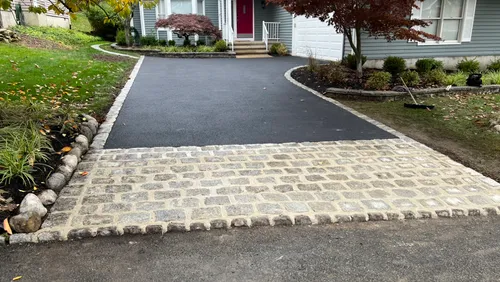
Pavement Specialist Inc
8 Campus Dr #106, Parsippany, NJ 07054
Pavement Specialist Inc provides paving, masonry, waterproofing, and repair services for residential and commercial properties in New York, NY. They specialize in installing and maintaining driveways, patios, walkways, retaining walls, and other exterior features using durable materials and proven methods suited for seasonal weather. Their capabilities include asphalt and paver driveway installation, masonry construction, foundation and basement waterproofing, and structural repairs. Serving communities throughout New Jersey, they focus on practical solutions to enhance and protect properties.
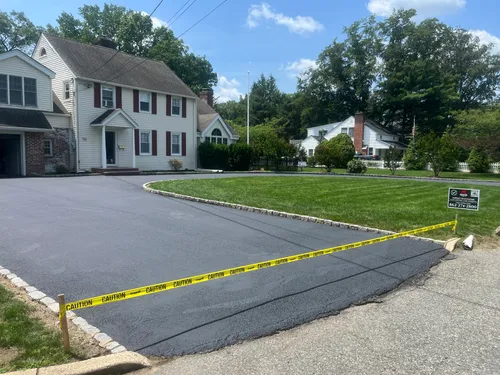
Kingdom Contracting & Sealcoating LLC
678 Newark Pompton Turnpike NJ 07444, Pompton Plains, NJ 07444
Kingdom Contracting & Sealcoating LLC is a family-owned asphalt maintenance company based near Pompton Plains, NJ, serving communities in North Jersey including Morris, Passaic, Bergen, Essex, and Union counties. They specialize in driveway and parking lot sealcoating, asphalt repair, crack filling, and commercial parking lot maintenance for homeowners, businesses, and HOAs. Founded in 2017, the company focuses on proper surface preparation and quality materials to ensure durable results.
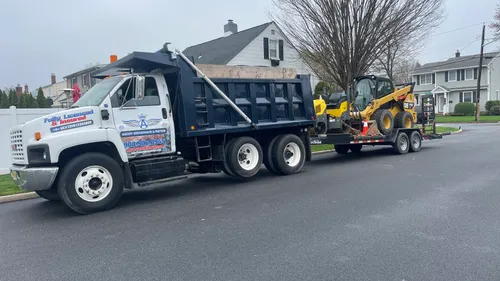
Ascot Driveways and Patios
55 Madison Ave suite 400 #4342, Morristown, NJ 07960
Ascot Driveways and Patios is a paving and masonry contractor serving New York, NY, and the surrounding Morris County area. They specialize in asphalt and concrete driveway installation, sealcoating, repairs, masonry wall building, patio construction, and landscaping hardscaping services. The company is experienced in restoring asphalt driveways with high-strength seal coating and offers a wide range of driveway and patio solutions tailored to customer needs. Ascot Driveways and Patios is a family-operated business known for its skilled craftsmanship and attention to detail, with a history of satisfied clients and completed projects in the region.

Accurate Paving
46 Barkley Ave, Clifton, NJ 07011
Accurate Paving is a paving contractor based in New York, NY, offering residential and commercial paving services. They handle projects such as asphalt repair, new driveways, parking lots, courtyards, and patios. The company has over 50 years of experience across three generations of the Mitchell family, bringing extensive knowledge and proven techniques to each job. Their services include paving stone installation and decorative hardscapes, with a focus on quality workmanship and detailed project quotes.
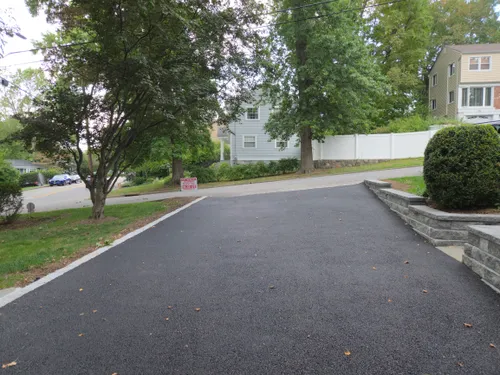
Just Paving Inc
60 Dartmouth Ave, Yonkers, NY 10701
Just Paving Inc is a paving and masonry company based in New York, NY, serving residential and commercial clients in Yonkers and Westchester County. They offer a range of services including driveway paving, parking lot paving, resurfacing, repairs, and lot striping. Their expertise extends to masonry work such as retaining walls, patios, fire pits, and concrete steps. Established in 2000, Just Paving Inc has over two decades of experience delivering durable and visually appealing paving solutions. They focus on quality materials and craftsmanship to enhance property appearance and functionality.
Why Parking Lots in West New York Need Frequent Attention
The asphalt pavement in our area faces a relentless combination of environmental and usage challenges. Understanding these forces is key to planning effective maintenance and asphalt repair.
- Harsh Freeze-Thaw Cycles: New Jersey winters are particularly tough on asphalt. Water seeps into small cracks, freezes, and expands, which widens the cracks and breaks apart the pavement structure from within. This cycle is a primary cause of potholes and alligator cracking 1.
- High-Volume and Heavy Traffic: West New York's dense urban environment means parking lots endure constant use from passenger vehicles and frequent stress from delivery trucks and service vehicles. This heavy load accelerates wear, leading to rutting, depressions, and structural fatigue.
- Water Infiltration and Drainage Issues: When water is allowed to penetrate the asphalt surface and erode the stone base underneath, the support system fails. This leads to sinking, pooling water, and widespread alligator cracking, which signals a failing base.
- Material Aging and Oxidation: Over time, asphalt binder loses its flexibility due to exposure to sun and air, a process called oxidation. This makes the pavement brittle and more susceptible to cracking from minor stress.
Common Types of Parking Lot Damage
Recognizing early signs of pavement distress can save significant money by allowing for simpler repairs before problems escalate.
- Potholes: These bowl-shaped holes are a safety hazard and can damage vehicles. They form from untreated cracks where water has weakened the base material.
- Alligator (Fatigue) Cracking: A network of interconnected cracks that resemble alligator skin. This pattern indicates a failure of the underlying base or subgrade, often due to water infiltration or overloading 2.
- Linear and Transverse Cracks: Straight-line cracks that run along or across the pavement. They can be caused by shrinkage, underlying utility trenches, or normal aging. Left unsealed, they allow water to enter and cause further damage.
- Rutting and Depressions: Channels or low spots in the wheel paths where the asphalt has deformed under traffic. These areas collect water and indicate structural weakness or inadequate compaction during original installation.
- Raveling and Fading: The loss of surface aggregate, leaving a rough, pitted texture, and the fading of the rich black color to gray. This is a sign of surface aging and the need for protective sealcoating.
Professional Repair Methods for Lasting Results
For a durable fix, professional contractors use specialized techniques tailored to the type and extent of damage. Here are the most common solutions for parking lot maintenance in West New York.
Infrared Asphalt Repair
This advanced technique uses infrared heaters to soften the existing damaged asphalt and the surrounding area. The warmed material is then raked, fresh asphalt mix is added if needed, and it is seamlessly re-compacted. This method creates a monolithic, watertight patch with no cold joints, making it highly resistant to re-failure. It's particularly effective for potholes and localized damaged areas and can often be performed year-round.
Asphalt Patching (Patch Repair)
The conventional method for addressing potholes and isolated damage. The failed area is saw-cut or milled out to remove all compromised material. The hole is cleaned, a tack coat is applied, and new hot mix asphalt is installed and compacted. This is a reliable solution for repairs where the surrounding pavement is still in good condition.
Crack Sealing and Filling
A crucial preventative maintenance step. Cracks are cleaned and then filled with a hot-pour rubberized sealant or cold-applied filler. This seals out water, prevents further erosion of the base, and stops cracks from expanding. It is the most cost-effective way to extend pavement life 3.
Asphalt Overlay (Resurfacing)
When the pavement surface is extensively aged and cracked but the underlying base is structurally sound, an overlay is an excellent option. The existing surface is cleaned and sometimes milled, and a new layer of asphalt (typically 1.5 to 2 inches thick) is placed over the entire area. This restores a smooth, new driving surface and adds structural life at a fraction of the cost of full reconstruction, typically ranging from $2.00 to $4.00 per square foot 4 5.
Full-Depth Replacement
For severe failures where the base material has failed-indicated by deep potholes, severe alligator cracking, or sinking-a full-depth repair is necessary. This involves saw-cutting and removing the asphalt and the compromised base material down to the stable subgrade. A new aggregate base is installed and compacted before new asphalt is laid. This is the most comprehensive and durable repair for isolated structural failures.
Find the perfect parking lot repair companies for your needs
Get personalized recommendations and expert advice
Understanding Parking Lot Repair Costs in West New York
Costs for asphalt maintenance and restoration vary widely based on the repair method, the extent of damage, and the size of the project. The following estimates are based on local New Jersey pricing 6 7.
- Small Pothole or Patch Repair: For conventional removal and replacement of a damaged section, costs typically range from $300 to $600 per repair area.
- Infrared Asphalt Repair: This seamless patching method generally costs between $300 and $500 per repair.
- Crack Sealing: Often priced by the linear foot or as a project minimum, this is one of the most affordable preventative services.
- Sealcoating: A protective coating for the surface, typically recommended every 2-3 years. For a small lot (4,000 - 7,000 sq ft), sealcoating may cost between $1,200 and $2,100.
- Asphalt Overlay/Resurfacing: As noted, applying a new surface layer averages $2.00 - $4.00 per square foot. A large lot resurfacing project (e.g., 35,000+ sq ft) can range from $10,000 to $40,000 or more.
- Full-Depth Saw-Cut Repair: For repairing a section down to the base, prices can range from $800 to $2,000+ per area.
- Complete Paving/Full Replacement: When a lot must be entirely reconstructed, including new base work, costs range from $3.50 to $7.00 per square foot.
The Critical Role of Preventative Maintenance
Proactive care is the most effective strategy for managing long-term pavement costs in our climate.
- Regular Sealcoating: Applying a coal tar or asphalt-based sealer every 2-3 years protects the surface from UV oxidation, water penetration, and chemical spills like oil and gasoline. This simple step can double the life of your asphalt surface 8.
- Prompt Crack Repair: Address cracks as soon as they appear, ideally with professional sealing. A small crack sealing job today prevents a costly base repair or pothole fix tomorrow 9 10.
- Proper Drainage Management: Ensure catch basins and drainage paths are clear. Standing water is one of asphalt's biggest enemies, as it relentlessly works into imperfections and weakens the pavement system 11 12.
- Strategic Timing: While some repairs like infrared can be done year-round, optimal paving and sealing conditions are during warmer, drier months (typically late spring through early fall) for best material compaction and curing.
Frequently asked questions
Sources
Footnotes
-
Parking Lot Maintenance Services in New Jersey - Earle American - https://earleamerican.com/site-work/ ↩
-
Top Signs Your Commercial Parking Lot Needs Asphalt Repair - https://www.crosscountrypaving.com/blog/top-signs-your-commercial-parking-lot-needs-asphalt-repair ↩
-
Invest in Parking Lot Maintenance for Lasting Lots - https://blog.asphaltkingdom.com/invest-in-parking-lot-maintenance ↩
-
How Much Does It Cost to Pave a Parking Lot in NJ? (2025 Guide) - https://www.fixasphalt.com/blog/how-much-does-it-cost-to-pave-a-parking-lot-in-nj-2025-guide ↩
-
Parking Lot Paving vs. Resurfacing: What's Better for New ... - https://mrblacktop.net/parking-lot-paving-vs-resurfacing-whats-better-for-new-york-weather ↩
-
Pothole Repair in New Jersey (2026 Guide): Cost, Parking Lot ... - https://www.fixasphalt.com/testblog/pothole-repair-in-new-jersey-2026-guide-cost-parking-lot-repair-asphalt-patching ↩
-
How Much Does It Cost To Sealcoat An Asphalt Parking Lot In NJ ... - https://www.fixasphalt.com/blog/how-much-does-it-cost-to-sealcoat-an-asphalt-parking-lot-1 ↩
-
Why asphalt sealcoating every 2 years saves you money - https://www.youtube.com/shorts/ucYomY6ENa8 ↩
-
Parking Lot Paving New Jersey | Asphalt Parking Lot Repair NJ - https://www.gspavement.com/parking-lot-paving/ ↩
-
Parking Lot Pothole Repair in NJ - Fix Asphalt - https://www.fixasphalt.com/blog/parking-lot-pothole-repair-in-nj ↩
-
Why Preventative Maintenance Saves Cities Money on Road Repairs - RedStone Construction Group - https://redstone-cg.com/blog/preventative-maintenance-saves-cities-money/ ↩
-
Common Asphalt Issues and How to Avoid Them - Walt's Paving - https://waltspaving.com/common-asphalt-issues-and-how-to-avoid-them/ ↩