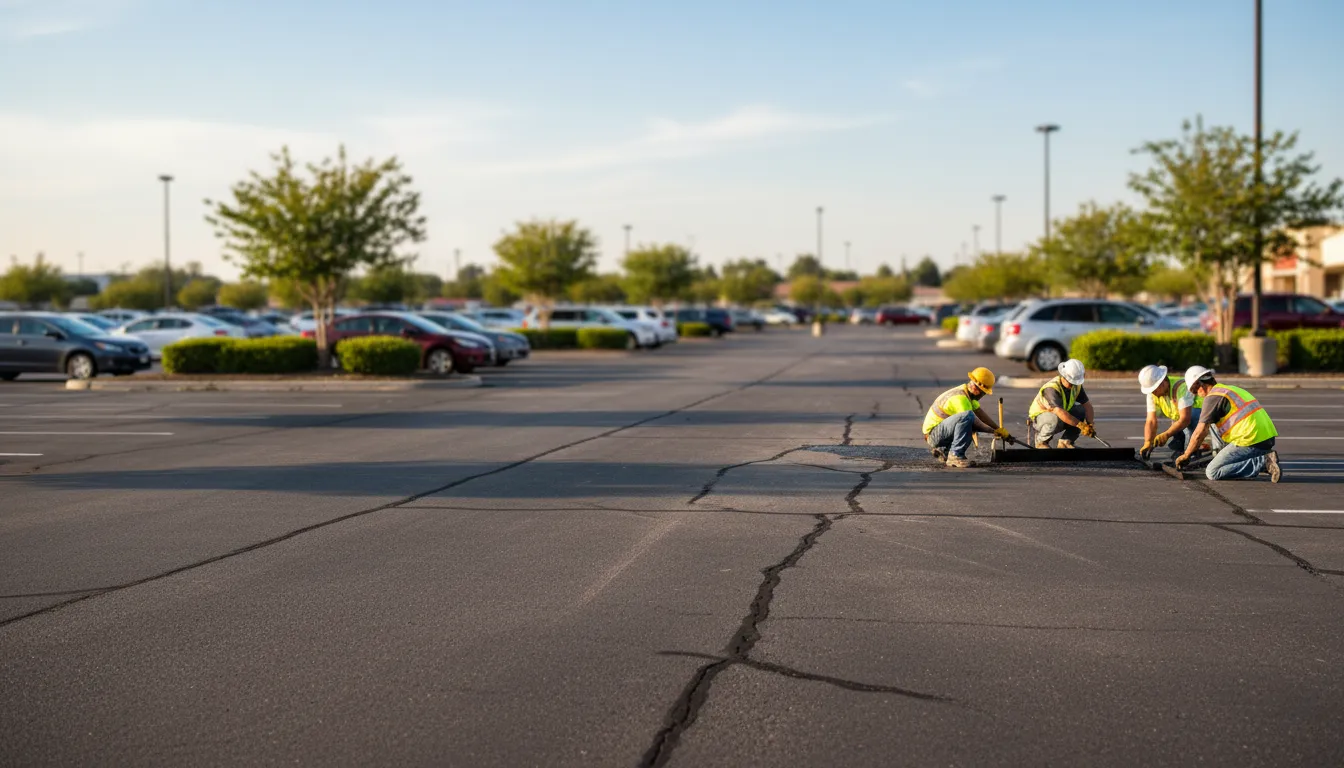
Find the Best Parking Lot Repair Companies for Your Business
No obligation • Fast responses • Nationwide coverage
Why you can trust Tidy Parking
Tidy Parking is a leading U.S. source for parking lot maintenance services, including striping, sealcoating, sweeping, paving, resurfacing, and repairs. Our content is created independently, and providers cannot pay to influence ratings or recommendations.
Search providers near you
Top Parking Lot Repair Companies in Piscataway, New Jersey Ranked
Maintaining a safe, functional, and professional parking area is a critical responsibility for any business or property manager in Piscataway. Parking lot repair addresses the cracks, potholes, and drainage failures that inevitably develop due to New Jersey's harsh weather and constant traffic. This guide explains the common causes of asphalt deterioration, details the repair methods used by local contractors, and provides a framework for evaluating your property's needs to connect with qualified professionals for restoration work.
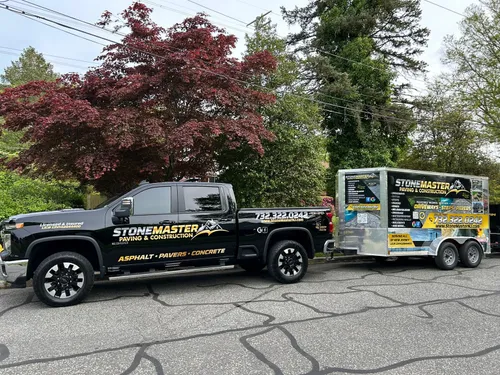
Stone Master Paving & Construction Corp.
914 Hermann Rd, North Brunswick Township, NJ 08902
Stone Master Paving & Construction Corp. is a licensed and insured paving and masonry company serving Edison, NJ. They offer a range of services including driveway paving, parking lot repair, resurfacing, and paver installation. The company has over 35 years of industry experience and provides skilled masonry work such as patios, walkways, and retaining walls. Their team uses quality materials and up-to-date techniques to ensure durable results.
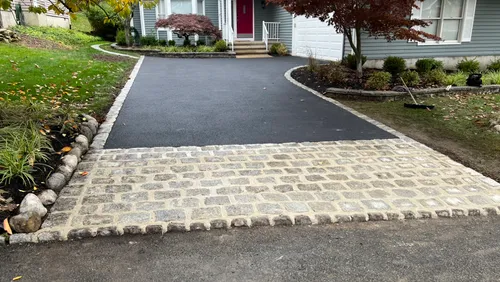
Pavement Specialist Inc
8 Campus Dr #106, Parsippany, NJ 07054
Pavement Specialist Inc provides paving, masonry, waterproofing, and repair services for residential and commercial properties in New York, NY. They specialize in installing and maintaining driveways, patios, walkways, retaining walls, and other exterior features using durable materials and proven methods suited for seasonal weather. Their capabilities include asphalt and paver driveway installation, masonry construction, foundation and basement waterproofing, and structural repairs. Serving communities throughout New Jersey, they focus on practical solutions to enhance and protect properties.
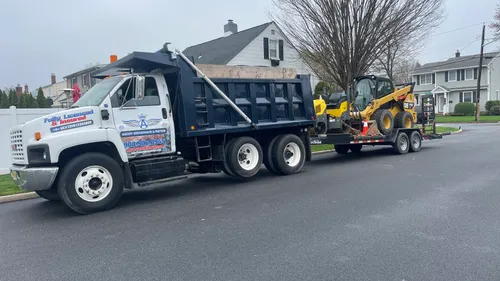
Ascot Driveways and Patios
55 Madison Ave suite 400 #4342, Morristown, NJ 07960
Ascot Driveways and Patios is a paving and masonry contractor serving New York, NY, and the surrounding Morris County area. They specialize in asphalt and concrete driveway installation, sealcoating, repairs, masonry wall building, patio construction, and landscaping hardscaping services. The company is experienced in restoring asphalt driveways with high-strength seal coating and offers a wide range of driveway and patio solutions tailored to customer needs. Ascot Driveways and Patios is a family-operated business known for its skilled craftsmanship and attention to detail, with a history of satisfied clients and completed projects in the region.

Accurate Paving
46 Barkley Ave, Clifton, NJ 07011
Accurate Paving is a paving contractor based in New York, NY, offering residential and commercial paving services. They handle projects such as asphalt repair, new driveways, parking lots, courtyards, and patios. The company has over 50 years of experience across three generations of the Mitchell family, bringing extensive knowledge and proven techniques to each job. Their services include paving stone installation and decorative hardscapes, with a focus on quality workmanship and detailed project quotes.
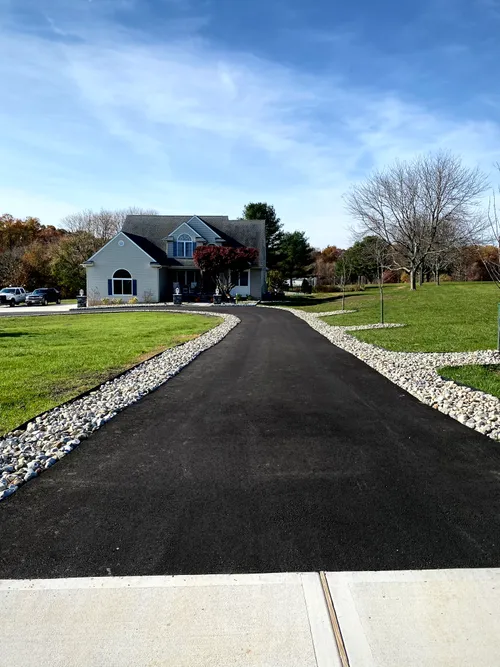
J & S Pave-Rite Paving
4 Cedarwood Ln, Jackson Township, NJ 08527
J & S Pave-Rite Paving is a family-owned paving company serving Lakewood, NJ, with over 30 years of experience in commercial, residential, and municipal asphalt paving. They offer a range of services including parking lot paving, seal coating, milling, resurfacing, and concrete work such as sidewalks and curbs. The company is equipped to handle large commercial and municipal projects and has completed work for clients like Wendy's and Gold's Gym in the region. With a history dating back to 1950, J & S Pave-Rite Paving emphasizes quality materials and workmanship to ensure long-lasting results.
Why Piscataway Parking Lots Need Regular Maintenance
The asphalt surfaces in Piscataway face a relentless combination of environmental and mechanical stressors. Understanding these forces is key to proactive maintenance planning.
Freeze-Thaw Cycles: New Jersey's climate is a primary culprit. Water seeps into small cracks in the pavement. When temperatures drop, this water freezes and expands, exerting tremendous pressure that widens cracks and breaks apart the asphalt, leading to potholes 1. This cycle repeats throughout the winter, accelerating damage.
Heavy Traffic Loads: As a commercial hub in Middlesex County, Piscataway sees significant traffic from delivery trucks, service vehicles, and daily customer cars. This constant, heavy load creates fatigue in the asphalt, leading to structural issues like alligator cracking (a series of interconnected cracks that resemble alligator skin), rutting, and depressions 2.
Oxidation and Aging: Simply put, asphalt dries out. Prolonged exposure to UV rays from the sun causes the binding oils in the asphalt to evaporate. This process, called oxidation, makes the pavement brittle and less flexible, dramatically increasing its susceptibility to cracking and raveling (where the surface loosens and aggregates come loose) 3.
Drainage Failures: Perhaps the most overlooked issue is improper water management. If a parking lot is not graded correctly, water will pool instead of flowing toward drains. This standing water relentlessly weakens the asphalt's bond and, more critically, can penetrate to erode the stone sub-base beneath. In winter, these puddles freeze, causing immediate surface damage 4.
Common Types of Parking Lot Damage
Recognizing early signs of trouble can save significant money by allowing for simpler interventions before major reconstruction is needed.
- Cracks: The first sign of distress. Hairline cracks from oxidation, linear cracks along pavement seams, or block cracks forming large rectangles. Left unfilled, they become conduits for water.
- Potholes: The result of unaddressed cracking. Water undermines the sub-base, traffic breaks the weakened surface, and a hole forms. They are tripping hazards and can damage vehicles.
- Alligator Cracking: A network of interconnected cracks that signals a failing base. This often requires more than a surface fix.
- Rutting and Depressions: Channels or dips worn into the pavement, typically in wheel paths, indicating compaction or base failure. They collect water and create an uneven driving surface.
- Faded Markings and Sealcoat Failure: While not structural, worn lane lines, crosswalks, and disabled parking symbols create safety and compliance issues. A peeling or absent sealcoat leaves asphalt vulnerable.
Professional Repair Methods Used in Piscataway
Local asphalt contractors employ a range of techniques, chosen based on the type and extent of damage.
Crack Filling and Sealcoating
This is preventative and minor corrective maintenance. Crack filling involves cleaning cracks and filling them with a hot-pour rubberized material to prevent water intrusion. Sealcoating is the application of a protective coal-tar or asphalt-based emulsion over the entire surface. It restores a rich black color, protects against UV rays and oil spills, and extends the pavement's life. It is a cost-effective treatment for lots with good structural integrity but showing signs of aging.
Infrared Asphalt Repair
A highly efficient method for repairing potholes and localized damaged areas. A specialized heater softens the existing asphalt in the repair zone. New asphalt mix is then added and blended seamlessly with the old, creating a monolithic, watertight patch with no seams for water to penetrate. It's faster and often more cost-effective for certain repairs than traditional patching.
Remove and Replace (Full-Depth Patching)
For areas with severe alligator cracking or base failure, this is the standard solution. The damaged section is saw-cut, fully excavated down to the stable sub-base, and replaced with new hot-mix asphalt. This method addresses the root cause of the problem in a specific area and is a common fix for sections that have failed completely.
Parking Lot Resurfacing (Overlay)
When the pavement base is structurally sound but the surface is extensively worn, cracked, or weathered, an overlay is the ideal solution. The existing surface is thoroughly cleaned, and a new layer of asphalt (typically 1.5 to 2 inches thick) is applied over the entire lot. This restores a like-new driving surface, addresses widespread surface defects, and can add 8-15 years of life. It is a major project but less invasive and costly than a full reconstruction.
Milling and Repaving
For lots with drainage or grade issues, or where adding a new layer would create problems with curb heights, milling is the first step. A milling machine grinds off the top layer of existing asphalt. The surface is then repaved with new material. This corrects the profile and grade while providing a brand-new surface.
Find the perfect parking lot repair companies for your needs
Get personalized recommendations and expert advice
Understanding Costs for Asphalt Restoration
Project costs in Piscataway vary widely based on the repair method, the extent of damage, and the size of the lot. The following are estimated price ranges based on regional data; obtaining detailed quotes from local contractors is essential.
Minor Repairs & Maintenance:
- Crack Sealing: $1.00 - $2.00 per linear foot.
- Infrared Repair (per patch): $300 - $500.
- Small Patch Repair (Remove & Replace): $300 - $600 per area.
- Sealcoating: Approximately $0.19 per square foot for material, with total project cost depending on labor, preparation, and lot size 5.
Major Restoration Projects:
- Full-Depth Saw-Cut Patching: $800 - $2,000+ per significant area 6.
- Resurfacing/Overlay: $1.00 - $3.00 per square foot 7.
- Milling and Repaving: $2.50 - $6.00 per square foot 8.
- Re-striping: After repair, lines must be repainted. For a large lot, cleaning may cost $75-$90, with line painting approximately $4-$5 per standard 18-foot line 9.
The Consequences of Deferred Maintenance
Postponing necessary parking lot upkeep is a costly decision. Small cracks quickly become large potholes. Localized base failure can spread. What begins as a few hundred dollars in crack filling can escalate into a multi-thousand-dollar resurfacing project in just a few seasons. Beyond the financial impact, a dilapidated lot presents liability risks from trip-and-fall accidents or vehicle damage, projects an unprofessional image to customers and tenants, and can even lead to code violations for inaccessible parking spaces.
Planning Your Piscataway Parking Lot Project
A successful repair project starts with a clear assessment.
- Conduct a Walkthrough: Survey your lot seasonally. Photograph and note all cracks, potholes, drainage areas, and faded markings.
- Define Your Goals: Are you addressing immediate safety hazards, planning preventative care, or preparing for a major renovation to improve property value?
- Consult with Professionals: Reach out to established local contractors for inspections and detailed written estimates. Reputable companies will explain the why behind their recommended solutions.
- Review Scope and Quotes: Ensure quotes clearly define the repair methods (e.g., infrared vs. patching), materials, preparation work (cleaning, drainage correction), and final finishes like sealcoating and striping.
- Schedule the Work: Asphalt projects are weather-dependent. Planning for the warmer, drier months (late spring through early fall) is ideal and may provide more scheduling flexibility.
Frequently asked questions
Sources
Footnotes
-
Asphalt Repair NJ: Fix Cracks, Potholes, & More - https://www.fixasphalt.com/asphalrepair ↩
-
NJ Parking Lot Paving Cost Factors in Somerset County - Fix Asphalt - https://www.fixasphalt.com/blog/nj-commercial-parking-lot-paving-1-1 ↩
-
Transform Your Parking Lot With a Top-Rated NJ ... - Fix Asphalt - https://www.fixasphalt.com/blog/transform-your-parking-lot-with-a-top-rated-nj-parking-lot-service-company ↩
-
Drainage Issues: Why Standing Water is Freezing and Destroying Your Lot - https://asphaltinc.com/parking-lot-drainage-standing-water-freezing/ ↩
-
How Much Does It Cost To Sealcoat An Asphalt Parking Lot In NJ? ( ... - https://www.fixasphalt.com/blog/how-much-does-it-cost-to-sealcoat-an-asphalt-parking-lot-1 ↩
-
Pothole Repair in New Jersey (2026 Guide): Cost, Parking Lot ... - https://www.fixasphalt.com/testblog/pothole-repair-in-new-jersey-2026-guide-cost-parking-lot-repair-asphalt-patching ↩
-
Parking Lot Resurfacing: Complete Cost Guide & Process [2025] - https://www.candcsuperseal.com/parking-lot-resurfacing-complete-cost-guide-process-2025/ ↩
-
How Much Does It Cost to Pave a Parking Lot in NJ? (2025 Guide) - https://www.fixasphalt.com/blog/how-much-does-it-cost-to-pave-a-parking-lot-in-nj-2025-guide ↩
-
New Jersey Parking Lot Repairs - https://www.fixasphalt.com/blog/new-jersey-parking-lot-repairs ↩