Find the Best Parking Lot Repair Companies for Your Business
No obligation • Fast responses • Nationwide coverage
Why you can trust Tidy Parking
Tidy Parking is a leading U.S. source for parking lot maintenance services, including striping, sealcoating, sweeping, paving, resurfacing, and repairs. Our content is created independently, and providers cannot pay to influence ratings or recommendations.
Search providers near you
Best Parking Lot Repair Companies in North Dakota Ranked
Maintaining a safe and functional parking lot is a critical responsibility for property owners and managers in North Dakota. The state's extreme climate, with its punishing freeze-thaw cycles, accelerates pavement deterioration, making timely and effective repair essential for safety, liability, and long-term value. This guide provides a detailed overview of parking lot repair methods, costs, and best practices specific to North Dakota, helping you understand your options and make informed decisions for your property.
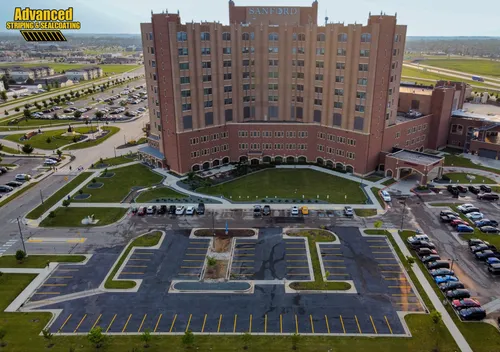
Advanced Striping and Sealcoating
4586 27 St N, Fargo, ND 58102
Advanced Striping and Sealcoating is a parking lot striping, sealcoating, and repair company based in Fargo, ND. They provide services that include parking lot striping according to codes and regulations, asphalt sealcoating to protect surfaces from damage, and preventative maintenance to extend the life of parking lots. Founded in 2009 by Tyler, the company brings over a decade of experience and uses industry-leading equipment to serve the Fargo-Moorhead region.
Straightline Inc
7759 3rd St S, Moorhead, MN 56560
Straightline Inc is a family-owned business based near Fargo, ND, offering comprehensive asphalt, concrete, and snow removal services. They provide parking lot striping, sealcoating, paving, and repair, serving North Dakota, South Dakota, and Minnesota. With over 19 years of experience, Straightline Inc also offers 24-hour emergency service to handle urgent needs.
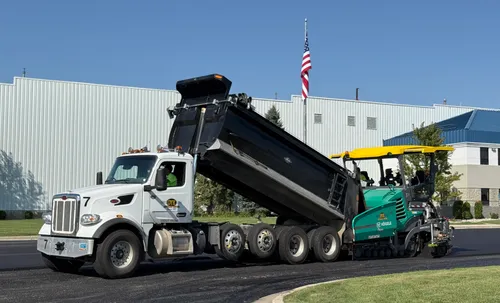
Hubert Oye & Sons Asphalt Paving
4370 52nd Ave N, Fargo, ND 58102
Hubert Oye & Sons Asphalt Paving is a parking lot paving and maintenance company based in Fargo, ND. They offer a wide range of asphalt services including parking lot paving, patching, grading, resurfacing, and professional lot striping. The company also provides snow removal and de-icing services, using specialized equipment and clean liquid deicers to maintain parking lots and walkways. Established originally as a gravel supply business, it transitioned to asphalt paving and has been operated by the founder's sons since 1977, serving the Fargo-Moorhead area with a focus on quality and customer satisfaction.
The North Dakota Climate Challenge
The single greatest factor influencing pavement maintenance in North Dakota is the weather. The state experiences severe freeze-thaw cycles, where moisture seeps into small cracks in the asphalt. When temperatures drop, this water freezes and expands, exerting tremendous pressure that widens cracks and breaks apart the pavement structure, leading to potholes and alligator cracking 1. This cycle repeats dozens of times each winter, relentlessly attacking the asphalt surface and sub-base.
Understanding this process is key to developing an effective maintenance strategy. The goal is to create a waterproof barrier to prevent moisture infiltration in the first place. Once water gets beneath the surface, damage accelerates rapidly, leading to far more expensive repairs down the line.
Optimal Timing for Asphalt Repairs
Scheduling is crucial for durable repairs. The optimal window for most asphalt maintenance and repair work in North Dakota is from late spring through early fall, when daytime temperatures are consistently above 50°F. This temperature range allows hot mix asphalt (HMA) to be properly placed, compacted, and cured, resulting in a strong, long-lasting patch or overlay.
- Cold Weather Limitations: Repairs attempted in winter are typically less durable. They often require cold mix asphalt or specialized heated mastics, which are temporary solutions at best 2 3. These materials do not bond as effectively as hot mix and are more susceptible to popping out under traffic, especially during subsequent freeze-thaw events. Planning major repair projects for the warmer months is a best practice for cost-effectiveness and longevity.
Common Parking Lot Repair Methods
Choosing the right repair technique depends on the type and extent of damage. Here's a breakdown of the most common methods used by professional contractors.
Crack Filling and Sealing
This is the most fundamental and cost-effective preventive maintenance. It involves cleaning out debris from cracks and filling them with a hot-pour rubberized sealant or cold-applied filler.
- Process: Cracks are first cleaned with compressed air or high-pressure water. For optimal results, especially on larger cracks, a process called routing may be used. Routing widens and deepens the crack to create a clean, reservoir-shaped channel, which allows for better adhesion and a thicker sealant fill that lasts longer.
- Purpose: The primary goal is to create a flexible, waterproof seal that prevents water from penetrating the pavement base. Proactive crack sealing is the first line of defense against North Dakota's freeze-thaw damage.
Pothole Patching
When cracks are left unsealed, potholes are the inevitable result. Proper pothole repair is more than just filling a hole; it requires preparation to ensure the patch stays in place.
- Process: A quality repair involves:
- Removal: Saw-cutting or jackhammering around the pothole to create clean, vertical edges.
- Cleaning: Thoroughly removing all loose debris, water, and dirt from the hole.
- Tack Coating: Applying a liquid asphalt adhesive to the sides and bottom of the hole to promote bonding.
- Filling & Compacting: Placing hot mix asphalt in layers and compacting each layer with a vibratory plate compactor or roller to achieve proper density.
- "Throw-and-Go" vs. Permanent Repair: The temporary "throw-and-roll" method (filling with cold patch without preparation) is a short-term fix. For a permanent repair that withstands traffic and weather, the full "dig-out" or saw-cut method is necessary.
Resurfacing (Overlay)
When a pavement has widespread surface cracking, weathering, and minor irregularities but a structurally sound base, resurfacing is an excellent option.
- Process: This involves milling (grinding) off the very top layer of asphalt (if needed for drainage) and then applying a new layer of hot mix asphalt, typically 1.5 to 2 inches thick, over the entire existing surface.
- Best Candidate: Pavements with less than 30% damage area. A successful overlay can extend the life of your parking lot by 8 to 15 years 4. It is a more economical alternative to full reconstruction, restoring a smooth, black, like-new appearance.
Full Depth Replacement
When damage is severe, with alligator cracking (closely spaced interconnected cracks), deep potholes, and base failure, resurfacing is no longer viable. At this stage, the pavement system has failed.
- Process: This is a complete reconstruction. The old asphalt and compromised base materials are excavated down to the stable subgrade. A new, engineered aggregate base is installed and compacted, followed by new layers of hot mix asphalt.
- Indicators: Needed when over 30% of the surface is damaged or when underlying soil and base issues are present. It is the most expensive option but provides a brand-new, long-lasting pavement structure.
Find the perfect parking lot repair companies for your needs
Get personalized recommendations and expert advice
Understanding Repair Costs in North Dakota
Costs vary significantly based on the repair method, the extent of damage, and the specific location in the state. The following are general price ranges, with local quotes providing the most accurate figures.
- Crack Filling: Typically costs between $1.00 to $1.50 per linear foot5. Routing the cracks beforehand will add to the cost but improves longevity.
- Pothole Repair: Permanent, saw-cut repairs for a standard pothole can range from $100 to $300 per patch. On a per-square-foot basis, professional pothole patching often falls between $2 to $5 per sq. ft. 6.
- Resurfacing/Overlay: For a 2-inch overlay in the Bismarck area, costs have been reported in the range of $1.36 to $1.54 per square foot7. Nationally, overlay costs generally range from $1 to $3 per sq. ft., depending on regional material costs, project size, and preparation work needed 8.
- Total Replacement: As a full reconstruction project, this is the most expensive option, with costs typically ranging from $4 to $10 per square foot9 10.
Best Practices for North Dakota Property Owners
Adopting a proactive maintenance mindset is the most cost-effective strategy for managing your parking lot investment.
- Implement a Regular Inspection Schedule: Visually inspect your pavement each spring and fall. Look for new cracks, raveling (loose stones), and drainage issues.
- Sealcoat on a 2-3 Year Cycle: While not a repair method itself, sealcoating is a vital protective measure. It provides a protective shield against UV oxidation, gasoline, oil, and water. In North Dakota, applying a fresh sealcoat every 2-3 years dramatically slows the aging process of asphalt and makes crack sealing more effective 11.
- Seal Cracks Annually: Address new cracks every year before winter. This simple, relatively low-cost step prevents minor issues from becoming major, expensive problems 12.
- Plan Major Work for Summer: Schedule overlays, extensive patching, and sealcoating for the warm, dry months to ensure the highest quality results.
- Address Drainage Issues: Water is the enemy of asphalt. Ensure catch basins are clear and the pavement slopes correctly to direct water away from the surface. Standing water will inevitably lead to premature failure.
By understanding the unique challenges posed by the North Dakota climate and the range of available repair solutions, you can develop a smart maintenance plan that preserves your pavement, ensures safety, and protects your property's value over the long term.
Frequently asked questions
Sources
Footnotes
-
Parking Lot Resurfacing: Complete Cost Guide & Process [2025] - C&C Super Seal - https://www.candcsuperseal.com/parking-lot-resurfacing-complete-cost-guide-process-2025/ ↩
-
Asphalt Repair | Asphalt Patching - https://info.asphaltkingdom.com/asphalt-patching-guide ↩
-
Pothole Prevention and Repair Strategies: A Continuing Challenge - https://mdl.mndot.gov/_flysystem/fedora/2023-02/201814ts.pdf ↩
-
Parking Lot Repair, Resurfacing, or Replacement: Which is Right for ... - https://emeier.com/parking-lot-repair-resurfacing-or-replacement-which-is-right-for-you/ ↩
-
Crack fill pricing : r/asphalt - Reddit - https://www.reddit.com/r/asphalt/comments/1boziqq/crack_fill_pricing/ ↩
-
How Much Does It Cost to Repair an Asphalt Driveway? [2025 Data] - https://www.homeadvisor.com/cost/outdoor-living/repair-asphalt-paving/ ↩
-
Bismarck Parking Lots Costs & Prices - ProMatcher Cost Report - https://parking-lots.promatcher.com/cost/bismarck-nd-parking-lots-costs-prices.aspx ↩
-
Fall Asphalt Maintenance Checklist for PA Driveways | Guide - https://asphaltpa.com/blog/fall-asphalt-maintenance-checklist/ ↩
-
Parking Lot Resurfacing: Complete Cost Guide & Process [2025] - https://www.candcsuperseal.com/parking-lot-resurfacing-complete-cost-guide-process-2025/ ↩
-
2025 Asphalt Repair Cost | Fixing Driveways, Cracks & Potholes - https://www.thumbtack.com/p/asphalt-repair-cost ↩
-
Commercial Sealcoating & Crack Fill - https://www.capitalpaving-sealcoating.com/services/commercial/sealcoating-2/ ↩
-
Everything You Need to Know About Parking Lot Repair - Neighbor - https://www.neighbor.com/storage-blog/parking-lot-repair/ ↩