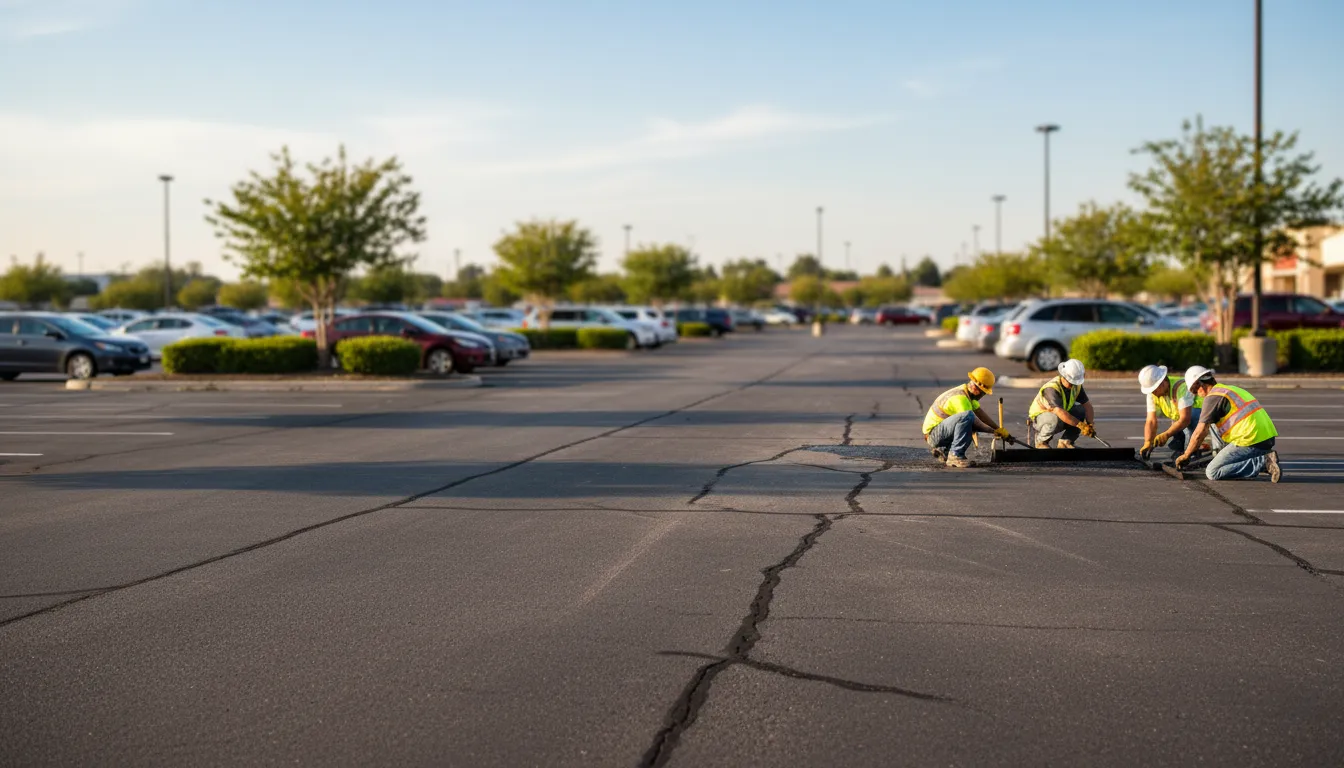
Find the Best Parking Lot Repair Companies for Your Business
No obligation • Fast responses • Nationwide coverage
Why you can trust Tidy Parking
Tidy Parking is a leading U.S. source for parking lot maintenance services, including striping, sealcoating, sweeping, paving, resurfacing, and repairs. Our content is created independently, and providers cannot pay to influence ratings or recommendations.
Search providers near you
Top Parking Lot Repair Companies in St Louis Park, Minnesota Ranked
Maintaining a safe and functional parking area is a critical responsibility for any St. Louis Park business or property manager. Parking lot repair addresses the deterioration of asphalt surfaces, preventing minor issues from escalating into major safety hazards and costly replacements. This guide explains the common causes of pavement distress in our local climate, outlines the repair solutions available, and helps you understand the process of finding and evaluating qualified local contractors for your project.
Blacktop Concepts
445 Minnesota St, St Paul, MN 55101
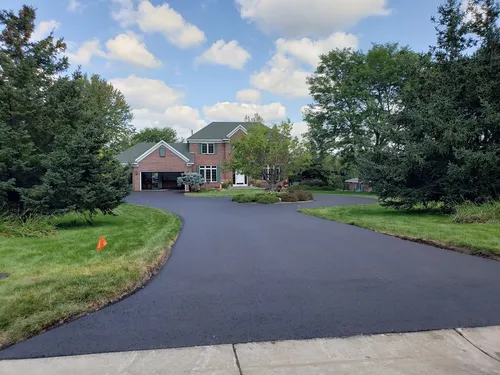
Blacktop Concepts is a parking lot paving and repair company based in Minneapolis, MN. Since 1978, they have provided asphalt paving, parking lot resurfacing, repairs, and maintenance services focused on durability and precision. Their expertise includes asphalt overlays designed to enhance both the appearance and functionality of properties. Blacktop Concepts offers materials backed by a five-year warranty, which exceeds typical industry guarantees.
Blacktop Pro's Inc.
815 Farrington St, St Paul, MN 55117
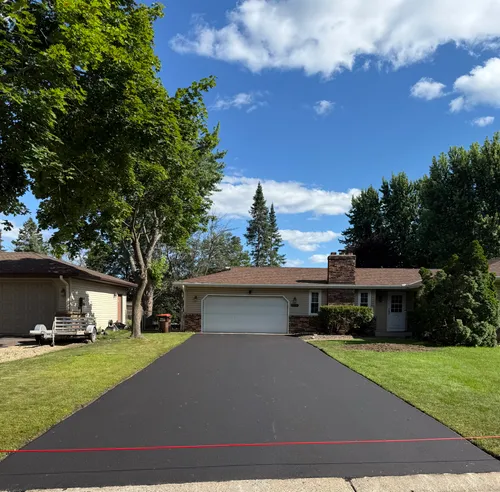
Blacktop Pro's Inc. is a parking lot paving and repair contractor serving Minneapolis, MN, and the entire Twin Cities area. They handle a range of projects including residential driveways, commercial parking lots, municipal work, and pathway paving. The company offers specialized services such as asphalt milling and on-site asphalt recycling to use recycled material as a base. Blacktop Pro's Inc. provides warranties covering driveway failure, workmanship, and drainage issues under specific conditions, reflecting their focus on quality and craftsmanship.

Jet-Black® of Shoreview
2395 12th Ave E, St Paul, MN 55109
Jet-Black® of Shoreview is a parking lot sealcoating and repair company serving St Paul, MN. They offer residential and commercial asphalt maintenance services including sealcoating, crack sealing, patchwork, and hot asphalt repairs. Known for using industrial-grade sealers and hot rubber crackfiller, Jet-Black aims to provide durable protection and improve the appearance of asphalt surfaces. Established in 1987, the company has completed over 500,000 projects nationwide and combines national experience with local service.
Doctor Asphalt, LLC
1949 Atlantic St, Maplewood, MN 55109
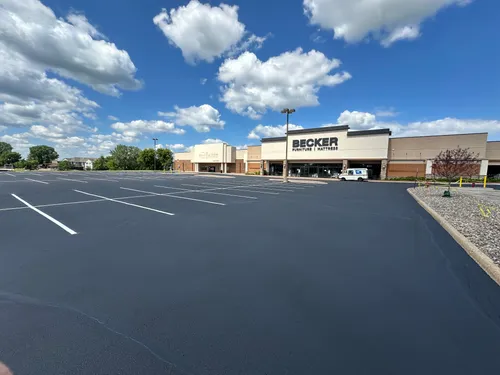
Doctor Asphalt, LLC is a parking lot paving and repair company based in St Paul, MN. They provide services including parking lot striping, sealcoating, crack filling, patching, and asphalt replacement. The company is known for working across the Twin Cities Metro Area and offers detailed proposals tailored to customer needs. Their team handles projects efficiently, often working around business schedules to minimize disruption. Doctor Asphalt has built a reputation for solid workmanship and clear communication, with a focus on practical solutions and customer perspectives.
Real Seal Asphalt Sealcoating
St Paul, MN
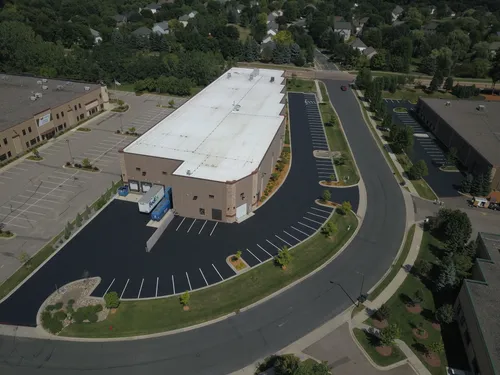
Real Seal Asphalt Sealcoating is a parking lot sealcoating and repair company serving St Paul, MN. The business offers services including asphalt patching, driveway extensions, crack maintenance, and sunken garage apron repair. Owner Dan Servais is actively involved in daily operations, emphasizing quality workmanship and attentive customer care. The company also provides snow removal services, addressing a range of asphalt and sealcoating needs in the local community.
Why St. Louis Park Parking Lots Need Special Attention
The asphalt pavement in our city faces a relentless environmental challenge: Minnesota's severe freeze-thaw cycles1. This process is the primary culprit behind most pavement deterioration. Water seeps into tiny cracks in the asphalt. When temperatures drop, this water freezes and expands, widening the cracks and pushing the pavement apart. Subsequent thaws allow more water to enter, repeating the cycle and rapidly accelerating damage from small cracks to large potholes and base failures.
Beyond the weather, parking lots endure constant stress from traffic loads. Daily passenger vehicles, frequent delivery trucks, and heavy garbage trucks apply significant pressure, especially on older or already weakened pavement. This stress leads to cracking, rutting, and a specific failure pattern known as alligator cracking-a web of interconnected cracks that resemble reptile skin, signaling a failure in the base layer beneath the asphalt. Furthermore, oxidation from sun exposure dries out the asphalt binder, making the surface brittle and prone to raveling (loose aggregate) and cracking.
Common Pavement Problems and Their Solutions
Identifying the specific issue with your parking lot is the first step toward an effective repair strategy. Here are the most frequent problems seen in St. Louis Park and the standard methods to fix them.
Crack Sealing and Filling
Cracks are the most common entry point for water. Crack sealing is a preventative maintenance procedure where a hot-pour rubberized sealant is applied to working cracks (those that expand and contract) to create a waterproof barrier. For non-working cracks, crack filling with a less flexible material can be used. This is one of the most cost-effective ways to extend pavement life by preventing water from reaching and destabilizing the subgrade2.
Pothole and Patch Repair
Potholes form when water infiltrates cracks, weakens the base, and traffic pops out the broken asphalt pieces. Effective pothole repair involves removing debris, squaring the edges, applying a tack coat, and compacting new hot-mix asphalt. For areas of settled pavement or clusters of potholes, infrared patching is an excellent solution. This technique reheats the existing asphalt in-place, allowing it to be reworked and blended seamlessly with new material, creating a durable, water-resistant patch without cold joints3 4.
Addressing Alligator Cracking and Base Failure
When you see alligator cracking, simple patching is often a temporary fix. This pattern indicates that the supporting base layer has failed. A proper repair typically requires removing the damaged asphalt, repairing or stabilizing the underlying base material, and then reinstalling a new asphalt surface. Ignoring this distress leads to rapid deterioration and unsafe conditions5.
Solving Drainage and Ponding Issues
Water ponding is not just a nuisance; it's a sign of poor drainage that accelerates pavement decay. Standing water relentlessly attacks the asphalt binder and seeps into any opening. Solutions can include installing or repairing drains, adjusting the pavement slope (grading), or performing mill and level work to eliminate low spots where water collects6.
Find the perfect parking lot repair companies for your needs
Get personalized recommendations and expert advice
Repair vs. Resurfacing vs. Replacement
Choosing the right level of intervention depends on the extent and type of damage your parking lot has sustained.
Spot Repairs and Maintenance are suitable for lots in generally good condition with isolated issues like cracks, a few potholes, or minor settling. This approach is the most affordable upfront and includes crack sealing, patching, and routine sealcoating. Sealcoating is a protective layer that shields asphalt from UV rays, water, and chemicals; for high-traffic lots in St. Louis Park, it's often recommended every 1-2 years to preserve the surface7.
Parking Lot Resurfacing (Overlay) is the recommended solution when the pavement base is still sound, but the surface has widespread cracking, oxidation, and minor irregularities. The process involves applying a new layer of asphalt (typically 1.5 to 2 inches thick) over the existing, prepared surface. A resurfacing project can add 8-15 years of life to your lot and is a cost-effective alternative to full replacement.
Full Asphalt Replacement becomes necessary when the structural base has failed, indicated by severe alligator cracking, deep rutting, or widespread base washouts. This process involves completely removing the old asphalt and base materials, re-compacting the subgrade, installing a new aggregate base, and paving with new hot-mix asphalt. It is the most comprehensive and long-lasting solution, but also the most expensive and time-intensive8.
Understanding Costs for Parking Lot Rehabilitation
Project costs in St. Louis Park vary widely based on the repair scope, lot size, accessibility, and material prices. Here's a general breakdown based on common industry estimates 9 10:
- Minor Repairs (Crack Sealing, Patching): Often priced per linear foot or as a project minimum. These are the most budget-friendly options for targeted issues.
- Parking Lot Resurfacing: A common project range is between $1 and $3 per square foot. This typically includes milling the surface (grinding off a thin layer), repairing any base issues, and applying a new asphalt overlay. Such a project can often be completed in 1-3 days for an average commercial lot.
- Full Asphalt Replacement: This major undertaking can range from $4 to $10 or more per square foot. The cost is higher due to the extensive demolition, excavation, and new base material required. Timeline can extend to 1-2 weeks depending on the lot size and weather11.
Note: All cost figures are estimates. Obtaining detailed quotes from local contractors is essential, as final pricing depends on your specific site conditions, material costs at the time, and the contractor's methods12.
The Contractor Selection Process
Finding the right partner for your parking lot repair is crucial. Look for licensed and insured contractors with specific experience in commercial asphalt work in the Twin Cities metro. Ask for references from similar projects and view past work if possible. A reputable contractor will perform a thorough site inspection, provide a detailed written estimate that breaks down labor, materials, and timeline, and explain why their proposed solution (whether repair, resurfacing, or replacement) is the most appropriate for your pavement's condition and your long-term investment.
Frequently asked questions
Sources
Footnotes
-
How Minnesota's Freeze-Thaw Cycle Impacts Old Asphalt Driveways - https://www.jwasphalt.com/Blog/entryid/49/how-minnesotas-freeze-thaw-cycle-impacts-old-asphalt-driveways ↩
-
Asphalt Pavement Distress Services | Twin Cities, MN - https://bitroads.com/Customer-Education/Pavement-Distresses ↩
-
Asphalt Settlement Repair Experts - https://www.jwasphalt.com/Asphalt-Repair/Settlement-Repair ↩
-
9 Steps for Effective Parking Lot Pothole Repair - Polyguard - https://polyguard.com/blog/parking-lot-pothole-repair ↩
-
How to Fix the Most Common Pavement Failures - https://www.pavementsolutions.org/how-to-fix-the-most-common-pavement-failures/ ↩
-
5 Reasons Your Asphalt Pavement Needs Repair - https://metropavinginc.com/2020/03/5-reasons-your-asphalt-pavement-needs-repair/ ↩
-
How Often Should You Seal Coat Asphalt? - Elcor Construction - https://elcorconstruction.com/how-often-should-you-seal-coat-asphalt/ ↩
-
Parking Lot Problems That Mean Patching Won't Cut It Anymore - https://asphaltinc.com/parking-lot-patching-vs-replacement/ ↩
-
Saint Louis Parking Lots Costs & Prices - ProMatcher.com - https://parking-lots.promatcher.com/cost/saint-louis-mo-parking-lots-costs-prices.aspx ↩
-
Asphalt Patch Repair Prices Breakdown - Pavemade.com - https://pavemade.com/pages/asphalt-patch-repair-prices-breakdown ↩
-
Parking Lot Resurfacing: Complete Cost Guide & Process [2025] - https://www.candcsuperseal.com/parking-lot-resurfacing-complete-cost-guide-process-2025/ ↩
-
Ultimate Guide to Asphalt Driveway Repair St. Louis MO. - https://thomasanddustinsasphalt.com/asphalt-driveway-repair-st-louis-mo-guide/ ↩