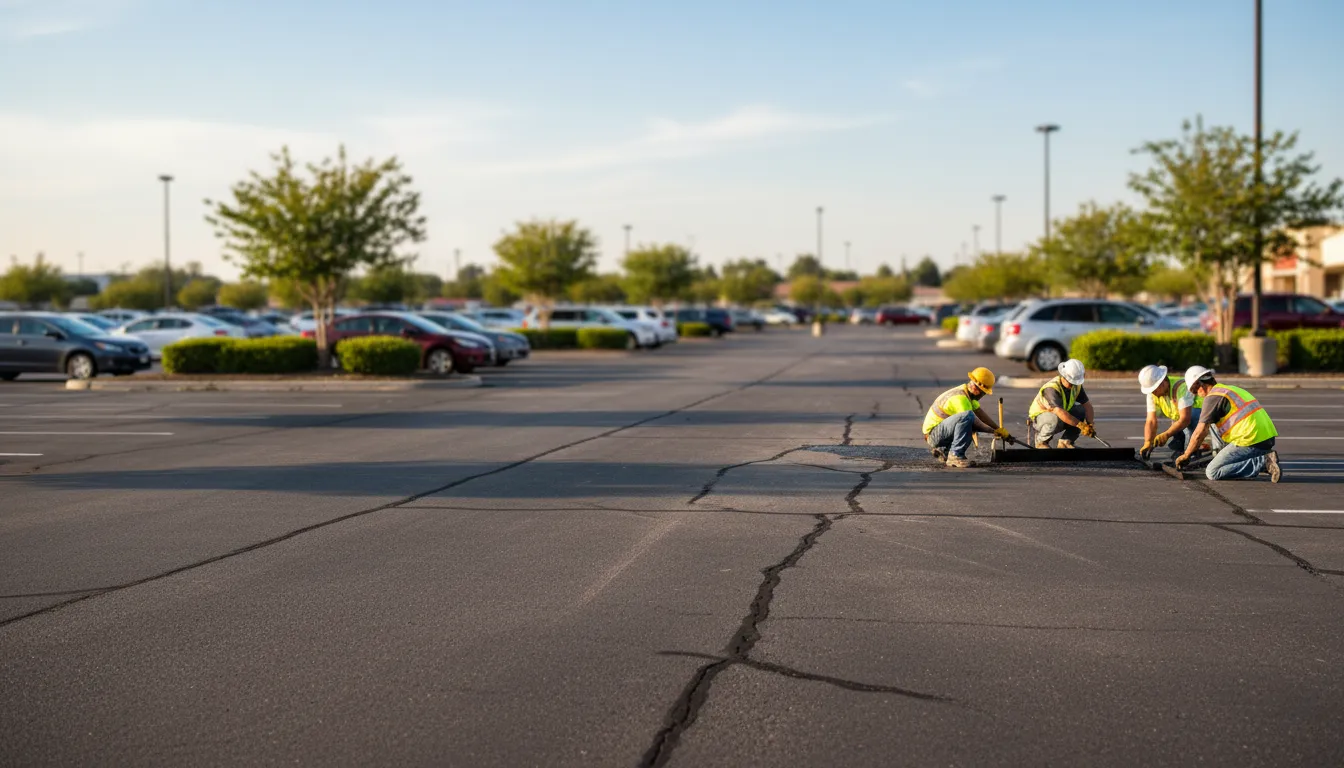
Find the Best Parking Lot Repair Companies for Your Business
No obligation • Fast responses • Nationwide coverage
Why you can trust Tidy Parking
Tidy Parking is a leading U.S. source for parking lot maintenance services, including striping, sealcoating, sweeping, paving, resurfacing, and repairs. Our content is created independently, and providers cannot pay to influence ratings or recommendations.
Search providers near you
Best Parking Lot Repair Companies in Kentucky Ranked
Maintaining a safe and functional parking lot is a critical responsibility for any Kentucky business or property manager. The Bluegrass State's distinct climate, with its humid summers and freeze-thaw winters, creates a relentless cycle of wear and tear on asphalt surfaces. From small cracks to expansive potholes, timely and appropriate repair is essential to protect your investment, ensure safety, and maintain a professional appearance. This guide explains the common repair methods used in Kentucky, the factors that influence costs and timing, and how to find qualified local professionals to assess and fix your pavement.
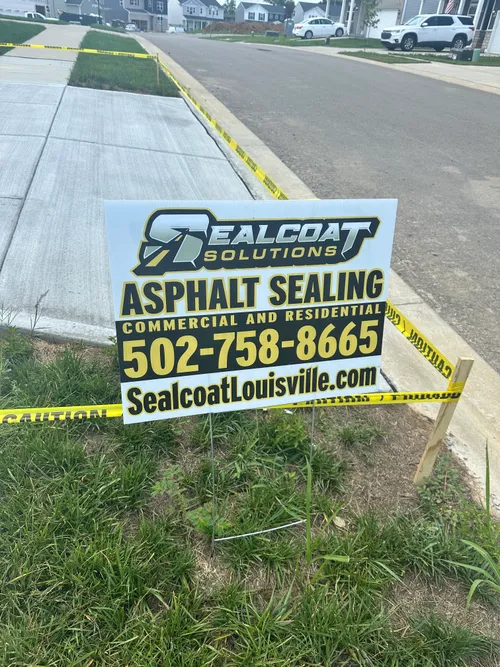
Sealcoat Solutions
333 Bates Ln, Smithfield, KY 40068
Sealcoat Solutions is a pavement maintenance company based in Louisville, KY, offering a range of services including asphalt sealcoating, parking lot striping, sweeping, and repair. They also provide installation of bollard posts, parking stops, and traffic markers to improve safety and organization. The company uses high-quality materials and proven techniques to protect and enhance pavement surfaces, including exposed aggregate and concrete sealing. Sealcoat Solutions serves the greater Louisville area with a focus on integrity and customer communication.
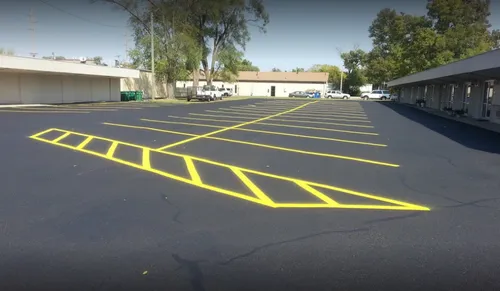
Ezzie Harrison Asphalt Paving, Sealcoating, and Repair
Louisville, KY
Ezzie Harrison Asphalt Paving, Sealcoating, and Repair is an asphalt paving contractor based in Louisville, KY. Serving both residential and commercial clients, they provide a full range of asphalt services including paving, repairs, sealcoating, resurfacing, and parking lot striping. With over 25 years of experience since 1995, they handle projects of all sizes and specialize in repairing asphalt damage such as potholes and cracks. Their capabilities also include ADA-compliant parking lot striping to ensure safe and organized parking areas. Ezzie Harrison Asphalt Paving is known for its comprehensive asphalt solutions throughout Louisville and surrounding communities.
G-FORCE Parking Lot Striping of Louisville
Louisville, KY
G-FORCE Parking Lot Striping of Louisville is a veteran-owned business providing parking lot striping, sealcoating, and repair services in Louisville, KY. They offer a wide range of pavement marking solutions including warehouse floor markings, parking lot sign installation, ADA compliance striping, fire lane striping, and athletic field markings. Using premium traffic paints and state-of-the-art equipment, G-FORCE specializes in durable thermoplastic markings and asphalt maintenance such as crack sealing and pothole repair. The company serves Louisville and surrounding cities, bringing military precision and advanced technology to each project.
Down to Earth Seal Coating
Louisville, KY
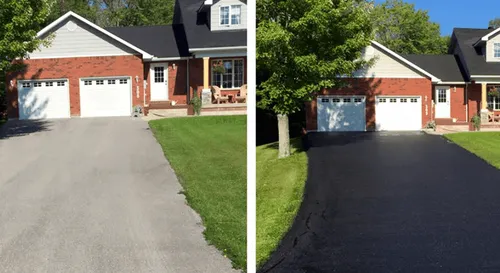
Down to Earth Seal Coating is a family- and veteran-owned business based in Louisville, KY, specializing in asphalt and concrete maintenance, including sealcoating, crack filling, pothole patching, and lot striping. Serving Louisville and surrounding areas, they use high-quality materials and advanced techniques to protect and enhance pavement surfaces. With over 30 years of experience since 1997, they offer services seven days a week to accommodate customer needs.
Jim Reynolds Asphalt Contractor, Inc.
510 E Breckinridge St, Louisville, KY 40203
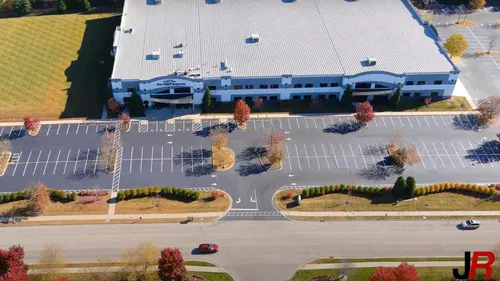
Jim Reynolds Asphalt Contractor, Inc. is a family-owned parking lot repair company serving Louisville, KY, and nearby areas including Goshen, Shelbyville, and Prospect. Established in 1989, the company specializes in asphalt maintenance for both residential and commercial properties. Their services include pothole repair and general asphalt upkeep, helping improve and maintain driveways and parking lots. The business continues the legacy of its founder, Jim Reynolds, with a strong commitment to community involvement.
Why Kentucky's Climate Demands Vigilant Pavement Repair
Kentucky's weather is the primary driver of parking lot deterioration. Understanding these environmental forces is key to implementing an effective, proactive maintenance strategy.
- Freeze-Thaw Cycles: Winters in Kentucky cause significant damage. Water seeps into small cracks in the asphalt. When temperatures drop, this water freezes and expands, widening the cracks and breaking apart the pavement from within. Subsequent thaws allow more water to enter, repeating the cycle and rapidly creating potholes 1. This makes prompt crack sealing in the fall or early spring a critical preventative measure.
- Summer Heat and Humidity: High humidity combined with intense summer sun can soften asphalt binder. This makes the pavement more susceptible to deformation under heavy traffic, leading to issues like rutting, shoving, and cracking if the asphalt was not properly compacted during installation 2. Repairs conducted in summer require specific techniques to ensure new material bonds correctly in the heat.
The Best Time for Parking Lot Repairs in Kentucky
While emergencies can happen anytime, planning repairs for optimal conditions yields longer-lasting results. The prime repair season typically runs from spring through fall, when temperatures are consistently above freezing.
For specific tasks like crack filling, early morning or cooler, overcast days are ideal. Cracks are at a more moderate width during these times, unlike in peak afternoon heat when they may be at their narrowest, which can affect sealant application and performance 3.
Common Parking Lot Repair Techniques
Professional contractors in Kentucky employ a range of methods, each suited for specific types of damage. Choosing the right technique is crucial for a durable fix.
1. Crack Filling and Sealing
This is the first line of defense in a maintenance program. It involves cleaning out debris from cracks (typically between 1/4 inch and 1/2 inch or larger) and applying a specialized hot-pour rubberized filler 4. This sealant prevents water and debris from entering the crack, halting the freeze-thaw damage cycle and preventing small issues from becoming major potholes.
2. Infrared Patching
For repairing potholes or localized damaged areas, infrared technology offers a superior, seamless repair. A specialized heater softens the existing asphalt around the damaged section. New asphalt mix is then added and blended seamlessly with the old, creating a monolithic patch with no weak, cold joints where water can infiltrate 5 6. This method is often preferred over traditional "throw-and-roll" cold patching for its longevity.
3. Asphalt Patching and Pothole Repair
For more traditional or immediate repairs, contractors remove the damaged asphalt, clean the area, and fill it with new hot-mix or specialized cold-mix asphalt. The cost for this can vary significantly based on the number and size of potholes. A case study in Lexington demonstrated that efficient, small-scale pothole repairs could be completed for a relatively low cost per hole using a high-performance cold mix. Larger patching projects, such as those for sections of alligator cracking, are typically priced by the job.
4. Resurfacing (Overlay)
When the pavement base is structurally sound but the surface is extensively aged, cracked, or weathered, a resurfacing overlay is an excellent option. This involves applying a new layer of hot-mix asphalt (usually 1.5 to 2 inches thick) over the existing pavement after necessary repairs are made. This method can extend the life of a parking lot by 8 to 15 years and is more cost-effective than a full reconstruction 7.
5. Full-Depth Removal and Replacement
For areas with severe, deep damage or a failed sub-base, the only solution is full-depth reclamation. This process involves saw-cutting and removing the damaged asphalt and the compromised base material beneath it. The sub-grade is then repaired and compacted before a new section of hot-mix asphalt is installed 8 9. This is the most extensive and costly repair method but is necessary when the foundation has failed.
Find the perfect parking lot repair companies for your needs
Get personalized recommendations and expert advice
Understanding Repair Costs in Kentucky
Parking lot repair costs in Kentucky are not one-size-fits-all; they depend on the repair method, the extent of damage, and the size of the area. Here's a general overview based on common industry practices:
- Crack Filling/Sealing: This is generally the most affordable preventative maintenance. It is often priced by the linear foot or as a total project cost based on the total crack length.
- Pothole and Patch Repair: Individual pothole repairs can be relatively cost-effective for small-scale issues 10. For larger patching projects, such as repairing a severely damaged section in a lot, costs can range from approximately $1,400 to $2,100 or more, depending on the square footage and depth required 11.
- Resurfacing/Overlay: This is a larger investment that pays off in extended pavement life. Typical costs for resurfacing a parking lot in Kentucky range from $1 to $3 per square foot 12 13. The final price depends on the condition of the existing pavement, the thickness of the new overlay, and site preparation work needed.
A Proactive Maintenance Checklist for Kentucky Properties
Following a simple routine can save significant money on major repairs down the line.
- Inspect: Walk your parking lot quarterly and after severe weather events. Look for new cracks, raveling (loose stones), and early signs of potholes.
- Clean: Keep the surface free of debris, vegetation, and standing water. Ensure drainage systems are clear so water flows away from the pavement.
- Repair Promptly: Address small cracks with sealant immediately. Use infrared or hot-mix patching for potholes as soon as they are identified to prevent expansion and liability issues.
- Protect: Consider applying a professional sealcoat every 2-3 years after repairs are made. This protective layer shields the asphalt from UV rays, water, and oil spills, extending the life of both the original surface and your repairs.
Choosing the Right Repair Solution
Not every problem requires the same fix. Here's a quick guide:
- Choose Crack Sealing for hairline to 1/2-inch cracks as a preventative measure.
- Choose Infrared or Hot-Mix Patching for individual potholes or areas of alligator cracking.
- Consider Resurfacing when over 25-30% of the surface is cracked or faded, but the base is stable.
- Opt for Full-Depth Replacement when potholes are frequent and deep, or the sub-base has shifted and failed.
By understanding the unique challenges posed by the Kentucky climate and the professional repair techniques available, you can make informed decisions to maintain a safe, attractive, and long-lasting parking lot.
Frequently asked questions
Sources
Footnotes
-
2025 Asphalt Repair Cost | Fixing Driveways, Cracks & Potholes - https://www.thumbtack.com/p/asphalt-repair-cost ↩
-
Why Perform Routine Parking Lot Maintenance and Repair in Kansas & KCMO? - https://kansasasphalt.com/the-ultimate-guide-to-parking-lot-maintenance-in-kansas-city/ ↩
-
Seasonal Considerations for Parking Lot Crack Filling - NAC Supply - https://nacsupply.com/blogs/asphalt-advisor-blog/seasonal-considerations-for-parking-lot-crack-filling ↩
-
5 Things to Know About Parking Lot Crack Filling - DB Krieg - https://dbkrieginc.com/blog/crack-filling-vs-crack-sealing/ ↩
-
Parking Lot Paving & Repair - Eaton Asphalt - https://eatonasphalt.com/parking-lot-paving-repair/ ↩
-
Parking Lot Potholes: Why Infrared Repair Beats Cold Patch - https://everlinecoatings.com/ca/parking-lot-potholes-why-infrared-repair-beats-cold-patch/ ↩
-
Parking Lot Repair, Resurfacing, or Replacement: Which is Right for ... - https://emeier.com/parking-lot-repair-resurfacing-or-replacement-which-is-right-for-you/ ↩
-
Common Asphalt Repair Techniques and When to Use Them - https://lonestarpavingtx.com/common-asphalt-repair-techniques/ ↩
-
PAVEMENT MANAGEMENT IN KENTUCKYold - KYTC - https://transportation.ky.gov/Maintenance/Documents/PavementOperations/PAVEMENT%20MANAGEMENT%20IN%20KENTUCKYold.docx ↩
-
Lexington Kentucky Asphalt Pothole Repair Case Study - https://www.uniquepavingmaterials.com/asphalt-repair/upm-cold-mix/industry-studies/lexington-kentucky-asphalt-pothole-repair-case-study/ ↩
-
Asphalt Repair in Richmond, KY - Costs 01 / 2026 - Homeyou - https://www.homeyou.com/ky/asphalt-repair-richmond-costs ↩
-
Asphalt Repair Near You Lexington, Louisville KY - https://www.asphaltanimals.com/commercial-asphalt-repair/ ↩
-
Parking Lot Resurfacing: Complete Cost Guide & Process [2025] - https://www.candcsuperseal.com/parking-lot-resurfacing-complete-cost-guide-process-2025/ ↩