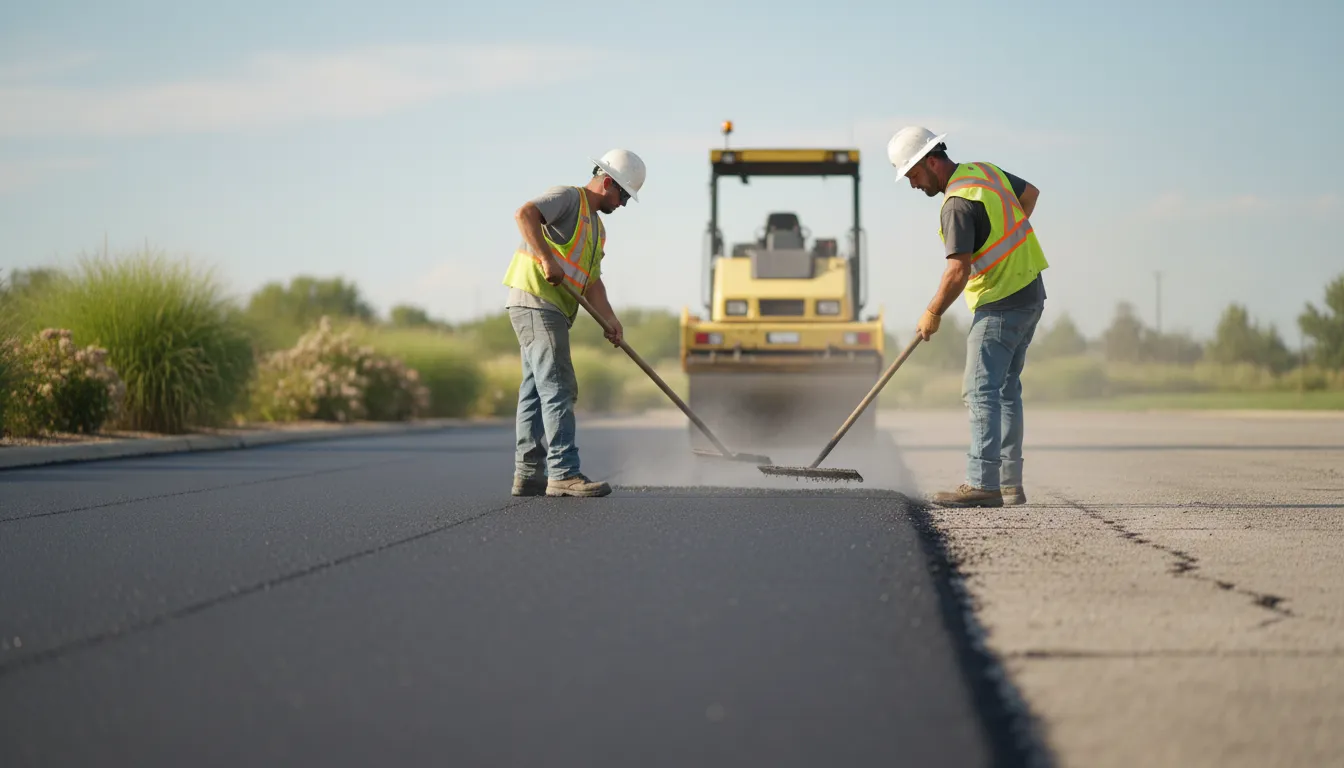
Find the Best Parking Lot Paving Contractors for Your Business
No obligation • Fast responses • Nationwide coverage
Why you can trust Tidy Parking
Tidy Parking is a leading U.S. source for parking lot maintenance services, including striping, sealcoating, sweeping, paving, resurfacing, and repairs. Our content is created independently, and providers cannot pay to influence ratings or recommendations.
Search providers near you
Best Parking Lot Paving Contractors in Wisconsin Ranked
A well-paved parking lot is a critical asset for any Wisconsin business, providing a safe, durable, and professional first impression for customers and employees. In Wisconsin, this task is uniquely challenging due to the state's punishing freeze-thaw cycles, which can rapidly deteriorate improperly constructed pavements. This guide explains the specialized techniques, materials, and standards required for a long-lasting parking lot in Wisconsin. You can use this information to understand the process, ask the right questions, and connect with qualified local paving professionals who are experienced with Wisconsin's specific demands.
Hallman Asphalt & Sealing LLC
2776 Larue Field Ln, Sun Prairie, WI 53590
Hallman Asphalt & Sealing LLC offers a range of asphalt services in Madison, WI, including parking lot striping, sealcoating, paving, resurfacing, and repair. They serve commercial properties such as shopping centers, medical offices, schools, and apartments, as well as residential driveways. Their services focus on enhancing safety, durability, and appearance with minimal disruption. With nearly 50 years of experience, Hallman Asphalt provides solutions designed to withstand Wisconsin's extreme weather conditions.
Anguiano's Sealcoating & Striping LLC + Concrete Division
2248 S 18th St, Milwaukee, WI 53215
Anguiano's Sealcoating & Striping LLC + Concrete Division is a family- and woman-owned business serving Milwaukee, WI, and surrounding counties. They specialize in parking lot striping, sealcoating, asphalt removal and replacement, asphalt patching, asphalt resurfacing, concrete work, culvert replacement, and snow removal. The company offers a 1-year paving warranty and warranties for sealcoating and concrete services. With over 22 years of experience and being owner-operated since 2012, they provide services with a personal touch and have a team fluent in Spanish to serve a diverse customer base.
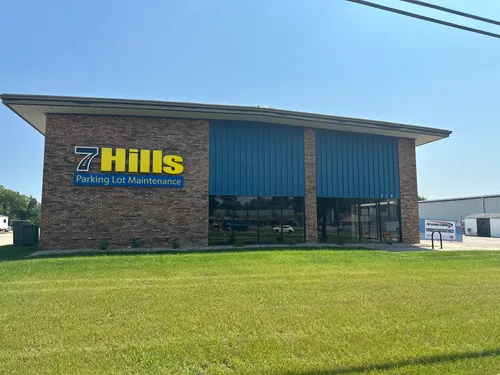
7 Hills Striping
2101 S Stoughton Rd, Madison, WI 53716
7 Hills Striping is a Madison, WI-based company offering a wide range of parking lot services including striping, sealcoating, paving, repair, sweeping, and concrete work. Serving both residential and commercial clients in Madison and the Midwest, they combine traditional craftsmanship with modern equipment to deliver durable and precise pavement solutions. With nearly 30 years of experience and three generations of expertise, 7 Hills Striping provides services such as asphalt paving, crack filling, pothole patching, and ADA-compliant striping to maintain and enhance parking lot safety and appearance.
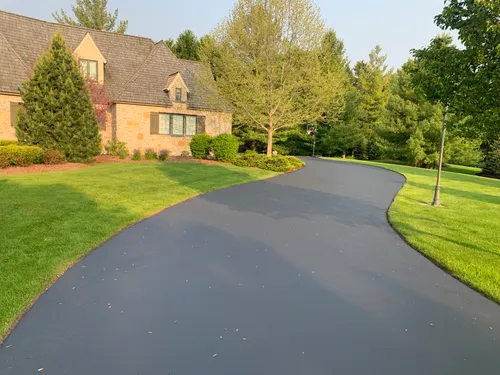
TARMAX Asphalt Services
N60W16230 Kohler Ln Office G, Menomonee Falls, WI 53051
TARMAX Asphalt Services is an asphalt contractor based in Milwaukee, WI, serving all of Southeastern Wisconsin. They specialize in commercial and residential asphalt projects including new asphalt installation, asphalt repair, sealcoating, fine grading, and line striping. The company also offers snow removal and salting services. TARMAX Asphalt Services is known for preparing solid bases and laying durable asphalt surfaces, as well as repairing cracks and potholes to extend pavement life. Their team is highly skilled and experienced in asphalt work and committed to quality and sustainable practices.
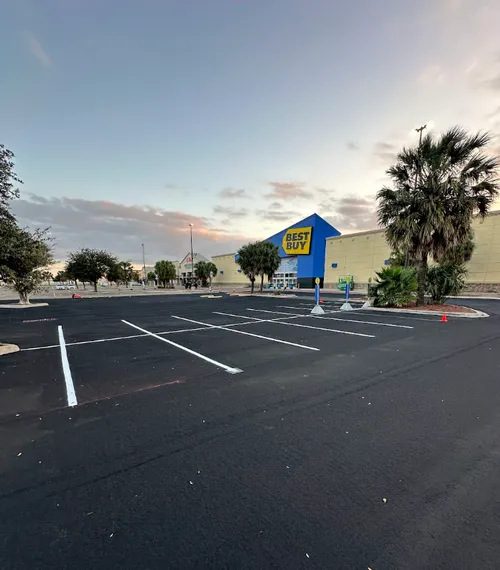
Doctor Asphalt, LLC
1251 W Main St, Sun Prairie, WI 53590
Doctor Asphalt, LLC is a parking lot paving and repair company based in Madison, WI. They provide services including parking lot striping, sealcoating, patching, and crack filling. The company is known for its detailed proposals and strong communication throughout projects, often working around client schedules to minimize disruption. Their capabilities include high-quality asphalt repairs and sealcoating, with experience handling large commercial and residential properties. Customers appreciate their practical solutions and attentive service, making them a reliable choice in the Madison area.
Why Wisconsin's Climate Demands Specialized Paving
Wisconsin's weather is the primary driver for specialized paving specifications. The annual cycle of freezing and thawing places immense stress on asphalt surfaces and their underlying foundations. Water that seeps into small cracks expands when it freezes, widening those cracks and compromising the structural integrity. This makes adherence to Wisconsin-specific standards not just a recommendation but a necessity for longevity.
Projects must be engineered to handle these extremes, focusing on three core principles: a deep, stable base to prevent shifting; specialized, flexible asphalt mixes that resist thermal cracking; and robust surface and subsurface drainage systems to move water away quickly 1 2. Ignoring any of these elements can lead to premature failure, resulting in costly repairs and potential liability issues.
Key Wisconsin Standards and Regulations
Paving contractors working on commercial lots in Wisconsin often follow guidelines set by the Wisconsin Department of Transportation (WisDOT) and recommendations from the Wisconsin Asphalt Pavement Association (WAPA). These standards ensure the pavement can withstand both heavy traffic loads and environmental stress.
- Performance-Graded (PG) Binders: The asphalt binder (the "glue" that holds the aggregate together) is specially graded for temperature performance. In Wisconsin, mixes typically use PG 58-28 or even PG 58-34 in northern regions. The "58" indicates the high-temperature rating for rut resistance, while the "-28" or "-34" indicates the low-temperature rating, meaning the binder remains flexible at very cold temperatures to prevent thermal cracking 3 4.
- Cold Weather Paving Restrictions: Quality asphalt placement requires specific temperatures. Paving is generally prohibited when ambient or surface temperatures fall below 36°F, as proper compaction cannot be achieved, leading to weak spots.
- Accessibility Compliance: Beyond the pavement itself, lots must meet Americans with Disabilities Act (ADA) standards. In Wisconsin, this includes ensuring accessible parking space signage is mounted at least 60 inches above the ground to remain visible above snowbanks 5.
Critical Components of a Wisconsin Parking Lot
1. Foundation and Base Preparation
The most crucial phase of any Wisconsin paving project happens before the first truck of asphalt arrives. A weak base will fail, regardless of asphalt quality.
- Subgrade Compaction: The native soil must be thoroughly compacted to a specified density, and all soft, unstable areas must be excavated and replaced with stable material 6 7.
- Aggregate Base Course: A multi-layer crushed stone base is standard for commercial projects. A common specification might include a 3-inch bottom layer, a 1.25-inch middle layer, and a 0.75-inch top layer of crushed limestone, all mechanically compacted 8. In high-traffic areas, a total compacted base thickness of 8-10 inches is often recommended to provide a stable platform 9.
- Base Stability: The foundation must be kept free of ice, snow, and standing water during construction to ensure proper bonding and compaction 10.
2. Asphalt Mix Design for Durability
The choice of asphalt mix is tailored to the project's needs and Wisconsin's climate.
- Hot Mix Asphalt (HMA): The most common and cost-effective choice, with aggregates and binder heated and mixed at a high-temperature plant. Wisconsin mixes are engineered for both durability and low-temperature flexibility 11.
- Warm Mix Asphalt (WMA): This technology allows asphalt to be produced and placed at lower temperatures. It can improve compaction, especially in cooler weather, and reduces fuel consumption and emissions 12.
- Balanced Mix Design (BMD): This performance-based approach optimizes the mix to resist both rutting (from summer heat and heavy loads) and cracking (from winter cold). It's increasingly used for high-traffic commercial lots to ensure long-term performance 13 14.
- Mix Gradation: The size of the stone aggregate varies by layer. Surface courses often use a finer 9.5mm mix for a smooth finish, while lower structural layers may use larger 19mm or 25mm stone for strength 15 16.
3. Drainage: Surface and Subsurface
Proper drainage is non-negotiable in Wisconsin to combat freeze-thaw damage.
- Surface Slope: Pavement must be sloped a minimum of 2% to direct water toward drains, curbs, or permeable edges. Standing water will inevitably lead to potholes and cracking 17.
- Subsurface Drains: In areas with high groundwater or poor soil drainage, perforated pipe subdrains may be installed beneath the base to intercept and carry away water before it can weaken the foundation.
- Permeable Pavement Systems: For projects using permeable asphalt, Wisconsin DNR guidelines specify deep aggregate storage reservoirs (at least 12 inches) beneath the pavement to temporarily hold and infiltrate stormwater.
- Curbs and Gutters: These must be set to precise lines and grades to effectively channel runoff without allowing water to pond at the pavement edge.
Find the perfect parking lot paving contractors for your needs
Get personalized recommendations and expert advice
Understanding Parking Lot Paving Costs in Wisconsin
Costs for asphalt paving in Wisconsin are influenced by project scale, site conditions, material choices, and current asphalt binder prices. Prices are typically quoted per square foot.
- Small Commercial Lots (e.g., small office, retail): Costs generally range from $5 to $10+ per square foot. Smaller projects have a higher cost per square foot due to fixed mobilization costs for equipment and the lower volume of material, especially if a full removal and replacement is needed 18.
- Large Commercial & Industrial Lots: Larger projects benefit from economies of scale, with costs typically in the range of $4 to $8 per square foot 19 20.
- Alternative: Tar & Chip: For low-traffic or rural parking areas, tar and chip (a layer of asphalt emulsion covered with aggregate) can be a more budget-friendly option, ranging from $2 to $5 per square foot 21 22.
- Cost Variables: The final price is subject to volatility in liquid asphalt costs and specific site challenges. Projects requiring extensive excavation, full-depth reclamation (recycling the old base), or complex drainage solutions will be at the higher end of the scale.
Planning and Executing Your Project
A successful paving project starts with a detailed plan and the right contractor.
- Site Assessment: A professional should evaluate existing conditions, drainage, soil type, and traffic patterns.
- Detailed Specifications: The project plan should specify base depth and material, asphalt mix type (including PG binder grade), pavement thickness, and drainage details.
- Contractor Selection: Choose a contractor with proven experience in Wisconsin commercial paving. Ask for references, proof of insurance, and examples of similar projects.
- Timing: The ideal paving season in Wisconsin is late spring through early fall, when temperatures are consistently above the minimum thresholds for proper installation.
Frequently asked questions
Sources
Footnotes
-
2018 Asphalt Parking Lot Design Guide - http://www.wispave.org/wp-content/uploads/dlm_uploads/2018-0-WAPA-Parking-Lot-Guide-2018-02-16.pdf ↩
-
Heavy Duty Asphalt Paving in Milwaukee, WI: Winter-Ready Techniques for 2024 - - https://asphaltinc.com/heavy-duty-asphalt-paving-milwaukee-2024/ ↩
-
ROADWAYS AND PARKING LOTS - SECTION 07243 - https://www.germantownwi.gov/DocumentCenter/View/404 ↩
-
2020 Asphalt Pavement Design Guide - https://www.wispave.org/wp-content/uploads/dlm_uploads/WAPA-Design-Guide-2020-Final.pdf ↩
-
Wisconsin Parking Lot Accessibility: Slope, Signage & Striping ... - https://potrykusconstruction.com/wisconsin-parking-lot-accessibility-slope-signage-striping-standards/ ↩
-
211 Preparing the Foundation - https://wisconsindot.gov/rdwy/stndspec/ss-02-11.pdf ↩
-
WISCONSIN HOUSING AND ECONOMIC DEVELOPMENT ... - https://www.wheda.com/globalassets/documents/property-managers/asphalt-maintenance-repair.pdf ↩
-
ROADWAYS AND PARKING LOTS - SECTION 07243 - https://www.germantownwi.gov/DocumentCenter/View/404 ↩
-
» Industrial Pavements - https://vaasphalt.org/pavement-guide/pavement-design-by-use/industrial-pavements/ ↩
-
Parking Lot Paving: Durable Asphalt Construction - https://www.vapavingcontractor.com/parking-lot-paving ↩
-
450 General Requirements for Asphaltic Pavements - https://wisconsindot.gov/rdwy/stndspec/ss-04-50.pdf ↩
-
Wisconsin Asphalt Bid/Mix Specification Tool - https://www.wispave.org/wisconsin-asphalt-bid-mix-specification-tool/ ↩
-
Balanced Mixture Design Implementation Support - https://wisconsindot.gov/documents2/research/0092-20-04-final-report.pdf ↩
-
Balanced Mixture Design Implementation Support - https://wisconsindot.gov/documents2/research/0092-20-04-research-brief.pdf ↩
-
What Type of Asphalt Mix is Used in Your Parking Lot? - PLS - https://www.plsofflorida.com/asphalt-mix/ ↩
-
What Is the Ideal Asphalt Mix For Your Project? - https://www.dryco.com/blog/what-is-the-ideal-asphalt-mix-for-your-project/ ↩
-
1008_PermeablePavement_06-2021.pdf - Wisconsin DNR - https://dnr.wisconsin.gov/sites/default/files/topic/Stormwater/1008_PermeablePavement_06-2021.pdf ↩
-
How to Budget for Commercial Parking Lot Paving Projects - https://thepavementgroup.com/how-to-budget-for-commercial-parking-lot-paving-projects/ ↩
-
How Much Does It Cost To Pave A Parking Lot? - https://www.royalpavementsolutions.com/how-much-does-it-cost-to-pave-a-parking-lot/ ↩
-
How Much Does Asphalt Paving Cost in 2025 - https://www.pateasphalt.com/post/how-much-does-asphalt-paving-cost ↩
-
What is the cheapest form of paving for commercial projects? - https://www.welovepaving.com/what-is-the-cheapest-form-of-paving/ ↩
-
Commercial Asphalt Paving Cost Guide: Pricing Breakdown - https://asphaltrepairsolutions.com/how-much-does-commercial-asphalt-paving-cost-a-pricing-breakdown/ ↩