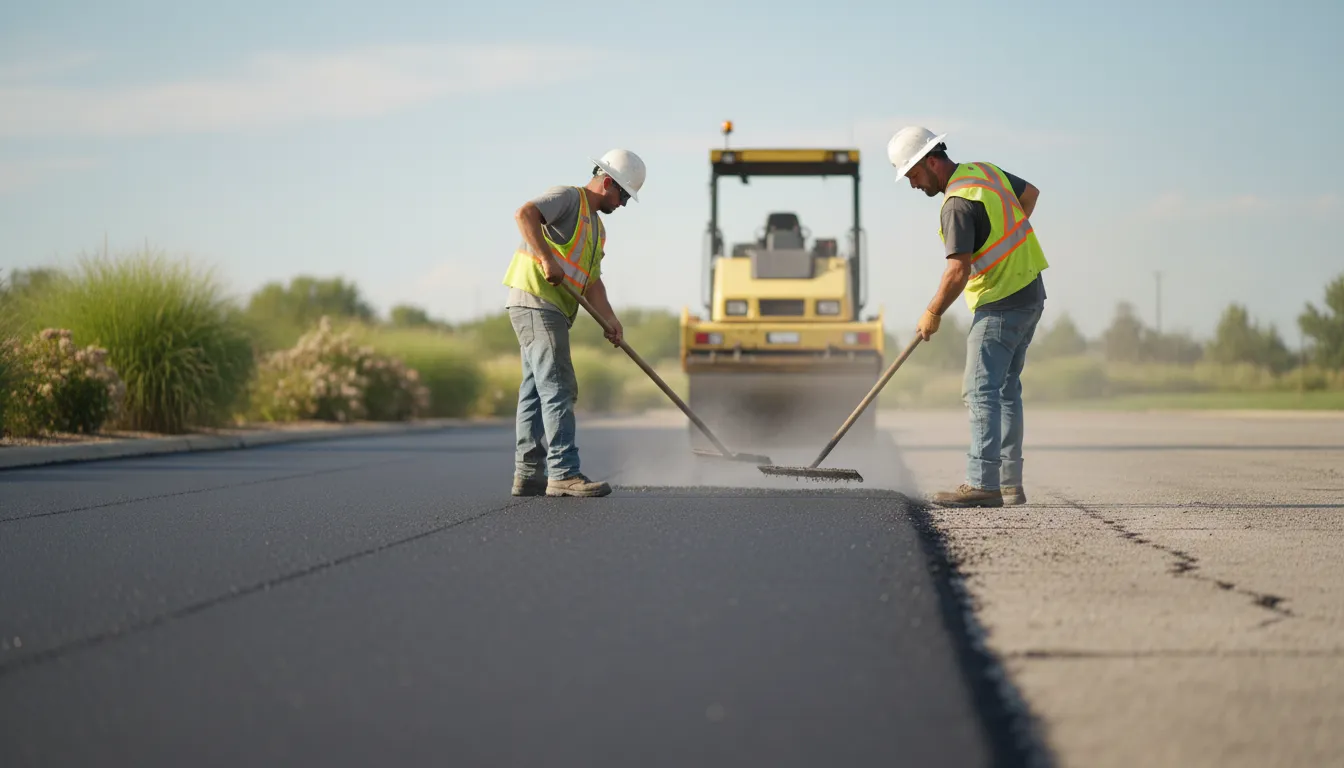
Find the Best Parking Lot Paving Contractors for Your Business
No obligation • Fast responses • Nationwide coverage

Why you can trust Tidy Parking
Tidy Parking is a leading U.S. source for parking lot maintenance services, including striping, sealcoating, sweeping, paving, resurfacing, and repairs. Our content is created independently, and providers cannot pay to influence ratings or recommendations.
Search providers near you
Best Parking Lot Paving Contractors in Utah Ranked
A durable, well-paved parking lot is a critical asset for any Utah business, providing a safe, professional first impression and a functional space for customers and employees. Given the state's extreme climate, proper asphalt installation is not just about aesthetics-it's an engineering necessity to prevent costly, premature failure. This guide explains the key standards, materials, and processes for successful parking lot paving in Utah, helping you understand what goes into a quality project and how to evaluate local paving professionals.
Go Pave Utah
2575 S 900 W #200, South Salt Lake, UT 84119
Go Pave Utah is a parking lot paving contractor and repair company based in Salt Lake City, UT. They provide asphalt and commercial concrete paving services to a range of clients including commercial property managers, apartment complexes, HOAs, retail centers, and nonprofit organizations. Established in 1996, Go Pave Utah has over 20 years of experience delivering asphalt maintenance, repair, and preservation solutions. Their expertise includes creating paving plans that balance aesthetics with low maintenance costs, serving diverse property types across the Salt Lake City area.
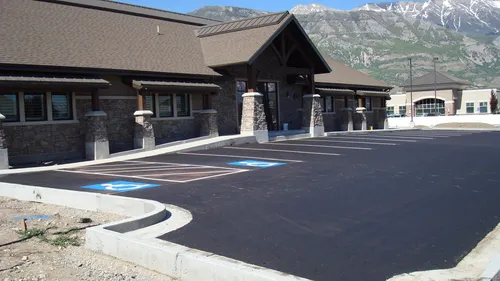
Eckles Paving
340 S 1600 W, Mapleton, UT 84664
Eckles Paving is a locally owned asphalt paving and maintenance contractor based near Provo, UT. With over 30 years of experience, they provide a full range of services including parking lot paving, sealcoating, striping, asphalt repair, crack sealing, and milling. Serving Northern Utah counties, they work with homeowners, property managers, contractors, and municipalities to deliver tailored asphalt solutions that withstand Utah's climate. Eckles Paving is fully licensed, bonded, and insured, and collaborates with sister companies to ensure consistent quality across projects.
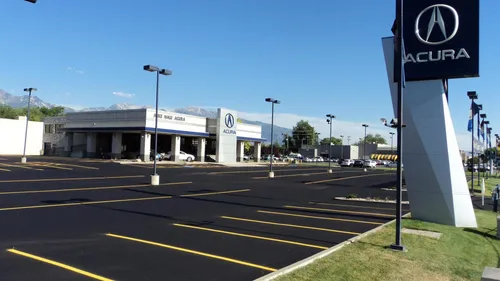
Eckles Paving
2560 S 3270 W, West Valley City, UT 84119
Eckles Paving is a locally owned asphalt paving and maintenance contractor serving Salt Lake City, UT, and Northern Utah. With over 30 years of experience, they provide a full range of services including asphalt paving, parking lot striping, sealcoating, repair, crack sealing, and milling. The company works with homeowners, property managers, contractors, and municipalities to deliver tailored, long-lasting pavement solutions suited to Utah's climate. They maintain full licensing, bonding, and insurance to ensure project reliability and compliance.
Eckles Paving
4922 E Meadows Dr, Park City, UT 84098
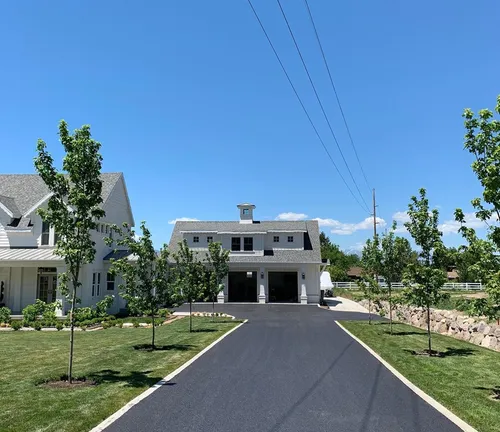
Eckles Paving is a locally owned asphalt paving and maintenance contractor based in Salt Lake City, UT. With over 30 years of experience, they provide a full range of services including parking lot paving, sealcoating, striping, resurfacing, and repair. Serving Northern Utah counties, their team handles projects for residential, commercial, and municipal clients, focusing on durable asphalt solutions suited to Utah's climate. Eckles Paving also offers specialized services such as asphalt milling, crack sealing, and ADA compliance upgrades.
Bass Pavement
1140 W 725 N suite c, Centerville, UT 84014
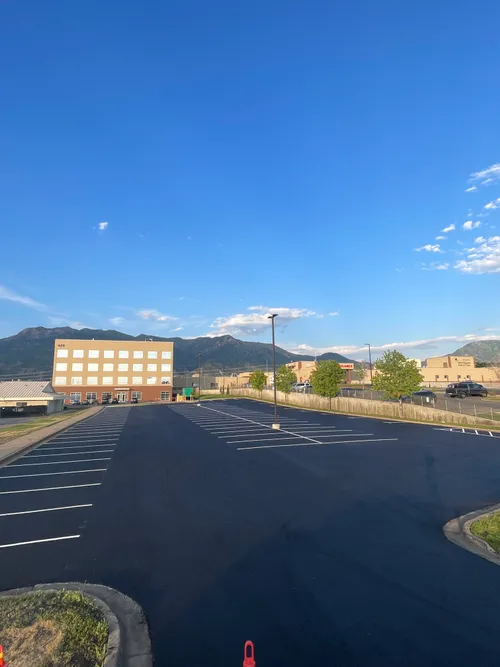
Bass Pavement is a parking lot maintenance company based in Salt Lake City, UT. They provide services including asphalt maintenance, parking lot striping, sealcoating, pavement installation and repair, crack filling, and signage installation. Their sealcoating service protects asphalt from weather and UV damage, extending pavement lifespan while enhancing appearance. Bass Pavement also installs durable signage, bollards, and wheel stops to improve safety and traffic flow in various commercial and industrial settings.
Why Utah's Climate Demands Specialized Paving
Utah's environment presents a unique challenge for asphalt pavement, characterized by intense summer heat that can soften asphalt and cause rutting, followed by freezing winter temperatures that lead to cracking and potholes. This annual cycle of expansion and contraction places tremendous stress on the pavement structure. A paving project that might last a decade in a milder climate can deteriorate much faster here if not designed and built correctly. The key to longevity is using materials and construction techniques specifically engineered to withstand these temperature extremes, from a robust, well-compacted base to a specially formulated asphalt mix.
Critical Engineering & Design Standards
A successful paving project starts long before the asphalt is poured. Adherence to local and engineering standards ensures proper drainage, stability, and longevity.
Subgrade Preparation & Compaction
The soil beneath your pavement, known as the subgrade, is the foundation of your entire parking lot. In Utah, proper preparation is non-negotiable. The soil must typically be scarified (loosened) to a minimum depth and then compacted to at least 95% of its maximum dry density as defined by the AASHTO T-99 standard 1. A poorly compacted subgrade will settle unevenly over time, leading to cracks, potholes, and an uneven surface in the asphalt above.
Drainage and Slope
Water is asphalt's primary enemy. Ponding water seeps into cracks, softens the base, and accelerates deterioration through freeze-thaw cycles. Utah standards require parking lots to be graded with a minimum slope, typically 2%, to ensure water flows efficiently away from buildings and into designated drainage systems like catch basins or swales 2 3. Proper planning of the "crown" (the high point in the center) and directional slopes is a fundamental part of the paving design.
Base Material
Sitting atop the compacted subgrade is the base layer, usually consisting of crushed gravel or aggregate. This layer distributes the load from vehicles, provides additional drainage, and prevents the upward movement of moisture from the subgrade. A thick, well-compacted base is essential for preventing potholes and structural failures, especially in areas with heavy truck traffic or poor native soils 4 5.
Selecting the Right Asphalt Mix for Utah
Not all asphalt is created equal. The specific blend of aggregate (stone, sand, gravel) and asphalt binder (the glue that holds it together) is called the mix design, and it must be selected for the local climate and expected traffic.
Hot Mix Asphalt (HMA) and Performance Grading
For commercial parking lots in Utah, Hot Mix Asphalt (HMA) is the standard and recommended material due to its density and durability. The most critical specification is the Performance Grade (PG) of the asphalt binder. This grade indicates the temperature range the binder can withstand. For Utah's wide swings, a binder like PG 58E-34 is often specified 6. The "58" represents the high-temperature rating (resisting softening in summer heat), and the "-34" represents the low-temperature rating (resisting cracking in winter cold). Using the correct PG binder is essential to reduce rutting in summer and thermal cracking in winter.
Pavement Thickness
The thickness of the asphalt layer is determined by the expected traffic. A standard passenger car lot may require a 2-3 inch thickness, while areas expecting delivery trucks or garbage trucks may need 4 inches or more. A reputable contractor will design the pavement structure-including base and asphalt thickness-based on a soil analysis and traffic forecast.
Find the perfect parking lot paving contractors for your needs
Get personalized recommendations and expert advice
The Paving Process: Step-by-Step
Understanding the process helps you know what to expect and ensures your contractor is following best practices.
- Site Evaluation & Planning: A professional will assess the existing conditions, take soil samples if needed, discuss drainage needs, and finalize the design and specifications.
- Demolition & Removal: If replacing old pavement, it must be fully removed. The old material is often recycled.
- Grading & Subgrade Preparation: The area is graded to the precise slopes for drainage. The native soil is then scarified, treated if necessary, and compacted to the required density.
- Base Installation: The aggregate base material is spread in layers (lifts) and compacted with heavy rollers to create a solid, stable platform.
- Asphalt Installation: The hot mix asphalt is delivered, spread evenly with a paver, and immediately compacted with rollers. Compaction must occur while the asphalt is still hot (typically between 50°F and 85°F ambient temperature) to achieve proper density and smoothness 7 8.
- Finishing: Joints are sealed, and the edges are trimmed. The new pavement must cure, typically for 24-72 hours before allowing light traffic, and longer for full curing under heavy loads.
Understanding Costs for Utah Parking Lots
Parking lot paving costs in Utah are typically quoted per square foot, with the final price depending on the project's complexity, materials, and site conditions.
- Small / Light-Use Lots: For lots with standard passenger vehicle traffic, costs generally range from $2 to $4 per square foot 9. This assumes straightforward access, good soil conditions, and standard thickness.
- Large / Heavy-Duty Lots: For lots designed for heavier traffic, requiring thicker asphalt and more robust base materials, costs can range from $4 to $7 or more per square foot 10.
- Project Scale Example: A 2-acre parking lot (approximately 87,120 square feet) could represent a total investment between $120,000 and $350,000, depending on all the factors mentioned 11 12.
It's crucial to get detailed, written quotes that break down costs for site work, materials, labor, and any extras like striping or drainage structures. A clear quote allows for accurate comparison between contractors.
Maintenance for Long-Term Performance
Your investment should last for years with proper care. For asphalt, the most critical maintenance task is sealcoating. Applying a protective coal tar or asphalt-based sealer every 3-5 years shields the surface from UV rays, water, and chemical spills like oil and gasoline, significantly extending its life 13. Prompt repair of cracks and potholes is also essential to prevent water infiltration and further damage. For specific high-impact areas like garbage truck pads or loading docks, using concrete as an alternative can provide superior durability against constant heavy point loads 13.
Frequently asked questions
Sources
Footnotes
-
Commercial Parking Lot Paving Costs and Timelines - KNL Industries - https://www.kandlindustries.com/commercial-parking-lot-paving-costs/ ↩
-
Construction and Development Standards Technical Specifications ... - https://www.utah.gov/pmn/files/463971.pdf ↩
-
10-18-2: PARKING DESIGN STANDARDS: - https://codelibrary.amlegal.com/codes/pleasantgroveut/latest/pleasantgrove_ut/0-0-0-26117 ↩
-
Asphalt Paving | Parking Lot Paving | Utah - https://gopaveutah.com/services/asphalt-paving/ ↩
-
parking lot installation - Ute Asphalt - https://uteasphalt.com/parking-lot ↩
-
How Weather in Utah Affects Your Asphalt Pavement - https://cbasphaltservices.com/how-weather-in-utah-affects-your-asphalt-pavement/ ↩
-
How Long to Stay Off Your Driveway After Sealcoating - https://www.blackmagic-asphalt.com/utah-asphalt-care ↩
-
How to Select the Right Asphalt Mix for Your Parking Lot - https://summitasphalt.com/right-asphalt-mix-for-your-parking-lot/ ↩
-
How to Prepare for Professional Parking Lot Paving - https://www.raffertypavingteam.com/blog/2025/april/how-to-prepare-your-property-for-professional-pa/ ↩
-
Step-by-Step Guide to Planning Your Commercial Asphalt Paving - https://thepavementgroup.com/step-by-step-guide-to-planning-your-commercial-asphalt-paving-project/ ↩
-
How to Budget for Commercial Parking Lot Paving Projects - https://thepavementgroup.com/how-to-budget-for-commercial-parking-lot-paving-projects/ ↩
-
How to Read an Asphalt Paving Quote Clearly - https://www.joemcasphaltservices.com/how-to-read-an-asphalt-paving-quote/ ↩
-
Parking Lots Paving - Hot Mix Asphalt (HMA) Recommendations - https://www.wsbeng.com/parking-lots-paving-hot-mix-asphalt-hma-recommendations/ ↩ ↩2