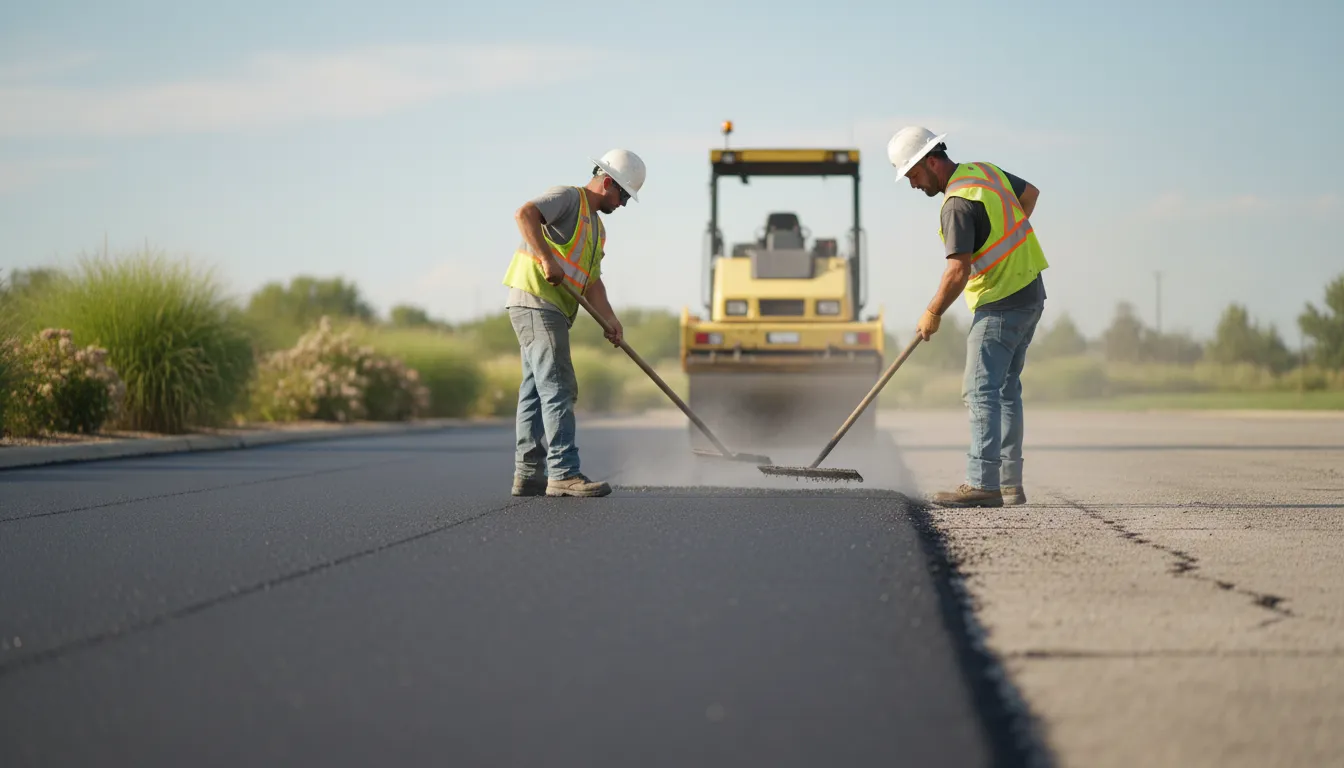
Find the Best Parking Lot Paving Contractors for Your Business
No obligation • Fast responses • Nationwide coverage
Why you can trust Tidy Parking
Tidy Parking is a leading U.S. source for parking lot maintenance services, including striping, sealcoating, sweeping, paving, resurfacing, and repairs. Our content is created independently, and providers cannot pay to influence ratings or recommendations.
Search providers near you
Best Parking Lot Paving Contractors in South Carolina Ranked
A well-paved parking lot is a critical asset for any South Carolina business, providing a safe, durable, and professional first impression for customers. The process involves more than just laying asphalt; it requires careful planning, adherence to local standards, and an understanding of the Palmetto State's unique climate and soil conditions. This guide explains the key considerations, materials, and steps involved in commercial asphalt paving in South Carolina, helping you make informed decisions and connect with qualified local paving professionals for your project.
Abc paving
2222 Backwater Ct, Charleston, SC 29412
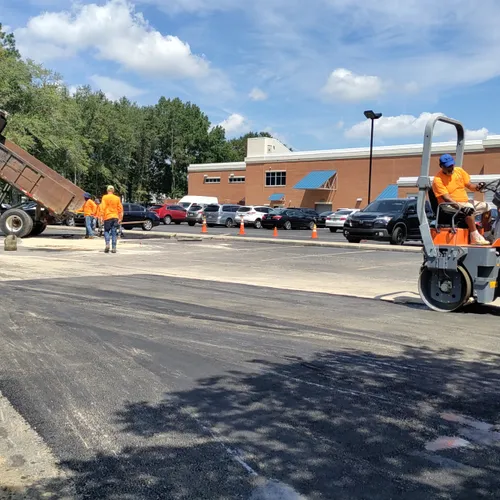
Abc Paving is a locally owned company based in Charleston, SC, offering a range of paving services including asphalt paving, cement pavers, sealcoating, line striping, and patching. They serve both residential and commercial clients, handling projects from individual driveways to large parking lots such as those at the North Charleston Coliseum. Their capabilities include asphalt repair and concrete curb and driveway repair, with a focus on efficient and punctual service.
Carolina Black Tops Paving Asphalt Land Clearing
Columbia, SC
Carolina Black Tops Paving Asphalt Land Clearing is a paving contractor based in Columbia, SC, offering a range of services including asphalt paving, seal coating, concrete repairs, and parking lot striping. With over 12 years of experience, they handle residential driveways, commercial parking lots, and sidewalks. Their team uses modern equipment and techniques to provide durable and visually appealing results.
JM Asphalt Paving
Charleston, SC
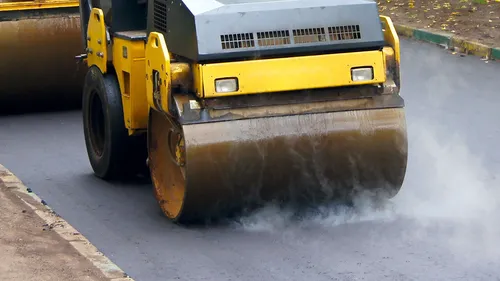
JM Asphalt Paving is a family-owned asphalt paving contractor based in Charleston, SC, with over 35 years of experience. The company provides services including blacktop paving, driveway repair, asphalt millings, and sealcoating. JM Asphalt Paving serves multiple states including South Carolina, New Jersey, and Florida, offering durable asphalt surfaces and excavation work. Their long history reflects a focus on quality workmanship and clear communication.
Pro Construction
3150 Wedgefield Rd, Sumter, SC 29154
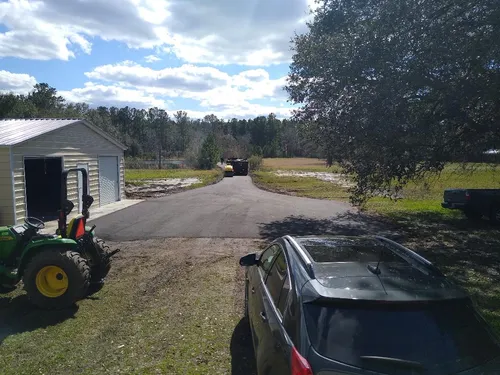
Pro Construction is a family-owned parking lot paving contractor based in Columbia, SC. With over 20 years of experience, they specialize in residential and commercial paving projects using recycled crushed asphalt. This material is applied with automated paving machines and vibratory rollers to ensure a smooth, level surface while offering benefits like natural appearance and maintenance-free durability. The company has grown into a second-generation business focused on quality workmanship and environmentally friendly practices.
Charleston Paving Solutions
874 Orleans Rd, Charleston, SC 29407
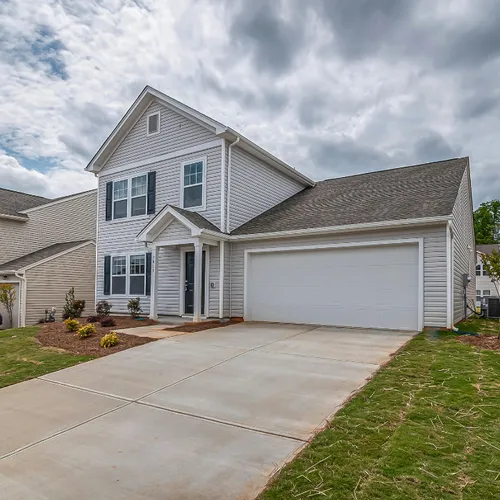
Charleston Paving Solutions is a parking lot paving and repair company based in Charleston, SC. They provide asphalt paving, driveway repair, and resurfacing services for residential and commercial properties. The company offers decorative concrete designs, stamped concrete patterns, and brick paver pathways to enhance property aesthetics. With over 30 years of combined experience, Charleston Paving Solutions serves Charleston and nearby areas, focusing on durable asphalt paving that offers good traction even when wet. They manage projects from start to finish, ensuring quality workmanship and customer satisfaction.
Understanding South Carolina's Paving Environment
South Carolina's climate and geology present specific challenges that must be addressed for a long-lasting parking lot installation. The hot, humid summers and the prevalence of red clay soil require specialized approaches to pavement design and construction.
Climate Considerations:
- Heat and Humidity: Prolonged high temperatures can cause standard asphalt to soften and rut under heavy traffic. To combat this, mixes designed for high-temperature performance, often using a stiffer Performance Graded (PG) binder, are recommended 1.
- Temperature Fluctuations: While winters are generally mild, the state experiences significant swings between day and night temperatures. These cycles of expansion and contraction can lead to thermal cracking if the asphalt is not properly compacted during installation 2.
- High Rainfall: Adequate drainage is non-negotiable. Without proper slope and drainage systems, water will pool, seep into the pavement structure, and lead to rapid deterioration, especially in the clay-rich soils common across the state.
Soil and Subgrade Preparation: The red clay subsoil found throughout much of South Carolina is a double-edged sword. It compacts into a very solid mass, but it also drains poorly. This makes subgrade preparation the most critical phase of the project.
- Soil Stabilization: Soft, wet, or unstable areas must be excavated and replaced with a stable fill material, such as gravel or sand-clay mix 3.
- Geotextile Fabric: Laying a geotextile fabric over the prepared subgrade is a common and wise practice. This fabric acts as a barrier, preventing the stone base from mixing with or sinking into the clay below, which preserves the structural integrity of the foundation 4.
- Proof Rolling: After the subgrade is prepared, it should be "proof rolled" with a heavily loaded dump truck. Any areas that deflect under the weight indicate soft spots that require additional stabilization before proceeding 5.
Pavement Structure and Thickness Standards
A durable parking lot is built in layers, each with a specific function. South Carolina projects typically follow guidelines from the South Carolina Department of Transportation (SCDOT) and the South Carolina Asphalt Pavement Association (SCAPA).
Typical Commercial Parking Lot Structure:
- Subgrade: The native soil, properly compacted and stabilized.
- Aggregate Base: A layer of crushed stone (often "crusher run") that provides the primary structural support. For commercial lots in South Carolina, this is typically 6 to 8 inches thick after compaction 6. This thickness is crucial for distributing load and preventing settlement.
- Asphalt Binder Course: This is the structural layer of asphalt. It consists of larger aggregate and is designed for strength. Thickness varies but is often 2 to 3 inches.
- Asphalt Surface Course: The final, smooth-wearing course made with smaller aggregate for a fine texture and good skid resistance. This layer is typically 1.5 to 2 inches thick 7 8.
For areas expecting very heavy traffic (like loading docks or truck lanes), the total asphalt thickness and base depth may need to be increased. A qualified paving contractor will perform a site analysis to determine the exact specifications needed for your specific use.
Choosing the Right Asphalt Mix
The type of asphalt mix used is selected based on traffic load, climate, and project requirements. South Carolina contractors have several effective options.
- Hot Mix Asphalt (HMA): The traditional and most common choice for commercial projects. It is produced and laid at high temperatures (300°F-350°F), offering excellent durability and density when properly compacted 9.
- Warm Mix Asphalt (WMA): Gaining popularity for its environmental and practical benefits. WMA uses additives or foaming technology to allow production and placement at temperatures 50-100°F lower than HMA. This extends the paving season, improves compaction in cooler weather, reduces fuel consumption, and creates a better work environment 10 11.
- Porous Asphalt: An excellent solution for stormwater management in high-rainfall areas. This open-graded mix allows water to drain directly through the pavement into a stone recharge bed below, reducing runoff and replenishing groundwater. It often uses a PG 76-22 polymer-modified binder for added strength 12.
- Mix Designations: You may hear terms like SP 9.5 (Surface Course) for the top layer and SP 12.5 or Type I19.0C for the binder course. These refer to the maximum aggregate size and are standard SCDOT specifications that ensure consistent quality 13 14.
Find the perfect parking lot paving contractors for your needs
Get personalized recommendations and expert advice
Critical Design Elements: Drainage and Slope
A paving project's success is largely determined by how well it handles water. In South Carolina, this is paramount.
- Minimum Slope: Parking lots must be designed with a consistent slope to direct water toward drains or landscaped areas. The industry standard is a minimum of 1-2% slope (a 1 to 2-foot drop per 100 feet) 15 16 17.
- Crown Design: Many lots use a crowned profile (high in the center, sloping to the edges) or a directional slope to channel water efficiently.
- Stormwater Management: For smaller lots, water can often be directed to perimeter landscaping. Larger commercial projects require engineered storm drain systems with catch basins, pipes, and sometimes retention ponds to comply with local regulations 18 19. Proper planning here prevents costly repairs from water damage down the line.
The Paving Process: Step-by-Step
Understanding the process helps you oversee a project effectively.
- Site Evaluation & Design: A contractor assesses soil conditions, drainage, and intended use to create a plan and specification.
- Demolition & Excavation: Existing pavement is removed, and the area is excavated to the required depth for the new base.
- Subgrade Preparation & Proof Rolling: The soil is graded, compacted, and proof-rolled to ensure stability.
- Base Installation: The crushed aggregate base is spread in layers (lifts) and thoroughly compacted to the specified thickness and density.
- Binder Course Installation: The first layer of asphalt is placed and compacted with heavy rollers.
- Surface Course Installation: The final layer of asphalt is placed, providing a smooth, finished surface.
- Drainage & Striping: Catch basins, curbing, and pavement markings are installed as per the design.
Cost Considerations for South Carolina Projects
Parking lot paving costs in South Carolina are influenced by size, site conditions, material costs, and thickness requirements. Prices are typically quoted per square foot.
- Large Commercial Lots (>10,000 sq. ft.): Due to economies of scale, these projects generally range from $2.00 to $4.50 per square foot for a full-depth installation with proper base.
- Smaller Lots (<5,000 sq. ft.): Costs are higher per square foot due to fixed mobilization expenses, often ranging from $5.00 to $12.00+ per square foot, especially if significant excavation or repair is needed 20 21.
- Total Project Cost: A typical commercial project can range from around $10,000 for a small lot to well over $150,000 for extensive, large-scale paving 22.
The single best way to get an accurate budget is to obtain detailed quotes from several licensed and insured South Carolina paving contractors. They can assess your specific site and provide a specification-based estimate.
Frequently asked questions
Sources
Footnotes
-
What's the Best Season For Asphalt Paving? - https://lonestarpavingtx.com/whats-the-best-season-for-asphalt-paving/ ↩
-
Date: General Paving Specification Guide* Project Name - https://www.rd.usda.gov/files/ME_MFH_paving%20spec_fillable.pdf ↩
-
How WNC's Climate Impacts Asphalt Driveways - https://www.uniformpaving.com/wncs-climate-impacts-asphalt-driveways/ ↩
-
Parking Lots Asphalt Paving Specification 205 East Market Street ... - https://cms2.revize.com/revize/marlborocosc/Bids/Parking%20Lots%20Asphalt%20Paving%20Specification.pdf ↩
-
Preparation for Paving (Surface Preparation) - https://www.tctc.edu/media/2894/art-section-4-prep-for-paving.pdf ↩
-
Gravel for parking areas Complete guide to types, costs, and installation - https://hellogravel.com/gravel-for-parking-areas-complete-guide-to-types-costs-and-installation/ ↩
-
The Essential Guide To Asphalt Thickness For Parking Lots - https://www.royalpavementsolutions.com/the-essential-guide-to-asphalt-thickness-for-parking-lots/ ↩
-
Typical Asphalt Paving Types and Depths - https://www.dillardconstructiongroup.com/post/template-the-ultimate-guide-to-writing-the-ultimate-guide ↩
-
How to Select the Right Asphalt Mix for Your Parking Lot - https://summitasphalt.com/right-asphalt-mix-for-your-parking-lot/ ↩
-
What Type of Asphalt Mix is Used in Your Parking Lot? - PLS - https://www.plsofflorida.com/asphalt-mix/ ↩
-
NC.indd - Carolina Asphalt Pavement Association - https://www.carolinaasphalt.org/aws/CAPA/asset_manager/get_file/383198?ver=223 ↩
-
Pavement Design Section Description Page 1 - SCDOT - https://www.scdot.org/business/pdf/planpreparation/chapter02.pdf ↩
-
Hot-Mix Asphalt Material Properties - SCDOT - https://www.scdot.org/content/dam/scdot-legacy/business/technicalpdfs/suptechspecs/SC-M-402_3-11.pdf ↩
-
pavement design mix type modifications - https://www.carolinaasphalt.org/aws/CAPA/asset_manager/get_file/177059?ver=1520 ↩
-
How to Prepare Your Property for an Asphalt Driveway ... - https://theparkinglotpro.com/how-to-prepare-your-property-for-an-asphalt-driveway-installation-in-greenville-sc/ ↩
-
Parking Lot Slope, Condition, and Lighting Considerations to ... - https://f.hubspotusercontent30.net/hubfs/121786/LC1008%20Parking%20Lot%20Condition%20Considerations.pdf ↩
-
What Is the Minimum Slope for Parking Lot Drainage? - https://4lconcretesolutions.com/concrete-contractor/parking-lot-construction/what-is-the-minimum-slope-for-parking-lot-drainage/ ↩
-
Standard Specifications for Lot-Scale Measures for Small ... - https://scvurppp.org/wp-content/uploads/2024/07/Appendix-K-2024.pdf ↩
-
Parking Lot Drainage Design Strategies - Bolson Engineering and Environmental Services - https://bolson.ca/drainageandparking/ ↩
-
How Much Does Paving an Asphalt Driveway Cost? (2026) - HomeGuide - https://homeguide.com/costs/asphalt-driveway-cost ↩
-
How Much Does Paving an Asphalt Driveway Cost? - SMA Estimating - https://www.smaestimating.com/how-much-does-paving-an-asphalt-driveway-cost/ ↩
-
How Much Does An Asphalt Parking Lot Cost? [2025 Data] - HomeAdvisor - https://www.homeadvisor.com/cost/outdoor-living/pave-a-parking-lot/ ↩