Find the Best Parking Lot Paving Contractors for Your Business
No obligation • Fast responses • Nationwide coverage

Why you can trust Tidy Parking
Tidy Parking is a leading U.S. source for parking lot maintenance services, including striping, sealcoating, sweeping, paving, resurfacing, and repairs. Our content is created independently, and providers cannot pay to influence ratings or recommendations.
Search providers near you
Best Parking Lot Paving Contractors in Rhode Island Ranked
A well-paved parking lot is a critical asset for any Rhode Island business, providing safe access for customers and protecting your property investment. In the Ocean State, successful asphalt installation requires specialized knowledge to combat the harsh freeze-thaw cycles and meet local regulatory standards. This guide explains the key considerations, from material selection and seasonal timing to cost factors and construction best practices, helping you plan an effective project with qualified local paving professionals.
Rhode Island Paveway Inc
35 Harrington Ave, Warwick, RI 02888
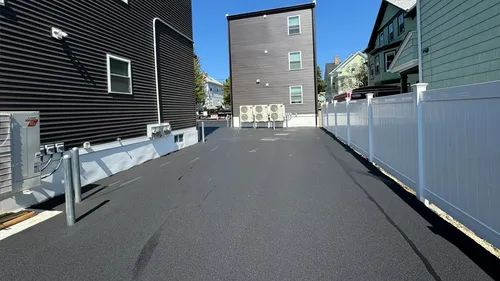
Rhode Island Paveway Inc is a parking lot paving and resurfacing contractor serving Providence, RI, and nearby communities. They offer comprehensive asphalt services including installation, crack sealing, surface restoration, and eco-friendly permeable asphalt options. Their team understands local climate challenges and focuses on durable, well-graded surfaces that prevent water accumulation and withstand harsh weather. With decades of combined experience, they use advanced machinery and tailored maintenance plans to extend pavement life and meet safety standards. Rhode Island Paveway Inc also provides flexible scheduling and warranties to support customer satisfaction.
J. Perry Paving
1090 Toll Gate Rd, Warwick, RI 02886
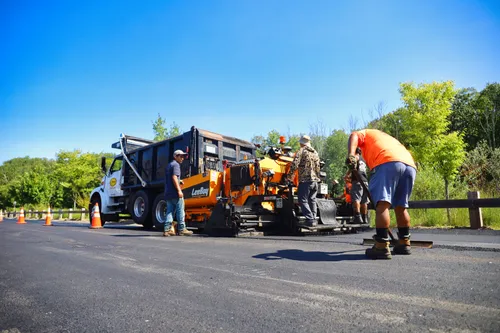
J. Perry Paving is a paving and asphalt contractor serving Providence, RI, with over 20 years of experience. They specialize in residential and commercial paving projects including asphalt driveways, parking lots, seal coating, patios, and masonry. The company is known for quality workmanship and reliable service throughout Rhode Island.
T-Co. Paving
Allendale Ave, North Providence, RI 02911
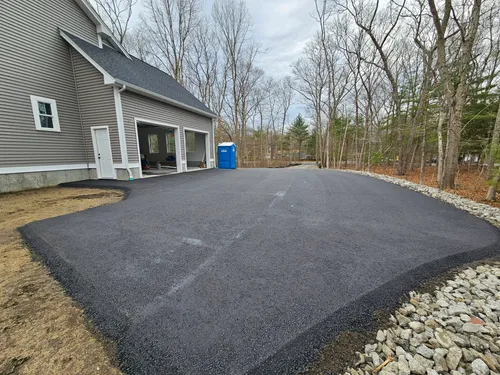
T-Co. Paving is a parking lot paving and sealcoating company based in Providence, RI. They offer a range of services including asphalt paving, sealcoating, site work, parking lot repairs, and line striping. Serving all of Rhode Island as well as eastern Connecticut and southern Massachusetts, they specialize in asphalt driveways and commercial parking lots. Their capabilities include crack filling, patching, drain repair, and precise line striping with multiple colors and stencils. With over 10 years of experience and as a third-generation asphalt industry business, T-Co. Paving emphasizes quality workmanship and customer satisfaction.
Curb Appeal Asphalt Paving and Sealcoating
Providence, RI
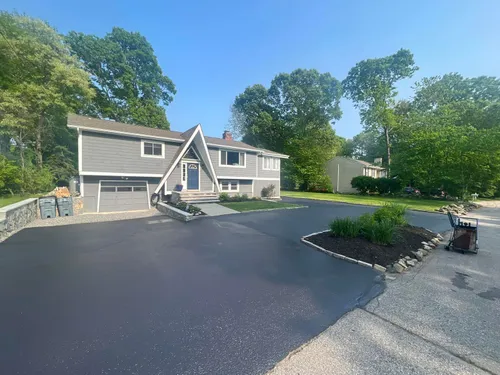
Curb Appeal Asphalt Paving and Sealcoating is a locally and family-owned company based in Providence, RI. They provide a range of services including asphalt paving, resurfacing, sealcoating, crack filling, line striping, and patching for both residential and commercial properties. The company serves Rhode Island and nearby areas including Massachusetts, Connecticut, Block Island, Nantucket, and Martha's Vineyard. They specialize in commercial parking lot projects and use high-quality materials to ensure durable results.
Asphalt Driveway Solutions & Masonry
Bay St, Taunton, MA 02780
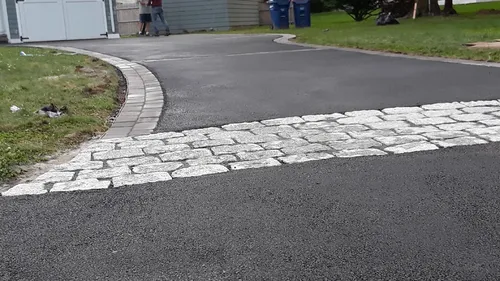
Asphalt Driveway Solutions & Masonry is a parking lot paving contractor serving Providence, RI, and surrounding areas. They provide residential and commercial paving services with the manpower, materials, and equipment needed for a quality finish. Their service area includes many communities in Massachusetts, such as Boston, Taunton, and Attleboro. The company handles projects of various sizes and types, focusing on creating the desired look for each property.
Understanding Rhode Island's Paving Climate and Timing
Rhode Island's coastal climate presents unique challenges for pavement longevity. The frequent freeze-thaw cycles during winter are the primary cause of damage, leading to cracking, potholes, and heaving if the pavement system isn't properly designed 1. Water seeps into small cracks, freezes and expands, then thaws, repeatedly weakening the asphalt and its base. This makes proper sub-base construction and drainage not just recommendations, but necessities for durability.
Given these conditions, timing your project is crucial for optimal results.
- Best Seasons: Spring and Fall. The ideal windows for paving in Rhode Island are late April through May and early October 2. Spring offers moderate temperatures (typically 40°F-60°F) that allow the asphalt to cool and cure at a proper rate. Fall paving allows the new surface to fully cure before the ground freezes, setting it up for a resilient winter.
- Temperature Restrictions. Asphalt should not be placed when ambient or ground temperatures are below 40°F 3. If asphalt cools too quickly, it cannot achieve the necessary compaction, leading to a weak, porous surface prone to rapid deterioration.
- Winter Considerations. For existing lots, winter maintenance requires care. Using ice melt products like calcium chloride is often recommended for commercial properties, as it is less damaging to concrete and asphalt than rock salt (sodium chloride) 4.
Essential Construction Standards and Best Practices
Adhering to proven construction standards is the most effective way to ensure your parking lot withstands Rhode Island's weather and heavy use. These guidelines focus on creating a stable, well-drained foundation and a properly compacted surface.
Sub-Base and Foundation The foundation is the most critical component of a long-lasting parking lot. For new construction in Rhode Island, a substantial gravel base is non-negotiable.
- Gravel Base: A minimum of 9 inches of compacted gravel is required to provide a stable platform that resists shifting and settling.
- Subgrade Preparation: The soil beneath the gravel (subgrade) must be properly graded and compacted. A weak subgrade will fail, no matter how thick the asphalt above it 5 6.
- Drainage: The base and final pavement must be sloped to direct water away. A minimum pitch of 1% is required, though a 2% slope is often recommended for more effective water runoff 7. Proper drainage prevents water from weakening the sub-base, which is a leading cause of pavement failure.
Asphalt Thickness and Compaction The asphalt layer itself must be built to handle vehicular traffic.
- Thickness: For a durable commercial parking lot, a two-course application is standard: a 1.5-inch base course topped with a 1.5-inch surface course (thicknesses are after compaction). For resurfacing an existing stable base, a single 2-inch minimum layer may be sufficient 8.
- Compaction: Proper rolling with heavy machinery is essential to remove air pockets and achieve the required density. A minimum 3-ton vibratory roller is specified, with 4-to-6 ton rollers being preferred for optimal results.
- Edges: Pavement edges must be finished with a 45-degree tamped edge or a physical curb to prevent raveling and crumbling under traffic.
Choosing the Right Asphalt Mix for Your Project
Not all asphalt is the same. The choice of mix depends on your project's needs, traffic load, and environmental considerations.
- Hot Mix Asphalt (HMA): This is the traditional and most common choice for parking lots. It is heated to high temperatures at the plant, making it workable for placement and compaction. HMA is known for its durability and flexibility 9.
- Performance-Graded (PG) Mixes: The Rhode Island Department of Transportation (RIDOT) specifies PG asphalt binders, such as PG 64S-28 or PG 58S-28, which are engineered to perform within specific temperature ranges (e.g., suitable for high temperatures of 64°C and low temperatures of -28°C) 10. These mixes often incorporate higher percentages of Recycled Asphalt Pavement (RAP), making them a cost-effective and sustainable option 10 11.
- Warm Mix Asphalt (WMA): Produced and placed at temperatures 30-50°F lower than HMA, WMA offers benefits like improved compaction in cooler weather, reduced fuel consumption, and lower emissions 12.
- Porous Asphalt: In areas with strict local stormwater regulations, particularly within Coastal Resources Management Council (CRMC) zones, porous asphalt may be recommended. This special mix allows water to drain directly through the pavement into a stone reservoir below, reducing runoff and recharging groundwater 13.
Navigating Regulations and Stormwater Management
Rhode Island has specific regulations, especially concerning stormwater, that can impact parking lot design.
- Stormwater Management: The state requires managing the first 1 inch of rainfall runoff from new impervious surfaces like parking lots 14. This means your project plan must include how to handle this water, whether through retention basins, porous pavement, or other approved Best Management Practices (BMPs).
- Local Permits: Always check with your local municipal building or planning department. Towns may have their own zoning requirements, setback rules, and permit processes for commercial paving projects.
- Grading Plans: A site plan showing the final grading and drainage flow is often a required part of the permit application to ensure water is directed to appropriate catch basins or vegetated areas 15.
Find the perfect parking lot paving contractors for your needs
Get personalized recommendations and expert advice
Cost Factors and Budgeting for Your Parking Lot
The cost of paving a parking lot in Rhode Island is typically quoted per square foot, with the total project price depending on size, site conditions, and materials. Commercial projects generally fall within a budget range of $2.50 to $5.00 per square foot 16.
- Small Lots (e.g., 5,000 sq. ft.): Can range from approximately $12,500 to $25,000 17.
- Large Lots (25,000+ sq. ft.): Often benefit from economies of scale, with per-square-foot costs potentially decreasing to the $2.00 - $3.50 range 18.
- Major Cost Drivers: The single biggest variables are site preparation and base work. Projects requiring significant excavation, removal of old pavement, or correction of poor drainage will be at the higher end of the cost spectrum 19 20 21.
- Resurfacing vs. New Construction: Resurfacing (overlaying) an existing, sound parking lot is less expensive than full reconstruction. A 2-inch overlay may cost around $1.88 per square foot 22.
- Ancillary Costs: Remember to budget for related work like striping (approximately $5 per 18-foot line) and any necessary curbing or landscaping repairs 23.
Planning and Executing Your Project
A successful paving project starts with careful planning and choosing the right contractor.
- Get Multiple Quotes: Obtain detailed written estimates from several licensed, insured, and experienced local paving contractors. Ensure the quotes specify the scope of work, materials to be used, thickness, and timeline.
- Check References and Portfolios: Look at past commercial work the contractor has completed, especially projects that are a few years old, to assess how their work holds up over time.
- Review the Contract Thoroughly: The contract should include all specifications (base depth, asphalt mix type, thickness, compaction method), a payment schedule, start and completion dates, and warranty information.
- Plan for Business Operations: Discuss with your contractor how access to your business will be maintained during construction. A good contractor will help you create a phased plan to minimize disruption.
Long-Term Maintenance for Maximum Lifespan
Protect your investment with a proactive maintenance plan.
- Sealcoating: Apply a quality sealcoat every 2-3 years to protect the asphalt surface from UV rays, water, and automotive fluids.
- Prompt Repair: Address small cracks and potholes immediately to prevent water infiltration and more extensive, costly damage.
- Regular Cleaning: Keep the surface clean and ensure drainage inlets are clear of debris to allow proper water runoff.
By understanding Rhode Island's specific climate demands, construction standards, and cost landscape, you can make informed decisions and partner with a professional to build a parking lot that is safe, functional, and durable for years to come.
Frequently asked questions
Sources
Footnotes
-
Walkway safety for icy Rhode Island conditions - https://www.rockhouseconstruction.com/walkway-safety-for-icy-rhode-island-conditions ↩
-
Best Time to Pave Driveway | Seasonal Paving Guide - https://sspaving.com/blog/best-time-to-pave-driveway/ ↩
-
Why Spring is the Best Time for Asphalt Paving in Rhode Island - https://beausoleilandsonsinc.com/why-spring-is-the-best-time-for-asphalt-paving-in-rhode-island/ ↩
-
The Best Driveway Paving Materials for Rhode Island's Climate - https://ljbeausoleilpaving.com/driveways/the-best-driveway-paving-materials-for-rhode-islands-climate/ ↩
-
The Foundation: A Key Component to Parking Lots and Driveways - https://rickspaving.com/the-foundation-a-key-component-to-parking-lots-and-driveways/ ↩
-
Why Is Subgrade Preparation Important for Asphalt? - https://marylandasphaltllc.com/2023/08/why-is-subgrade-preparation-important-for-asphalt/ ↩
-
State of Rhode Island Residential Paving Standards - https://crb.ri.gov/sites/g/files/xkgbur711/files/2024-01/Residential%20Paving%20Standards_06.08.2022%20DC.pdf ↩
-
Best Practices for Commercial Parking Lot Design - rePAVE LLC - https://repavellc.com/best-practices-for-commercial-parking-lot-design/ ↩
-
What Type of Asphalt Mix is Used in Your Parking Lot? - PLS - https://www.plsofflorida.com/asphalt-mix/ ↩
-
Compilation of Approved Specifications - purchasing.ri.gov - https://purchasing.ri.gov/rivip/stateagencybids/7549621a2.pdf ↩ ↩2
-
Asphalt Concrete - Reed & Graham, Inc. - https://secure.rginc.com/rg/prod_ac.htm ↩
-
Right Asphalt Mix for Industrial and Commercial Applications - https://thepavementgroup.com/choosing-the-right-asphalt-mix-for-industrial-and-commercial-applications/ ↩
-
Best asphalt mixes for your parking lot - Baughman Magic Seal - https://baughmanmagicseal.com/best-asphalt-mixes-for-your-parking-lot/ ↩
-
State of Rhode Island Stormwater Management Guidance for ... - https://www.crmc.ri.gov/stormwater/single-family-lot-guidance.pdf ↩
-
Key Considerations for Parking Lot and Road Installation Projects - https://sspaving.com/blog/what-are-the-key-considerations-for-new-installation-of-parking-lots-and-roads/ ↩
-
Commercial Paving Project Budget in Rhode Island: Cost Factors and Planning Tips - https://www.jperrypaving.com/commercial-paving-budget-ri-excerpt/ ↩
-
Commercial Paving Project Budget in Rhode Island - https://www.jperrypaving.com/commercial-paving-budget-ri-excerpt/ ↩
-
Rhode Island Parking Lots Costs & Prices - ProMatcher Cost Report - https://parking-lots.promatcher.com/cost/rhode-island.aspx ↩
-
How Much Does Paving an Asphalt Driveway Cost? (2026) - https://homeguide.com/costs/asphalt-driveway-cost ↩
-
Driveway Paving Cost in Rhode Island: Average Prices and Key Factors - https://www.jperrypaving.com/driveway-paving-cost-ri/ ↩
-
How to Budget for a Commercial Asphalt Paving Project - https://thepavementgroup.com/how-to-budget-for-an-asphalt-paving-project/ ↩
-
Parking Lot Resurfacing: Complete Cost Guide & Process [2025] - C&C Super Seal - https://www.candcsuperseal.com/parking-lot-resurfacing-complete-cost-guide-process-2025/ ↩
-
Asphalt - Understanding the Cost of Asphalt Paving: A Guide to Project Complexity and Material Pricing - https://www.welovepaving.com/understanding-the-cost-of-asphalt-paving-a-guide-to-project-complexity-and-material-pricing/ ↩