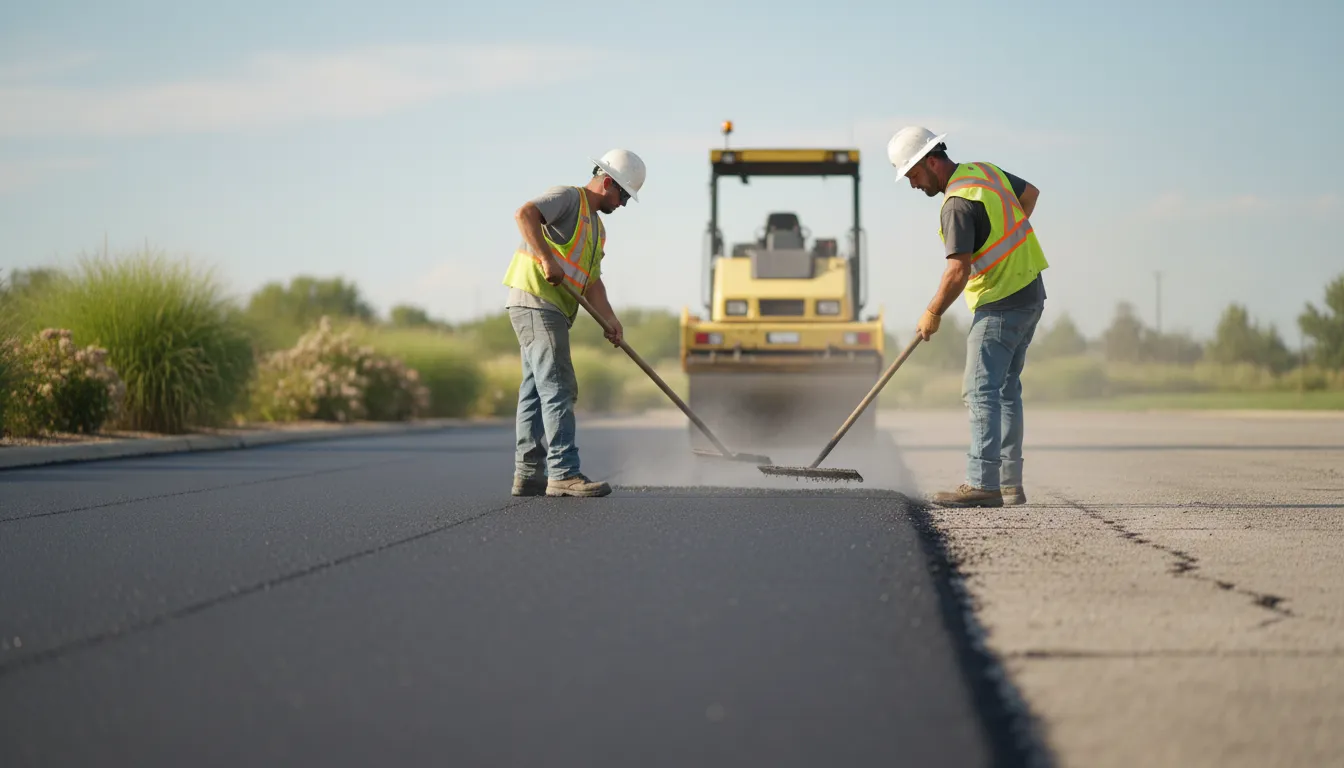
Find the Best Parking Lot Paving Contractors for Your Business
No obligation • Fast responses • Nationwide coverage
Why you can trust Tidy Parking
Tidy Parking is a leading U.S. source for parking lot maintenance services, including striping, sealcoating, sweeping, paving, resurfacing, and repairs. Our content is created independently, and providers cannot pay to influence ratings or recommendations.
Search providers near you
Best Parking Lot Paving Contractors in Pennsylvania Ranked
A well-constructed parking lot is a critical asset for any Pennsylvania business or property, providing safety, functionality, and a positive first impression. Parking lot paving involves the professional installation of a durable asphalt surface over a properly engineered base, designed to withstand local weather and traffic demands. This guide explains the essential standards, materials, and processes for asphalt paving in Pennsylvania, helping you understand what a high-quality project entails and how to connect with qualified local paving professionals to get the job done right.
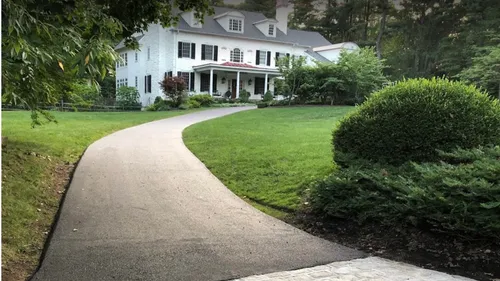
Maintain-It-All - Residential & Commercial Driveway Paving
18 W Mt Kirk Ave Suite 200, Eagleville, PA 19403
Maintain-It-All - Residential & Commercial Driveway Paving provides driveway paving, sealcoating, and exterior maintenance services in Philadelphia, PA. They serve both residential and commercial clients, offering solutions such as driveway patching, extensions, and power washing to enhance and protect property surfaces. Their team focuses on quality workmanship to extend the life and improve the appearance of driveways and exterior areas. Maintain-It-All serves Montgomery, Chester, and Delaware counties as well, acting as a comprehensive exterior maintenance provider in the Pennsylvania region.
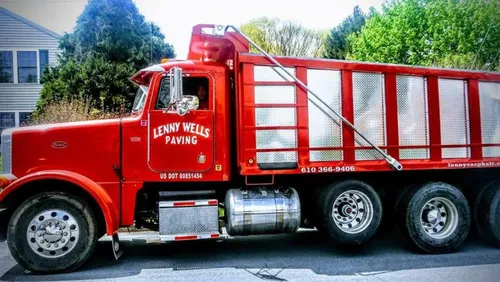
Lenny Wells Paving
Allentown, PA
Lenny Wells Paving is a family-owned paving contractor based near Allentown, PA, specializing in parking lot paving, resurfacing, and repair. They serve commercial, residential, and industrial clients in Alburtis and Lehigh County, offering services such as road paving, water drainage, excavating, and land grading. With over 50 years of experience, Lenny Wells Paving uses state-of-the-art equipment to ensure durable and smooth asphalt surfaces. The company operates year-round and focuses on customer satisfaction through quality workmanship and effective solutions.
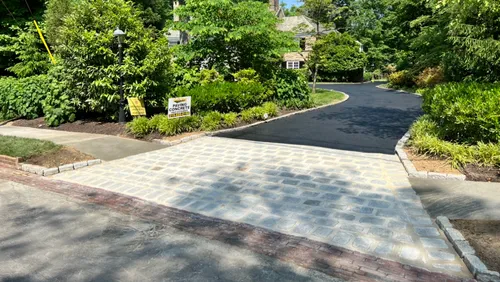
Quality Paving & Concrete
2 Bala Plaza Suite 300-726, Bala Cynwyd, PA 19004
Quality Paving & Concrete is a contractor based in Philadelphia, PA, specializing in asphalt paving, concrete work, and parking lot repair and resurfacing. They offer a range of services including asphalt overlay, removal, and replacement, as well as concrete installation and repair. The company also provides hardscaping, masonry, patios, retaining walls, and basement waterproofing. With over 20 years of experience, Quality Paving & Concrete has developed expertise in delivering durable paving and concrete solutions. They serve a wide area including Bucks County, Montgomery County, Chester County, and surrounding communities.

FGG Sealcoating & Paving
Philadelphia, PA
FGG Sealcoating & Paving is a parking lot sealcoating and paving contractor based in Philadelphia, PA. The company provides services focused on maintaining and improving parking lot surfaces, including sealcoating and paving work. Their expertise helps protect and extend the life of parking areas in the Philadelphia area.
United Paving Contractors
707 1st Ave, Deptford, NJ 08096
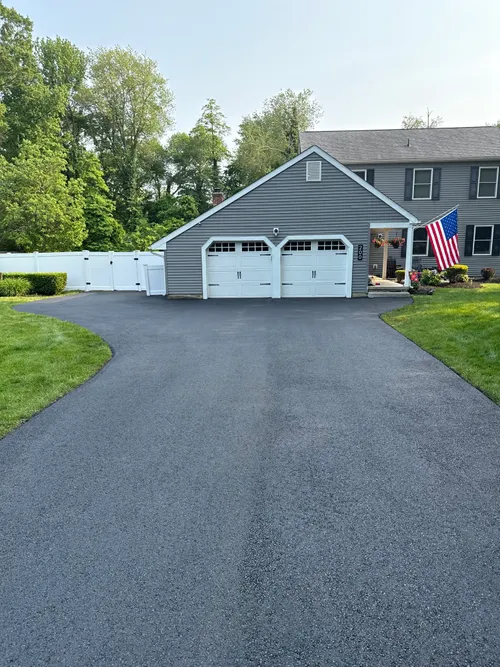
United Paving Contractors is a parking lot paving contractor serving Philadelphia, PA, and the surrounding South Jersey area. They specialize in asphalt paving for driveways and parking lots, handling projects for residential, corporate, and government clients. The company has a full line of maintained equipment and trained professionals to manage projects from start to finish. Their service area includes Burlington, Camden, Gloucester, and Salem counties, among others. United Paving Contractors emphasizes integrity and customer education in their business approach.
Pennsylvania Paving Standards & Climate Considerations
Paving a parking lot in Pennsylvania is not a simple matter of laying down asphalt; it is a regulated construction activity that must account for the state's challenging climate. Projects often must align with standards set by the Pennsylvania Department of Transportation (PennDOT), particularly Publication 408, which governs materials and construction methods. This is crucial for creating a pavement structure that can endure the significant freeze-thaw cycles common across the state, from the Poconos to Philadelphia.
The primary climatic challenge is temperature variation. Pennsylvania experiences hot, humid summers and cold winters with frequent freezing. To prevent premature cracking and rutting, asphalt mixes must use performance-graded (PG) binders specifically formulated for this range, such as PG 64-22 or PG 76-22 1. Furthermore, the paving season is strictly limited by temperature. Hot mix asphalt generally cannot be placed when ambient or surface temperatures are below 40°F, and it cannot be applied to wet or frozen surfaces 2. The effective paving window typically runs from April 1 to October 31, making project timing a critical factor.
Structural Design & Layer Requirements
A long-lasting parking lot is built from the ground up. The structural design must account for the weight of vehicles, including occasional heavy delivery trucks or garbage vehicles. A standard, durable design for a commercial lot in Pennsylvania involves multiple layers:
- Subgrade Preparation: The native soil must be tested and compacted to a firm, unyielding state, often using a minimum 10-ton roller. This prevents future settling.
- Aggregate Base Course: A minimum of 6 to 8 inches of well-compacted crushed stone (such as PennDOT No. 2A or crushed limestone) is standard. This layer provides stability, distributes load, and aids in drainage.
- Asphalt Binder Course: This is the main structural layer, typically 2 to 4 inches thick. It often uses a SUPERPAVE 25.0 mm mixture for strength.
- Asphalt Surface/Wearing Course: The final driving surface is usually 1.5 to 2 inches thick and uses a finer, smoother SUPERPAVE 9.5 mm or 12.5 mm mix. This layer provides a smooth ride, skid resistance, and weatherproofing.
In total, a properly built commercial parking lot in Pennsylvania will often have 5.5 inches or more of compacted hot mix asphalt over the prepared base. For lots expecting heavier traffic, total asphalt thickness may need to be 6-8 inches.
Drainage & Slope Specifications
Proper drainage is non-negotiable in Pennsylvania. Water is the primary enemy of asphalt pavement. When water penetrates or pools on the surface, it leads to rapid deterioration, including potholes, cracking, and base failure. All parking areas must be designed with a positive slope to shed water effectively.
State and local codes typically mandate a slope between 1% and 6% 3 4. A slope of less than 1% can lead to ponding, while anything over 6% may create accessibility or vehicle stability issues. Drainage planning must include:
- Crowning or Tipping: Directing water toward the perimeter or specific collection points.
- Catch Basins/Inlets: Installing these drainage structures at all low points to collect and channel stormwater away from the pavement.
- Stormwater Management: Compliance with local regulations for managing runoff, which may involve infiltration beds or detention basins.
Find the perfect parking lot paving contractors for your needs
Get personalized recommendations and expert advice
Materials & SUPERPAVE Mix Design
Pennsylvania strongly emphasizes the use of SUPERPAVE (SUperior PERforming asphalt PAVEment) mix designs. This system, developed through national research, selects asphalt materials based on the local climate and the projected traffic loads the pavement will endure 5. A proper Job Mix Formula (JMF) is developed for each project, specifying the precise blend of aggregate sizes, sand, and asphalt binder.
The choice of surface course mix (e.g., 9.5 mm vs. 12.5 mm) depends on factors like the volume of traffic, measured in Equivalent Single Axle Loads (ESALs), and the desired surface texture 6 7. Using the correct, approved mix is essential for achieving the intended pavement life and performance under Pennsylvania's specific conditions.
ADA Compliance & Layout
Any commercial or public parking lot paving or restructuring project must fully comply with the Americans with Disabilities Act (ADA). This is a federal requirement with specific implications for layout and striping, which must be integrated into the paving plan. Key requirements include:
- Accessible Parking Spaces: A minimum number of van-accessible and standard accessible spaces based on the total count of spaces in the lot.
- Access Aisles: Mandatory 5-foot-wide access aisles adjacent to accessible spaces, which must be marked and kept clear.
- Route to Entrance: Providing a continuous, unobstructed accessible pathway from the parking space to the building entrance, with proper ramps where needed 8.
Ignoring ADA requirements can lead to significant liability and costly retrofits, so they must be part of the initial paving and site design.
Cost Factors for Pennsylvania Projects
The cost of paving a parking lot in Pennsylvania is highly variable, influenced by the current price of oil (a key component of asphalt), project size, site conditions, and structural requirements. Prices are typically quoted per square foot for the paving work, but the total project cost includes excavation, base work, drainage, and finishing.
- Resurfacing or Small Commercial Lots: For projects involving an overlay on an existing stable base or new construction of a small lot, costs often range from $2.50 to $4.50 per square foot 9 10.
- New Construction or Heavy-Duty Lots: For large-scale projects requiring extensive excavation, a full-depth aggregate base, and a thick asphalt structure, prices can range from $3.00 to $7.00 per square foot 11 12. The higher end reflects complex sites, poor soil conditions, or the need for enhanced drainage systems.
- Key Cost Drivers: The single largest factor is the required depth of asphalt and base material 13 14. Other major factors include the cost of earthwork and demolition, accessibility of the site, and any necessary stormwater management infrastructure.
Frequently asked questions
Sources
Footnotes
-
Asphalt Paving Terminology | Delaware Center for Transportation - https://sites.udel.edu/dct/2020/06/02/asphalt-paving-terminology/ ↩
-
Bituminous Paving Weather Restrictions/Extended-Season ... - https://www.paconstructors.org/wp-content/uploads/2018/09/image2018-09-17-142831.pdf ↩
-
Article IV: Construction Standards for Driveways and Parking ... - https://ecode360.com/14513997 ↩
-
Article XIII: Minimum Parking and Loading Requirements - https://ecode360.com/26923076 ↩
-
Pennsylvania Asphalt Pavement Guide | PDF - Scribd - https://www.scribd.com/document/44283489/Design-Guide-Asphalt-Pavements ↩
-
chapter 7 paved surfaces - https://www.pa.gov/content/dam/copapwp-pagov/en/penndot/documents/public/pubsforms/publications/pub-23/pub%2023-chapter%207%20.pdf ↩
-
AAPA Asphalt Pavement Design Guide 2020 1 - Scribd - https://www.scribd.com/document/703486630/AAPA-Asphalt-Pavement-Design-Guide-2020-1 ↩
-
ADA Parking Lot Requirements in Pennsylvania: Complete Guide - https://restripeit.com/blog/ada-parking-lot-requirements-pennsylvania ↩
-
How to Budget for Commercial Parking Lot Paving Projects - https://thepavementgroup.com/how-to-budget-for-commercial-parking-lot-paving-projects/ ↩
-
Cost to Pave a Parking Lot Price Guide [2026 Data] - https://www.angi.com/articles/cost-to-pave-parking-lot.htm ↩
-
Things to Consider Before Paving an Asphalt Parking Lot - https://bitroads.com/About-Us/Blog/entryid/35/things-to-consider-before-paving-an-asphalt-parking-lot ↩
-
How to start an asphalt paving business from the ground up - https://www.jim.com/blog/how-to-start-an-asphalt-paving-business ↩
-
Paving and Asphalt Calculator - DRYCO - https://www.dryco.com/asphalt-calculator/ ↩
-
Key Factors That Impact the Cost of Commercial Asphalt Projects - https://thepavementgroup.com/key-factors-that-impact-the-cost-of-commercial-asphalt-projects/ ↩