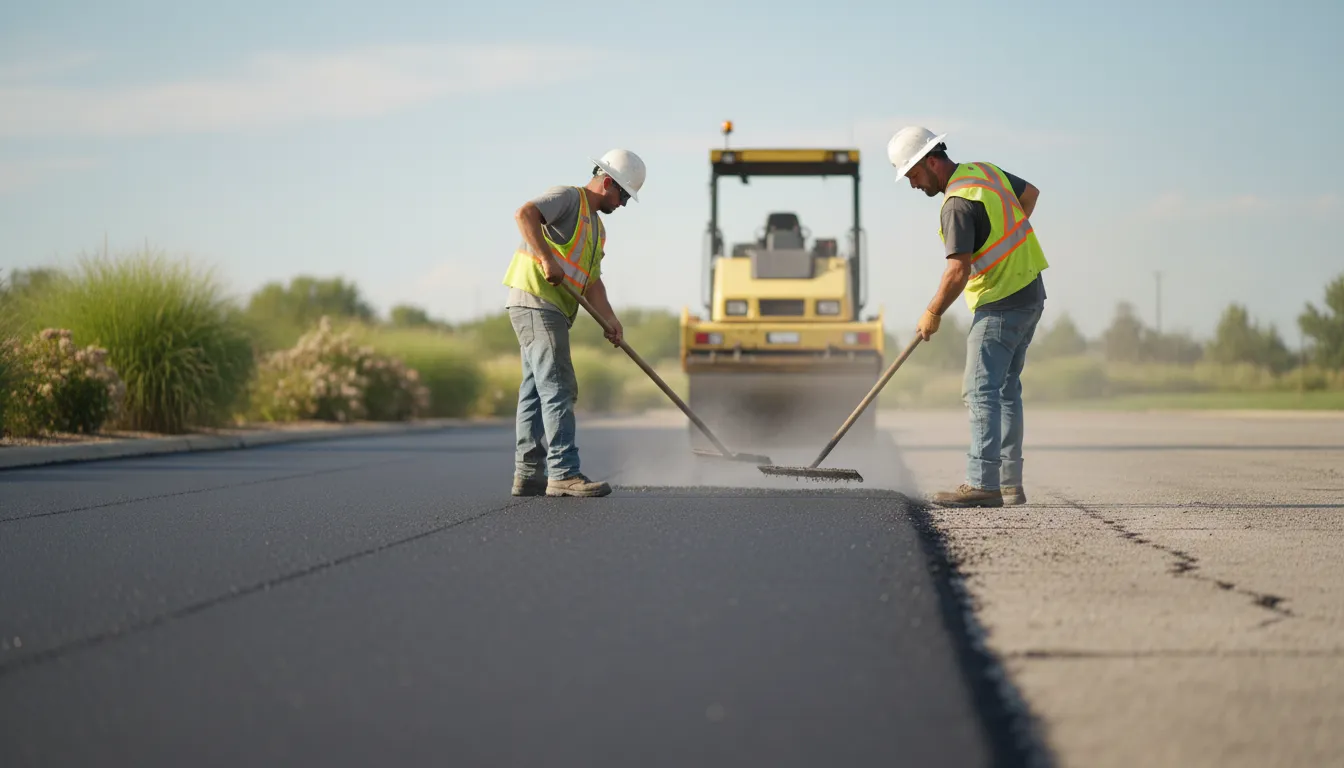
Find the Best Parking Lot Paving Contractors for Your Business
No obligation • Fast responses • Nationwide coverage
Why you can trust Tidy Parking
Tidy Parking is a leading U.S. source for parking lot maintenance services, including striping, sealcoating, sweeping, paving, resurfacing, and repairs. Our content is created independently, and providers cannot pay to influence ratings or recommendations.
Search providers near you
Top Parking Lot Paving Contractors in Linden, New Jersey Ranked
A well-paved parking lot is a critical asset for any business, providing a safe, durable, and professional first impression for customers and employees. In Linden, New Jersey, this is especially true due to the region's challenging climate and soil conditions. This guide explains the local paving process, costs, and key considerations for commercial property owners and managers. You can use this information to understand your project's scope and connect with qualified local contractors who specialize in asphalt installation and repair.
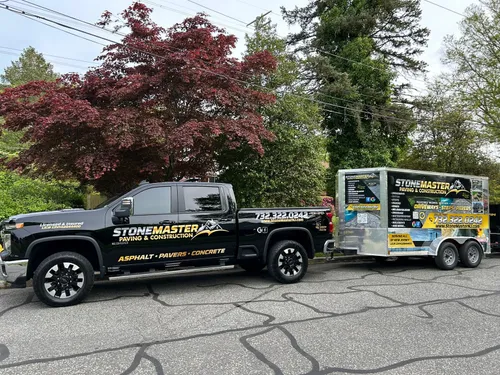
Stone Master Paving & Construction Corp.
914 Hermann Rd, North Brunswick Township, NJ 08902
Stone Master Paving & Construction Corp. is a licensed and insured paving and masonry company serving Edison, NJ. They offer a range of services including driveway paving, parking lot repair, resurfacing, and paver installation. The company has over 35 years of industry experience and provides skilled masonry work such as patios, walkways, and retaining walls. Their team uses quality materials and up-to-date techniques to ensure durable results.
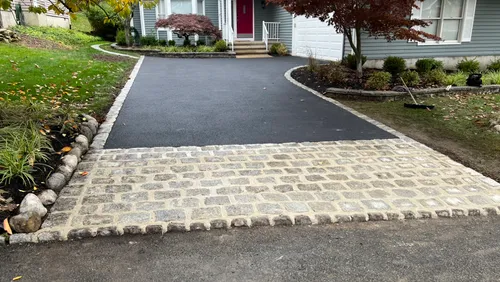
Pavement Specialist Inc
8 Campus Dr #106, Parsippany, NJ 07054
Pavement Specialist Inc provides paving, masonry, waterproofing, and repair services for residential and commercial properties in New York, NY. They specialize in installing and maintaining driveways, patios, walkways, retaining walls, and other exterior features using durable materials and proven methods suited for seasonal weather. Their capabilities include asphalt and paver driveway installation, masonry construction, foundation and basement waterproofing, and structural repairs. Serving communities throughout New Jersey, they focus on practical solutions to enhance and protect properties.
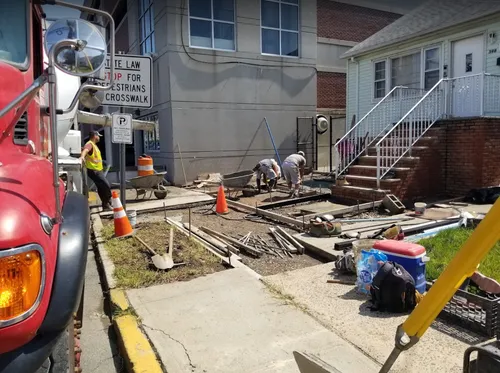
O'Neill Masonry and Asphalt LLC
Newark, NJ
O'Neill Masonry and Asphalt LLC is a licensed masonry and paving contractor serving Newark, NJ. They offer residential and commercial masonry services including brick, stone, concrete work, and asphalt paving. Their team is experienced in building durable structures such as patios, driveways, retaining walls, and facades, emphasizing long-lasting quality rooted in traditional masonry methods. The company also handles permit acquisition and city requirements to ensure compliant project completion. Customers have noted their effective communication and ability to manage projects efficiently despite challenges.
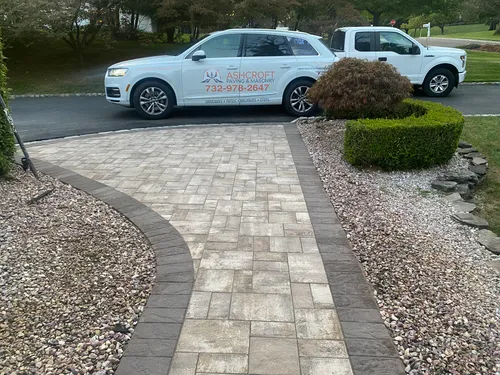
Ashcroft Paving & Masonry Matawan
100 Matawan Rd, Matawan, NJ 07747
Ashcroft Paving & Masonry Matawan is a parking lot paving contractor serving Edison, NJ. They specialize in installing and replacing various hardscapes, including driveways, patios, and paths. The team is experienced in delivering quality paving and masonry work with a focus on customer satisfaction.
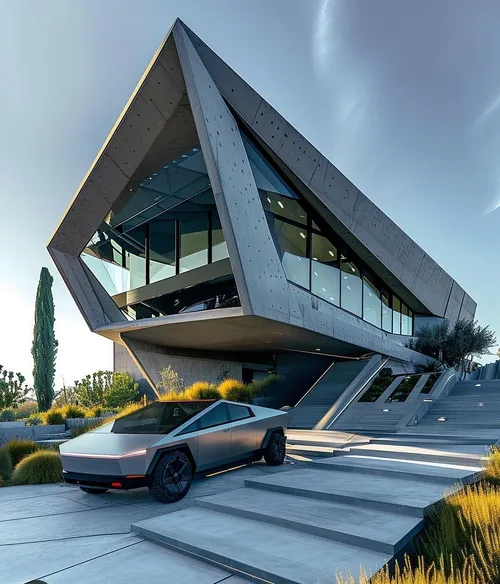
Cement Tech,LLC
31-00 47th Ave Suite 3100, Long Island City, NY 11101
Cement Tech, LLC is a concrete contractor based in New York, NY, specializing in residential and commercial concrete services including parking lot paving and resurfacing. They serve Astoria, Queens, and the greater New York City area, handling projects of various sizes with expert crews. Their capabilities include concrete grinding and polishing, ensuring precise workmanship and attention to detail. Cement Tech, LLC operates without contracts or seasonal fees, providing services as needed to meet client schedules.
Understanding the Paving Process in Union County
A professional asphalt paving project is a multi-stage operation that requires precision and an understanding of local geology. For a commercial lot in Linden, the process typically follows these key steps to ensure a long-lasting result.
1. Site Assessment & Permits: A reputable contractor will begin with a thorough evaluation of your existing lot or land. This includes checking the stability of the sub-base, identifying drainage patterns, and determining if any local permits from Linden or Union County are required. A useful tip is to conduct a "wet test" after a rainstorm to visually map where water pools, which highlights existing drainage failures.
2. Demolition and Removal: If an old, damaged asphalt surface exists, it must be broken up and carted away. This demolition phase clears the site for a fresh start.
3. Grading and Slope Optimization: Proper drainage is non-negotiable. Contractors use laser grading technology to create a precise pitch, typically between 1% and 2%, that directs stormwater away from building foundations and toward designated drainage structures like catch basins or swales 1 2.
4. Sub-Base Preparation: This is arguably the most critical step in New Jersey, given the prevalent soil conditions. The native soil is often excavated and replaced with a compacted layer of crushed stone or recycled aggregate. This stable, load-bearing foundation prevents the asphalt surface from sinking or cracking under the weight of vehicles.
5. Asphalt Application: The paving begins with the application of a binder layer for strength, followed by the final surface course. In Linden, contractors typically use hot-mix asphalt (HMA) mixes that meet New Jersey Department of Transportation (NJDOT) specifications, such as the I-5 or I-4 mixes, which are engineered for commercial traffic loads.
6. Compaction: While the asphalt is still hot, heavy vibratory rollers compact it to the required density. Proper compaction eliminates air pockets and ensures the surface will be durable and resistant to deformation 3.
7. Finishing Touches: Once the new pavement has cured, the final steps include applying thermoplastic line striping for parking spaces and traffic flow, and often a protective sealcoat to extend the life of the investment.
Linden's Unique Paving Challenges: Soil and Drainage
Linden's proximity to the waterfront and its underlying geology present specific hurdles for parking lot construction. The area is known for its heavy, clay-rich soil, which complicates drainage and base stability.
- Clay Soil and Water Infiltration: Clay has very low permeability, meaning it does not drain well. Water that seeps through the asphalt can become trapped in the sub-base, creating a soft, unstable mud that leads to potholes and surface cracking. In winter, this trapped water freezes and expands, causing frost heave that can lift and rupture the asphalt from below.
- Stormwater Management Requirements: Due to these drainage challenges and local regulations, projects often require engineered solutions. This can include installing trench drains, upgrading catch basins, or even using specialized materials like permeable asphalt, which allows water to pass through the pavement and recharge the groundwater below-a technology that has been successfully implemented in Linden to mitigate flooding 4.
- Regulatory Compliance: New Jersey's Soil Erosion and Sediment Control Act mandates specific practices for any land disturbance. Contractors must implement measures like silt fencing and sediment basins to prevent runoff during construction and ensure proper topsoil stabilization afterward 5.
Asphalt Specifications for New Jersey's Climate
The asphalt mix itself must be designed to withstand the state's significant temperature swings, from hot, humid summers to freezing winters. The right materials are essential for longevity.
- Hot-Mix Asphalt (HMA): HMA is the standard for commercial paving in the region. It is produced at high temperatures, making it more workable and allowing for better compaction than cold mixes. This results in a denser, more flexible surface that can expand and contract with temperature changes without immediate failure.
- NJDOT Mix Designs: Local pavers commonly use NJDOT-approved mixes. The NJDOT I-5 (9.5 mm) mix is the workhorse for most parking lot surfaces, designed for moderate to heavy traffic. For areas expecting constant heavy loads, like loading docks or truck lanes, the heavier-duty NJDOT I-4 mix may be specified.
- Protective Sealcoating: Applying a coal tar or asphalt-based sealant every 2-3 years is a critical maintenance step in this climate. Sealcoating fills small surface cracks, prevents water and chemical (like oil, gasoline) infiltration, and protects the asphalt from UV oxidation, which causes it to become brittle and gray 6 7.
Find the perfect parking lot paving contractors for your needs
Get personalized recommendations and expert advice
Cost Guide for Parking Lot Paving in Linden
Paving costs are highly variable and depend on the project's scope, site conditions, and material choices. For commercial projects in Linden, pricing is generally quoted per square foot.
- Asphalt Overlay/Resurfacing: If the existing base is structurally sound, a new layer of asphalt can be installed over the old. This is the most budget-friendly option for surface renewal.
- Estimated Cost: $2.00 - $4.00 per square foot.
- Milling and Repaving: This involves grinding off the top few inches of deteriorated asphalt and replacing it with a new surface course. It addresses surface issues while maintaining the existing grade and drainage.
- Estimated Cost: $2.50 - $6.00 per square foot.
- New Construction (Full Depth Paving): For a new lot or one with a failed base, this involves full excavation, sub-base installation, and new asphalt layers. It's the most comprehensive and durable solution.
- Estimated Cost: $3.50 - $7.00+ per square foot 8.
- Concrete Parking Lot: While more expensive initially, concrete offers a very long service life. It is less common for large commercial lots due to its higher cost and rigidity.
- Estimated Cost: $12.00 - $15.00+ per square foot 9.
Project Scale Example: A typical 100-car parking lot covers approximately 30,000 to 35,000 square feet. For a new construction project in the current market, the total investment for a lot of this size in the Linden area could range from an estimated $90,000 to over $350,000, depending on the complexity of site work, drainage requirements, and asphalt thickness 10.
Key Factors That Influence Your Final Price
Understanding what drives these cost ranges can help you budget more accurately and compare contractor quotes.
- Site Conditions: The single biggest variable. Lots with poor drainage, extensive potholes, or unstable, clay-heavy soil will require more extensive (and expensive) excavation and base work.
- Project Size and Accessibility: Larger projects often benefit from a lower cost per square foot due to economies of scale. However, sites with tight access for large equipment may require more manual labor, increasing costs.
- Asphalt Thickness and Mix Design: Areas destined for heavy truck traffic will require a thicker asphalt layer and a heavier-duty mix (like I-4), which increases material costs 11.
- Drainage and Stormwater Systems: Integrating new catch basins, trench drains, or permeable pavement sections adds significant material and labor costs but is essential for a durable result in Linden 12 13.
- Timing and Market Factors: The price of asphalt is tied to crude oil prices and can fluctuate. Scheduling work during a contractor's off-peak season (typically late fall or early spring, weather permitting) may sometimes yield better pricing.
Maintaining Your Investment
A new parking lot is a significant capital expense. Protecting it with a regular maintenance plan is far more cost-effective than major repairs down the line.
- Sealcoating: Reapply a protective sealcoat every 2-3 years.
- Prompt Crack Sealing: Fill small cracks annually with a rubberized sealant to prevent water from entering the base.
- Regular Cleaning: Keep the surface free of debris, oil, and chemical spills.
- Professional Inspections: Have a paving professional inspect your lot every year or two to identify minor issues before they become major problems.
Frequently asked questions
Sources
Footnotes
-
Cheapest Way to Pave a Parking Lot in Somerset County NJ - https://www.nvnpaving.com/cheapest-way-to-pave-parking-lot-somerset-county-nj/ ↩
-
Understanding the Cost of Commercial Asphalt Paving: What Affects Pricing? - https://caurorapaving.com/blog/understanding-the-cost-of-commercial-asphalt-paving-what-affects-pricing/ ↩
-
Parking Lot Paving in South Orange, NJ - https://www.platinumpavingnj.com/our-services/parking-lot-paving/south-orange-nj/ ↩
-
How Permeable Asphalt Helps with Drainage & Sustainability in Commercial Projects - https://thepavementgroup.com/how-permeable-asphalt-helps-with-drainage-sustainability-in-commercial-projects/ ↩
-
NJ Soil Erosion and Sediment Control Program - NJ.gov - https://www.nj.gov/agriculture/divisions/anr/nrc/njerosion.shtml ↩
-
Our New Jersey Parking Lot Paving Process - Fix Asphalt - https://www.fixasphalt.com/blog/the-asphalt-paving-process-0-0 ↩
-
How Much Does It Cost to Pave a 100000 Sq. Ft. Parking Lot? - https://www.fixasphalt.com/testblog/how-much-does-it-cost-to-pave-a-100000-sq.-ft.-parking-lot-in-new-jersey-2026-pricing-scoping-guide ↩
-
Cost to Pave a 2-Acre Parking Lot in Somerset County NJ - https://www.nvnpaving.com/cost-to-pave-2-acre-parking-lot-somerset-county-nj/ ↩
-
How Much Does It Cost to Pave a Parking Lot in NJ? (2025 ... - https://www.fixasphalt.com/blog/how-much-does-it-cost-to-pave-a-parking-lot-in-nj-2025-guide ↩
-
How Much Does It Cost to Build a Parking Lot? (2026) - HomeGuide - https://homeguide.com/costs/cost-to-build-a-parking-lot ↩
-
What is the Going Rate for Paving in Somerset County, NJ? - https://www.nvnpaving.com/what-is-the-going-rate-for-paving-in-somerset-county/ ↩
-
Porous Parking Lots Help Relieve Flooding and Enhance ... - https://cait.rutgers.edu/porous-parking-lots-help-relieve-flooding-and-enhance-ecosystem-in-linden-nj/ ↩
-
Why New Jersey Parking Lot Drainage Structures Fail - Fix Asphalt - https://www.fixasphalt.com/testblog/nj-catch-basin-drainage-repair ↩