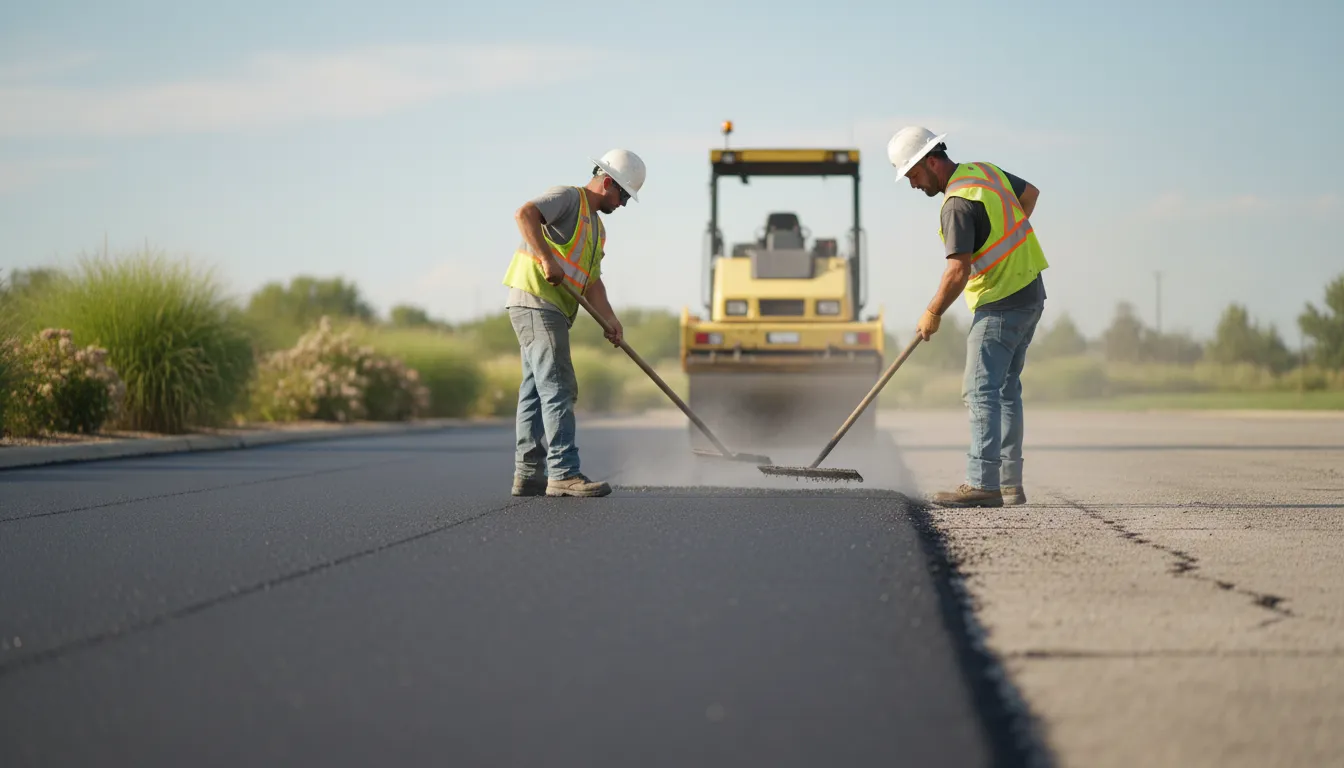
Find the Best Parking Lot Paving Contractors for Your Business
No obligation • Fast responses • Nationwide coverage
Why you can trust Tidy Parking
Tidy Parking is a leading U.S. source for parking lot maintenance services, including striping, sealcoating, sweeping, paving, resurfacing, and repairs. Our content is created independently, and providers cannot pay to influence ratings or recommendations.
Search providers near you
Top Parking Lot Paving Contractors in Howell, New Jersey Ranked
A durable, well-constructed asphalt surface is the foundation of a safe and functional commercial property. In Howell, New Jersey, successful parking lot paving requires specialized knowledge of the local climate, soil conditions, and municipal requirements to ensure the pavement withstands heavy traffic and harsh winters. This guide explains the paving process, local challenges, and cost considerations to help you understand what goes into a quality asphalt installation and how to connect with experienced contractors in the Monmouth County area.
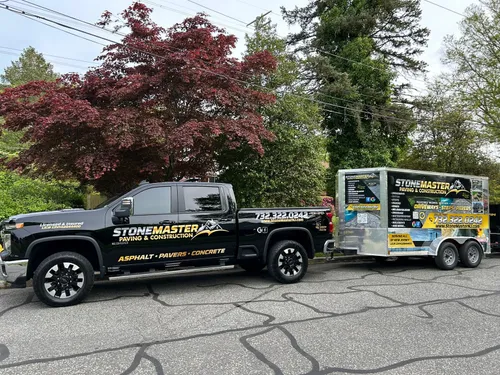
Stone Master Paving & Construction Corp.
914 Hermann Rd, North Brunswick Township, NJ 08902
Stone Master Paving & Construction Corp. is a licensed and insured paving and masonry company serving Edison, NJ. They offer a range of services including driveway paving, parking lot repair, resurfacing, and paver installation. The company has over 35 years of industry experience and provides skilled masonry work such as patios, walkways, and retaining walls. Their team uses quality materials and up-to-date techniques to ensure durable results.
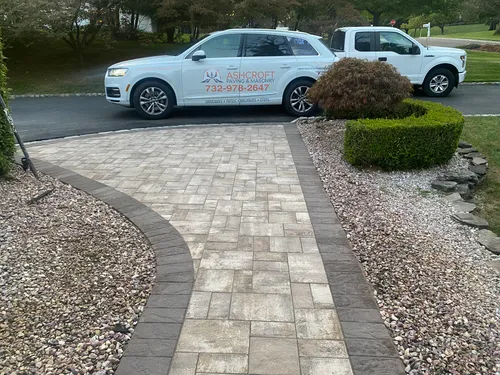
Ashcroft Paving & Masonry Matawan
100 Matawan Rd, Matawan, NJ 07747
Ashcroft Paving & Masonry Matawan is a parking lot paving contractor serving Edison, NJ. They specialize in installing and replacing various hardscapes, including driveways, patios, and paths. The team is experienced in delivering quality paving and masonry work with a focus on customer satisfaction.
J.D Asphalt Maintenance and Sealcoating
Lakewood, NJ
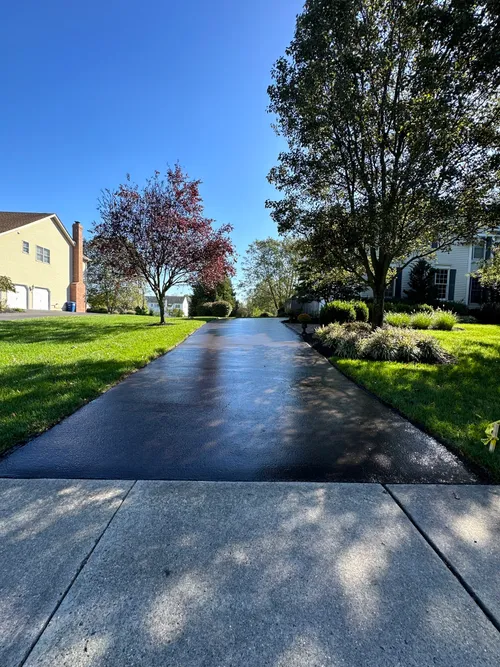
J.D Asphalt Maintenance and Sealcoating is a parking lot sealcoating and paving contractor based in Lakewood, NJ. They provide a range of asphalt services including paving, resurfacing, repairs, and sealcoating. The company uses advanced equipment and quality materials to deliver smooth and durable surfaces, following a process that includes site preparation, grading, and asphalt installation. With years of experience in the asphalt industry, J.D Asphalt Maintenance and Sealcoating is equipped to handle projects of various sizes.
J & S Pave-Rite Paving
4 Cedarwood Ln, Jackson Township, NJ 08527
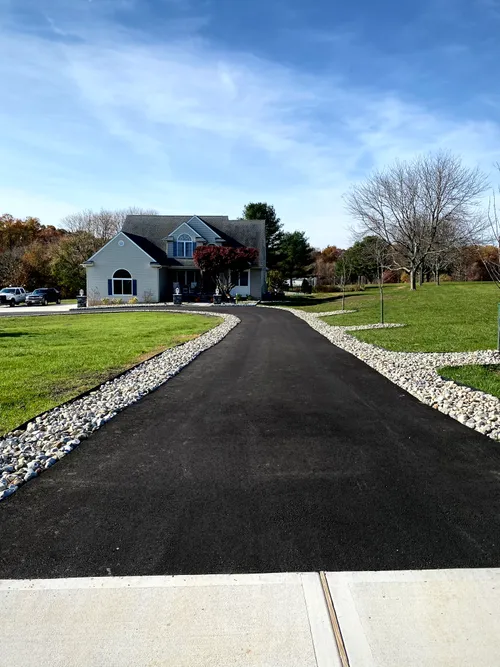
J & S Pave-Rite Paving is a family-owned paving company serving Lakewood, NJ, with over 30 years of experience in commercial, residential, and municipal asphalt paving. They offer a range of services including parking lot paving, seal coating, milling, resurfacing, and concrete work such as sidewalks and curbs. The company is equipped to handle large commercial and municipal projects and has completed work for clients like Wendy's and Gold's Gym in the region. With a history dating back to 1950, J & S Pave-Rite Paving emphasizes quality materials and workmanship to ensure long-lasting results.
Marshalls Paving and Masonry
County Rd 516, Old Bridge, NJ 08857
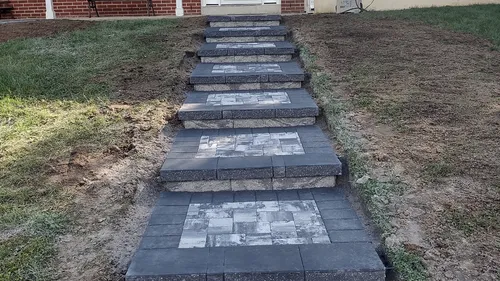
Marshalls Paving and Masonry is a parking lot sealcoating, paving, resurfacing, and repair company serving New York, NY. They specialize in driveway and walkway paving, including complete dig outs and sealcoating, with a focus on traditional, hands-on methods. Customers have praised their thorough approach to removing old pavement and landscaping before paving. The business is known for its careful workmanship and customer care.
The Critical Importance of Proper Site Preparation in Howell
The longevity of your asphalt pavement in Howell is determined long before the first truckload of hot mix arrives. The unique environmental conditions of Monmouth County make meticulous site preparation non-negotiable. The area is characterized by clay-heavy soils and a high water table, which are a challenging combination for any paved surface. Clay soil retains water and expands when wet, then contracts as it dries, creating movement beneath the pavement. When combined with New Jersey's frequent freeze-thaw cycles, trapped water can freeze and expand, heaving the asphalt upward, then leave voids when it thaws, leading to rapid deterioration like alligator cracking and sinkholes.
A reputable contractor will begin with a comprehensive site assessment, evaluating soil stability, existing drainage patterns, and the need for local permits. This often involves testing after a rainstorm to identify problem areas where water pools 1. The first construction step is demolition and excavation, removing any old pavement, vegetation, and unsuitable soil. The most crucial phase that follows is subgrade preparation and stabilization. If soft, unstable clay is encountered, a process called "undercutting" is required: the poor soil is removed and replaced with a strong, compactable aggregate to create a stable foundation 2 3.
The Six-Step Asphalt Paving Process for New Jersey Lots
Professional contractors in the region typically follow a detailed, six-step process designed for durability.
- Subgrade Compaction: After undercutting if necessary, the native soil or replacement aggregate is thoroughly compacted using vibratory rollers to create a solid, unyielding base that will not settle.
- Base Layer Installation: A 4 to 8-inch layer of crushed stone, gravel, or recycled concrete is installed. This base layer is critical for drainage and load distribution, and it must be meticulously graded and compacted in "lifts" or thin layers 4.
- Binder Layer Application: A coarse, heavy-duty asphalt mix is applied. This layer provides the structural strength to support vehicle loads. For high-traffic areas like those behind shopping centers, a robust mix like NJDOT I-4 may be specified.
- Surface Layer Application: A finer aggregate asphalt mix, often NJDOT I-5, is applied on top. This 1.5 to 2-inch final layer after compaction provides a smooth, durable riding surface and weatherproof seal.
- Final Compaction: While still hot, the surface layer is compacted with heavy rollers to achieve the proper density, eliminating air pockets and ensuring a seamless bond between asphalt stones.
- Curing & Striping: The new pavement requires 24 to 72 hours to cure before accepting traffic. Once cured, permanent pavement markings and line striping are applied.
Navigating Howell's Drainage and Soil Challenges
Given the local geography, integrating effective drainage solutions is not an add-on-it's a core component of the paving project. Without it, even a perfectly installed asphalt surface will fail prematurely. Contractors use laser grading to ensure the pavement has a precise slope (typically a minimum 2% grade) to direct water away from buildings and toward drainage structures 5.
For properties with significant drainage issues, more involved solutions are necessary:
- Catch Basins: These are in-ground structures that collect surface water through a grate and connect to underground piping to carry it away.
- Trench Drains: Long, linear drains are installed, often along pavement edges or low points, to intercept sheet flow.
- Paving Fabric: A geotextile fabric can be laid over the base or existing cracked pavement before a new layer is applied. This fabric acts as a barrier, preventing cracks from "reflecting" up through the new surface and improving stability.
- Pervious Pavement Systems: In some cases, specially designed porous asphalt or pavers can be used to allow water to infiltrate directly into a stone reservoir below, though this requires specific design and maintenance.
Find the perfect parking lot paving contractors for your needs
Get personalized recommendations and expert advice
Understanding Parking Lot Paving Costs in Howell
The cost for commercial asphalt paving in Howell is influenced by the project's size, site conditions, and material specifications. Prices are typically quoted per square foot. It's important to note that asphalt material costs are volatile and can change monthly based on oil prices and regional demand 6.
For a standard commercial paving or full-depth repaving project in 2026, you can expect a general range of $4.00 to $7.00 per square foot 7 8. This price usually includes a heavy-duty base and a 3-4 inch asphalt application. Other common project types and add-ons have associated costs:
- Milling & Repaving: $2.50 - $6.00 per sq. ft. (Milling removes the top worn layer before new asphalt is laid.)
- Asphalt Overlay (Resurfacing): $2.00 - $4.00 per sq. ft. (A new layer applied over sound existing pavement.)
- Milling (1-3" depth): $0.25 - $0.60 per sq. ft. (as an add-on service) 9 10.
- Paving Fabric Installation: $0.14 - $0.22 per sq. ft. 11.
- Thermoplastic Line Striping: $0.05 - $0.10 per sq. ft. 12.
The single biggest variable affecting your final quote will be the drainage and soil stabilization work required. A site that needs significant undercutting, additional aggregate base, and new catch basins will be at the higher end of the cost spectrum. The most accurate way to get an estimate is to have a qualified contractor perform an on-site inspection, ideally after it has rained.
Choosing the Right Asphalt Mix and Contractor
Specifying the correct asphalt mix is key. Contractors familiar with New Jersey Department of Transportation (NJDOT) specifications will recommend mixes based on use:
- NJDOT I-4 Mix: A heavier, more durable mix designed for high-stress areas like truck lanes, loading docks, and entrances with frequent stopping and turning.
- NJDOT I-5 Mix (9.5mm): A standard, fine-graded surface mix used for the final wear layer on most parking areas. It provides a smooth finish and good durability for passenger vehicle traffic 13 14.
When evaluating local asphalt paving companies, look for those with extensive experience in Monmouth County. They should proactively discuss drainage, soil testing, and base preparation. Ask for references from similar commercial projects and verify they carry proper insurance and licensing. A trustworthy contractor will provide a detailed, written proposal that breaks down the scope of work, materials to be used (including mix type and base depth), drainage plans, timeline, and payment schedule.
Maintaining Your Newly Paved Investment
Once your new parking lot is installed, a proactive maintenance plan will protect your investment. Schedule a professional sealcoating application 6-12 months after paving, and reapply every 2-3 years. This coating seals small cracks, protects against UV rays and gas/oil spills, and restores a deep black appearance. Promptly repair any cracks that appear with hot-pour crack sealant to prevent water infiltration. Keep drains and catch basins clear of debris to ensure water flows freely. With proper installation tailored to Howell's conditions and consistent upkeep, a commercial asphalt pavement can provide reliable service for 15-20 years or more before requiring major rehabilitation.
Frequently asked questions
Sources
Footnotes
-
NJ Parking Lot Paving Cost Factors in Monmouth County, NJ - https://www.fixasphalt.com/blog/nj-commercial-parking-lot-paving-0-0 ↩
-
Asphalt Installation - Unlimited Contracting, LLC - https://www.unlimitedcontractingnj.com/asphalt-paving/asphalt-installation/ ↩
-
ASPHALT DRIVEWAY PREPARATION - IT'S ALL ABOUT ... - https://www.certifiedasphaltpros.com/asphalt-driveway-preparation-its-all-about-the-base ↩
-
The Steps Involved In Site Preparation - American Paving - https://www.americanpavingtx.com/the-steps-involved-in-site-preparation/ ↩
-
Why New Jersey Parking Lot Drainage Structures Fail - Fix Asphalt - https://www.fixasphalt.com/testblog/nj-catch-basin-drainage-repair ↩
-
The High Price of Asphalt: Understanding the Costs - Century Paving - https://www.paveit.com/the-high-price-of-asphalt-understanding-the-costs/ ↩
-
NJ Parking Lot Paving Cost Factors Union County - Fix Asphalt - https://www.fixasphalt.com/blog/nj-commercial-parking-lot-paving-9-0 ↩
-
NJ Parking Lot Paving Costs Monmouth County - Fix Asphalt - https://www.fixasphalt.com/blog/nj-commercial-parking-lot-paving-0-0 ↩
-
How Much Does It Cost to Pave a 100000 Sq. Ft. Parking Lot? - https://www.fixasphalt.com/testblog/how-much-does-it-cost-to-pave-a-100000-sq.-ft.-parking-lot-in-new-jersey-2026-pricing-scoping-guide ↩
-
How Much Does It Cost to Pave a Parking Lot in NJ? (2025 ... - https://www.fixasphalt.com/blog/how-much-does-it-cost-to-pave-a-parking-lot-in-nj-2025-guide ↩
-
Asphalt Driveway Cost 2026 | NJ Pricing Guide & Estimates - https://randysealcoatingandstriping.com/asphalt-paving-cost ↩
-
NJ Parking Lot Paving Cost Factors in Somerset County - Fix Asphalt - https://www.fixasphalt.com/blog/nj-commercial-parking-lot-paving-1-1 ↩
-
Our New Jersey Asphalt Paving Process - https://www.fixasphalt.com/blog/the-asphalt-paving-process-1 ↩
-
9.6 pervious paving systems - NJDEP - https://dep.nj.gov/wp-content/uploads/stormwater/bmp/nj-swbmp-9.6-pervious-paving.pdf ↩